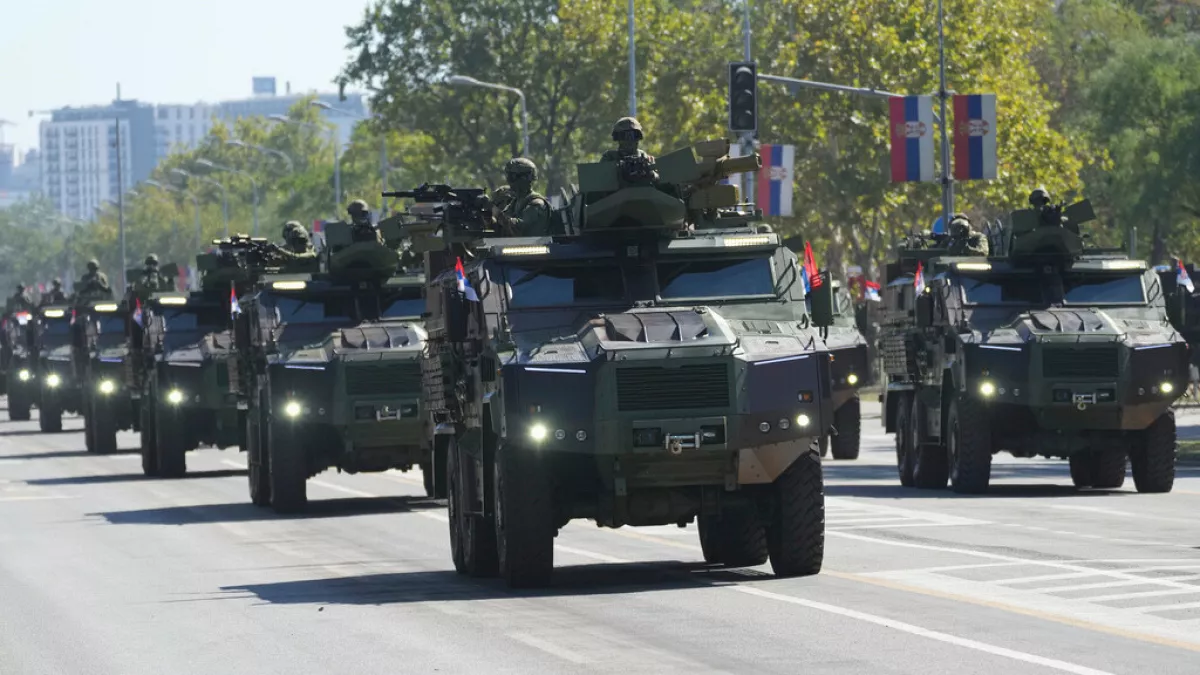
Serbia held its largest military parade in Belgrade, showcasing a variety of domestically produced and internationally supplied weapons, including tanks, missile systems, and fighter jets, as a display of national strength and sovereignty amid its balancing act between EU integration and foreign arms partnerships.
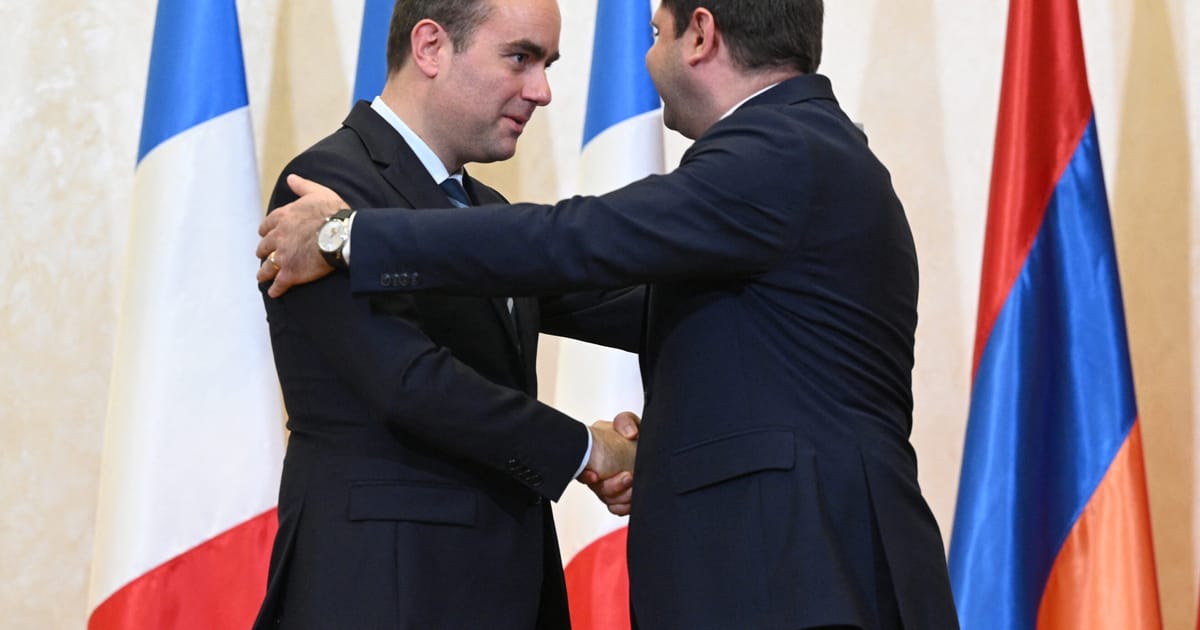
France has signed a series of arms deals with Armenia, a move that is seen as a strategic maneuver to assert its influence in Russia's traditional sphere of influence. The deals have raised tensions with Moscow, with Russia reportedly threatening French planes in the Black Sea. This comes amid a broader context of geopolitical maneuvering, including France's commitment to reach NATO defense spending targets and Ukrainian President Zelenskyy's upcoming visit to Paris to sign a bilateral security deal.
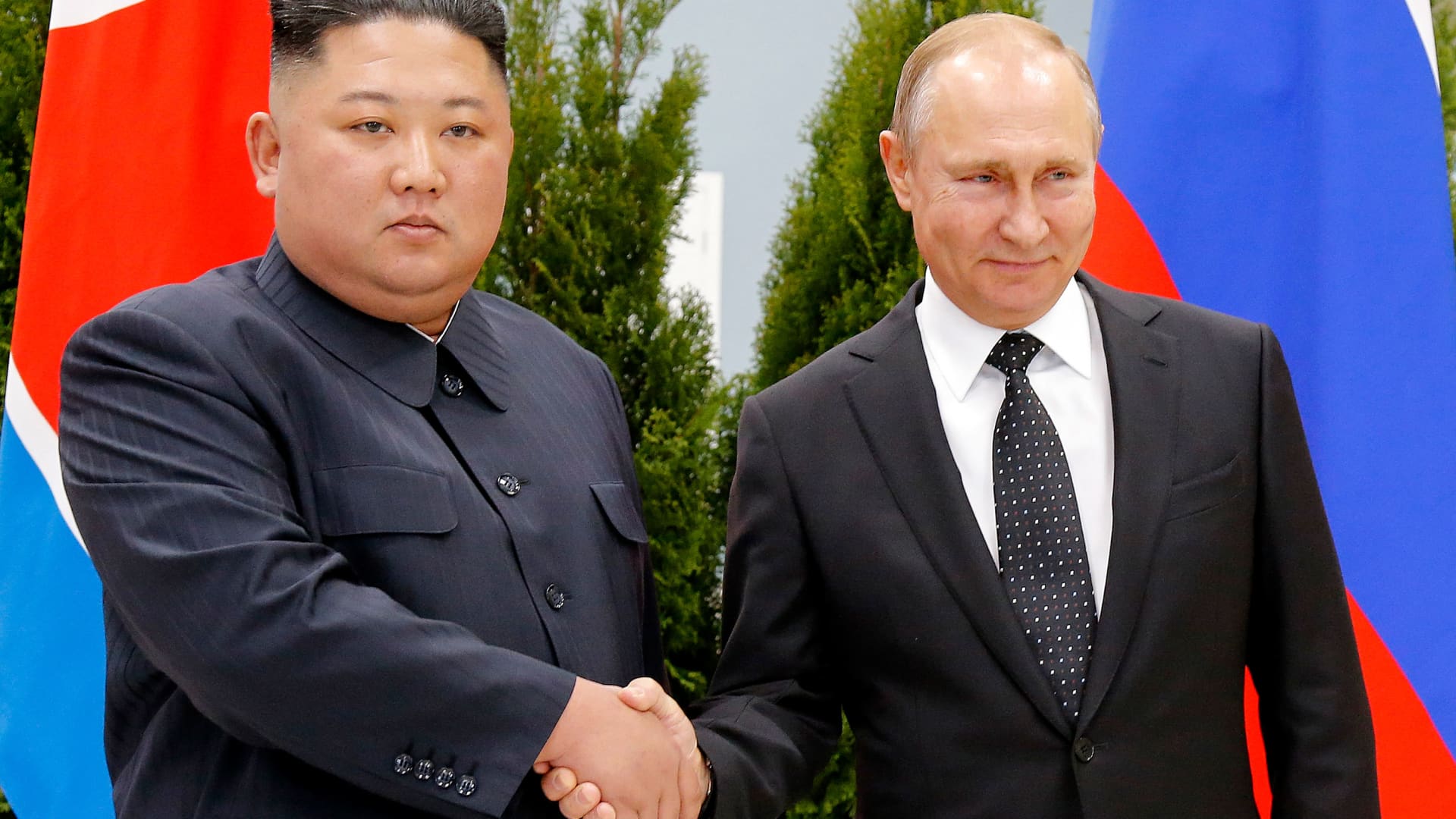
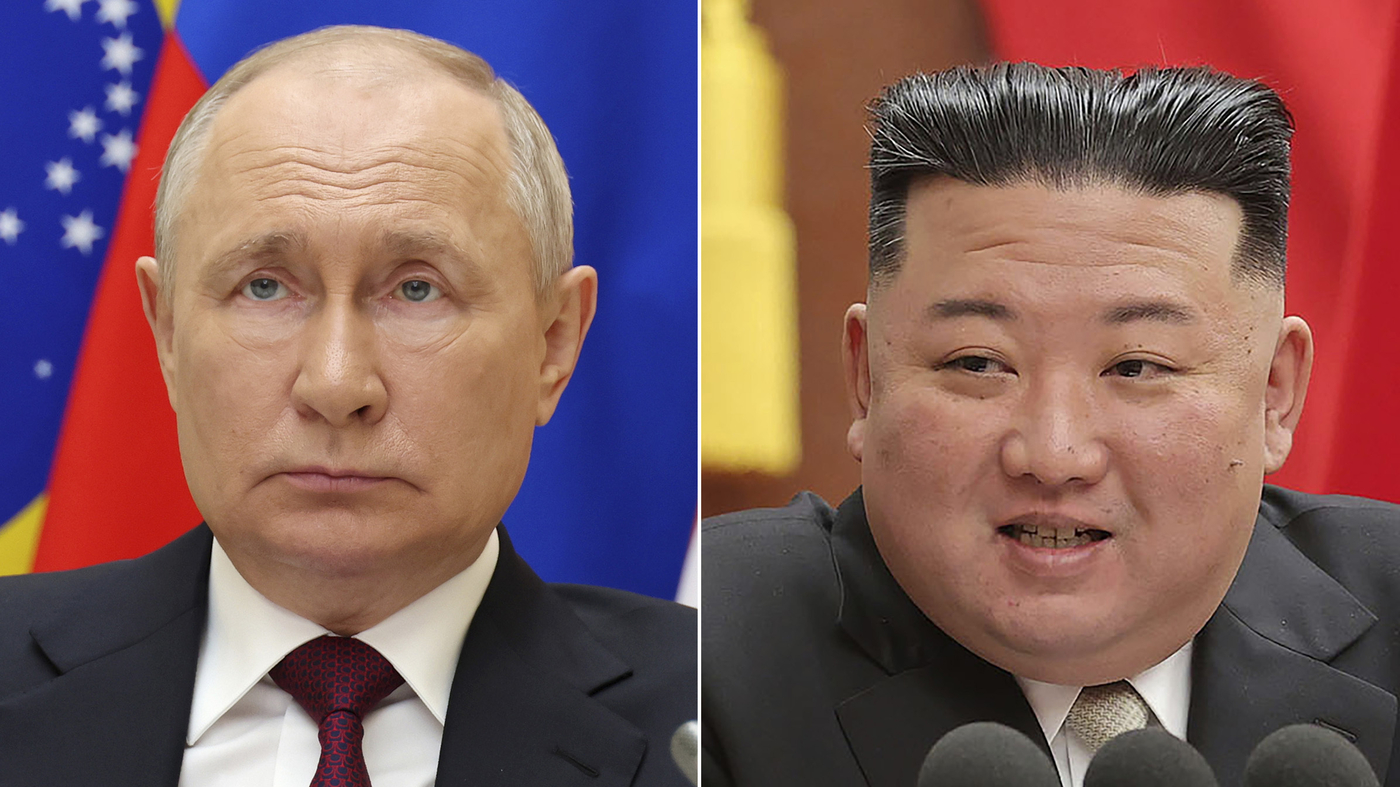
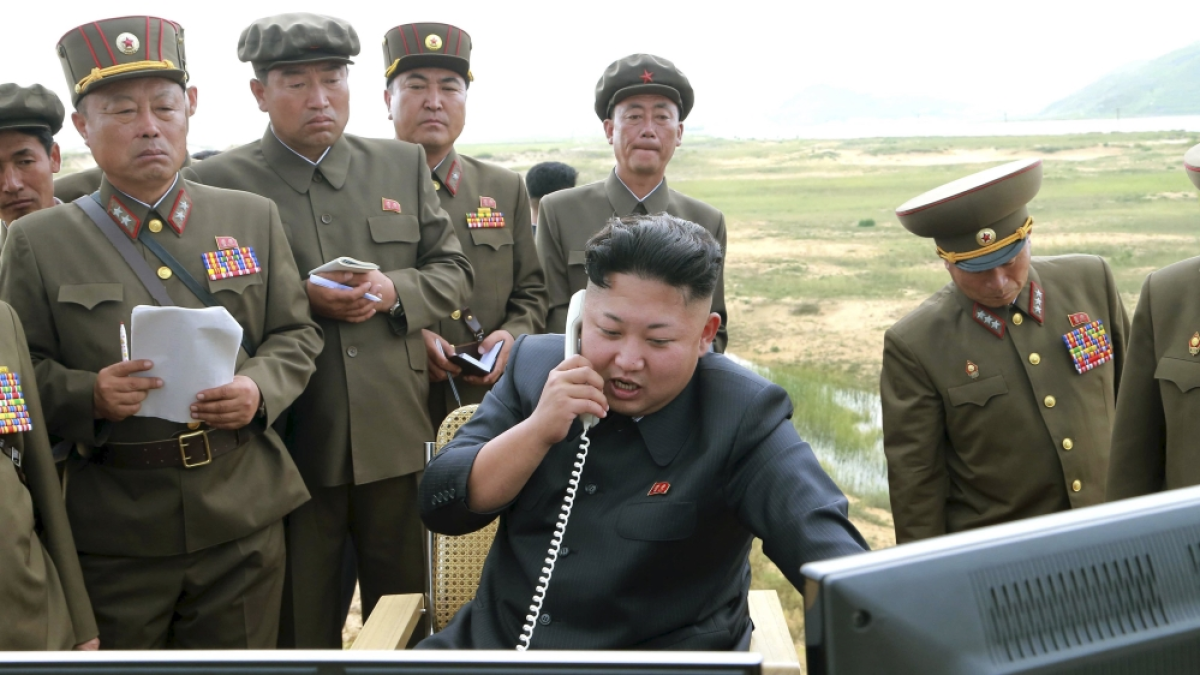
The upcoming meeting between Russian President Vladimir Putin and North Korean leader Kim Jong Un has raised concerns in the West about potential arms deals and military cooperation between the two countries. There are fears that North Korea could provide weaponry to Russia for use in its war in Ukraine, while Russia might offer advanced military technology and intelligence to North Korea, enabling it to further its nuclear program. Such actions could undermine global peace and security and make it harder to encourage compliance with non-proliferation treaties. Western allies, particularly Japan and South Korea, are closely monitoring the summit and warn of potential violations of UN Security Council resolutions.
The United States has accused Russia of pursuing major arms deals with North Korea, claiming that the two countries are "actively advancing" talks for additional weapons to support Russia's invasion of Ukraine. The U.S. ambassador to the United Nations, Linda Thomas-Greenfield, condemned Russian Defense Minister Sergei Shoigu for visiting North Korea and attempting to convince Pyongyang to sell artillery ammunition to Russia. The U.S. intelligence report suggests that the potential agreement would allow North Korea to ship significant quantities and multiple types of weapons to Russia for deployment in Ukraine. Relations between Washington, its Asian allies, and both North Korea and Russia have further deteriorated since Russia's invasion of Ukraine.
The White House has warned North Korea to halt arms negotiations with Russia amid escalating tensions with Washington. The US expressed concern over potential arms deals between Russia and North Korea, urging Pyongyang to abide by its commitments not to provide or sell arms to Russia. The warning comes after Russian President Vladimir Putin and North Korean leader Kim Jong Un exchanged letters vowing to strengthen bilateral cooperation. The US accuses North Korea of covertly shipping artillery shells to Russia and remains concerned about military support to Russia's forces in Ukraine. North Korea has sided with Russia over the war in Ukraine, while the US has warned competitors and adversaries against aiding Russia's military offensive.
The Russia-Africa summit in St. Petersburg will focus on food security in African countries, following Moscow's withdrawal from a grain deal that has raised concerns about potential food shortages. While Russia may use the summit to announce a possible restoration of grain supplies, experts warn that this would not provide long-term stability over food prices. The summit also presents an opportunity for Russia to strengthen its political influence in Africa, potentially gaining support in UN votes and easing economic restrictions imposed by the West. African countries, on the other hand, seek investment opportunities and financing options, while also aiming to assert their independence as geopolitical actors. Arms deals and the presence of the Wagner paramilitary group in Africa are additional factors that may be discussed during the summit.
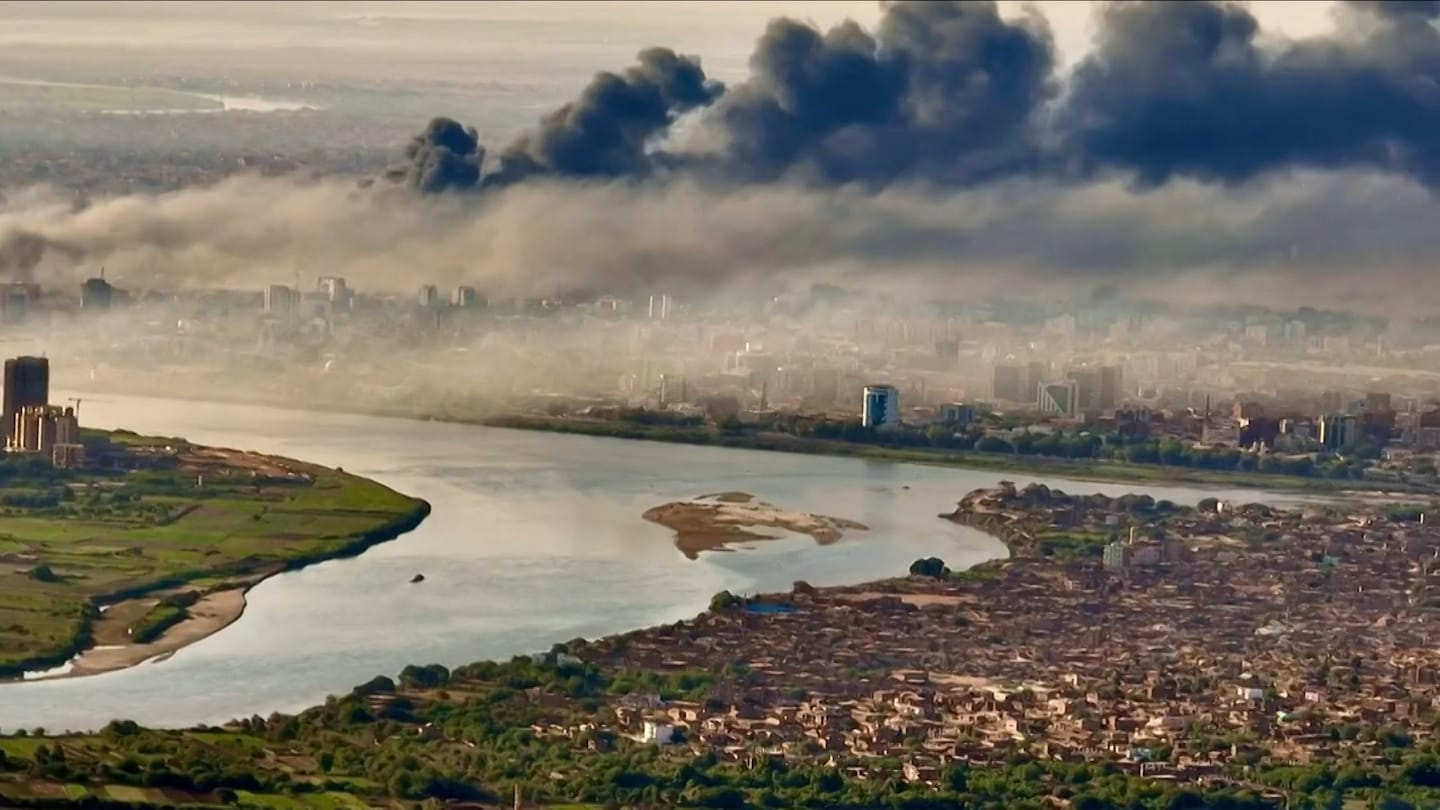
Russia's Wagner Group has established close ties with Sudan's security forces, providing equipment, training, and advice to government leaders. The conflict between rival Sudanese generals has presented Moscow and its mercenaries with an urgent dilemma as they have a great deal to lose if they back the wrong side. The alliance between Russia and Sudan has yielded gold business, arms deals, and the prospect of a strategic Russian naval base on the Red Sea at Port Sudan. Wagner values its ties with the Rapid Support Forces (RSF) to secure a route through Sudan for the company's growing logistics hub in Libya.