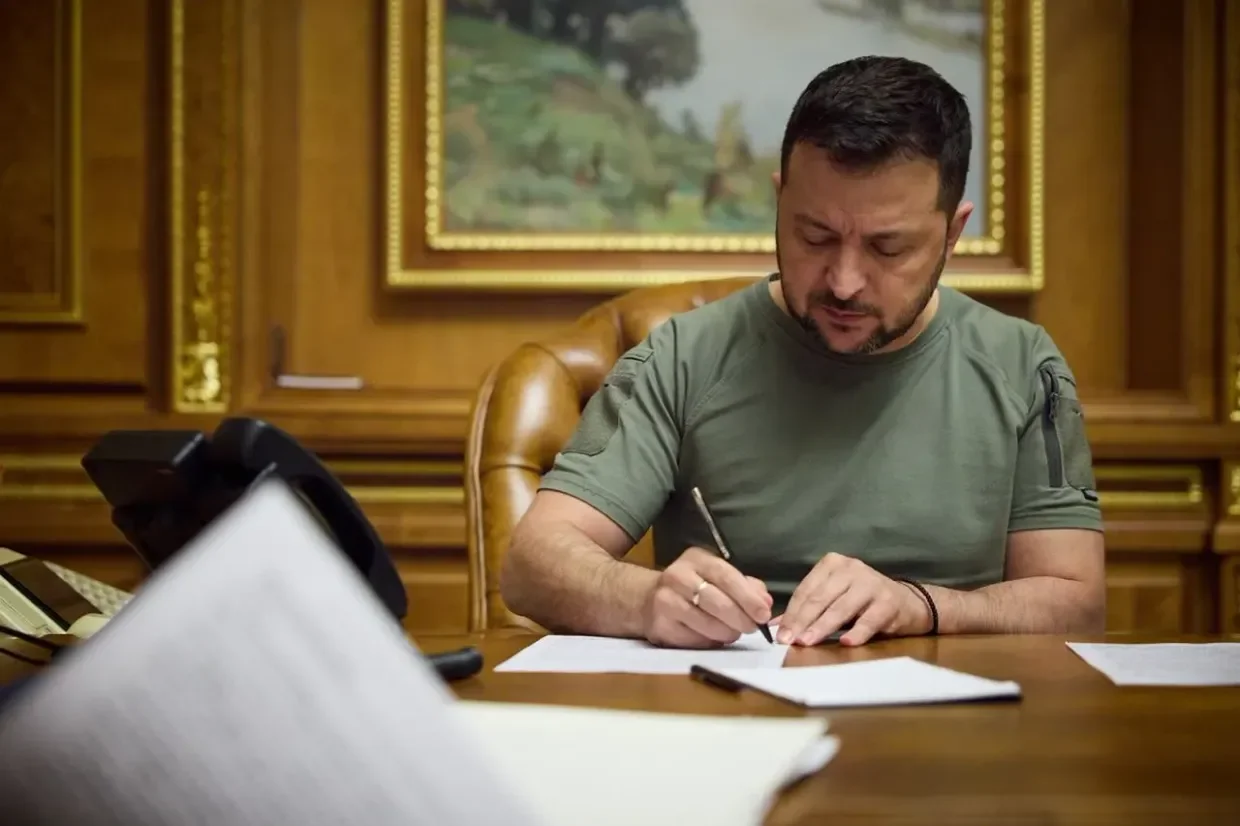
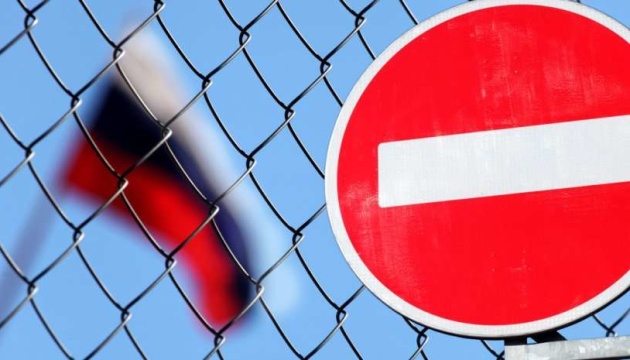
Ukraine has imposed sanctions on 95 individuals and 70 entities linked to Russia's military-industrial complex, including asset freezes and trade restrictions, aiming to hinder Russia's military capabilities amid ongoing conflict.
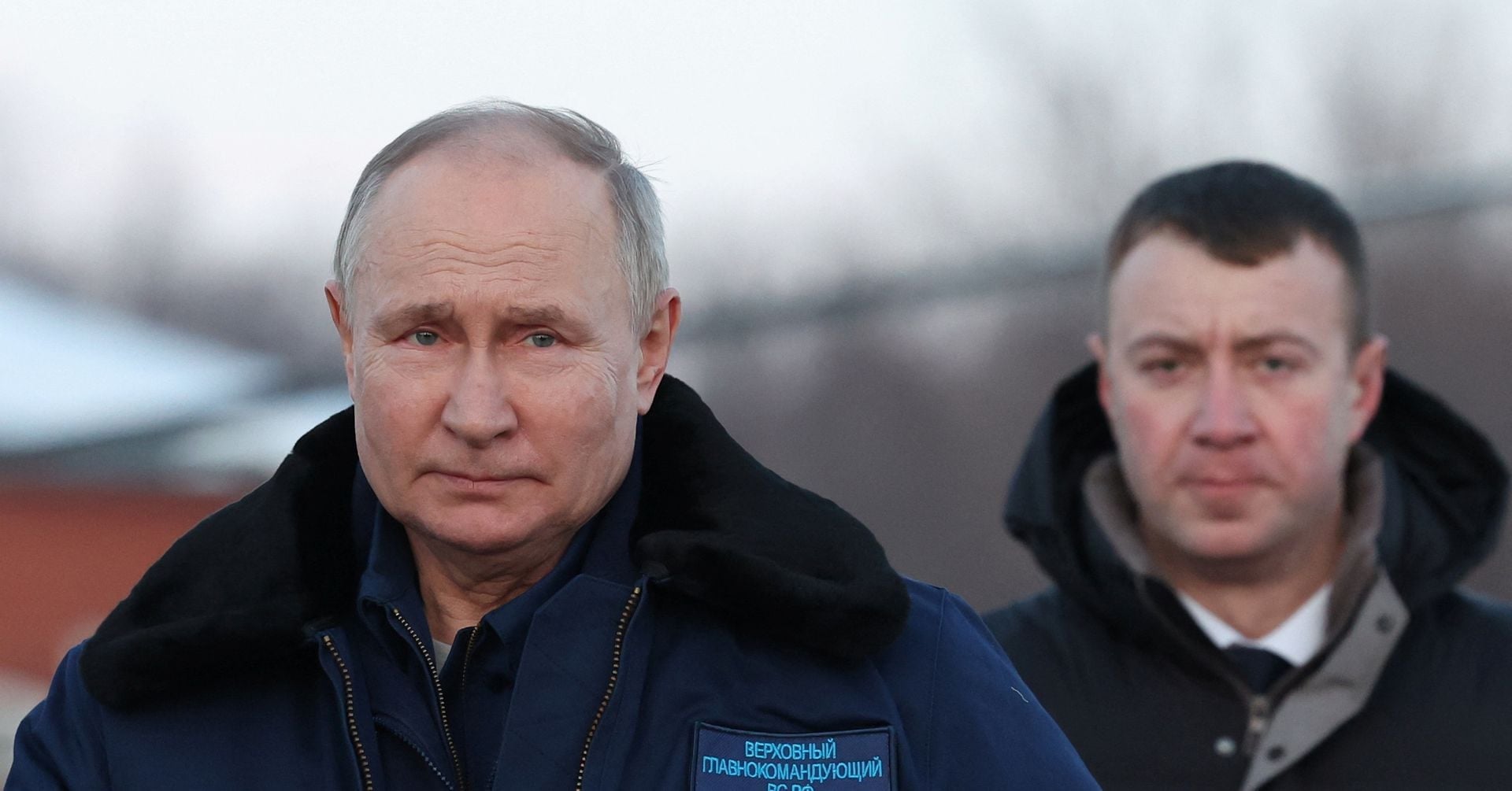
Russian President Vladimir Putin announced that 95% of Russia's strategic nuclear forces have been modernized, with the Air Force receiving four new supersonic nuclear-capable bombers. Putin praised soldiers involved in the conflict in Ukraine as heroes and emphasized the ongoing modernization efforts of Russia's military-industrial complex, including the development of new strike systems and the introduction of artificial intelligence technologies in the military sphere. He also highlighted the production of new Zircon hypersonic missiles and the addition of new strategic submarines to the navy.
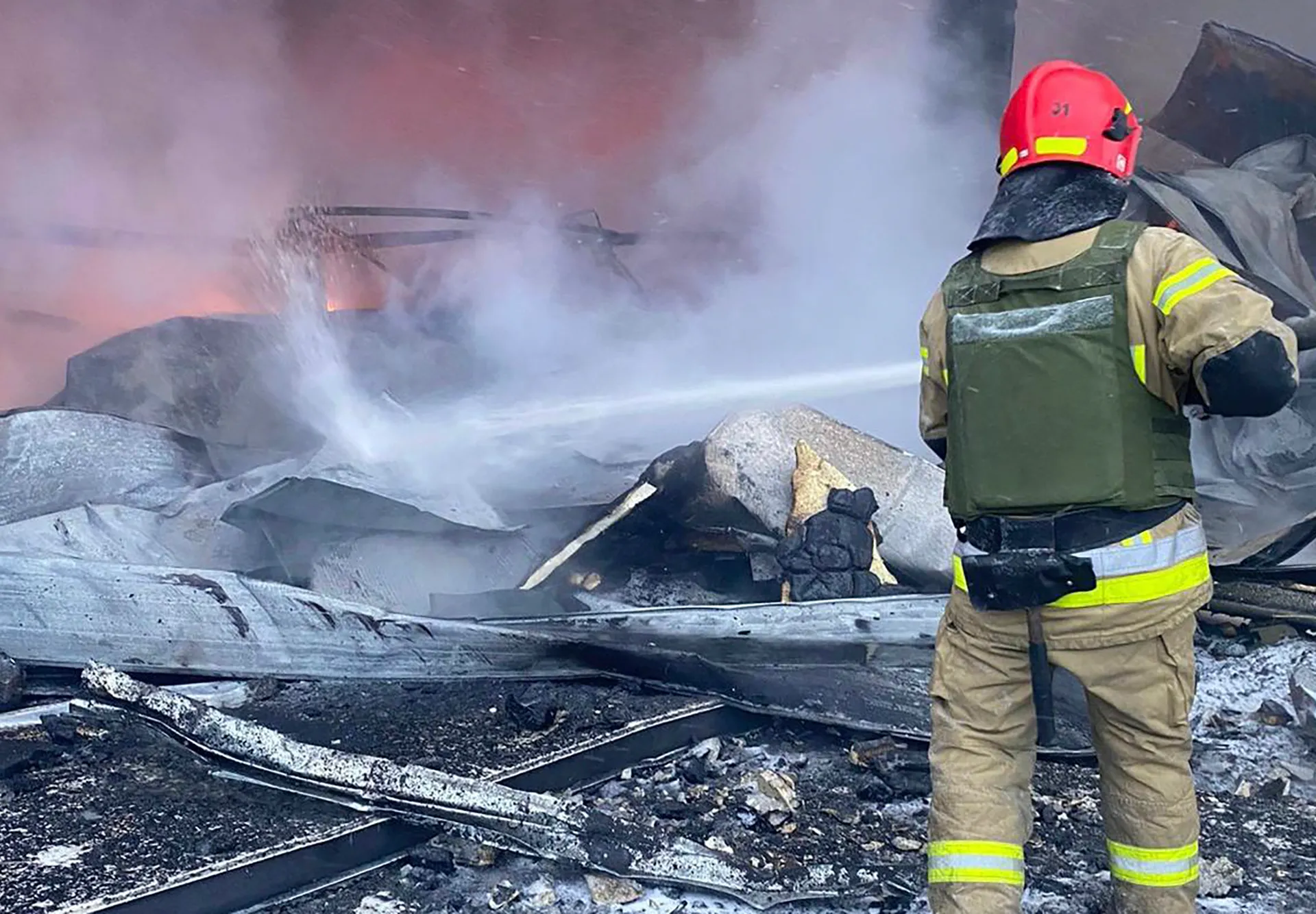
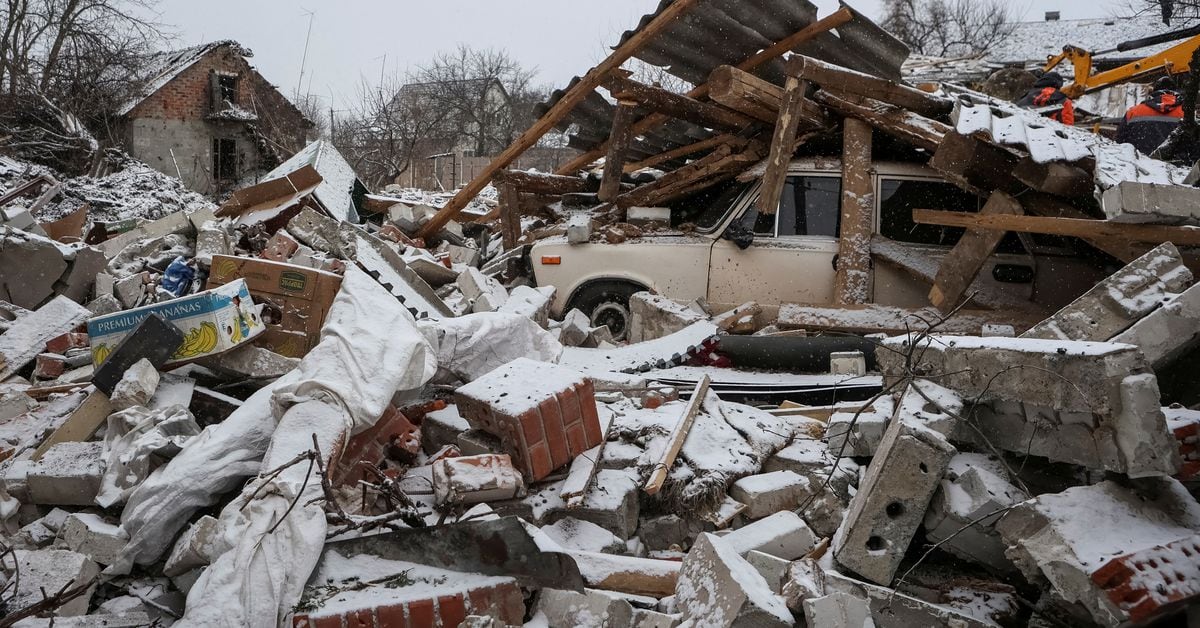
Russia launched a wave of hypersonic and cruise missiles at various locations across Ukraine, including civilian areas, resulting in at least four deaths and 30 injuries. The attacks targeted both the front lines of fighting in the east and central and western parts of the country, with Ukrainian forces intercepting some of the missiles and drones. Russia claimed to be aiming at Ukraine's military-industrial complex, using precision sea-launched and air-launched long-range missiles, including Kinzhal hypersonic missiles.
Russia launched a combined air strike on Ukraine, killing at least four civilians and damaging residential areas and commercial sites. Ukrainian authorities reported two deaths in the Khmelnytskyi region, one in Kryvyi Rih, and one in a town south of Kharkiv, with additional casualties and infrastructure damage in other areas. Russia claimed to have targeted military-industrial facilities using high-precision, long-range weapons, including the Kinzhal hypersonic missile system. Ukraine stated that its air defenses intercepted 18 out of 51 missiles and shot down all eight drones launched by Russia. The strikes occurred during a cold snap, leaving thousands without power and disrupting public transportation.
86 leading defense companies from 21 countries have confirmed their participation in Ukraine's Defense Industries Forum, which will be held in the autumn. The forum aims to provide Ukraine with opportunities to produce weapons and ammunition, acquire modern technologies, and share defense experiences with allies and partners. The event is part of Ukraine's efforts to integrate its military-industrial complex into the Western defense industry and ensure a constant supply of Western equipment.
Ben Cohen, co-founder of Ben & Jerry's, criticized U.S. and NATO involvement in Ukraine, blaming NATO expansionism and the "military-industrial-congressional complex" for aggravating the conflict. Cohen expressed support for negotiations to end the war instead of providing more weapons. He was recently arrested for protesting the detainment of Julian Assange.
The NATO Summit in Vilnius aimed to avoid committing to Ukraine while continuing NATO's agenda to weaken Russia. The summit waived the requirement for Ukraine to pass a Membership Action Plan, but established a NATO-Ukraine Council and promised economic support for military hardware. The article argues that the real beneficiaries of this summit are the US Military-Industrial-Congressional Complex (MICC), which profits from the opaque and corrupt defense budgeting procedures. The author criticizes the bureaucratic procedures that shrink combat forces, underfund readiness, and market expensive weapons as game-changers. The ongoing Russo-NATO proxy war is seen as a string of incomplete successes.
The EU has adopted its 11th package of sanctions against Russia, which includes measures to counteract the circumvention of restrictions by Russia, limiting the sale and transfer of sensitive technologies and dual-use products to other countries. The package also includes individual restrictions and the addition of 87 entities to the list of entities directly supporting Russia’s military and industrial complex. The EU aims to further strengthen bilateral and multilateral cooperation with third countries to address the growing circumvention of EU sanctions.