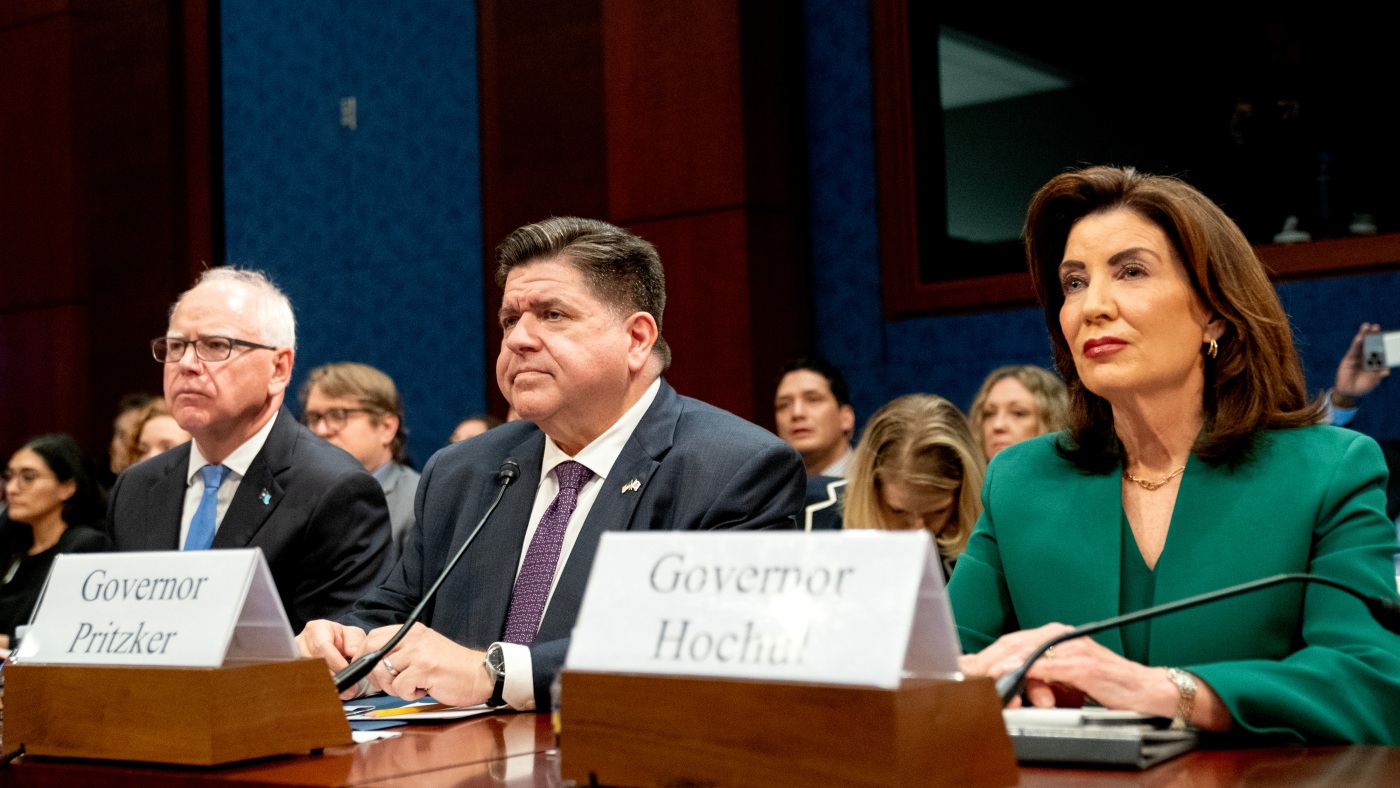
During a House committee hearing, GOP lawmakers criticized sanctuary policies and portrayed migrants as threats, while Democratic governors defended their communities' immigrant residents, emphasizing their contributions and due process rights amid ongoing immigration enforcement tensions.
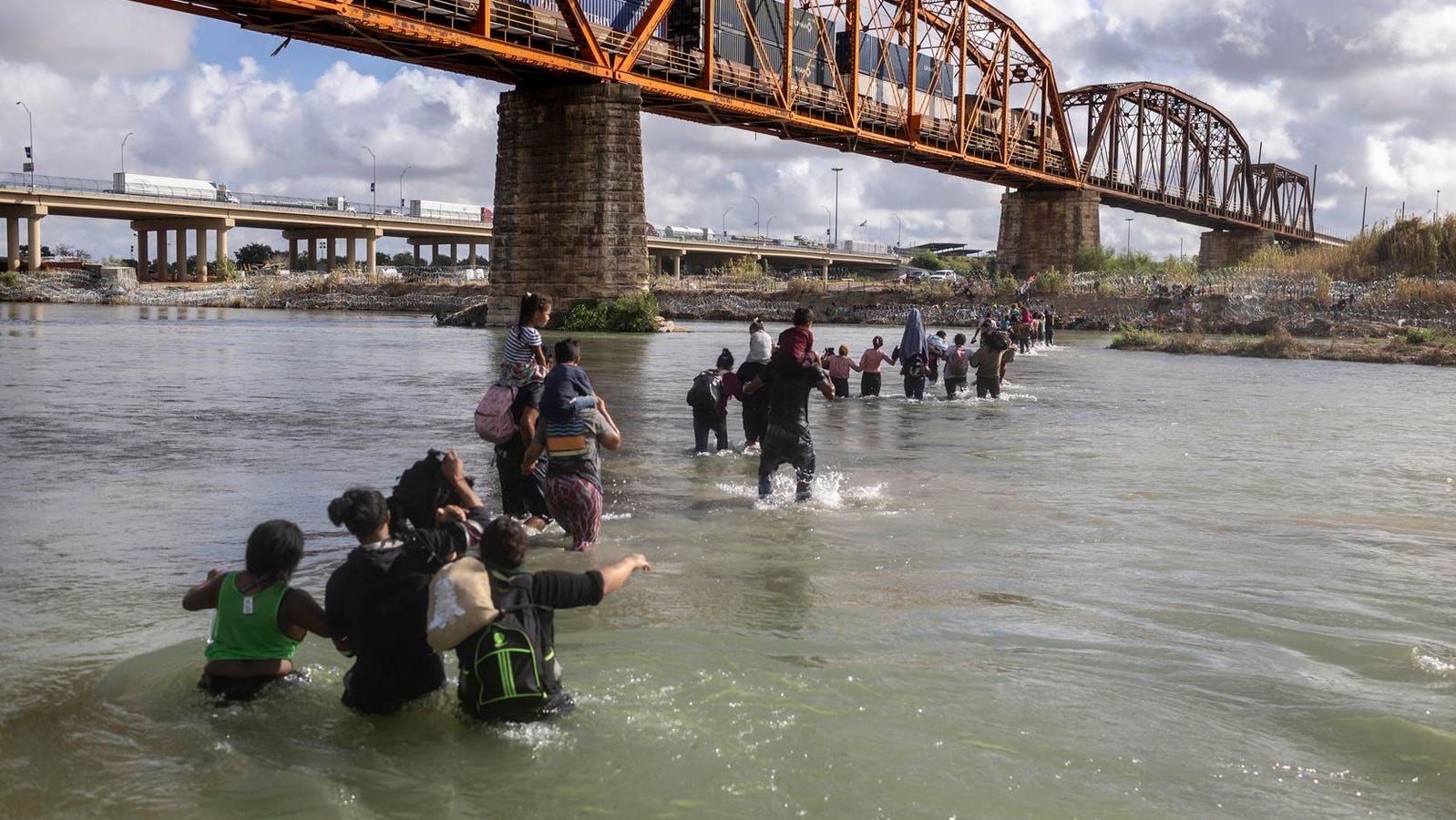
The "Take Our Border Back Convoy," organized by "God's Army," has kicked off its journey to the southern U.S. with only about 50 vehicles, falling short of the hundreds of thousands originally expected. The convoy plans to hold rallies near the border in protest of the Biden administration's migration policies, but has faced internal friction and is reportedly off to a slow start. The group has raised $157,000 in donations and is planning three large rallies in border states on February 3. This comes as the migrant crisis at the southern border continues to dominate Washington, with arrests at the U.S.-Mexico border at an all-time high.
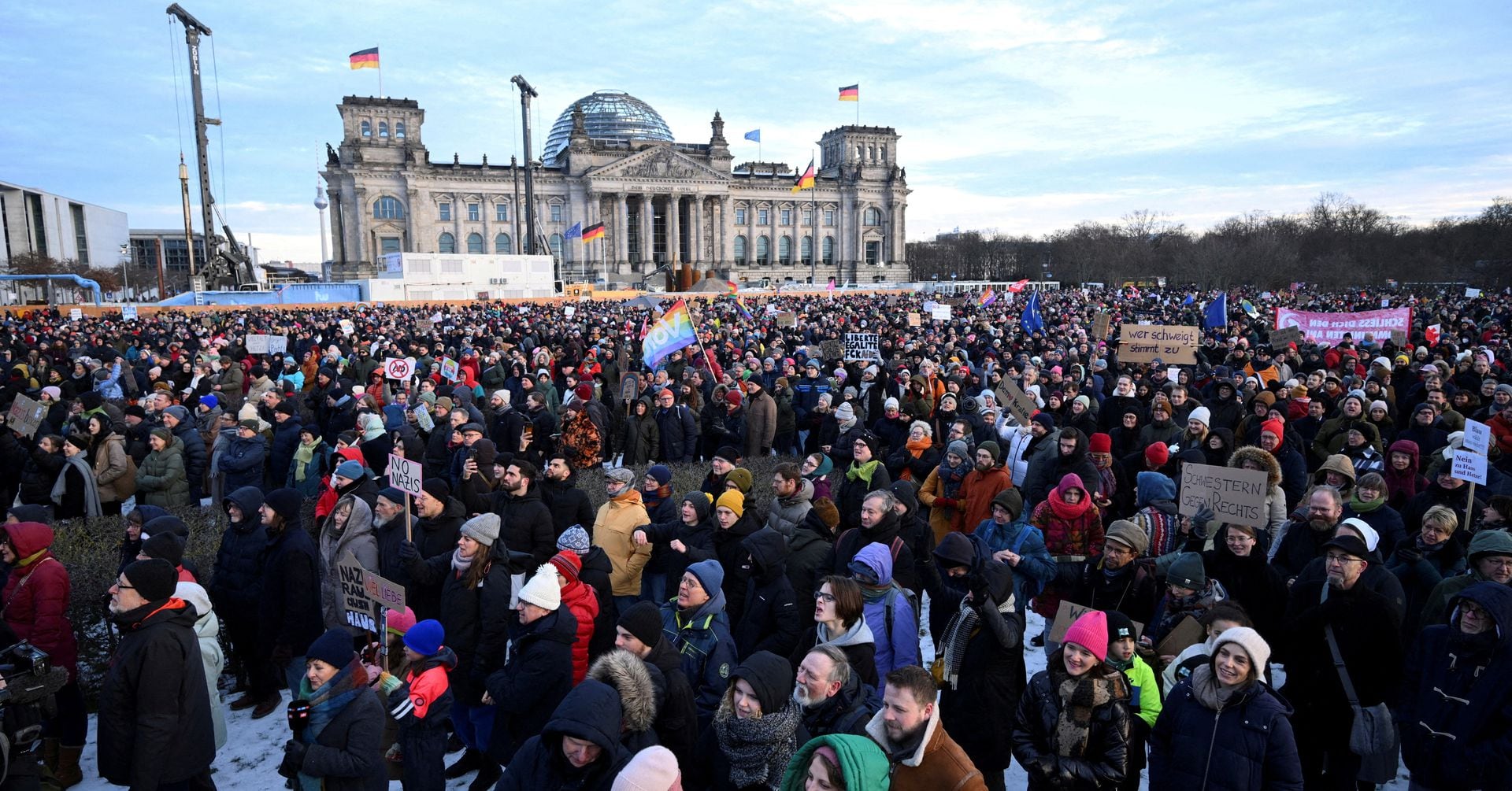
Hundreds of thousands of people in Germany have protested against the right-wing Alternative for Germany (AfD) party, following reports of a meeting of right-wing extremists discussing migration policies. Demonstrations took place in various cities, with turnout exceeding expectations. Business leaders and politicians have expressed concerns and support for the protests, with President Frank-Walter Steinmeier calling for an alliance of all democrats and Vice-Chancellor Robert Habeck seeing the demonstrations as an encouraging sign for democracy.
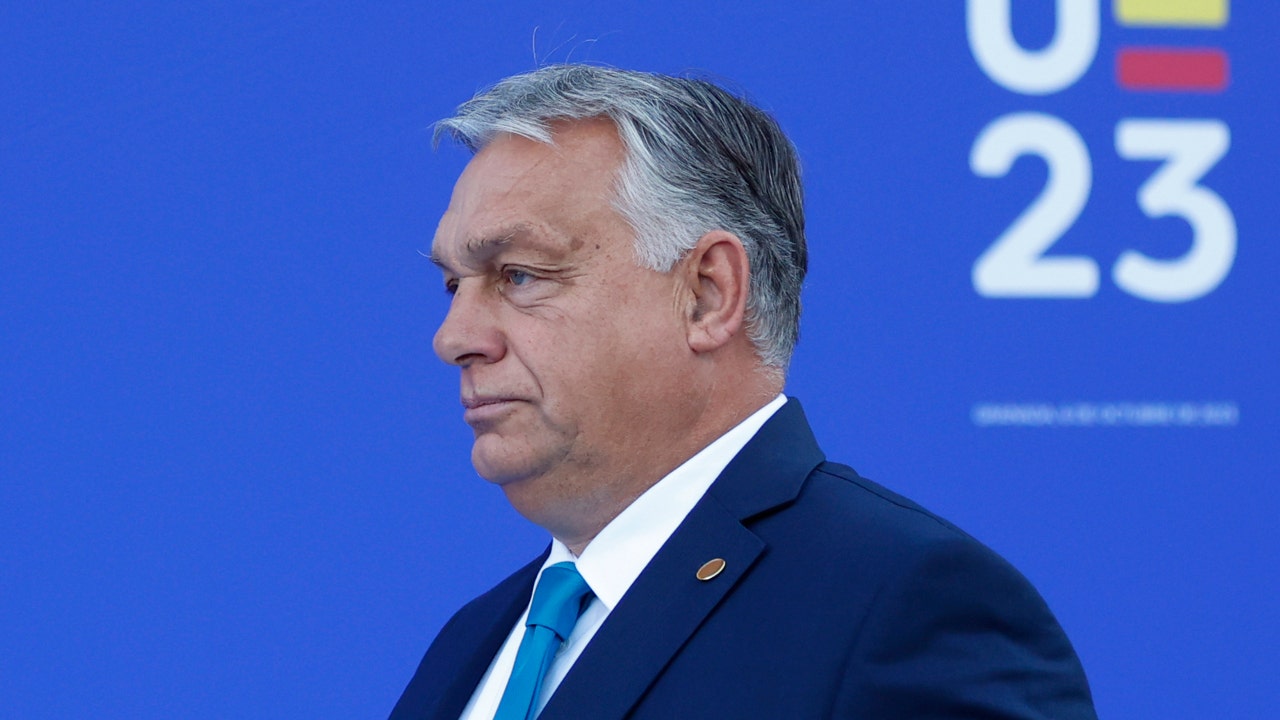
Hungary's Prime Minister Viktor Orbán criticized Western European immigration policies, stating that he does not want his country to replicate their "failed migration policies" that he believes have led to terrorism, gang wars, and violence. Orbán specifically mentioned that he does not want "mini Gazas" in Budapest, although it is unclear what he meant by this statement. He emphasized that each country should have the freedom to determine its own migration policies and urged other nations to respect Hungary's approach. Orbán has previously banned pro-Palestinian protests in Hungary, describing them as "pro-terrorist."
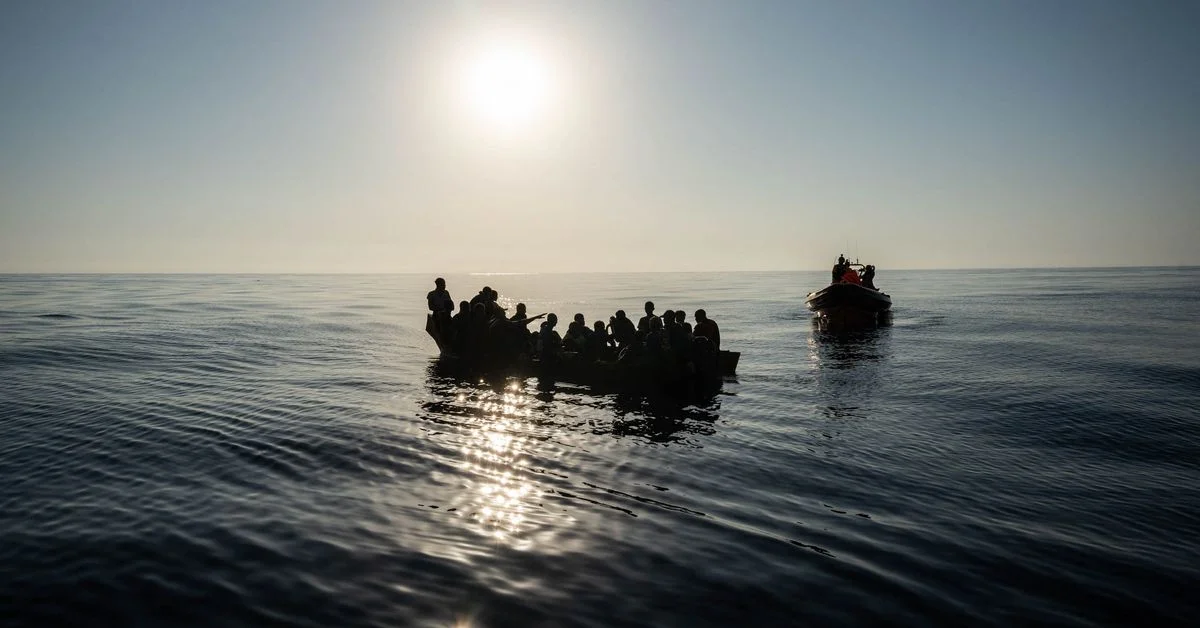
A shipwreck off the coast of Italy has left 41 migrants feared dead, adding to the hundreds of migrant deaths via shipwreck in the last year. The increase in fatalities is due to a surge in migrants from Libya and Tunisia to Italy, traffickers using unstable vessels, and insufficient resources dedicated to rescue efforts by European governments. Limited legal pathways for migration to Europe have pushed migrants to take dangerous routes, resulting in more perilous journeys and deaths. The European Union's immigration policy has failed to offer legal pathways for migrants, leading to disputes over rescue efforts and a lack of support. The EU has made deals with countries like Tunisia, Libya, and Turkey to curb migration, but these agreements often outsource migration enforcement to countries with human rights abuses. The EU is still grappling with how to reform its migration policies, and the upcoming European parliament elections could further complicate the issue.