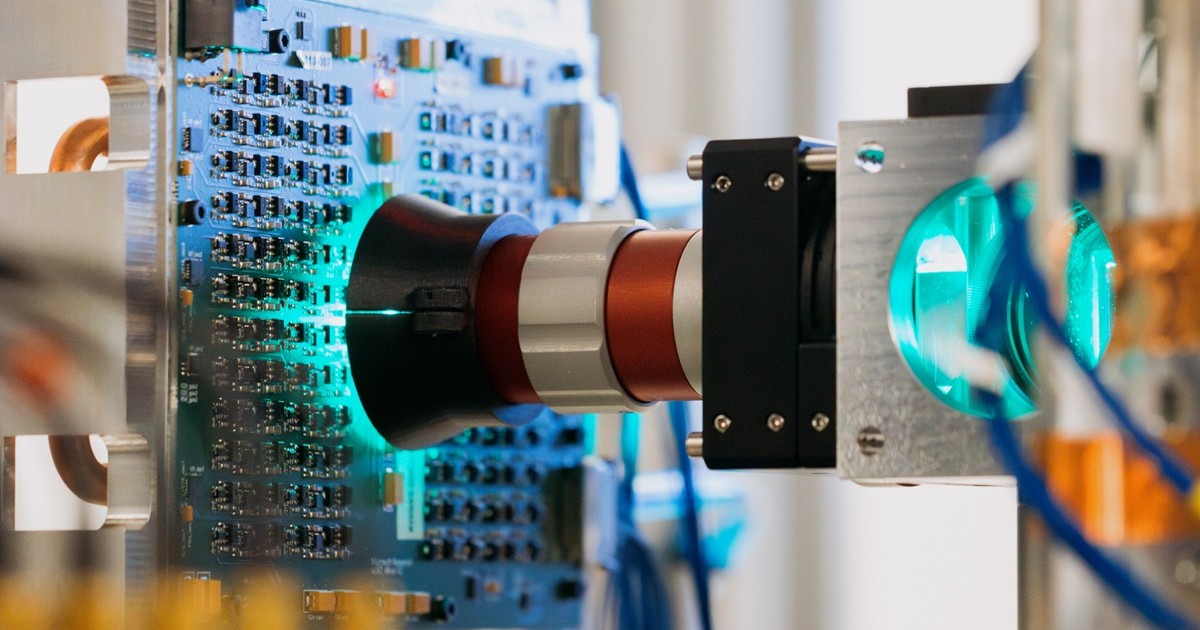
Microsoft Research has developed an analog optical computer (AOC) using commercially available parts that can solve complex optimization problems and run AI workloads more efficiently and faster than traditional digital computers. The AOC has demonstrated success in banking and healthcare applications, such as optimizing financial transactions and reconstructing MRI scans, with potential for future improvements and broader use. The project emphasizes collaboration and open sharing of algorithms and digital models to accelerate development and application of this innovative computing paradigm.
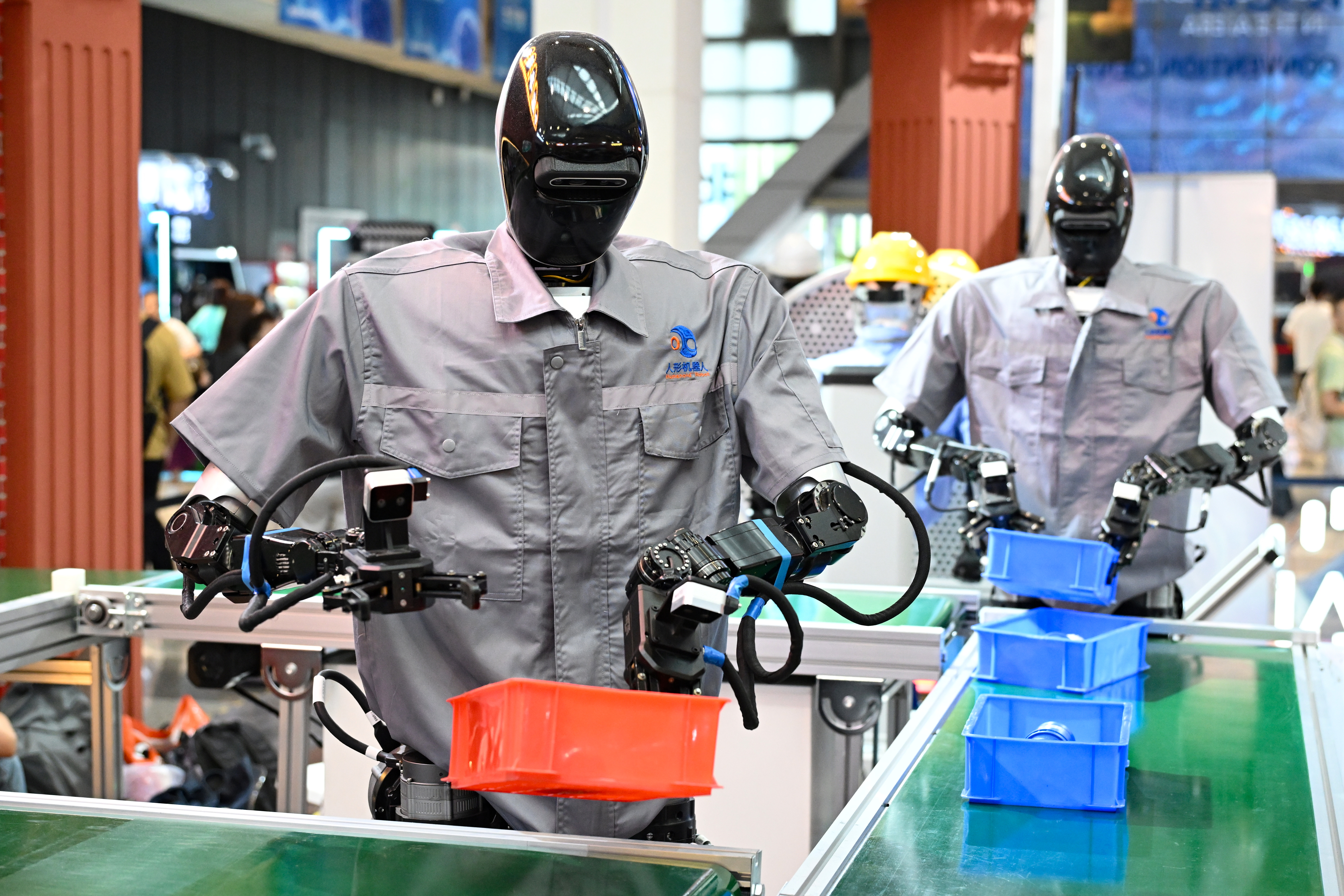
Microsoft's research indicates that blue-collar jobs are less likely to be impacted by AI, with roles like nursing assistants and painters being among the safest, while white-collar jobs involving information and communication are more vulnerable to AI adoption and impact.
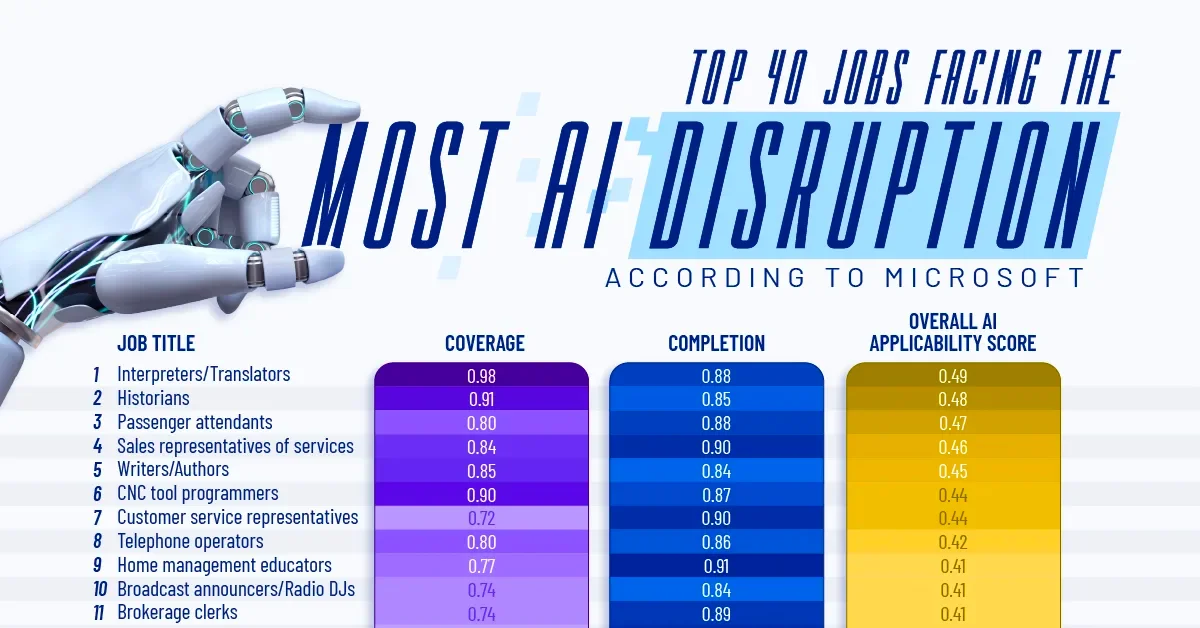
Microsoft Research predicts that AI could significantly impact and potentially replace up to 40 jobs, especially those involving impersonal, digitizable tasks, raising concerns about widespread unemployment and societal upheaval, but also potential benefits like medical advancements and economic solutions.
Microsoft researchers demonstrated a prototype tetron qubit capable of performing two distinct quantum measurements with significantly different lifetimes, supporting progress toward topological quantum computing, though further validation and improvements are needed to confirm topological behavior and reduce error rates.
Microsoft Research's "Project Silica" aims to revolutionize data storage by using small glass plates to store massive amounts of data for thousands of years. Unlike magnetic storage, which requires frequent re-copying and increases energy consumption, the data written in glass is impossible to change. Each glass plate can hold several terabytes of data and could last up to 10,000 years. This sustainable technology offers a more compact and long-lasting alternative to traditional data centers.