A new report highlights 15 high-paying jobs that do not require a four-year college degree, emphasizing roles in trades, management, and sales, with strong growth prospects and specific skill or certification requirements.
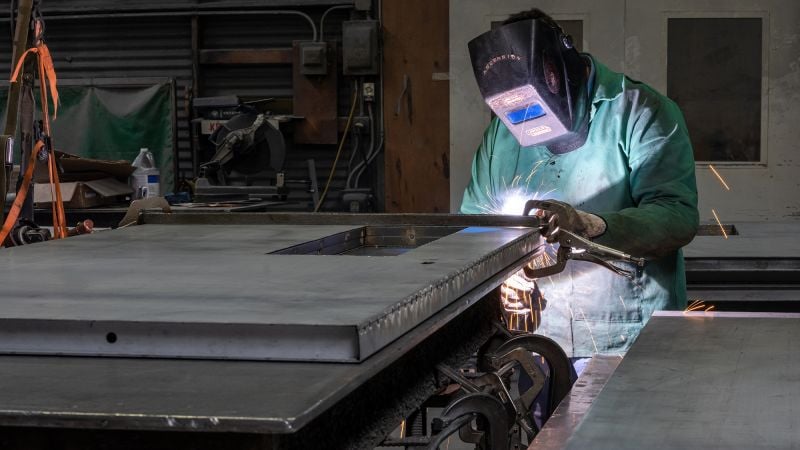
Despite President Trump’s promises of a manufacturing and blue-collar jobs boom, recent data shows a decline in such jobs, largely due to tariffs, automation, and economic factors, with some sectors like construction and healthcare showing growth. Experts suggest a potential rebound as tariff impacts diminish, but the overall outlook remains uncertain.
Microsoft's research indicates that blue-collar jobs are less likely to be impacted by AI, with roles like nursing assistants and painters being among the safest, while white-collar jobs involving information and communication are more vulnerable to AI adoption and impact.
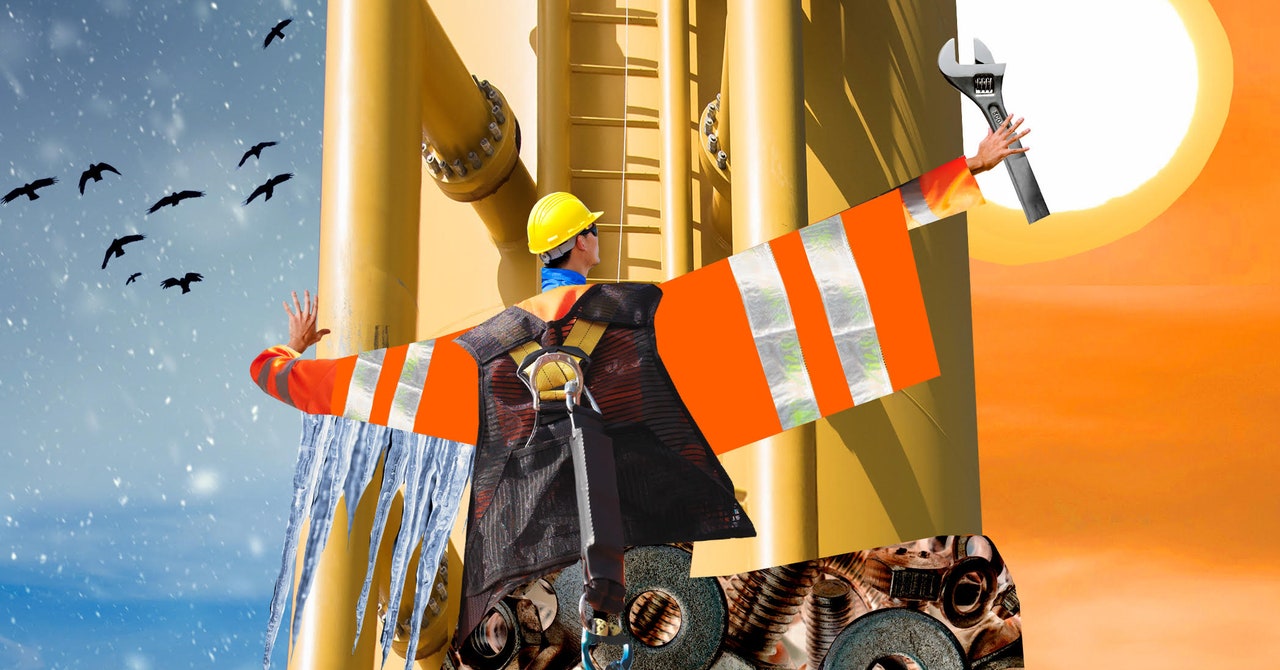
Wind turbine repair technicians are in high demand, with an estimated 5,000 new roles by 2032, making it one of the fastest-growing jobs in the US. Technicians work in teams to maintain and repair turbines, often facing extreme weather conditions and physical challenges. The job requires a mechanical or electrical background and offers competitive wages, with opportunities for both owner-operator and traveling positions. Despite the labor-intensive nature of the work, those in the industry see great potential for career growth and are committed to advancing renewable energy.
The rapid advancement of generative artificial intelligence (Gen AI) is not only threatening white-collar jobs but also blue-collar jobs in the manufacturing industry. Automation, predictive maintenance, and quality control are transforming operations, leading to a reduced need for workers. Gen AI models can act as digital twins for production lines, eliminating the need for multiple experienced workers. This shift will impact both white-collar and blue-collar jobs, with AI-powered quality tools already reducing the need for multiple quality assurance positions. However, AI can also help bridge the labor shortage gap. As more labor unions representing blue-collar workers become aware of the impact of AI, it is expected to become a sticking point in contract negotiations.
The pandemic has led to a blue-collar boom as more Americans return to blue-collar work for better pay and more security. The Biden administration has been pushing for a blue-collar boom, and that's coming to fruition. However, experts say those jobs need to be coupled with robust care, high wages, and unions. The real challenge is making those jobs back into sustainable careers. The Biden administration has been devoted to bringing manufacturing jobs back stateside, pouring billions into projects. Unions could also play a key role in improving the quality of blue-collar jobs.