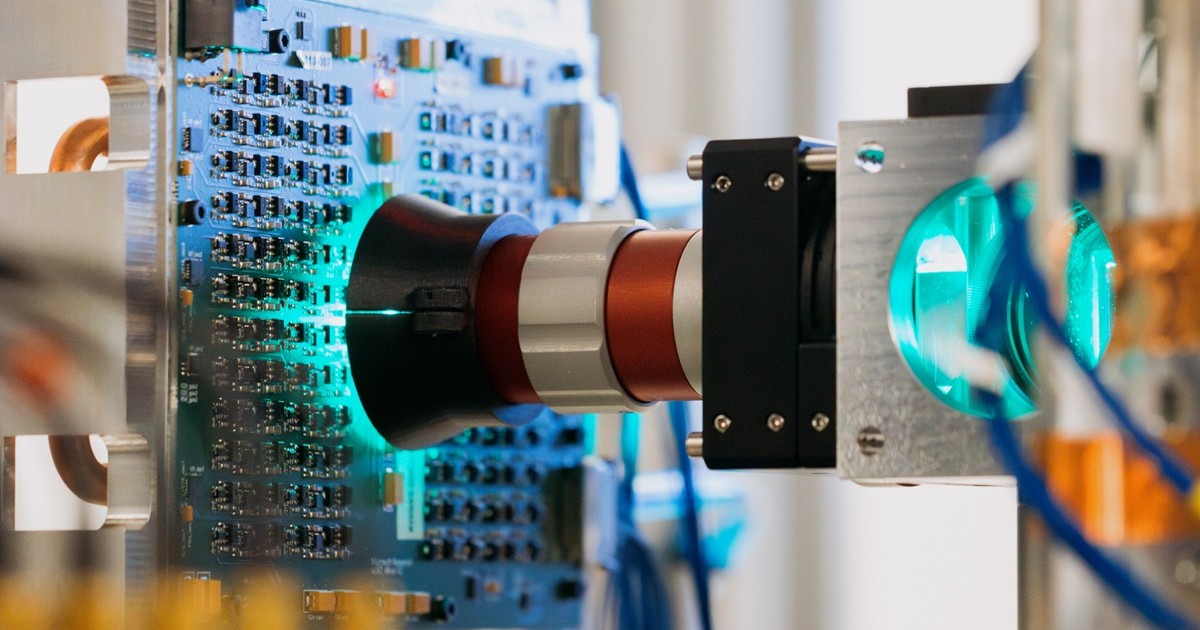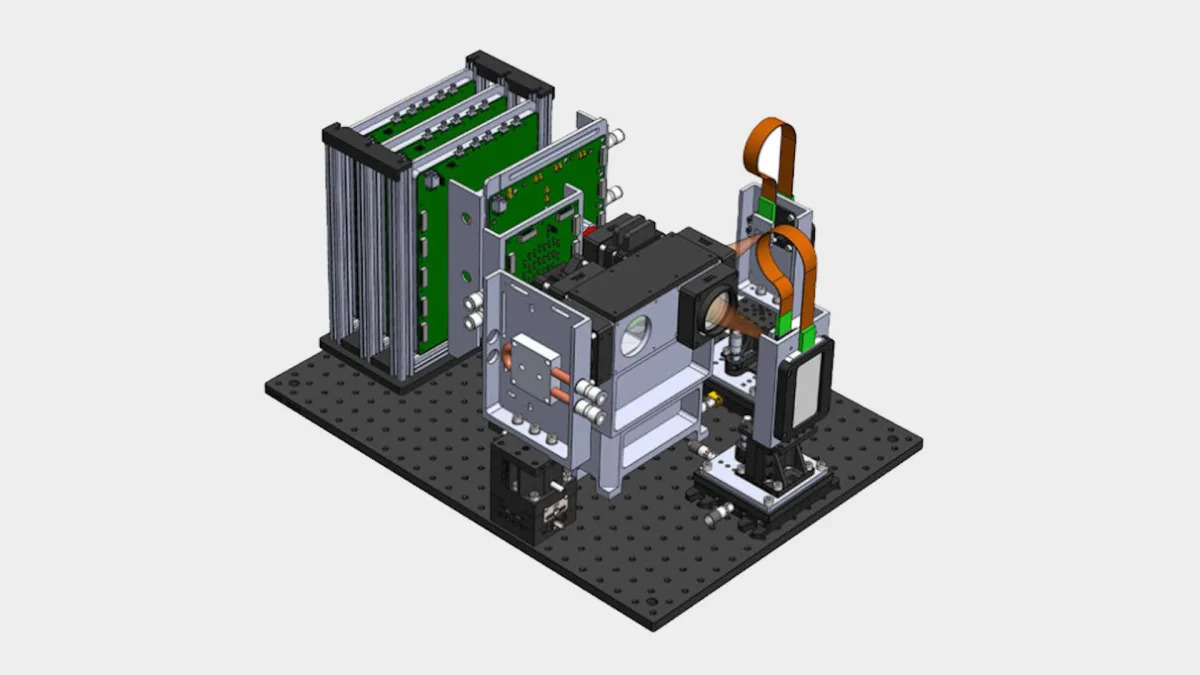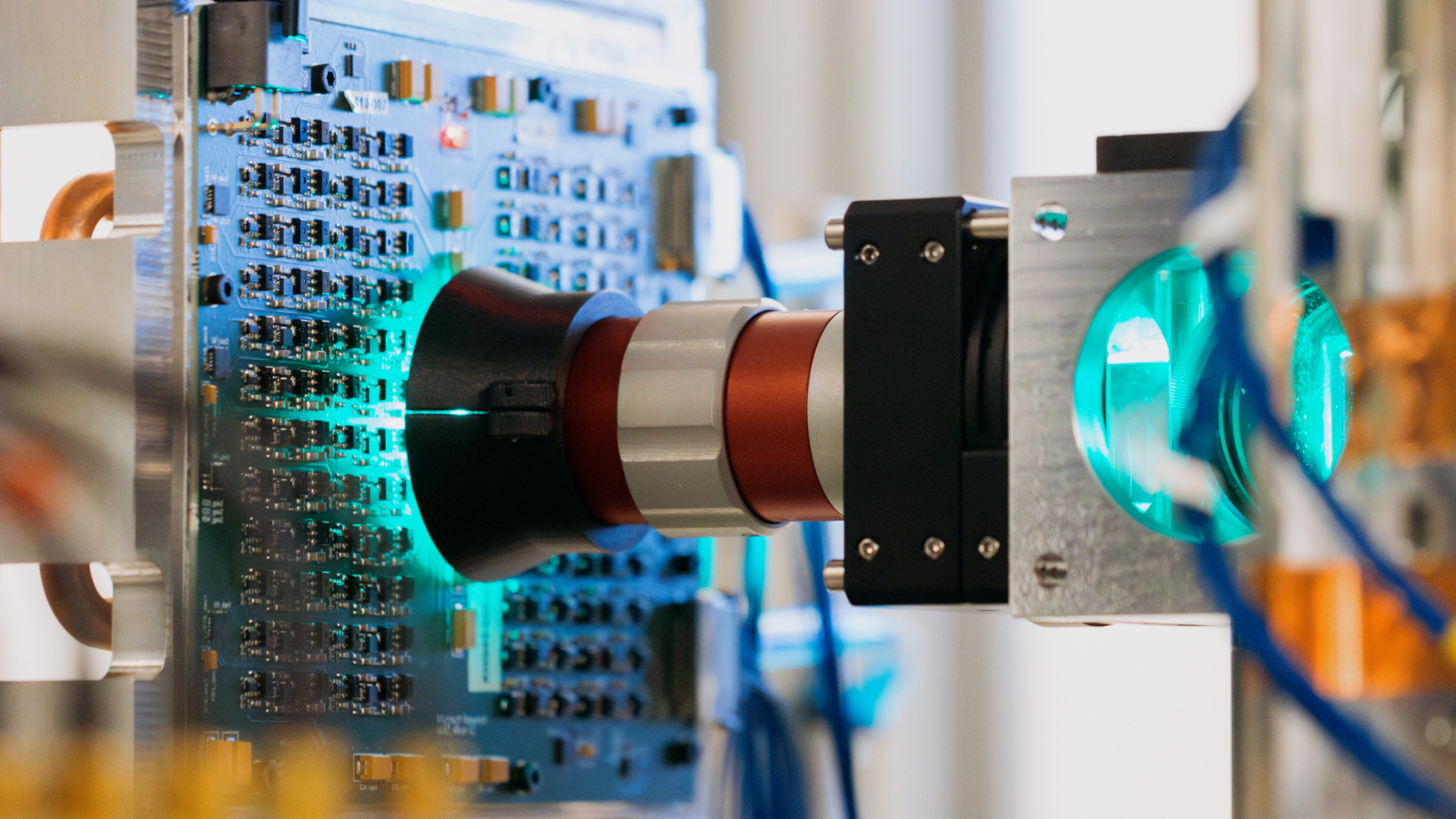
Microsoft has developed a prototype light-based computer that uses light instead of digital switches, potentially making AI calculations up to 100 times more energy-efficient and faster for specific tasks, with future models capable of handling more complex problems.
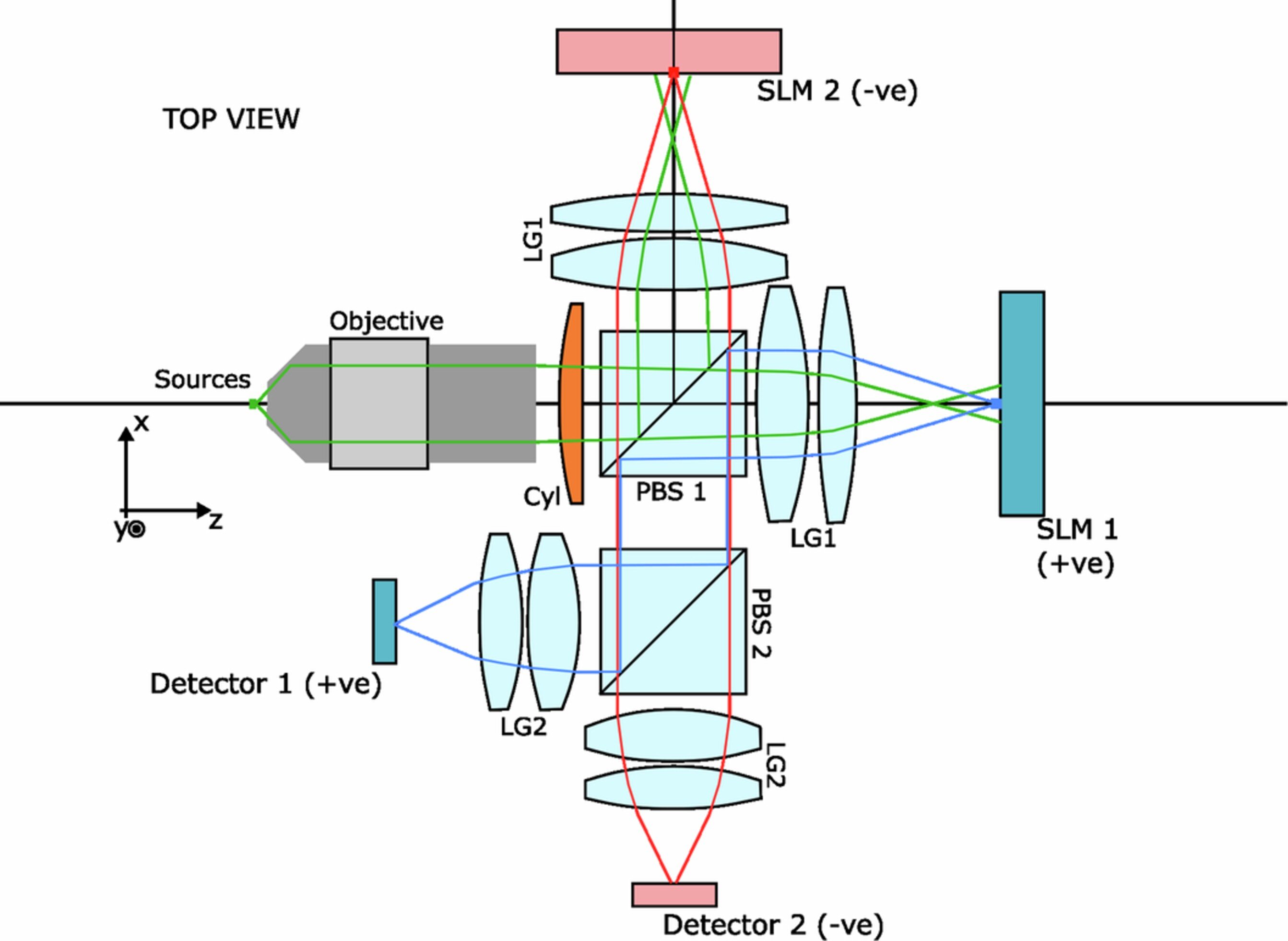
Microsoft and Cambridge researchers have developed an analog optical computer that could significantly improve energy efficiency for AI and optimization tasks, potentially offering up to 100 times the efficiency of GPUs, though it still requires scaling for practical applications.
Microsoft Research has developed an analog optical computer (AOC) using commercially available parts that can solve complex optimization problems and run AI workloads more efficiently and faster than traditional digital computers. The AOC has demonstrated success in banking and healthcare applications, such as optimizing financial transactions and reconstructing MRI scans, with potential for future improvements and broader use. The project emphasizes collaboration and open sharing of algorithms and digital models to accelerate development and application of this innovative computing paradigm.
Microsoft is making significant progress in photon computing technology with its Analog Iterative Machine (AIM), which uses photons and electrons to process continuous value data instead of binary data. AIM has the ability to solve complex optimization problems efficiently and at the speed of light. By combining optical and electronic analog technologies, AIM sidesteps the limitations of digital chips and challenges the traditional notion of Moore's Law.