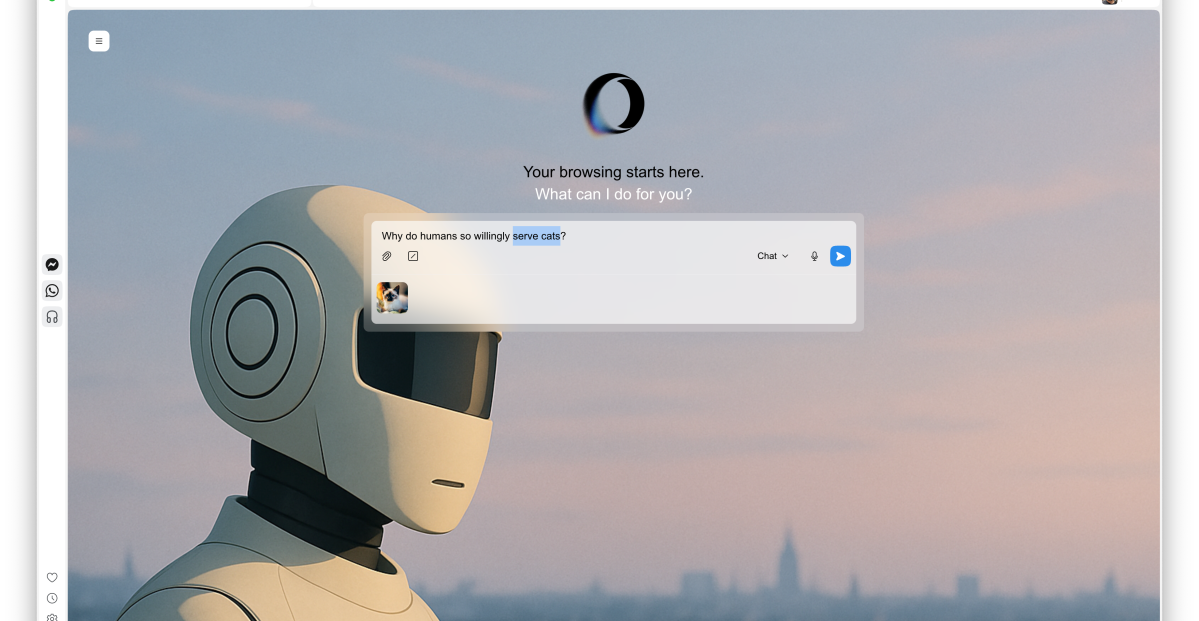
Opera's Neon browser showcases the complexity and current limitations of AI-powered browsers, featuring three AI bots (Chat, Do, Make) that can perform various tasks but often lead to confusion and reliability issues. Despite innovative features like integrated AI tools and a subscription fee of $19.90/month, Neon feels more like a work-in-progress than a polished product, raising questions about its value compared to free alternatives.

Mozilla Firefox's innovative 'Shake to Summarize' feature, which allows users to shake their phone to generate article summaries, received a special mention in TIME's Best Inventions of 2025, highlighting its impact on user experience. The feature is currently available on iOS in the US, with an Android version in development, and is part of Firefox's broader updates including new profile management capabilities.
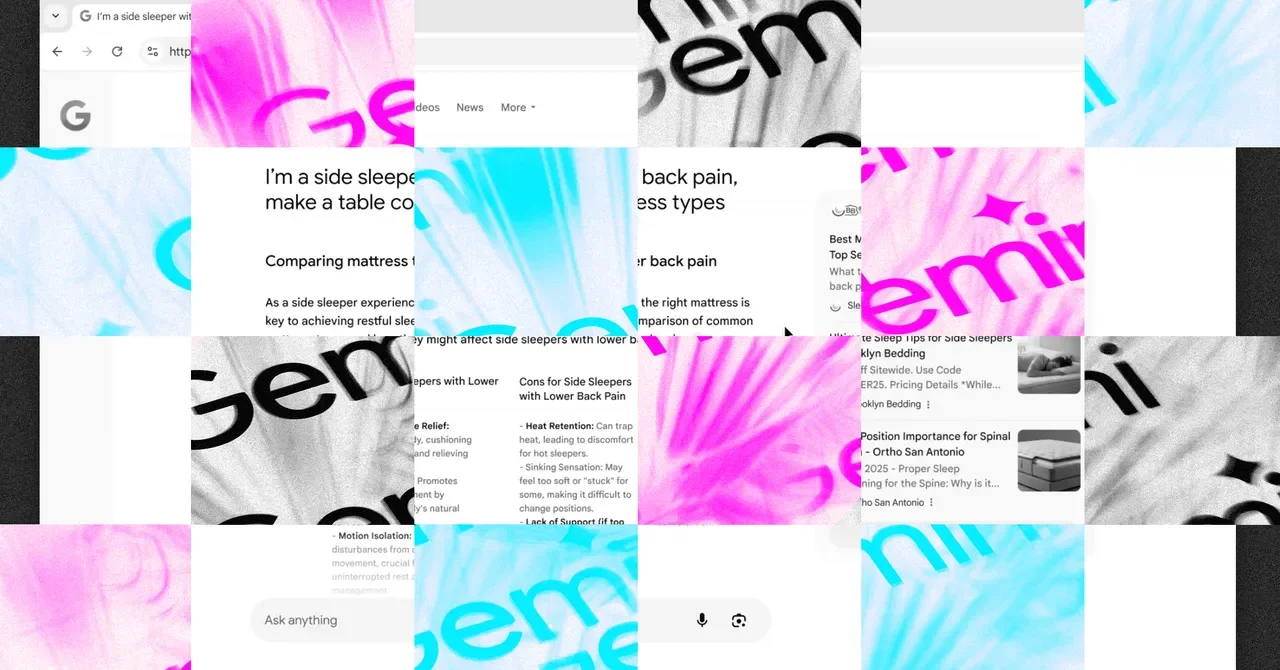
Google is integrating its Gemini AI chatbot into Chrome, adding new AI-powered search and research tools, marking a significant step in mainstream AI browser adoption, with some users seeking an off switch.
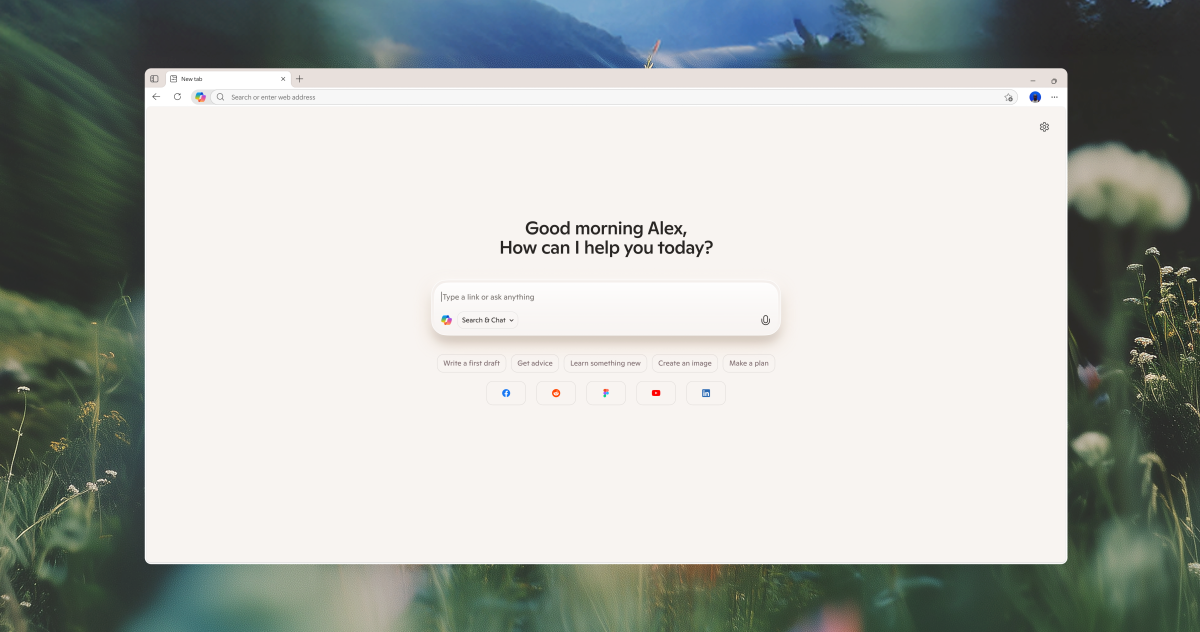
Microsoft is testing an experimental AI-powered Copilot Mode in Edge browser that can search across open tabs, assist with tasks like booking reservations, and is customizable and optional, with plans for future evolution and potential subscription-based features.
Google Chrome is introducing "Minimized Custom Tabs," a new feature that allows users to switch between a native app and web content via a picture-in-picture window. This update aims to enhance app engagement by keeping users within the app while browsing, and it is rolling out in the latest version of Chrome (M124).
Google Chrome is developing a new feature called "Create Theme with AI" that allows users to generate custom browser themes using artificial intelligence. Users can select a subject, art style, mood, and color options to fine-tune their theme. Although the feature is not yet active, it is expected to be released in the future as Google continues to integrate AI into its products.
Google Chrome on desktop platforms now displays "Memory usage" when hovering over a tab, allowing users to easily see which pages are consuming the most memory. This feature is more convenient than accessing the Task Manager through the overflow menu. It complements Chrome's existing Memory and Energy Saver modes, which optimize system resources by limiting background activity and freeing up memory from inactive tabs. The feature has been rolling out gradually and can be enabled through the browser's settings.
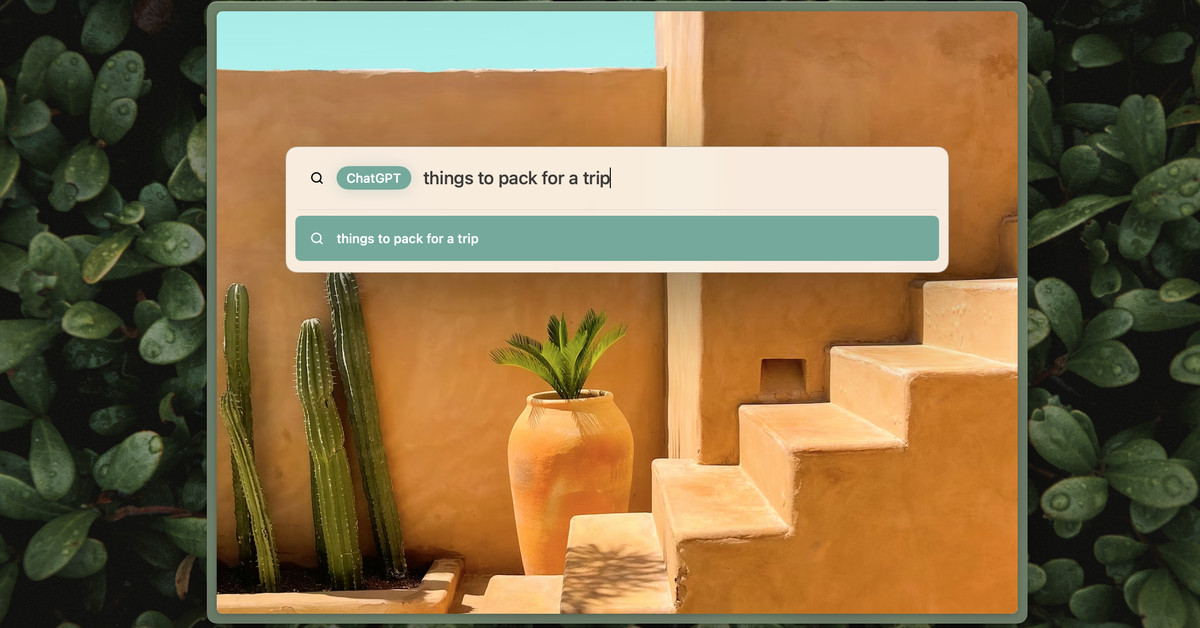
The Browser Company, creator of the Arc browser, has developed a set of AI-powered features called Arc Max. These features include Ask ChatGPT for asking questions, Tidy Tab Titles and Tidy Downloads for organizing tabs and downloads, Five-Second Previews for quick summaries of webpages, and Ask on Page for querying AI about specific webpages. The goal of these features is to enhance user experience without being intrusive or overwhelming. The Browser Company is seeking user feedback to determine which features to keep, and the Arc Max features will be opt-in to address privacy concerns. The company aims to find AI features that become standard in every browser.
Brave Browser is introducing new restriction controls that allow users to specify how long websites can access local network resources. This feature aims to enhance privacy by preventing websites from fingerprinting users or collecting information about their devices. Unlike other major browsers, Brave will block requests to localhost resources from both secure and insecure public sites, while still maintaining compatibility for trusted sites. Users can manually grant permission to access localhost resources, and Brave will use filter list rules to block scripts and sites that abuse this access.