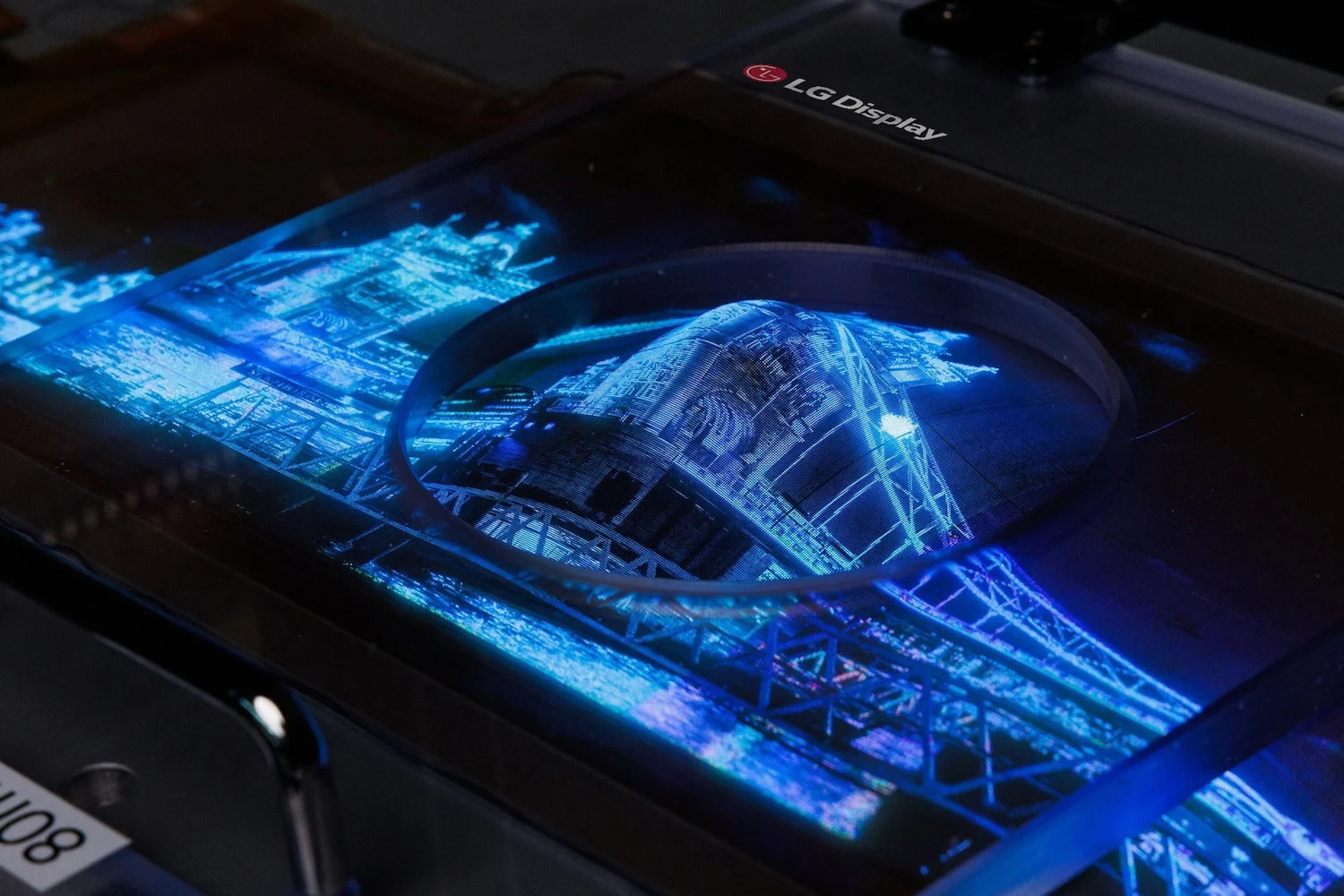
LG has unveiled a new stretchable screen that can extend up to 50% of its original size, using a material similar to that in contact lenses. This microLED display is self-emitting and can be twisted and stretched over 10,000 times without losing image clarity. While its 100 ppi resolution is lower than current smartphone standards, LG envisions applications on irregular surfaces, such as clothing for real-time information. However, the high cost of microLED technology means consumer availability is still far off.
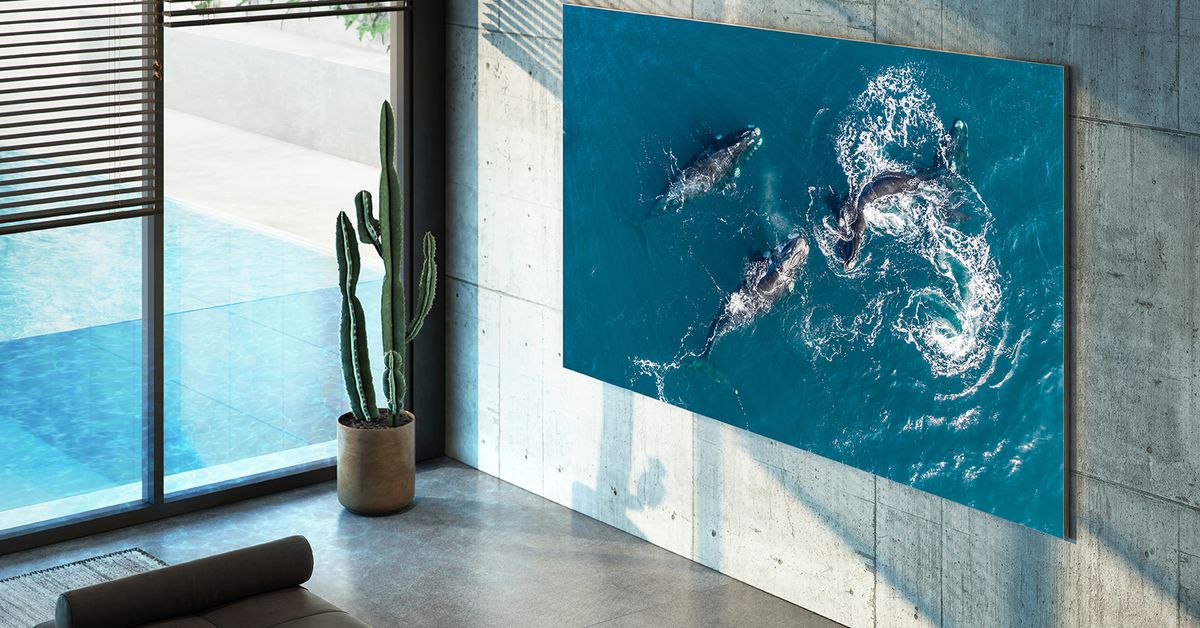
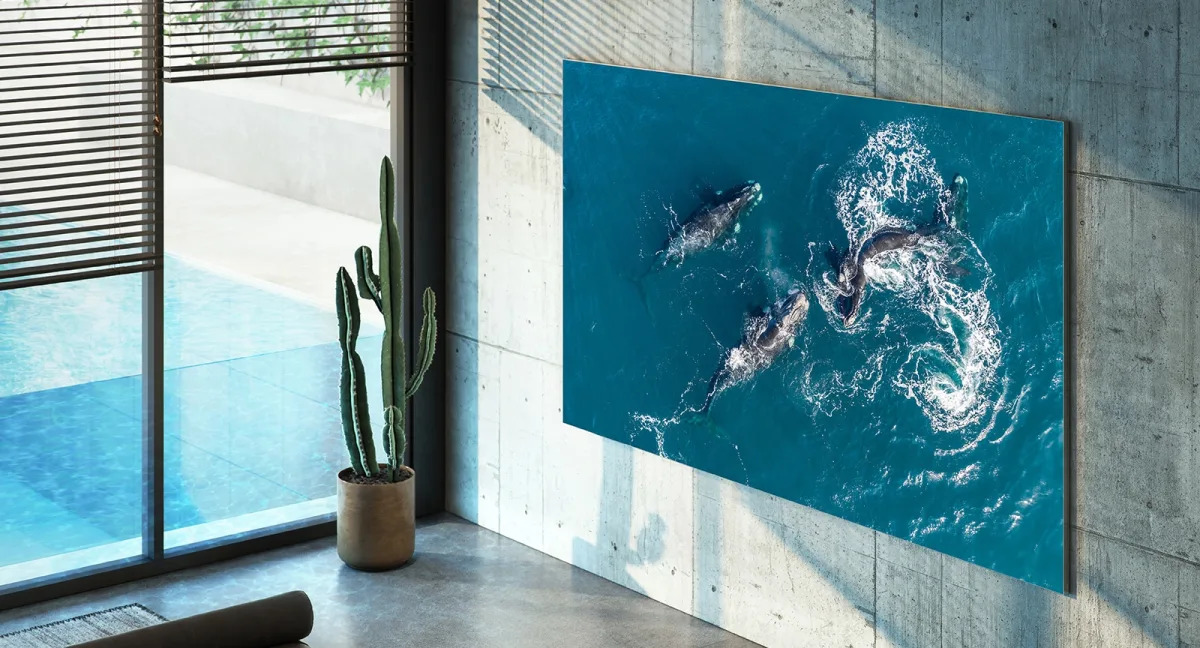
Samsung has unveiled new MicroLED TVs priced between $109,999 and $149,999, with sizes ranging from 89 to 114 inches. These TVs offer self-emitting LEDs for deep blacks and high contrast without burn-in risk, and are currently sold out on Samsung's online store.
Samsung has launched new MicroLED TVs starting at $110,000, offering superior contrast and color quality in sizes up to 114 inches. Despite the high price, these TVs feature advanced sound and AI upscaling technologies.
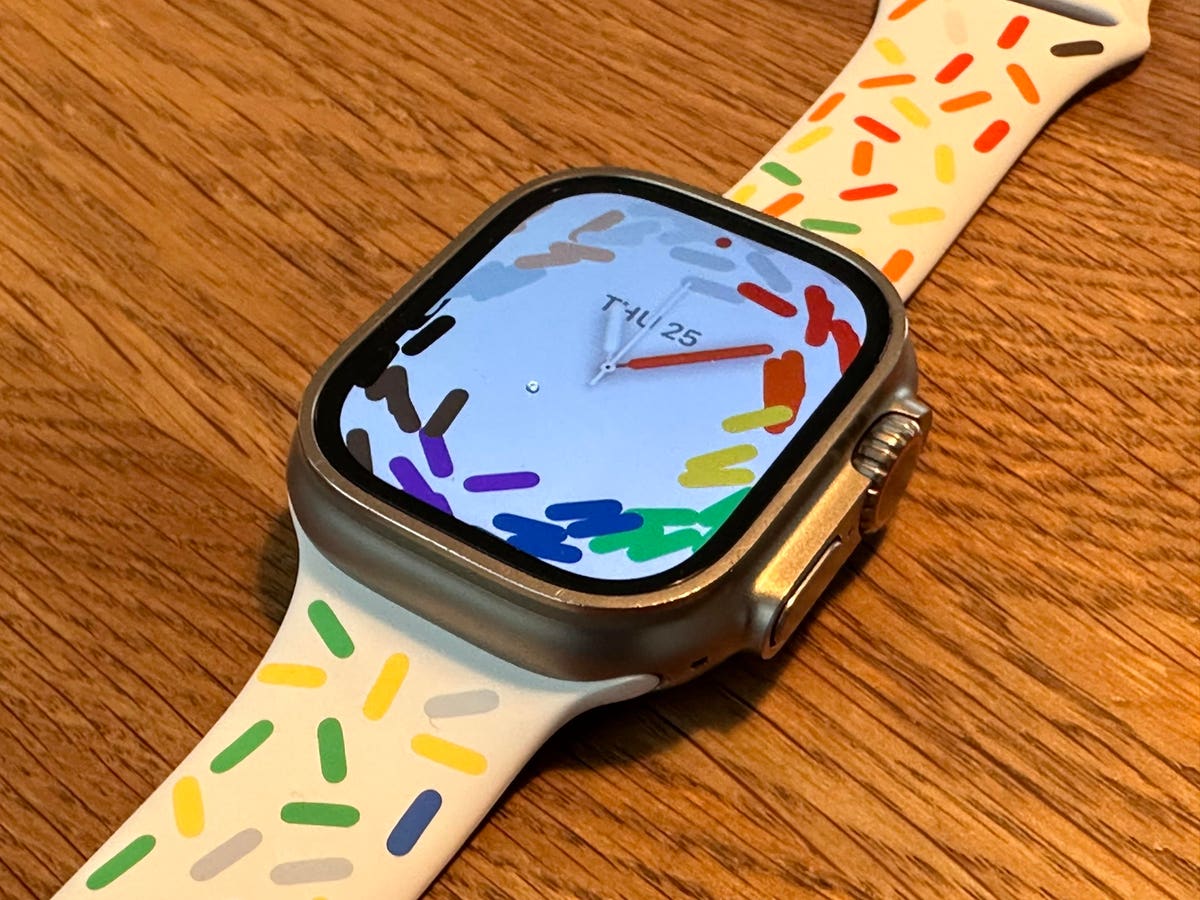
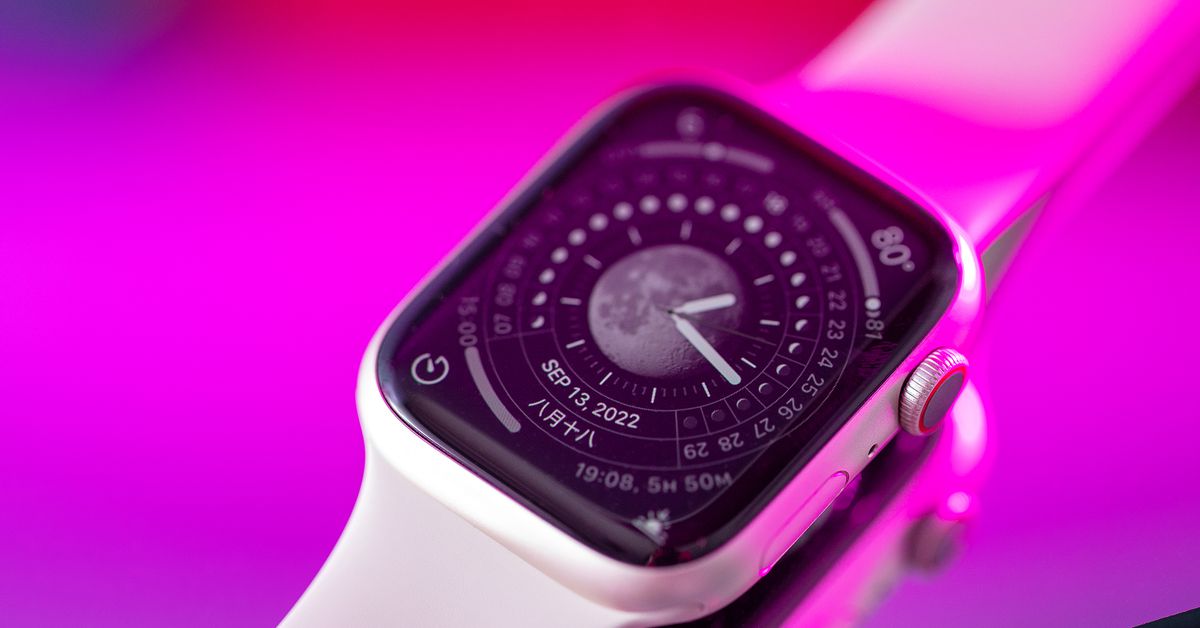
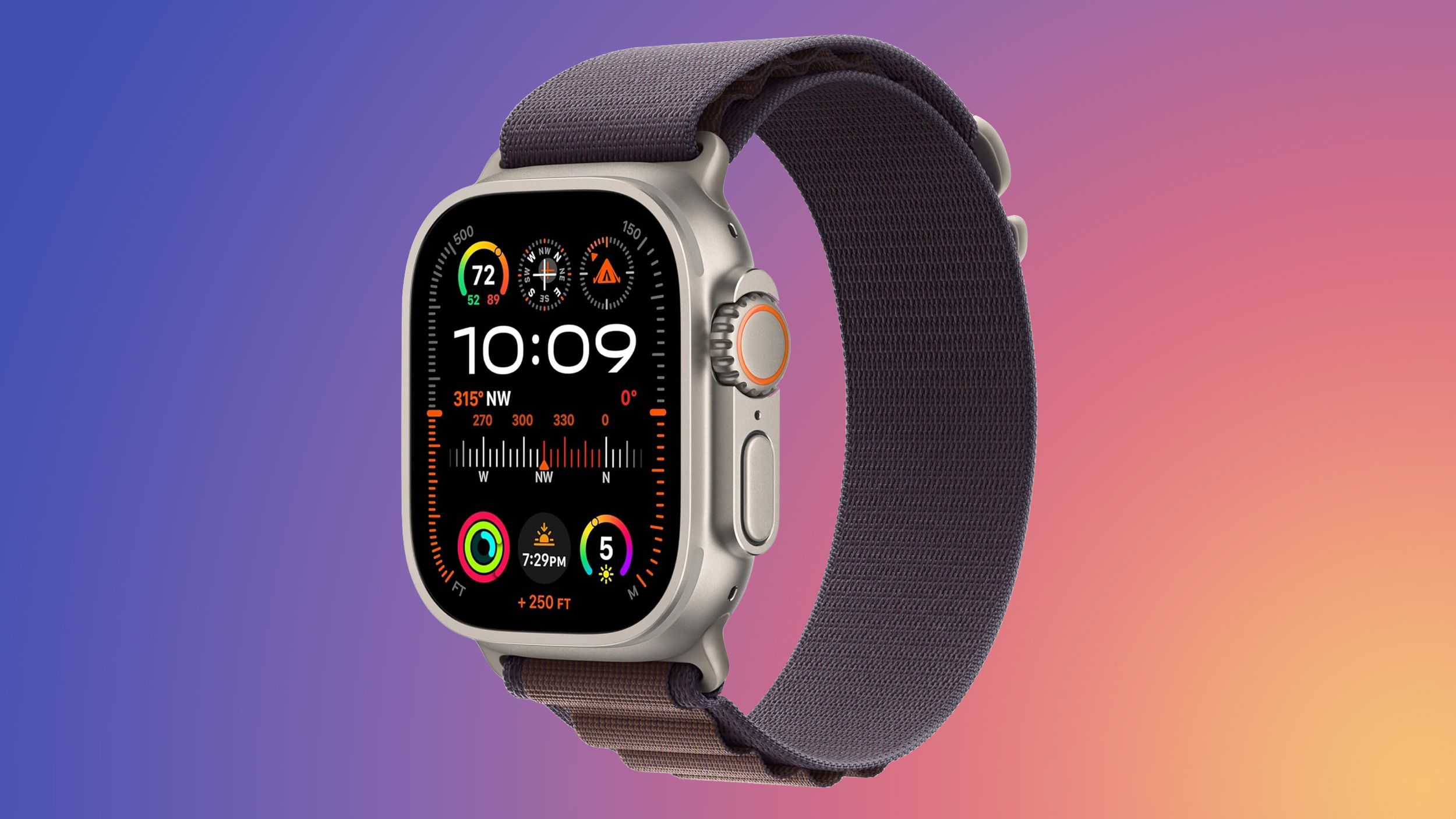
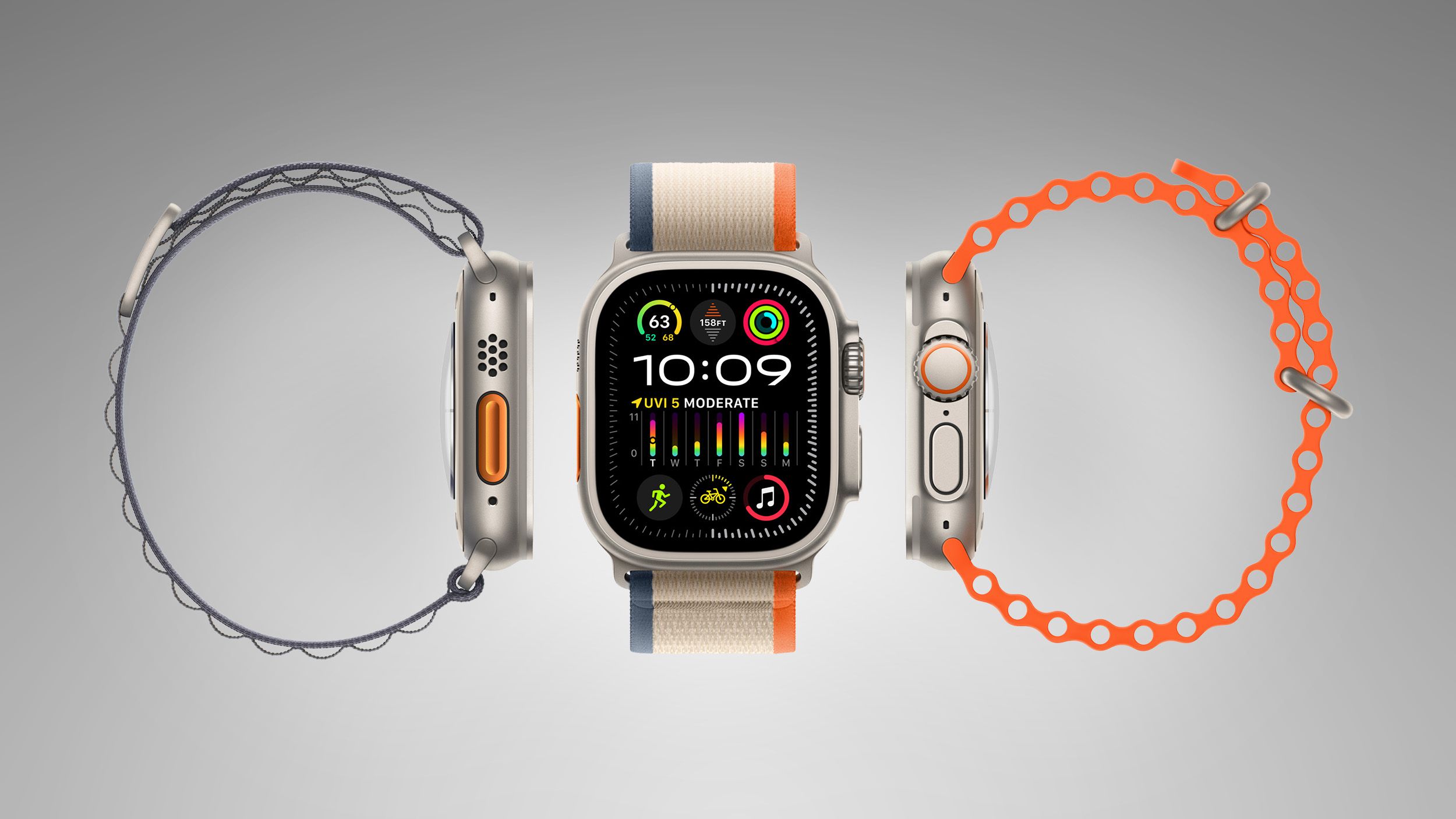
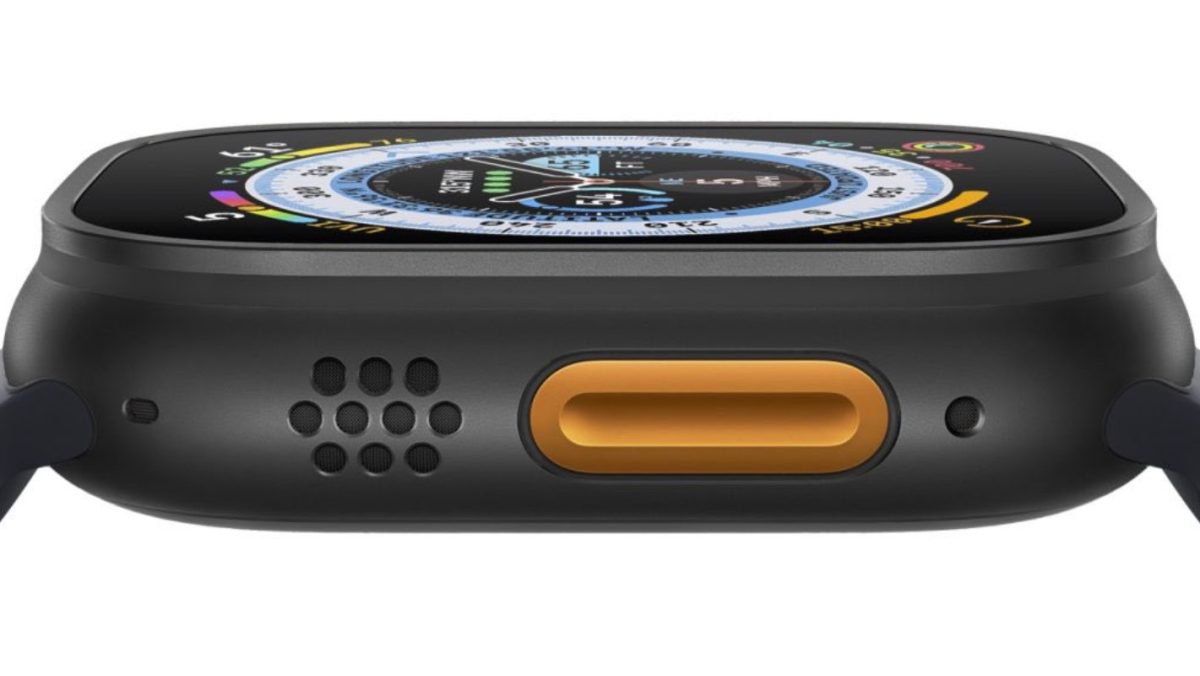
Apple's plans for a future Apple Watch Ultra with a microLED display have reportedly been abandoned, following the cancellation of a long-running project to design its own smartwatch displays. The company had seen promise in microLED technology for its vibrancy, brightness, and power efficiency, and had aimed to eventually incorporate it into all its products. However, manufacturing partners involved in mass production tasks for microLED projects have reportedly lost contracts, leading to uncertainty about the future of microLED at Apple. While the company is said to be exploring potential new suppliers and processes, any new products utilizing microLED are likely years away.
Apple has reportedly abandoned its plans to develop a MicroLED display for the Apple Watch due to high production costs and complexity, leading to the discontinuation of the project and the elimination of several dozen engineering jobs. While the company is still exploring new suppliers and processes for incorporating MicroLED technology, it remains unclear what specific benefits a MicroLED display would bring compared to the current OLED display used in the Apple Watch.
Apple has abandoned its plans to develop microLED displays for the Apple Watch Ultra due to the technology being too expensive and complex to design. The company is reorganizing its display engineering teams and laying off employees in the U.S. and Asia, with some being offered other roles within the company and others receiving severance. Apple will continue to use OLED display technology for the Apple Watch "for now," but is "eyeing microLED for other projects down the road."
The microLED Apple Watch Ultra project may have lost another key supplier, as manufacturing equipment company Kulicke & Soffa revealed that a "strategic customer" canceled a project related to advanced display technology, potentially linked to the microLED Apple Watch. This follows a similar move by Apple supplier AMS-Osram, indicating that at least two major suppliers are no longer involved. While some sources believe Apple has canceled the project, others suggest the company is seeking alternative suppliers. As a result, the microLED Apple Watch Ultra appears to remain several years away at a minimum.
Reports suggest that Apple may not have abandoned its plans for a microLED display on the Apple Watch Ultra, despite previous rumors. The potential benefits of microLED technology include enhanced brightness, color accuracy, longevity, and power efficiency. While a microLED smartwatch is expected within two months, it is likely to be from Tag Heuer rather than Apple. The rumored Apple Watch Ultra 3, expected in 2025, could be the first Apple Watch to feature a microLED screen, though the release timeline remains uncertain.
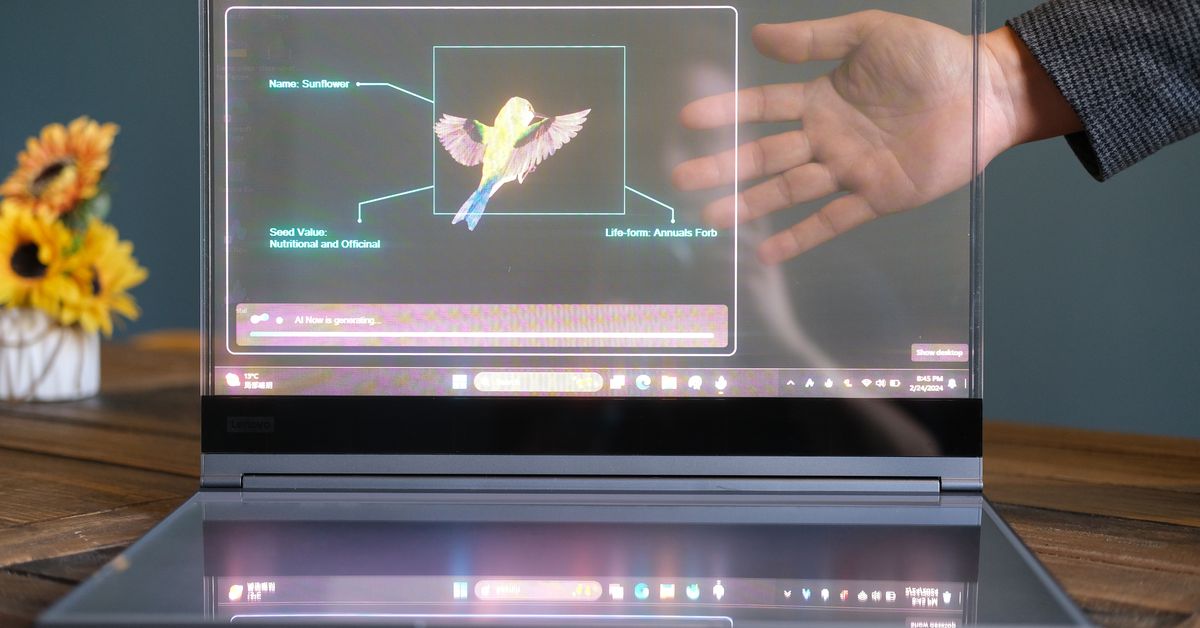
Lenovo has unveiled a laptop concept with a transparent 17.3-inch Micro-LED display at the Mobile World Congress in Barcelona. The ThinkBook Transparent Display Laptop Concept, also known as Project Crystal, features a detachable see-through base that can be used as a keyboard or tablet, with keys projected onto its nano-optical glass surface. The device also incorporates AR capabilities and a rear-facing camera, allowing users to interact with physical objects and overlay digital information. While Lenovo has no immediate plans to bring the laptop to market, the concept showcases potential uses for future technologies.
Lenovo unveils its ThinkBook Transparent Display Laptop, featuring a bezelless 17.3-inch MicroLED display with up to 55% transparency. The concept device aims to offer practical uses for digital artists and incorporates AI object recognition to identify items placed behind the laptop. However, challenges such as resolution and the flat touch keyboard need to be addressed before potential commercialization. While Lenovo has no immediate plans to release the laptop, it hopes to spark a public conversation about its potential applications and aims to integrate its technologies into a real laptop within the next five years.
Apple has delayed the release of the microLED version of the Apple Watch Ultra due to supply chain constraints, impacting the company's revenue. The cost of producing a 2.12-inch microLED display is reported to be $150, compared to $38 for the current OLED panel, making it four times higher. This delay could affect the planned launch of the microLED Apple Watch Ultra, which was previously rumored to arrive in 2026, and may also impact the future incorporation of microLED displays in other Apple products.
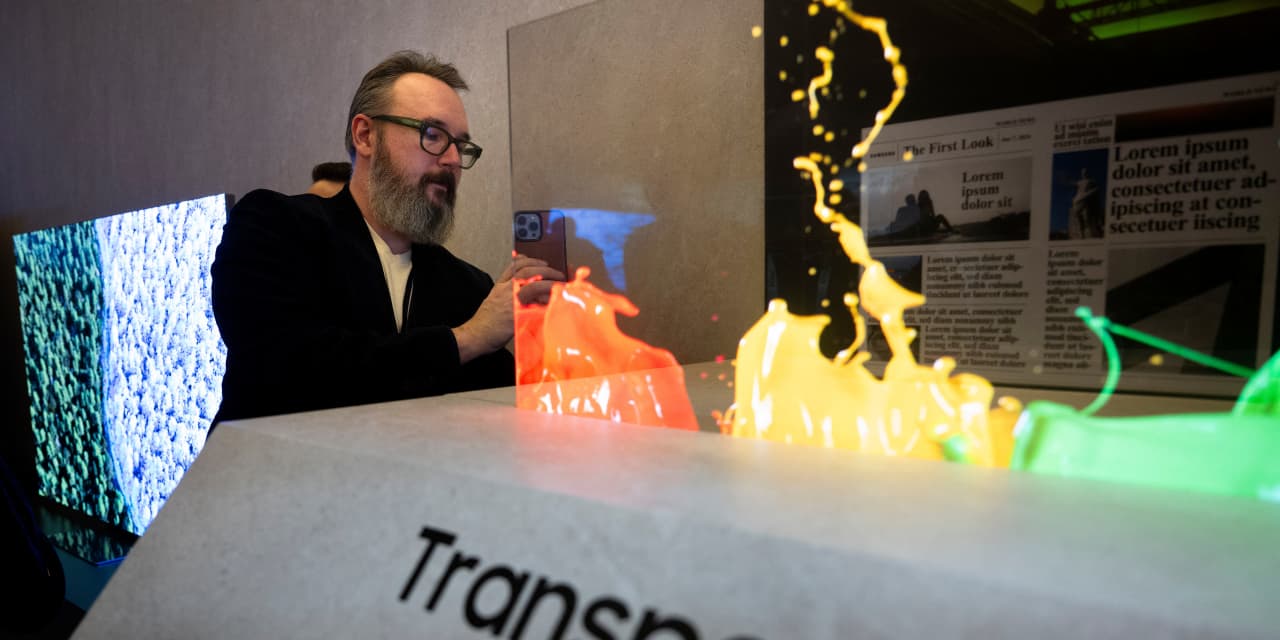
Samsung announced several new products at CES 2024, including the world's first transparent MicroLED screen, the return of the Ballie robot with a built-in projector, new TVs, projectors, a smart monitor, and a Music Frame speaker. The company also introduced a new interface for its TVs that allows them to be used as smart home hubs. Additionally, Samsung is expected to launch its chatbot Gauss in the forthcoming Galaxy S24 devices.
Samsung debuted the world's first transparent MicroLED display at CES 2024, showcasing its brightness, frameless design, and transparency compared to transparent OLED and LCD models. The cost and availability of this technology in retail devices are still unknown. LG also unveiled a wireless transparent OLED TV called the OLED T, featuring 4K resolution and wireless transmission technology for audio and video.
Samsung unveils the world’s first transparent MicroLED display at CES 2024, showcasing its frameless design and transparent glass panel, alongside AI-powered smart home appliances, but did not disclose pricing or availability.
Samsung unveiled the world's first transparent MicroLED display at CES 2024, showcasing three different designs with the ability to display content that appears like a hologram floating in mid-air. The displays, which are only about a centimeter thick, boast high pixel density and are less impacted by ambient light compared to transparent OLED panels. However, with Samsung's current non-transparent MicroLED TVs priced at $150,000 for a 110-inch model, it may be a while before these new displays become affordable for consumers.