Apple's Foldable Devices: Launches and Features Expected by 2028
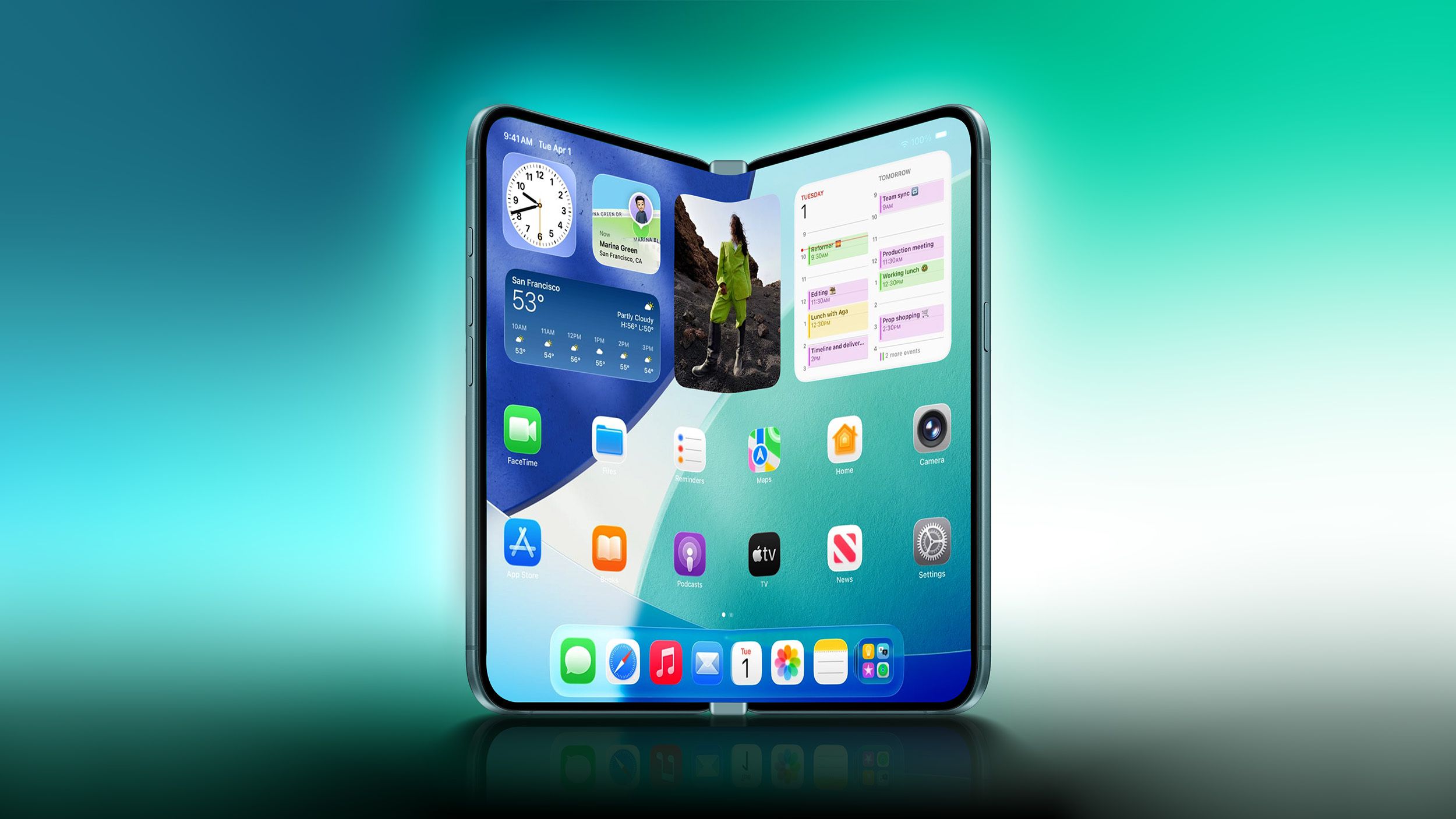
A foldable iPhone is expected to be released in 2026, followed by a foldable iPad in 2028, indicating Apple's upcoming focus on flexible display technology.
All articles tagged with #flexible displays

A foldable iPhone is expected to be released in 2026, followed by a foldable iPad in 2028, indicating Apple's upcoming focus on flexible display technology.

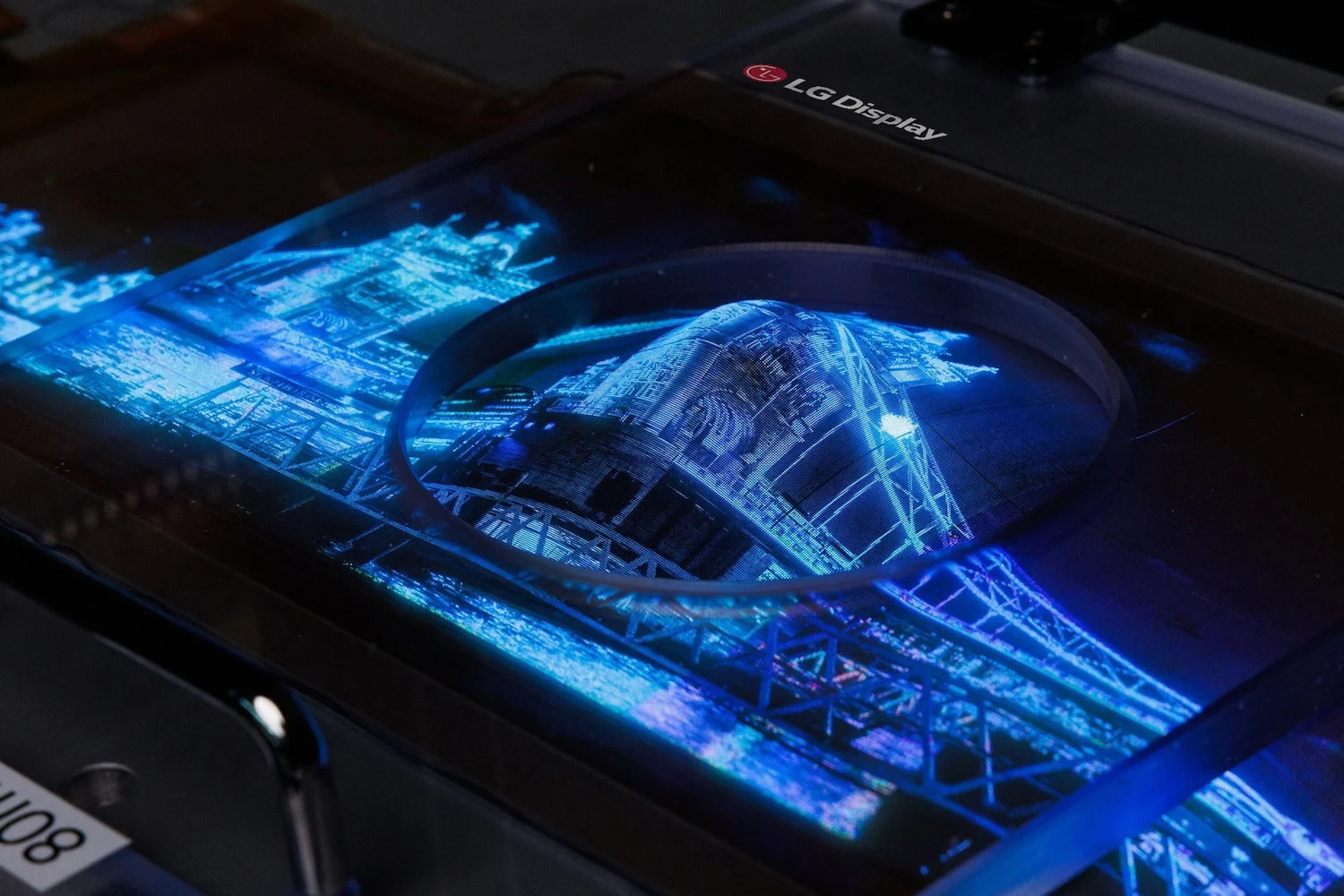
LG has unveiled a new stretchable screen that can extend up to 50% of its original size, using a material similar to that in contact lenses. This microLED display is self-emitting and can be twisted and stretched over 10,000 times without losing image clarity. While its 100 ppi resolution is lower than current smartphone standards, LG envisions applications on irregular surfaces, such as clothing for real-time information. However, the high cost of microLED technology means consumer availability is still far off.

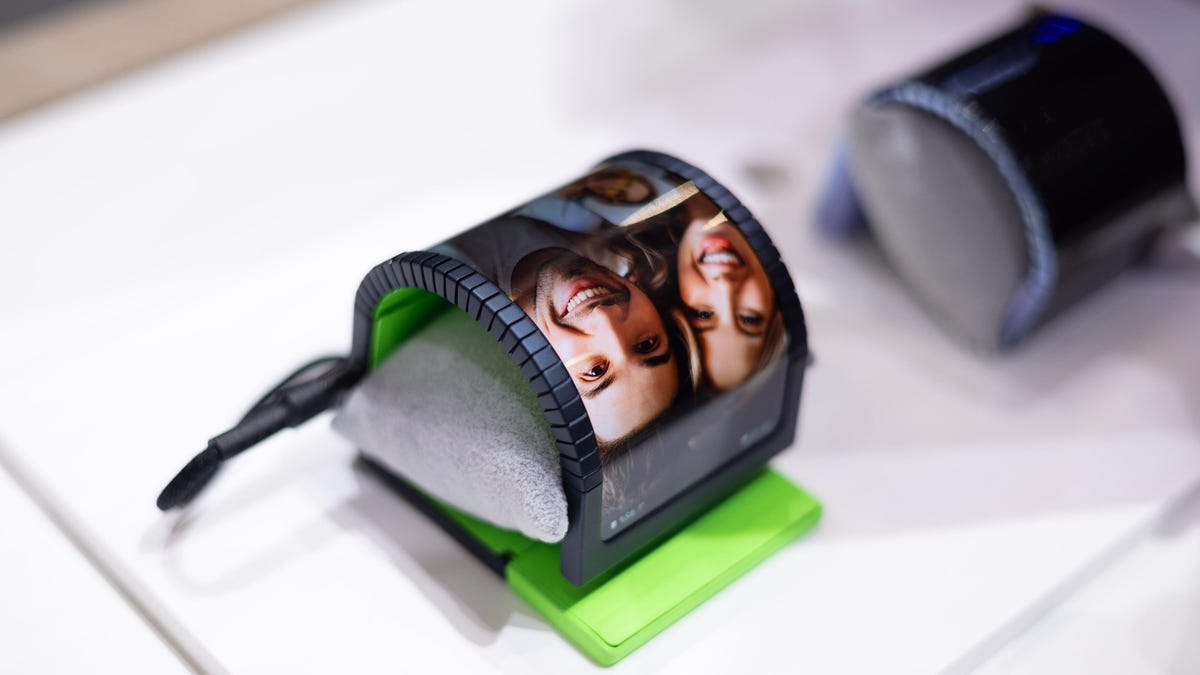
Samsung showcased its vision for future wearable technology at Mobile World Congress, including the Cling Band concept, a wrist-worn phone that can bend and curve around the wrist. The company also presented other innovative concepts such as the Flex Magic Pixel for privacy-adjustable screens, OLED panels in headphones and car keys, and teased rollable and flexible displays. While these concepts are still in the experimental stage, Samsung's display team's creativity hints at potential future products.
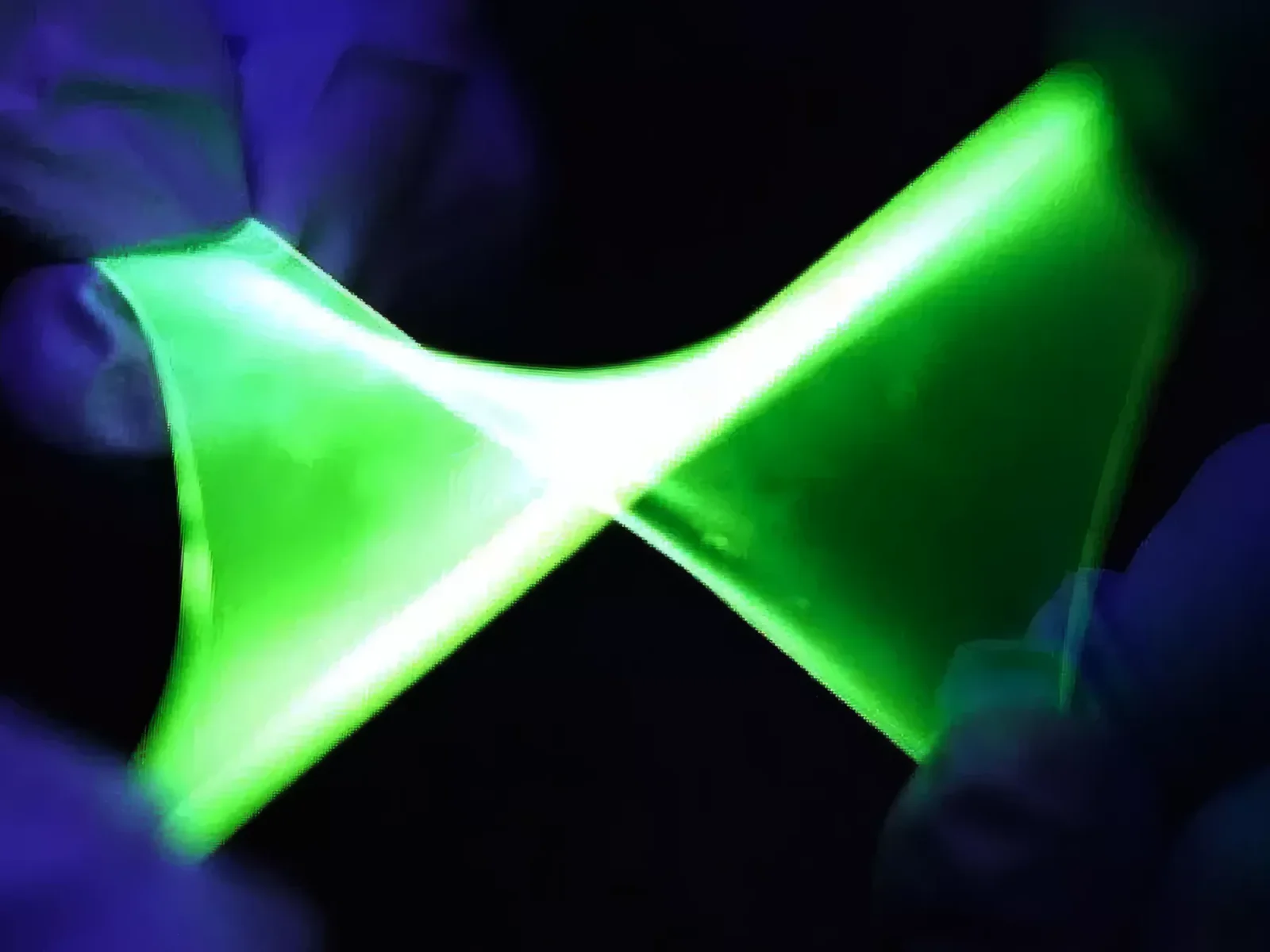
Engineers at the University of Illinois Urbana-Champaign have developed flexible displays using capillary-controlled robotic flapping fins and liquid droplets, inspired by the morphing skins of animals like chameleons and octopuses. These displays can change color, convey information, and send messages via infrared radiation. The displays are 1,000 times more energy efficient than LED screens and can achieve complex motions, such as simulating the opening of a flower bloom. The technology allows for the creation of images on curved surfaces and the ability to send two simultaneous signals, visible to the human eye and infrared cameras. However, the displays are sensitive to gravity and require further development to overcome this limitation.