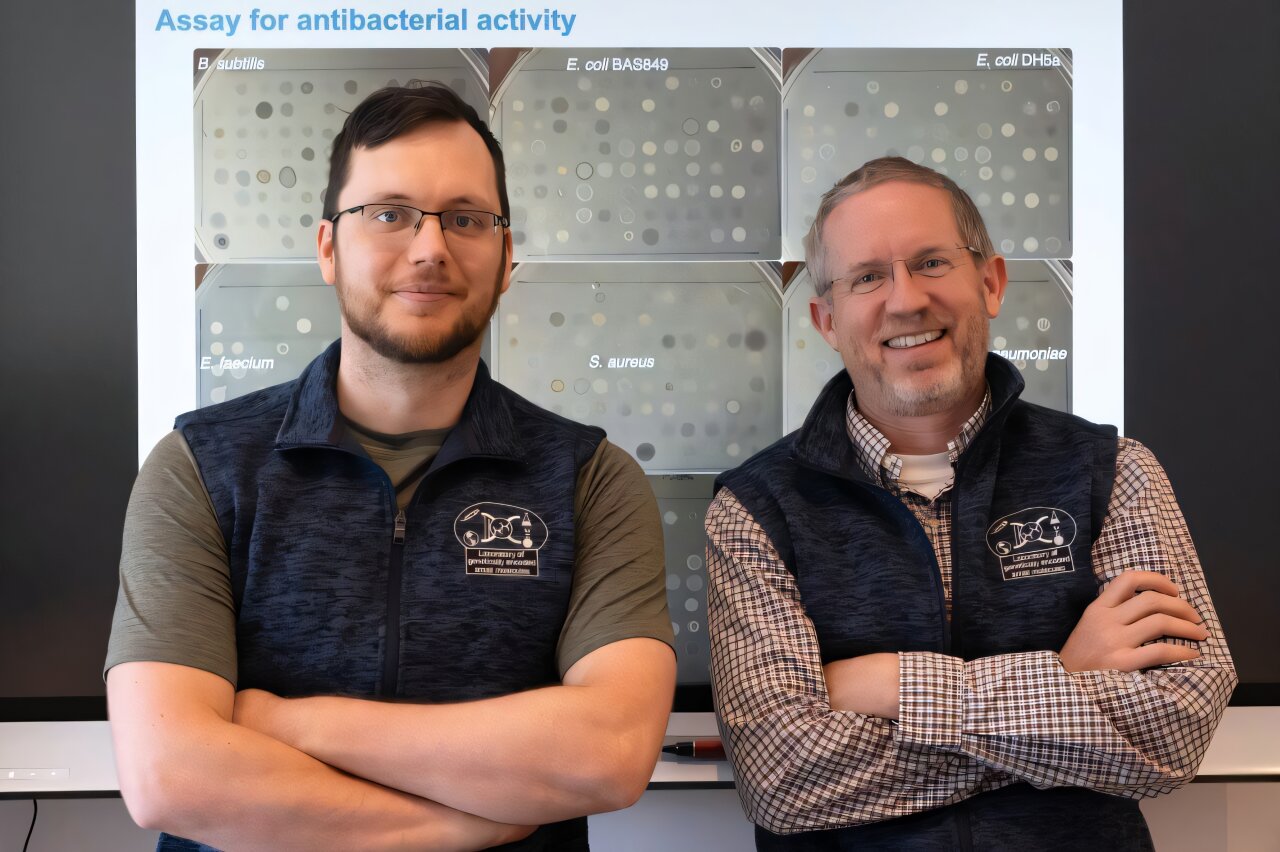
A team at Rockefeller has developed a new method to extract and analyze large DNA sequences from soil microbes, leading to the discovery of hundreds of new genomes and promising antibiotic candidates, potentially revolutionizing microbiology and drug discovery.
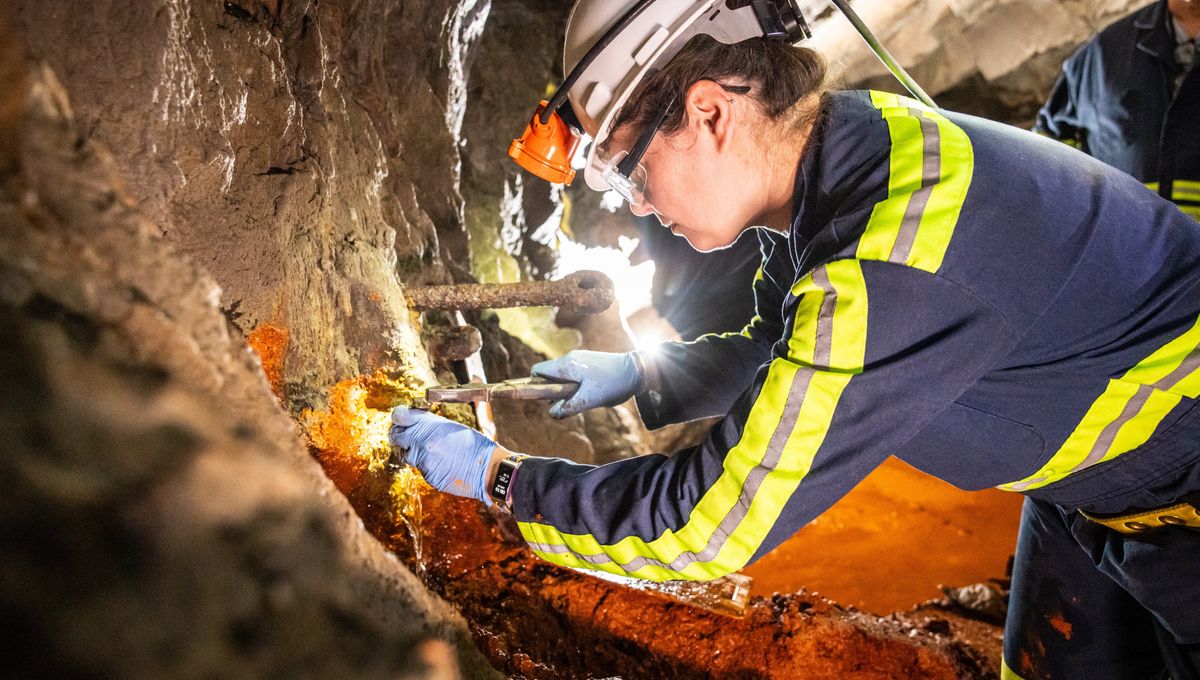
Scientists studying the deep subsurface biosphere have discovered a wealth of "microbial dark matter" deep within a gold mine in South Dakota. By sequencing microbial DNA from samples taken at the Deep Mine Microbial Observatory, researchers identified nearly 600 genomes from various microbial species. These organisms, often referred to as "minimalists" or "maximalists," have specialized jobs or the ability to utilize any available resource. The findings shed light on the vast and diverse world of microbial life beneath the Earth's surface and may have implications for the search for extraterrestrial life.
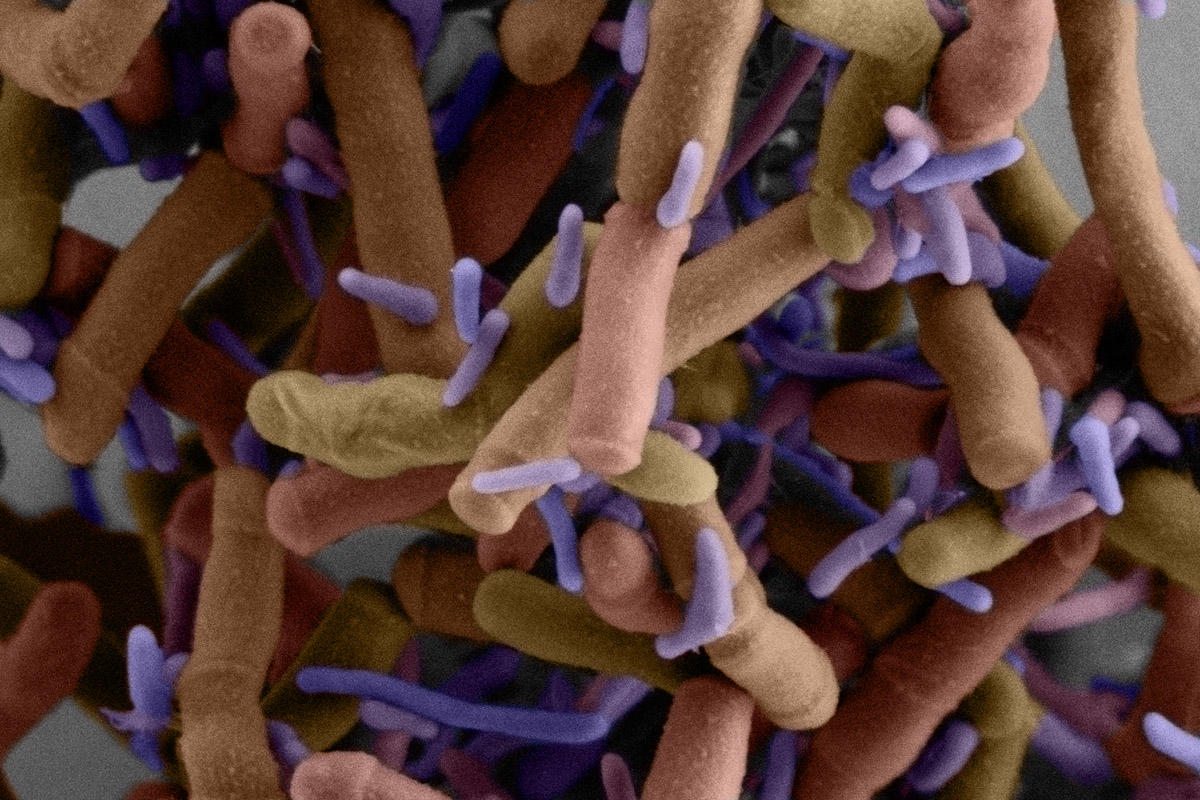
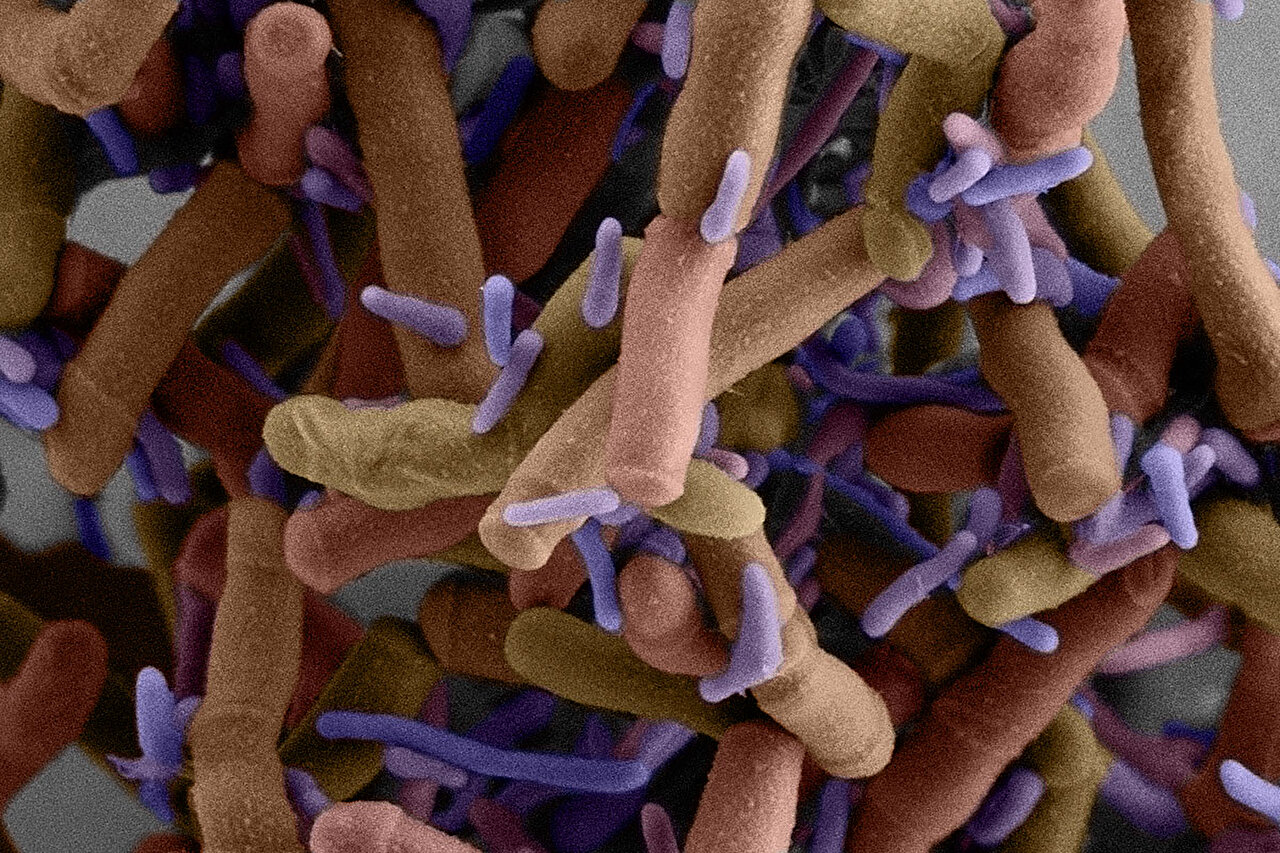
Scientists have made a breakthrough in understanding the unusual lifestyle of Patescibacteria, a group of elusive and poorly understood microbes. By genetically manipulating these bacteria, researchers have identified the genes essential for their growth and revealed some of the molecular mechanisms behind their interaction with host bacteria. This discovery opens up new research directions and sheds light on the "microbial dark matter" found in genetic analyses of microbial communities. The study focused on Saccharibacteria, which inhabit various environments including the human mouth, and uncovered cell surface structures and secretion systems that facilitate their attachment to host cells and nutrient transport. Further genetic manipulation studies are expected to uncover more about the biological mechanisms of these mysterious bacteria.
Researchers have made a breakthrough in understanding the lifestyle of Patescibacteria, a group of tiny microbes that rely on other bacteria to survive. By genetically manipulating these bacteria, scientists have gained insight into their molecular mechanisms and identified genes essential for their growth. This research sheds light on the "microbial dark matter" found in genetic analyses of microbial communities and has potential applications in biotechnology. The study focused on Saccharibacteria, which inhabit the human mouth and require Actinobacteria as hosts. The findings reveal the complex lifecycle of Saccharibacteria and open the door to further exploration of their unique biology.