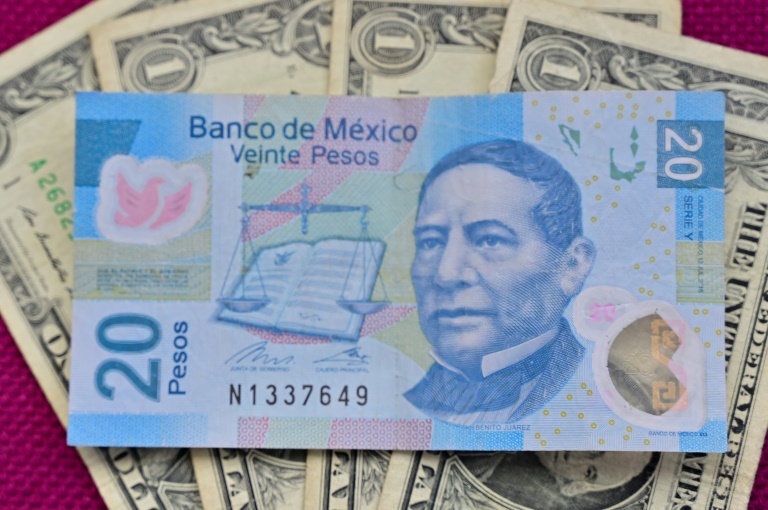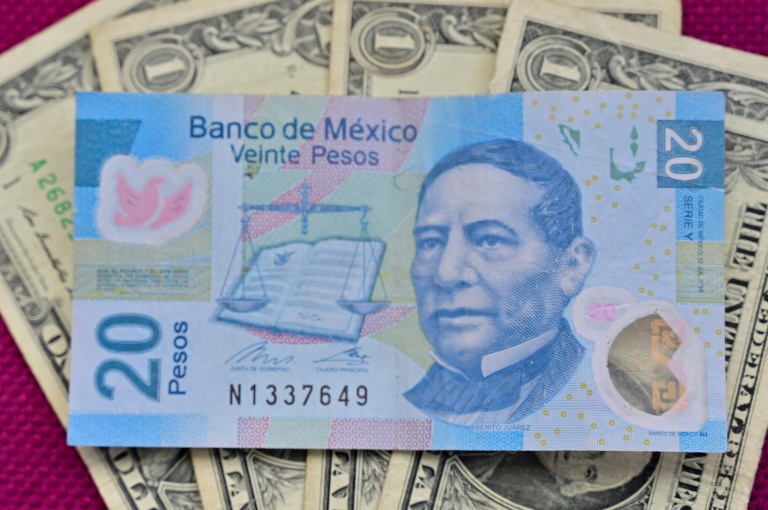
U.S. stocks showed mixed performance as investors awaited the Federal Reserve's meeting minutes, with a 59% chance of a December rate cut. The Mexican peso fell to over two-year lows after President-elect Trump proposed 25% tariffs on Mexican and Canadian imports, causing volatility in both currencies. U.S. Treasury yields rose, while gold remained stable and oil prices dipped. Major U.S. indices had varied performances, with notable stock movements including declines in automakers and mixed reactions to earnings reports.
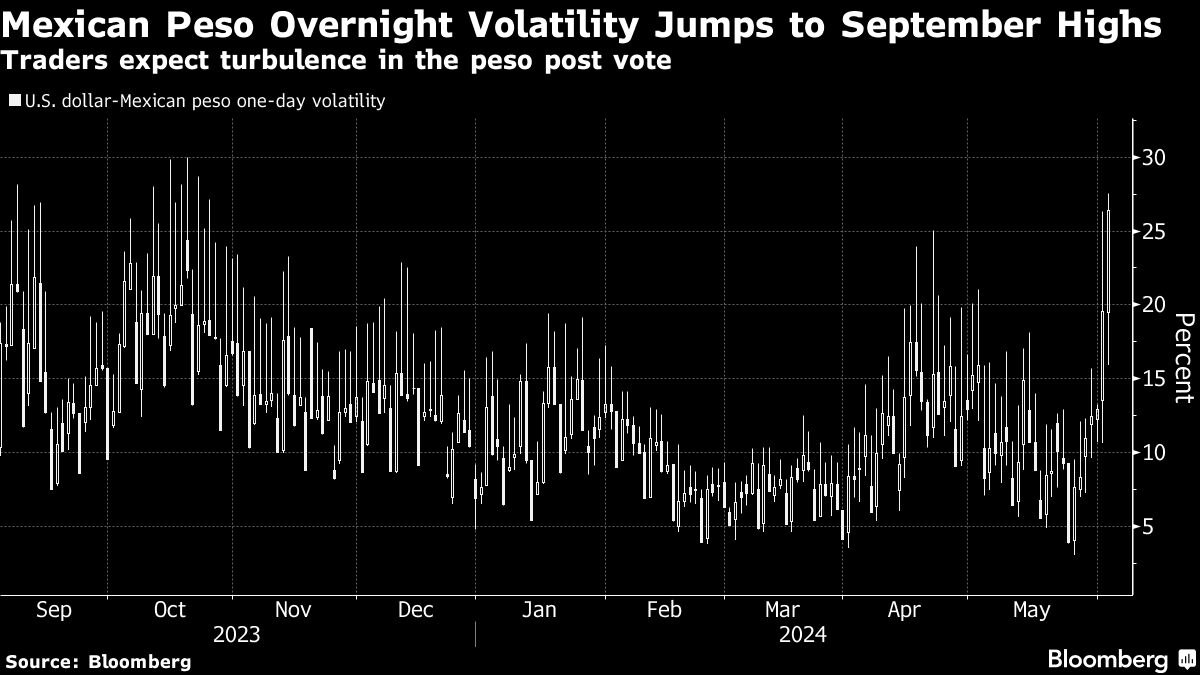
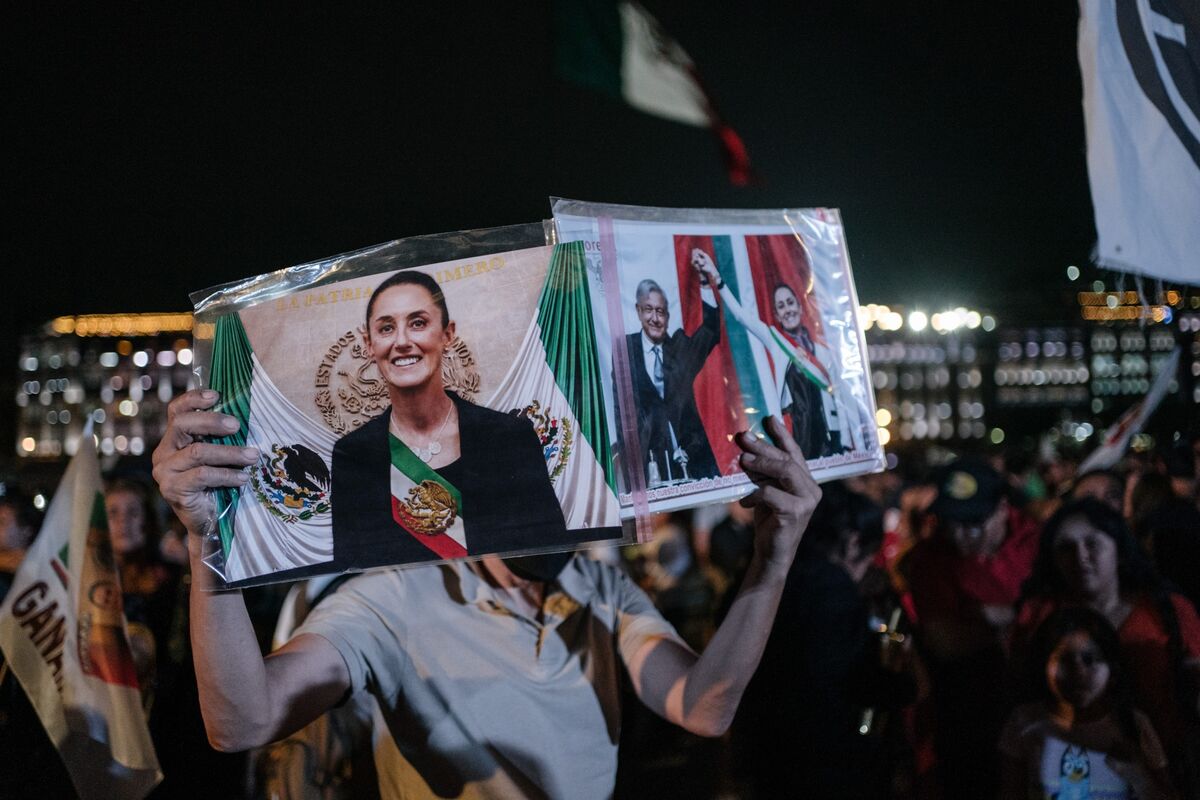
The Mexican peso fell sharply for a second consecutive session following a surprising landslide election victory by the ruling Morena party, raising investor concerns about potential constitutional changes and increased state interference in the economy. The peso dropped as much as 2.9% to 18.1936 per dollar, adding to a 3.8% loss on Monday, while Mexico's benchmark stock index sank 6.1%. Analysts suggest that market stabilization may occur if the new leadership, particularly Claudia Sheinbaum, reassures investors by avoiding major controversial changes.
Mexican stocks and the peso fell sharply after the ruling Morena party's strong election performance raised fears of potential constitutional changes that could impact market stability. Claudia Sheinbaum's landslide presidential victory and the possibility of a super-majority in Congress have unsettled investors, leading to significant market losses.
The Mexican Peso experienced its worst single-day performance in four years, dropping 3.4% after Claudia Sheinbaum won the presidential election with a historic 58.5%-60% of the vote. The IPC index also fell 0.3%. Market concerns stem from her coalition's potential supermajority, which could enable significant constitutional reforms. Despite her focus on social programs and economic development, Sheinbaum is expected to maintain the central bank's independence.
The Mexican peso dropped 2.9% against the dollar following Claudia Sheinbaum's election victory, as traders fear her potential anti-market reforms with a strong congressional majority. Mexican assets, including dollar bonds and interest-rate swaps, also saw significant declines.
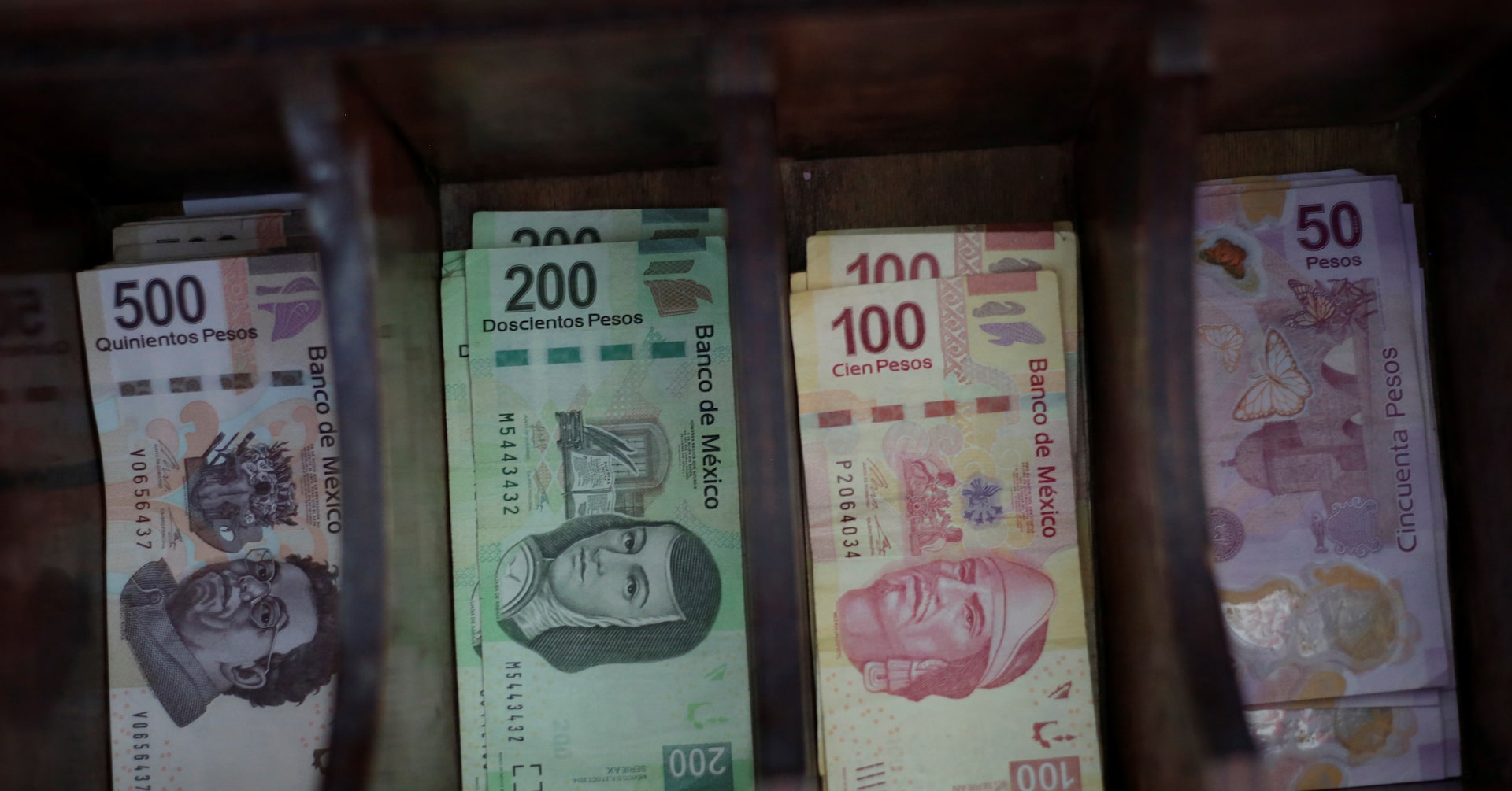
The Mexican peso has become one of the world's best performing currencies this year, thanks to high interest rates, financial stability, and inflows of remittances and foreign investment. The currency has posted double-digit percentage gains against the dollar in 2023, reaching its strongest levels since 2016. The peso's strength is partly due to the high level of the Mexican benchmark interest rate, which is now 11.25 percent, and the "nearshoring" trend of US companies moving their production closer to home in Mexico instead of Asia. However, the strong currency reduces the earnings of exporters, while financial analysts expect a slight depreciation in the Mexican currency due to narrowing interest rate differentials.