
Tag

Metal Clouds

All articles tagged with #metal clouds

science2 years ago

"Metallic Clouds Found on Mirror Planet: Astronomers' Discovery"

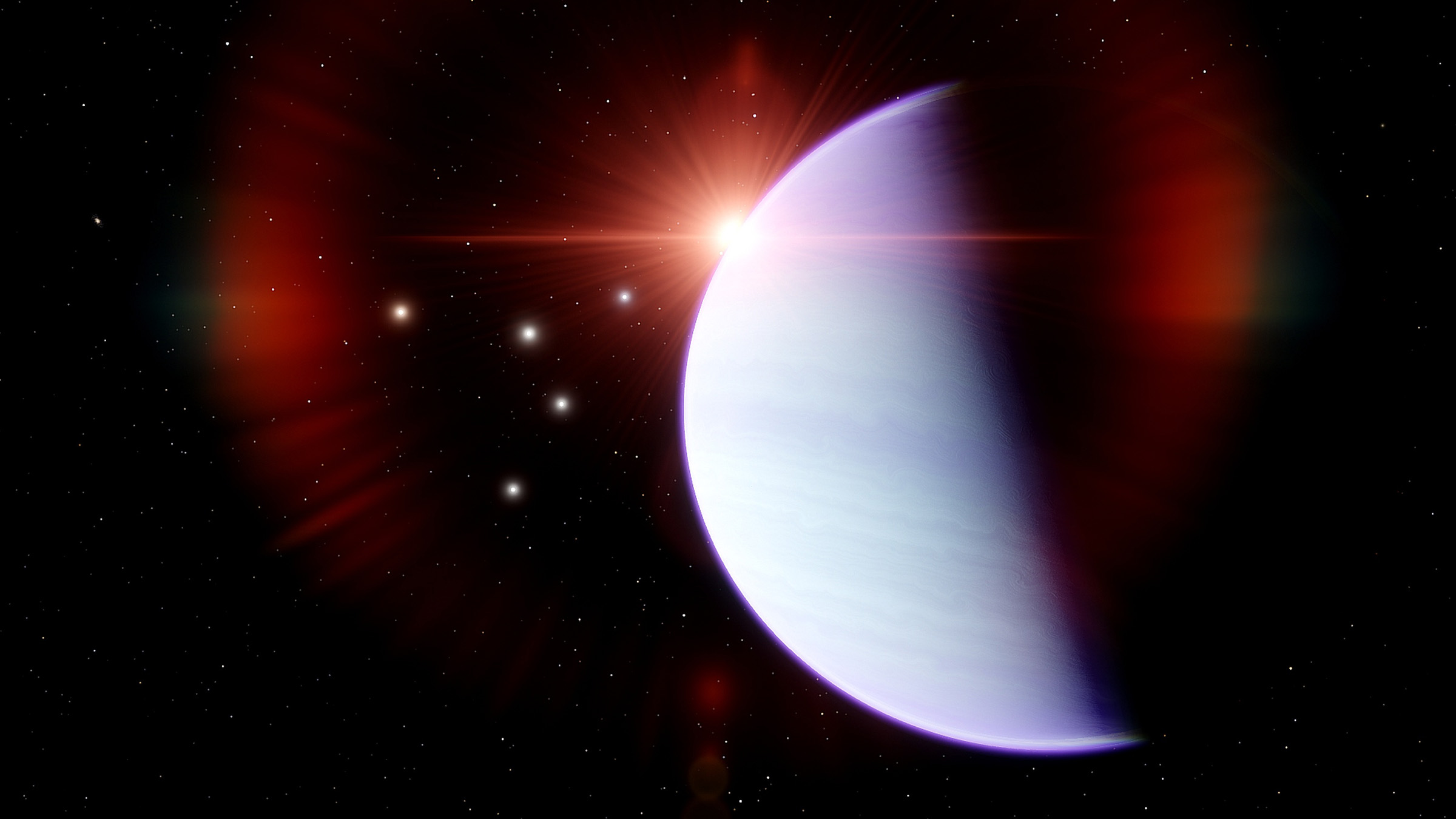
Astronomers have discovered an intriguing planet, LTT9779 b, located 260 light-years away from Earth, which reflects around 80 percent of its star's light despite its close proximity to the star. The planet, estimated to have a surface temperature of 2,000 degrees Celsius, is believed to have metal clouds made of silicate and titanate, creating a mirror-like effect. This discovery challenges previous assumptions about cloud formation in hot planets and highlights the complexity of our universe.
science-and-astronomy2 years ago

"Metallic Clouds Transform Exoplanet into Universe's Shiniest Mirror"

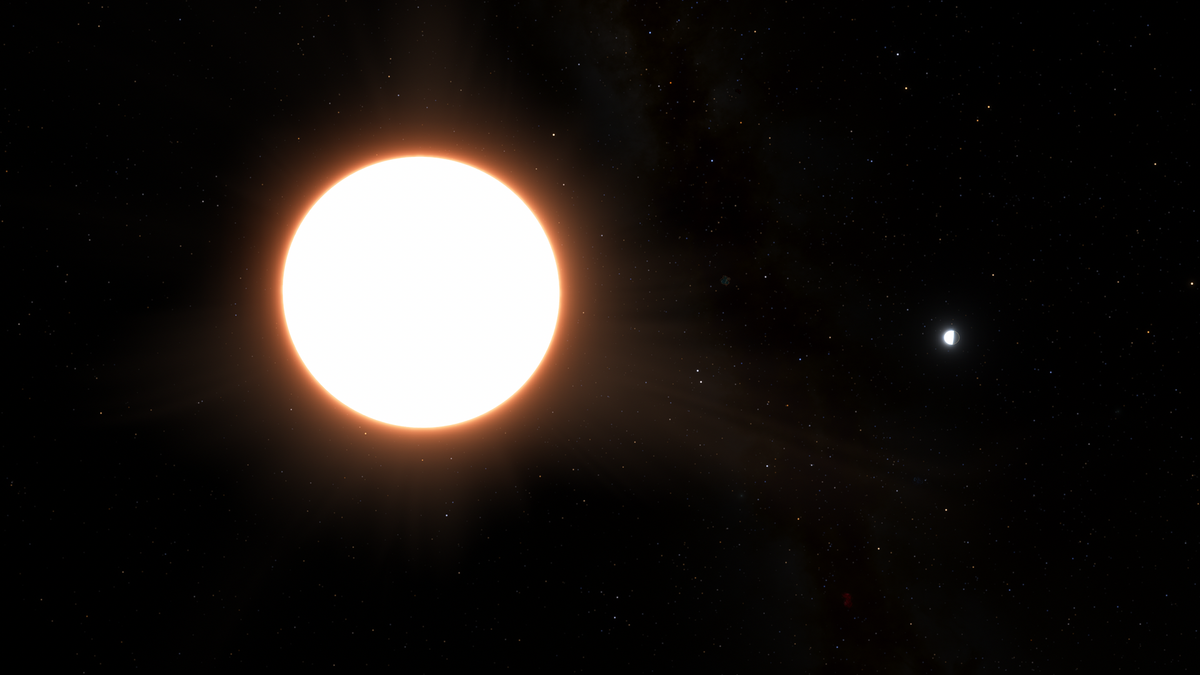
Astronomers have discovered an ultra-hot exoplanet, LTT9779 b, located 264 light-years from Earth, which reflects around 80% of the light from its parent star, making it the most reflective planet outside the solar system. The planet is covered by clouds of metal, acting like a cosmic mirror. LTT9779 b is almost five times the size of Earth, making it the largest cosmic mirror ever discovered. Its high reflectivity and the presence of metal clouds challenge previous theories about planet formation. The exoplanet is an example of a missing planet type, an ultra-hot Neptune, which has eluded astronomers for decades. Further study of LTT9779 b will provide insights into its atmosphere and other characteristics.

astronomy2 years ago

"Mirror-Like Exoplanet: Scientists Uncover the Shiniest and Most Reflective Planet in the Universe"

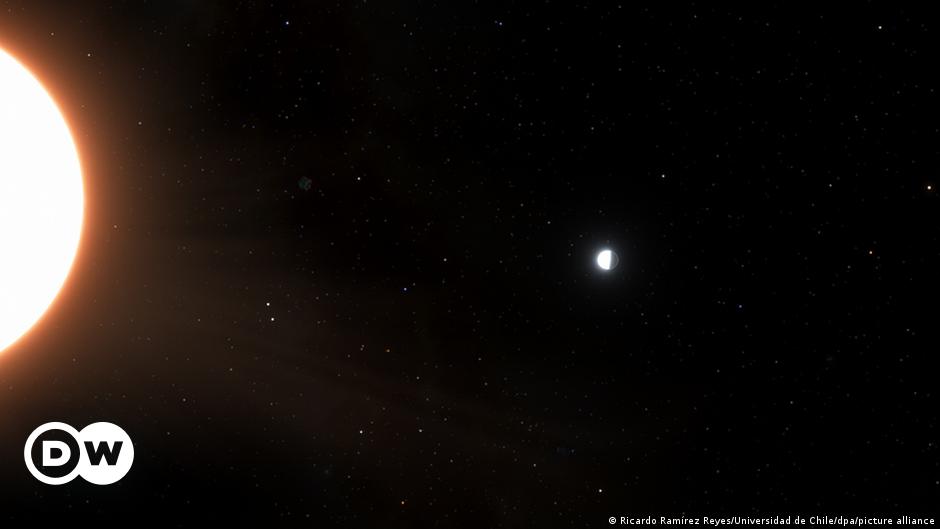
Scientists have discovered a scorching exoplanet, LTT9779b, with temperatures reaching up to 2,000 degrees Celsius. The planet, about the size of Neptune, has metal and glass-like clouds that reflect light "like a mirror." This discovery challenges previous assumptions about the existence of planets with atmospheres so close to their star. The high reflectivity of LTT9779b's clouds prevents it from getting too hot and evaporating, while its metallic composition makes it heavier and harder to blow away. Further observations from telescopes like Hubble and James Webb are expected to provide more insights into this intriguing exoplanet.