Tag

Medical Data

All articles tagged with #medical data

technology1 year ago

Concerns Rise as Users Share Medical Data with Musk's AI

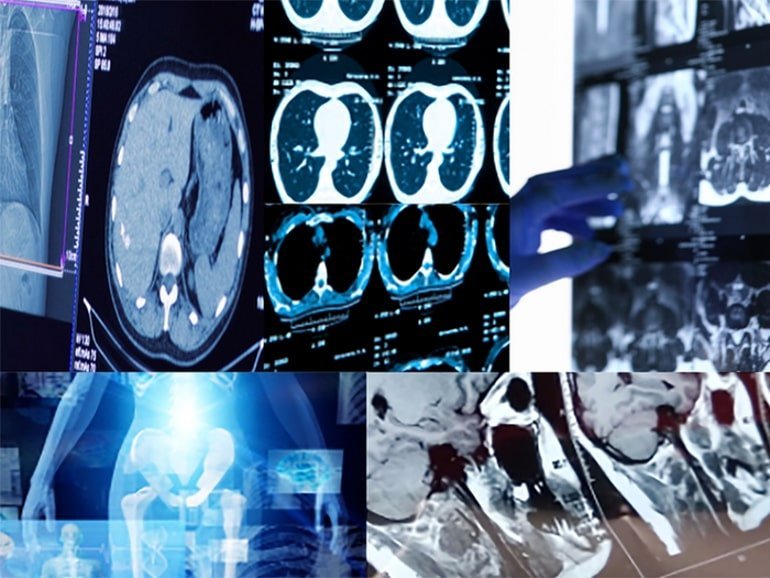
Elon Musk is encouraging users to upload medical images to X, his social media platform, to train Grok, an AI chatbot, in interpreting medical scans. While Grok has shown some success, it has also made significant errors, raising concerns about its accuracy and user privacy. Experts warn that using social media for medical data collection poses risks, including potential privacy violations, as the data is not protected by HIPAA. Musk's approach aims to accelerate AI development but relies on a non-representative sample of data, which may limit its effectiveness.

technology2 years ago

"Android Phones: Life-Saving Update Enables Automatic Medical Data Transfer During 911 Calls"

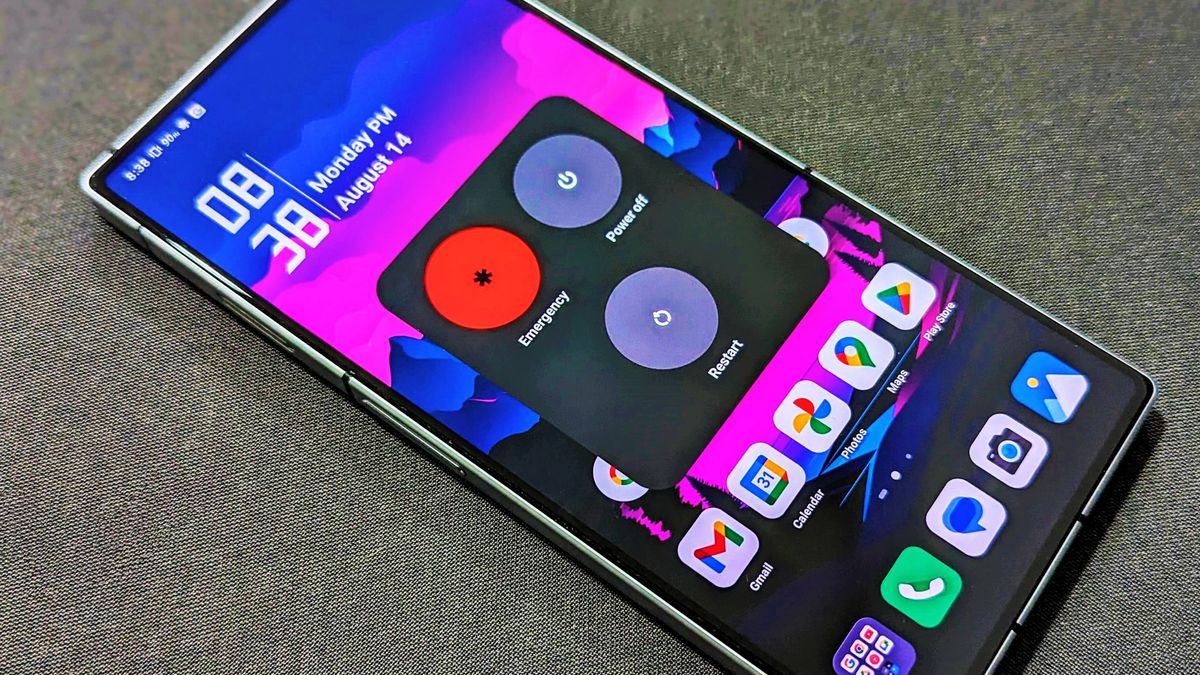
RapidSOS, in partnership with Google's Android Emergency Location Service (ELS), has introduced a feature that automatically shares a person's medical data with first responders during a 911 call. The integration with the Personal Safety app on Android allows critical medical information to be transmitted, enabling first responders to better understand the situation and respond more effectively. This functionality builds upon the existing Android ELS, which shares a person's location with emergency services. The feature is available on Android phones running on Android 12 or newer and can be activated through the Personal Safety app.

technology2 years ago

Android phones revolutionize emergency response with automatic medical data transmission during 911 calls

Google's personal safety features in Android now include a feature that can send critical medical data to first responders during a 911 call. The technology relays information entered in the Personal Safety app, such as age, weight, blood type, and allergies, to a platform called RapidSOS. Over 15,000 911 and field responder agencies are connected to RapidSOS, which has been supporting medical data relay from iPhones since 2020. This feature is currently available on select devices, including recent Google Pixel devices, Nothing Phone 1, and others, and can provide crucial information to responders before they arrive at the scene.

health2 years ago

AI distinguishes 5 types of heart failure in groundbreaking study.

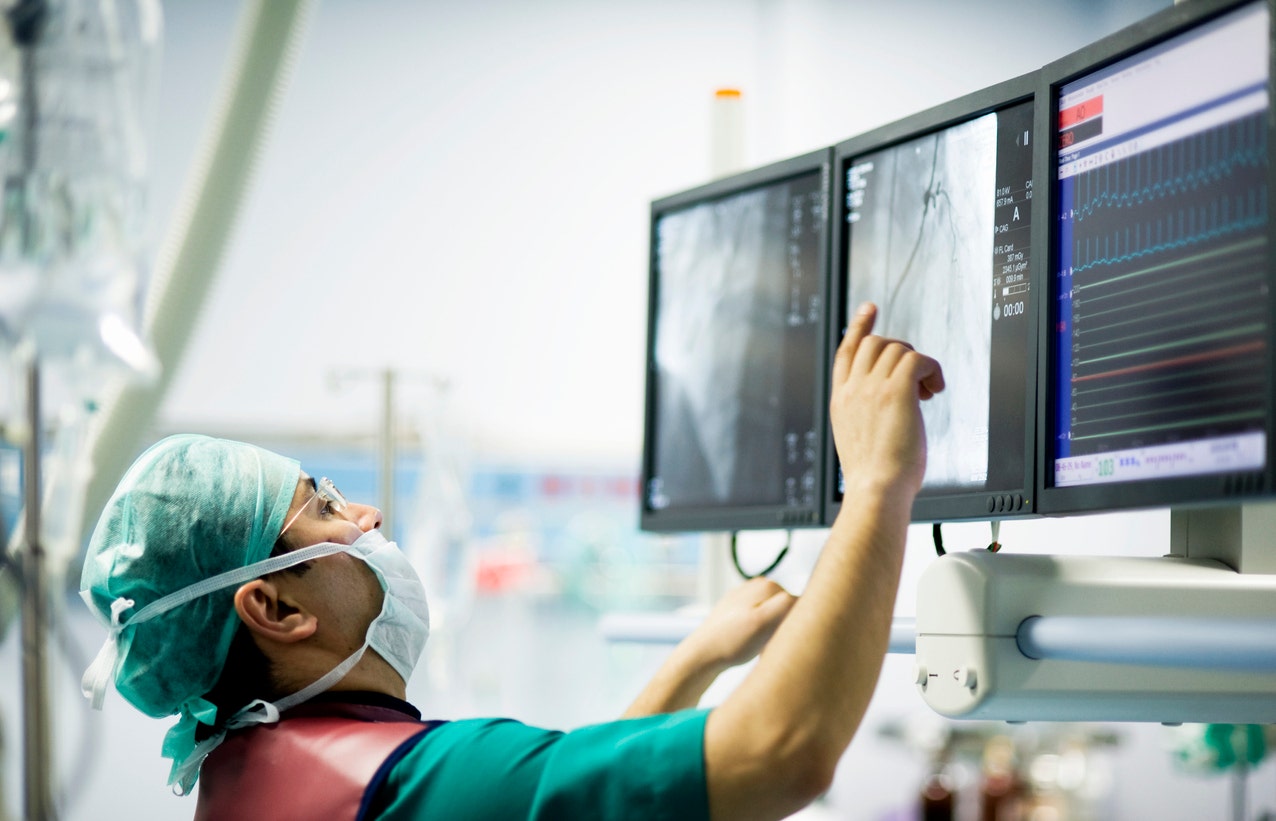
Researchers from the University College London used machine learning to identify five distinct types of heart failure, with the goal of predicting the prognosis for each subtype. The five types of heart failure identified were early onset, late onset, atrial fibrillation, metabolic, and cardiometabolic. For each type of heart failure, the researchers determined the likelihood of the person dying within a year of diagnosis. The prognosis varied widely for the five subtypes. The research team also developed an app for physicians that would enable them to determine which subtype of heart failure a patient has.

healthcare-technology2 years ago

Security Risks Found in Illumina's DNA Sequencing Machines

The FDA has warned healthcare providers that Illumina's DNA sequencers have a security vulnerability that could allow unauthorized users to access or alter potentially important medical data. This comes at a time when Illumina is facing a proxy battle by Carl Icahn, who is seeking to add three new members to the board and remove CEO Francis deSouza.

healthcare-technology2 years ago

Revolutionizing Radiology with DALL-E 2 AI Image Generation.

DALL-E 2, a text-to-image generation deep learning model, has promising potential for image generation, augmentation, and manipulation in healthcare, particularly in radiology. The model has learned relevant representations of x-ray images and can create realistic x-ray images based on short text prompts. However, its capabilities for generating images with pathological abnormalities or other medical imaging modalities are still limited. Synthetic data generated by DALL-E 2 could accelerate the development of new deep learning tools for radiology and address privacy concerns related to data sharing between institutions. Further research and development are needed to fine-tune these models to medical data and incorporate medical terminology to create powerful models for data generation and augmentation in radiology research.