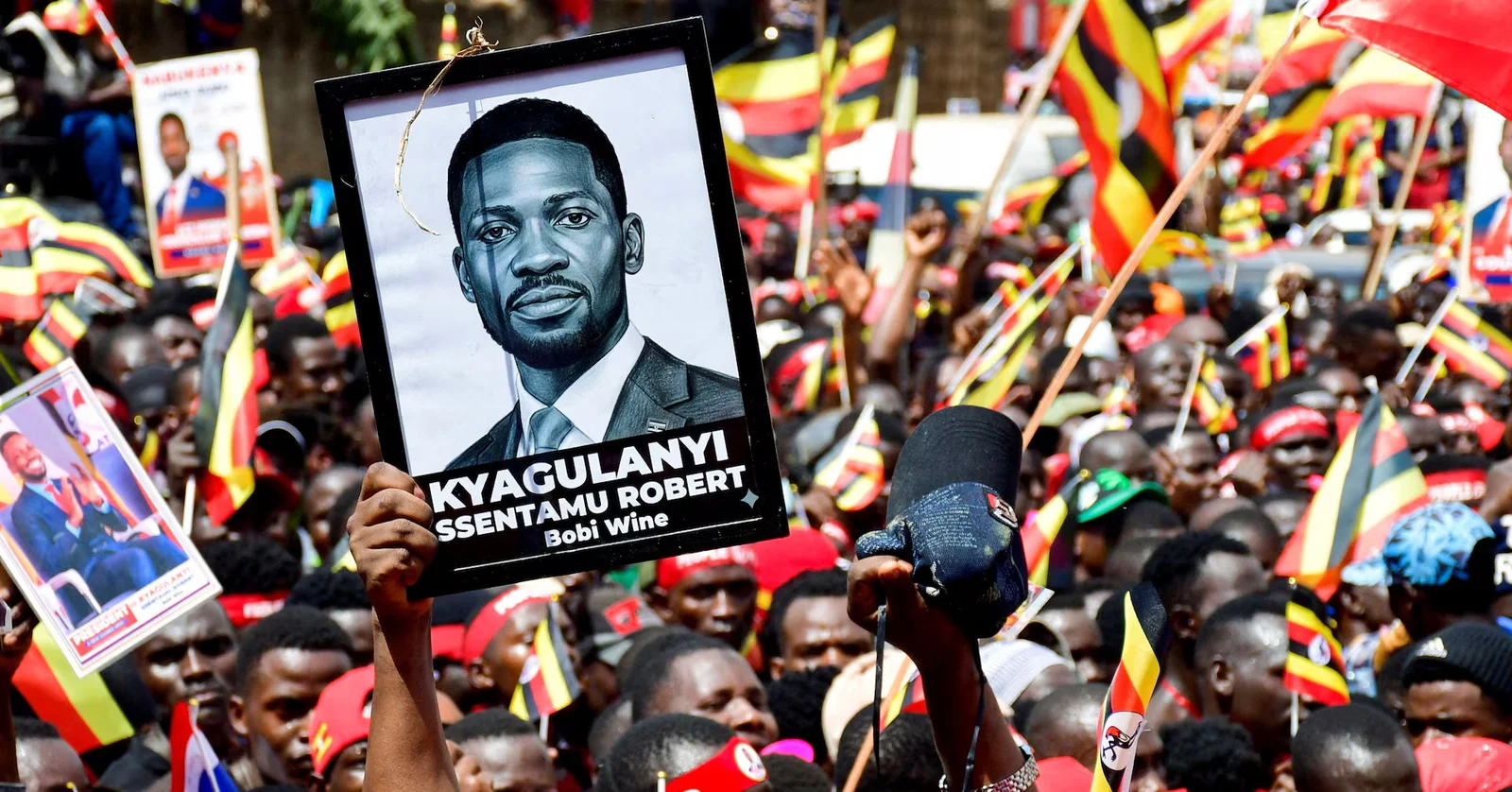
Uganda's government has banned live broadcasts of riots and unlawful processions ahead of the January 15 presidential election, citing concerns over escalation and panic, amid ongoing repression of opposition supporters and allegations of human rights abuses by security forces. President Museveni seeks to extend his 40-year rule amidst a tense political climate.
Niger's military government has suspended BBC radio for three months, accusing it of spreading false information that could destabilize social peace and undermine troop morale. This move follows similar bans on other Western media outlets like Radio France Internationale and France 24, amid reports of a jihadist attack in the Tera region that the junta denies occurred. The suspension reflects a broader trend of Sahel countries turning away from Western media and aligning more with Russia for security needs.
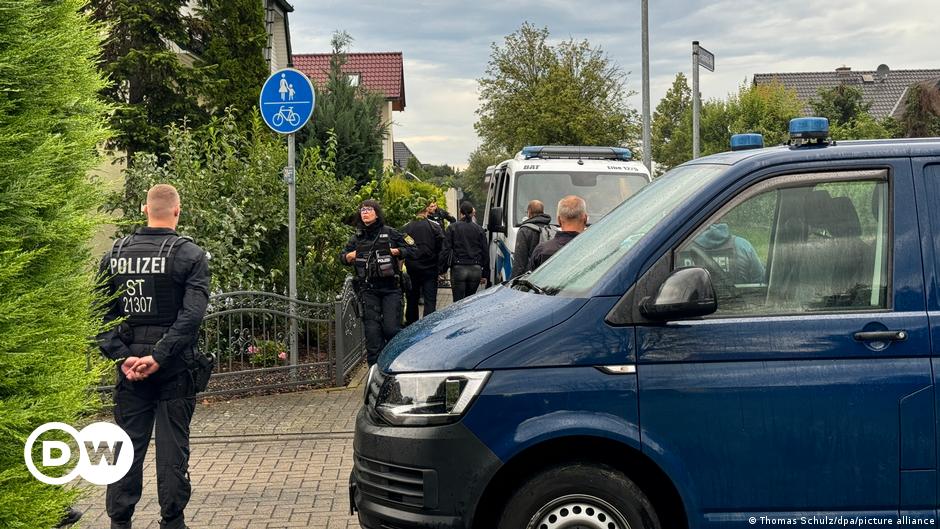
Germany's Interior Ministry has banned the right-wing extremist Compact magazine, citing its role in inciting hatred against Jews, migrants, and democracy. Authorities conducted raids in four states to confiscate assets and evidence. The ban also extends to Compact's subsidiary, Conspect Film, and prohibits any continuation of their activities. The AfD party criticized the ban as a threat to press freedom.
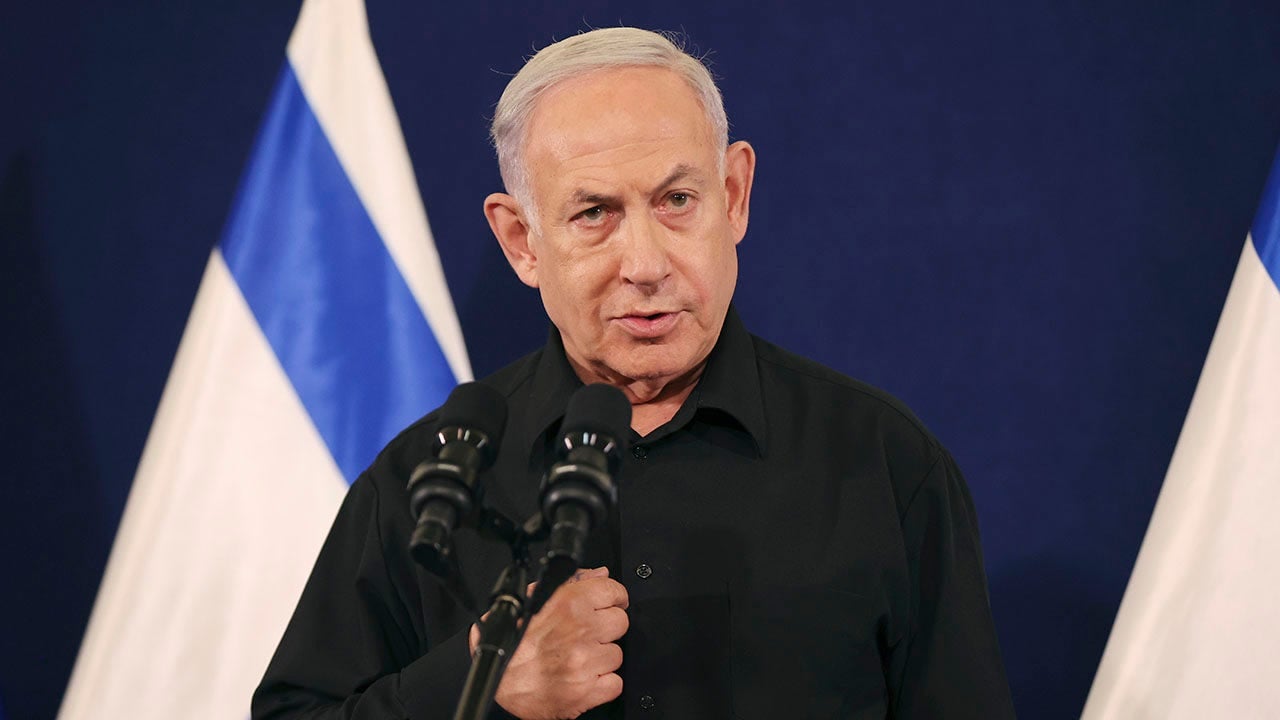
Israeli Prime Minister Benjamin Netanyahu announced a ban on Qatar-based news station Al Jazeera in Israel, citing it as a security risk and accusing it of inciting against IDF soldiers. A new law passed in the Knesset grants Netanyahu and the communications minister authority to shut down foreign media outlets deemed a "security risk." The White House expressed concern over the decision, citing freedom of the press, while the National Press Club objected to the move, likening it to actions taken by illiberal governments. Al Jazeera responded by holding Netanyahu responsible for the safety of its staff and premises and vowing to continue its coverage.
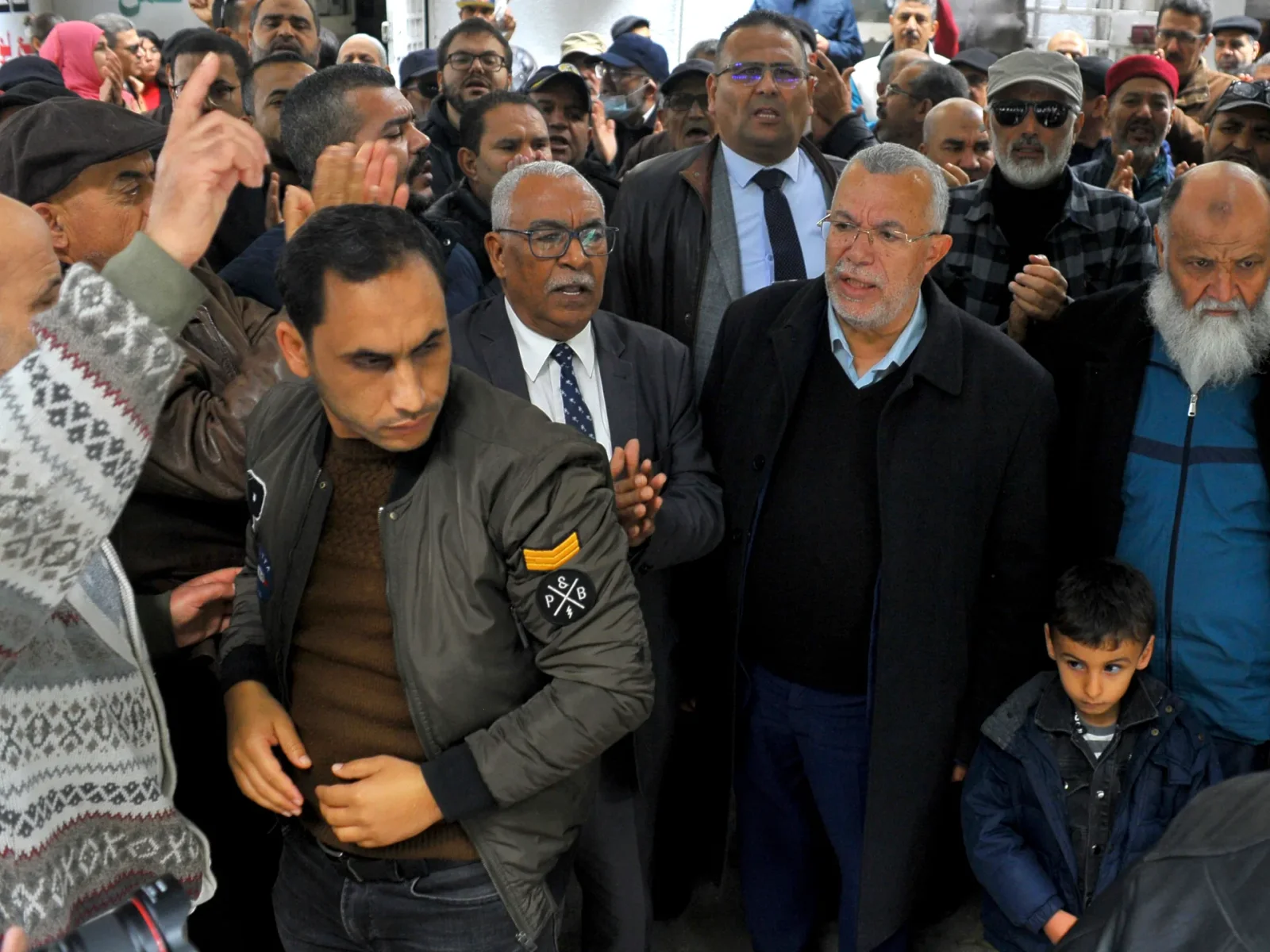
Tunisia has banned radio and TV programmes from reporting on the cases of at least 21 dissidents accused of conspiring against state security, including prominent opposition figures Rashid Ghannouchi and Nejib Chebbi. The ban was ordered to protect the privacy of those involved in the cases. President Kais Saied's government has arrested dozens of dissidents in recent months, sparking condemnation from the international community and rights groups. Two US senators have introduced legislation to limit funds to Tunisia until it restores its democratic institutions.
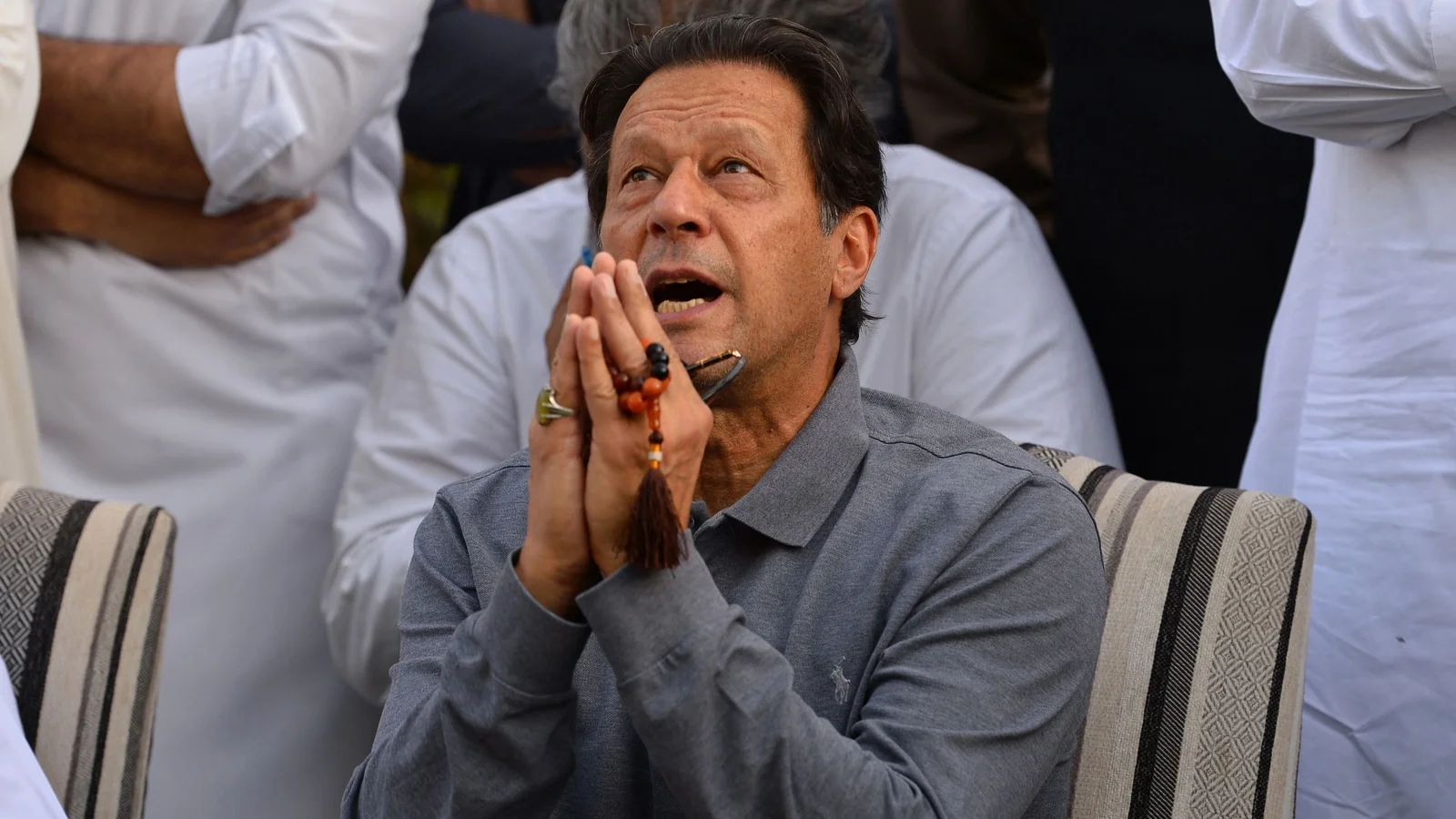
Pakistan's military has directed prominent media organizations to stop any coverage related to former prime minister Imran Khan amid an ongoing political crisis. The ban has been confirmed by more than half a dozen journalists of the country. Imran Khan's popularity remains unscathed after his arrest in a land fraud case, following which members of his party stormed military buildings and ransacked the residence of a top army general in Lahore.