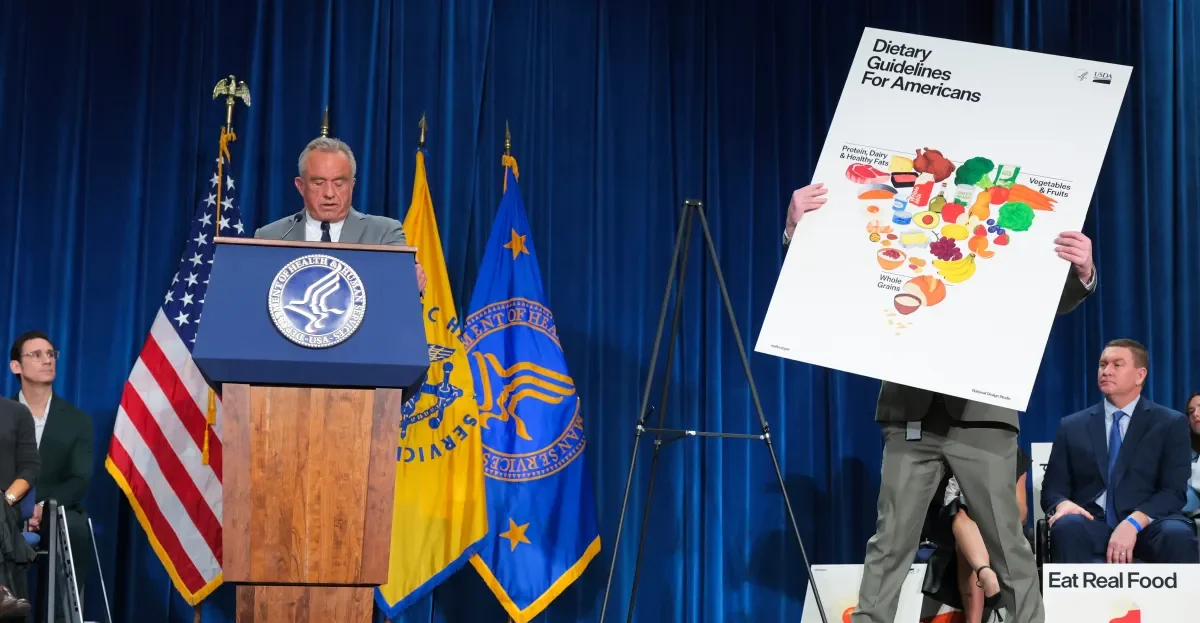
The new US dietary guidelines, despite being promoted as a major update, largely reinforce traditional advice with some controversial shifts, notably emphasizing meat and dairy consumption and presenting a confusing upside-down food pyramid that may mislead the public. While they promote eating real, minimally processed foods, they also contain contradictions and political symbolism that diverge from scientific consensus, especially regarding plant-based proteins and saturated fats. Overall, their practical impact is limited as most Americans do not follow government nutrition advice.
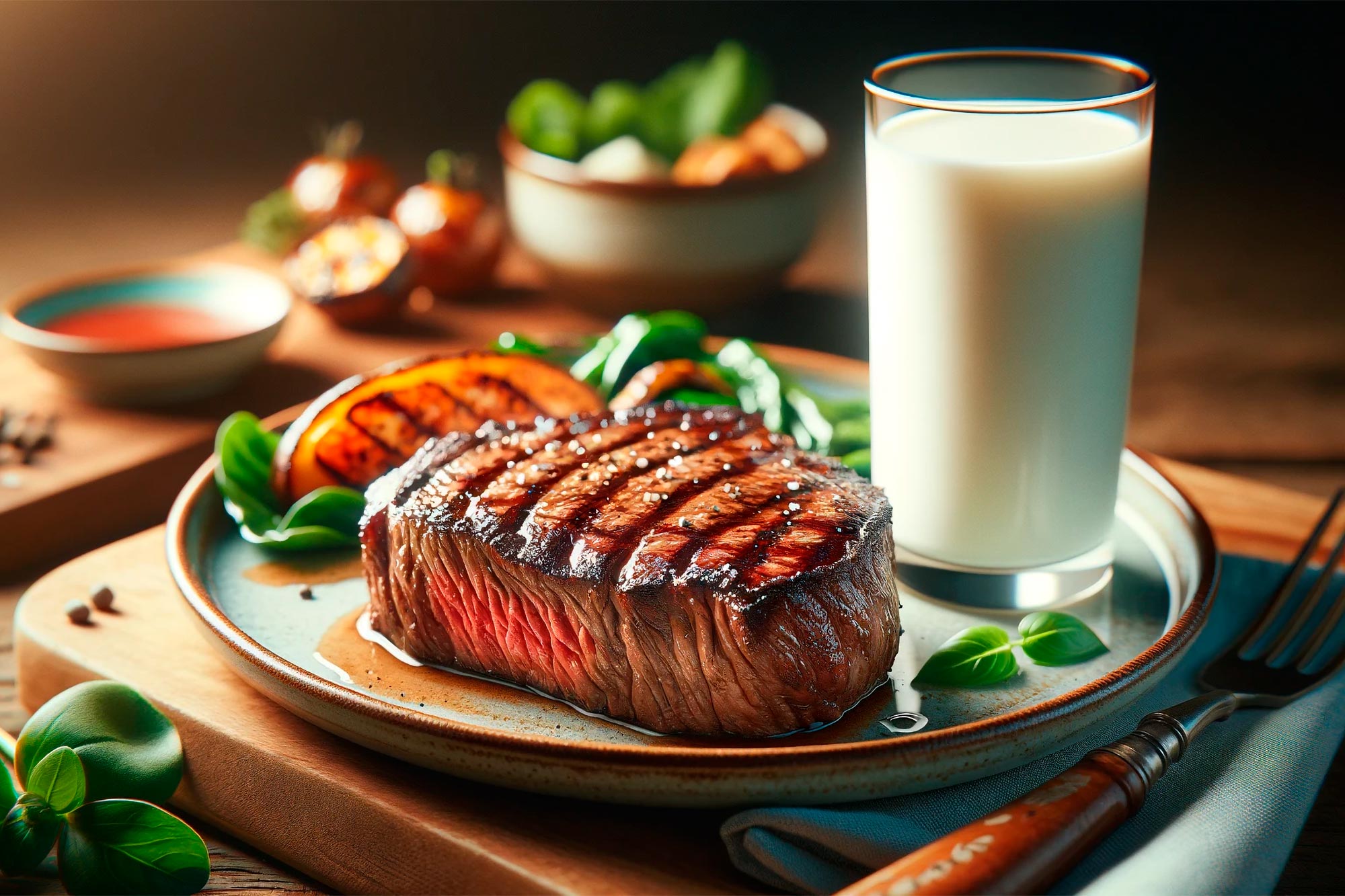
A study from the University of Chicago reveals that trans-vaccenic acid (TVA), a fatty acid found in meat and dairy products, enhances the effectiveness of CD8+ T cells in fighting cancer. Higher levels of TVA are associated with better responses to immunotherapy. The research suggests that TVA could be used as a nutritional supplement to complement cancer treatments, promoting T cell activity. However, it is important to determine the optimized amount of the nutrient itself, not the food source. The study highlights the potential of understanding how dietary building blocks impact health and immunity.
A recent poll conducted by The Washington Post and the University of Maryland reveals that many Americans hold misconceptions about the most effective actions to combat climate change. While a majority believe that recycling has a significant impact, experts argue that actions such as flying less and reducing meat and dairy consumption are more effective in reducing greenhouse gas emissions. The poll also found that installing solar panels and making energy-efficient improvements to homes can contribute to fighting climate change. However, experts emphasize the importance of systemic change and voting for climate-friendly government agendas to address the global issue effectively.