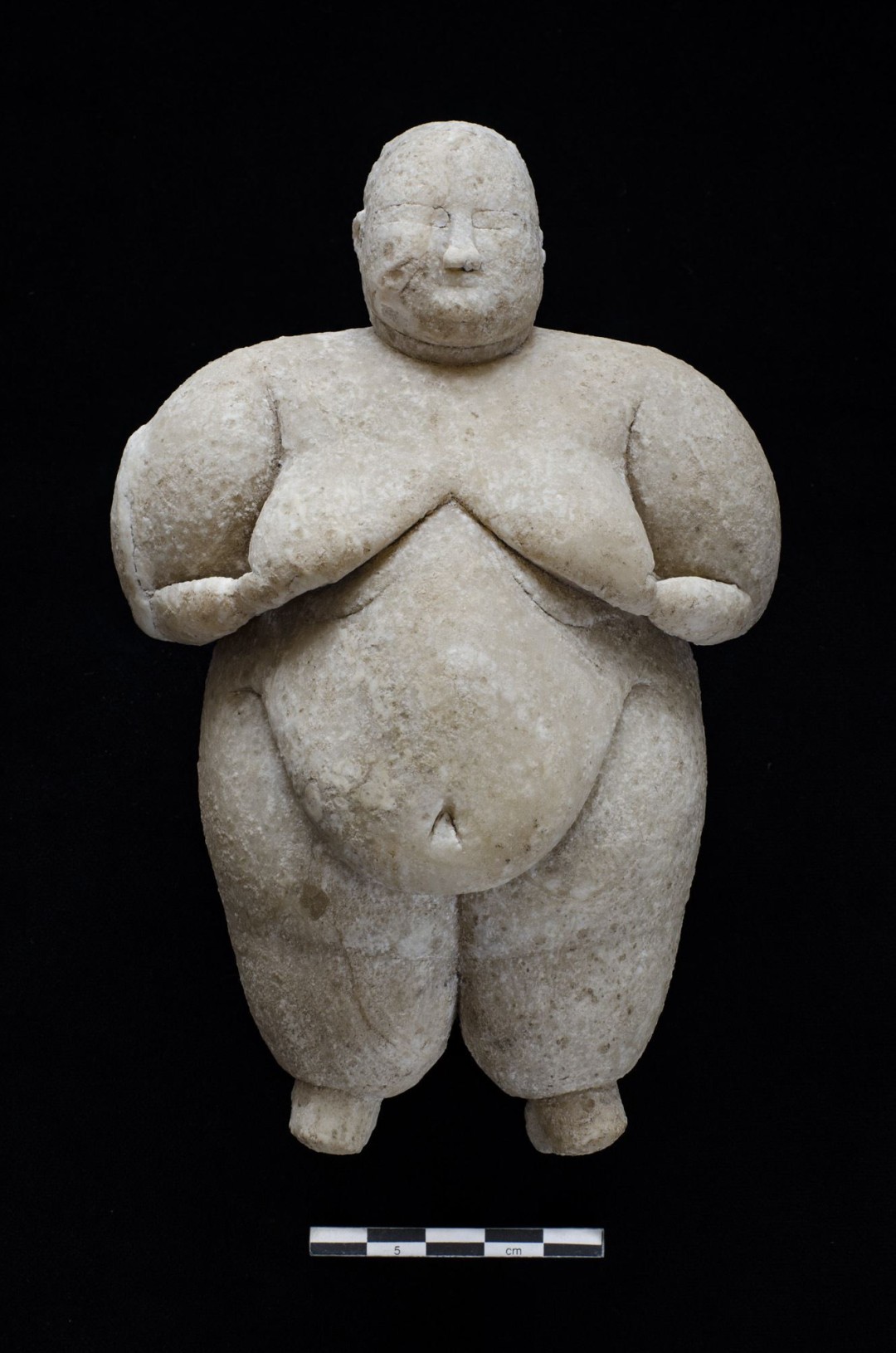
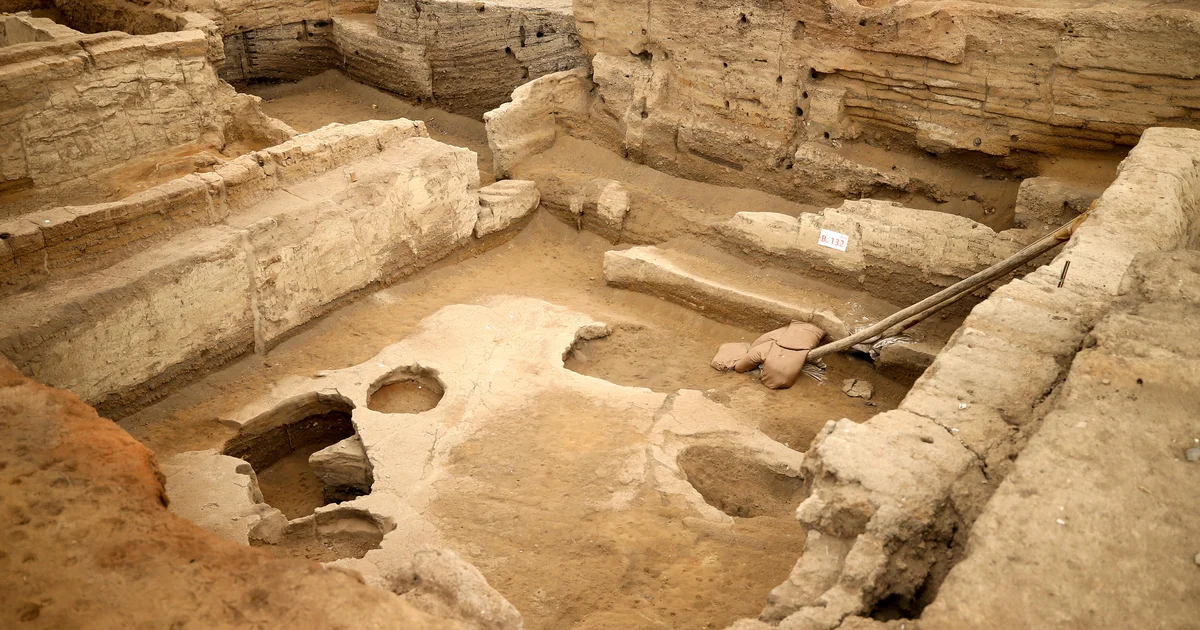
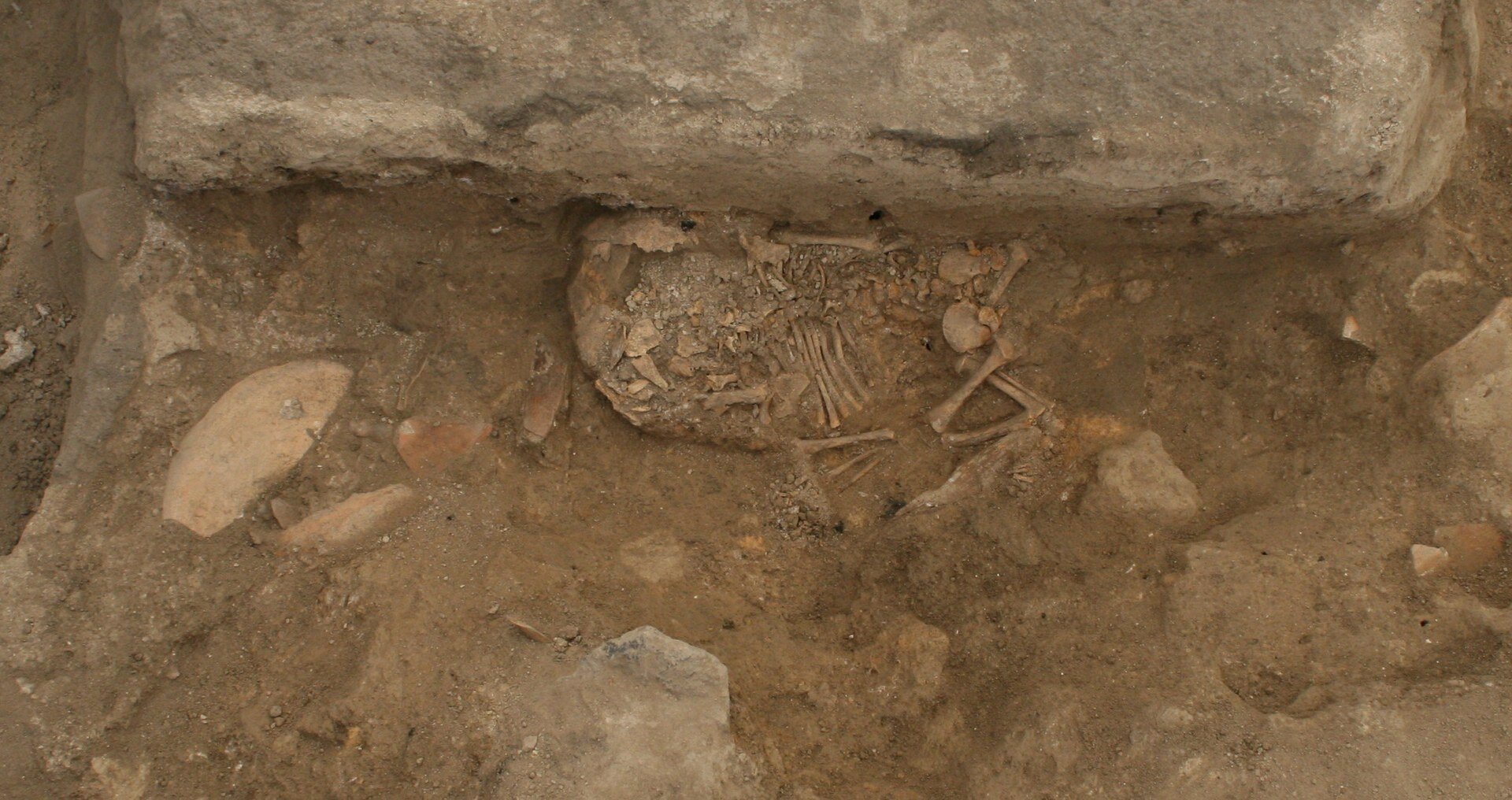
A 12-year DNA study of ancient remains from the Neolithic city of Çatalhoyuk in Turkey provides evidence of a female-centered society over 9,000 years ago, with maternal lineage playing a key role in social organization and females receiving more grave goods, supporting the idea of a matriarchal society.
Researchers analyzing DNA from over 130 skeletons at the ancient city of Çatalhöyük in Turkey suggest it was likely ruled by females in a matriarchal society more than 9,000 years ago, with evidence indicating a strong maternal lineage and preferential treatment of women, challenging Western assumptions about societal structures.
DNA analysis of ancient remains from Çatalhöyük suggests that women played a central role in household formation during the Neolithic period, indicating a society with significant female influence, though not necessarily a true matriarchate.
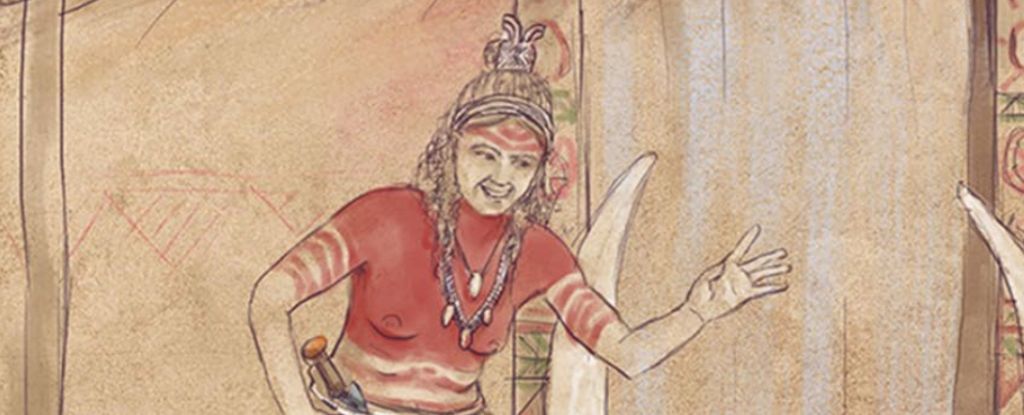
A burial site from the Copper Age in southwest Spain, previously believed to be the resting place of a young male leader, has been revealed to belong to a female ruler known as the 'Ivory Lady'. The discovery challenges the assumption of a male-centered society and suggests the existence of a matriarchal society in ancient Europe. The tomb contained a diverse array of precious objects, indicating the Ivory Lady's high social status. Another nearby burial site with similar wealth and pomp also contained mostly women, suggesting the presence of a group of religious specialists. The findings prompt a reevaluation of power dynamics, social complexity, and gender roles in early complex societies.