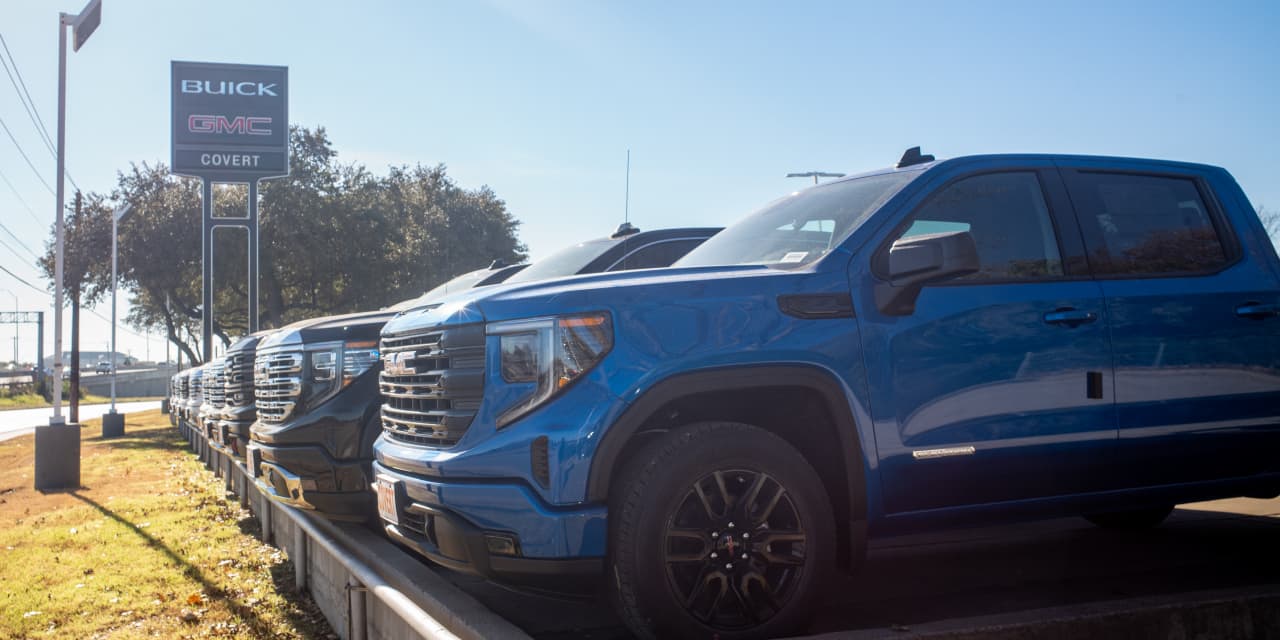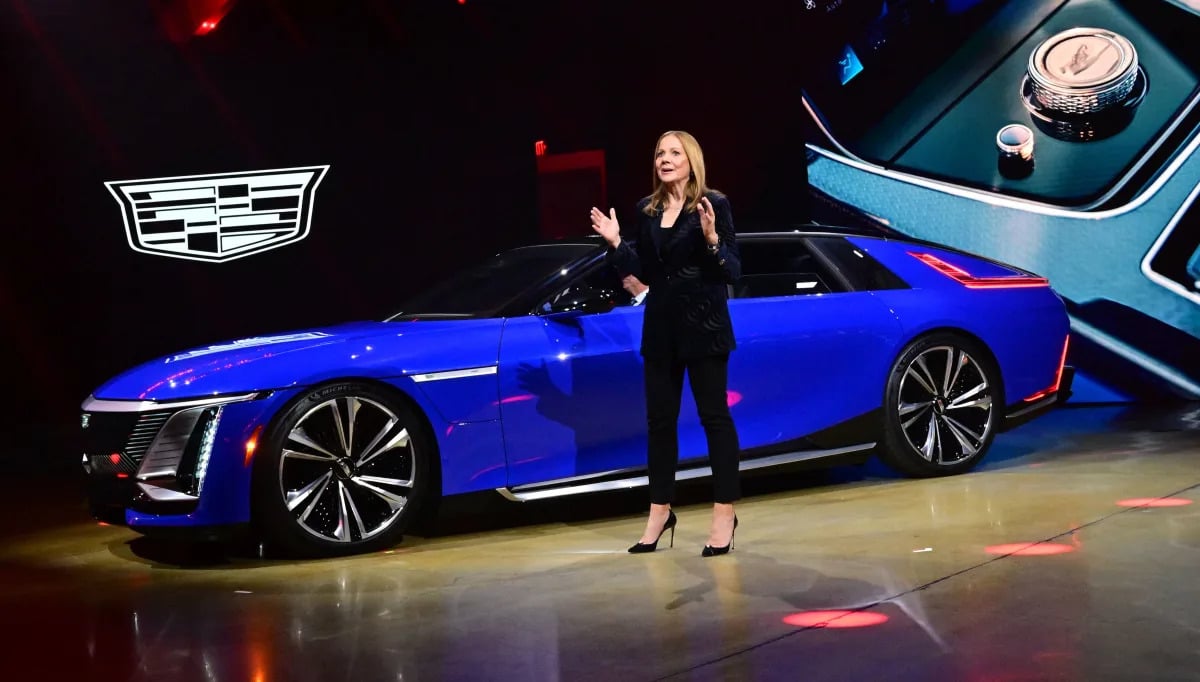
General Motors' stock has surged over 55% in 2025, making it the top-performing U.S.-traded automaker stock of the year, driven by strong earnings, strategic stock buybacks, and favorable regulatory changes, outperforming Tesla, Ford, and others.

GM is focusing on AI, autonomous driving, and new vehicle platforms, including a Gemini-powered AI assistant in 2026 and a new hardware/software platform for the Escalade IQ in 2028, while ditching Apple CarPlay and Android Auto in EVs to improve user experience. The company is navigating market challenges like falling EV demand, tariffs, and policy changes, emphasizing affordability and a broad vehicle portfolio from entry-level to luxury. GM's long-term investments in battery tech, autonomous tech, and global scale aim to keep it competitive despite market shifts and regulatory hurdles.
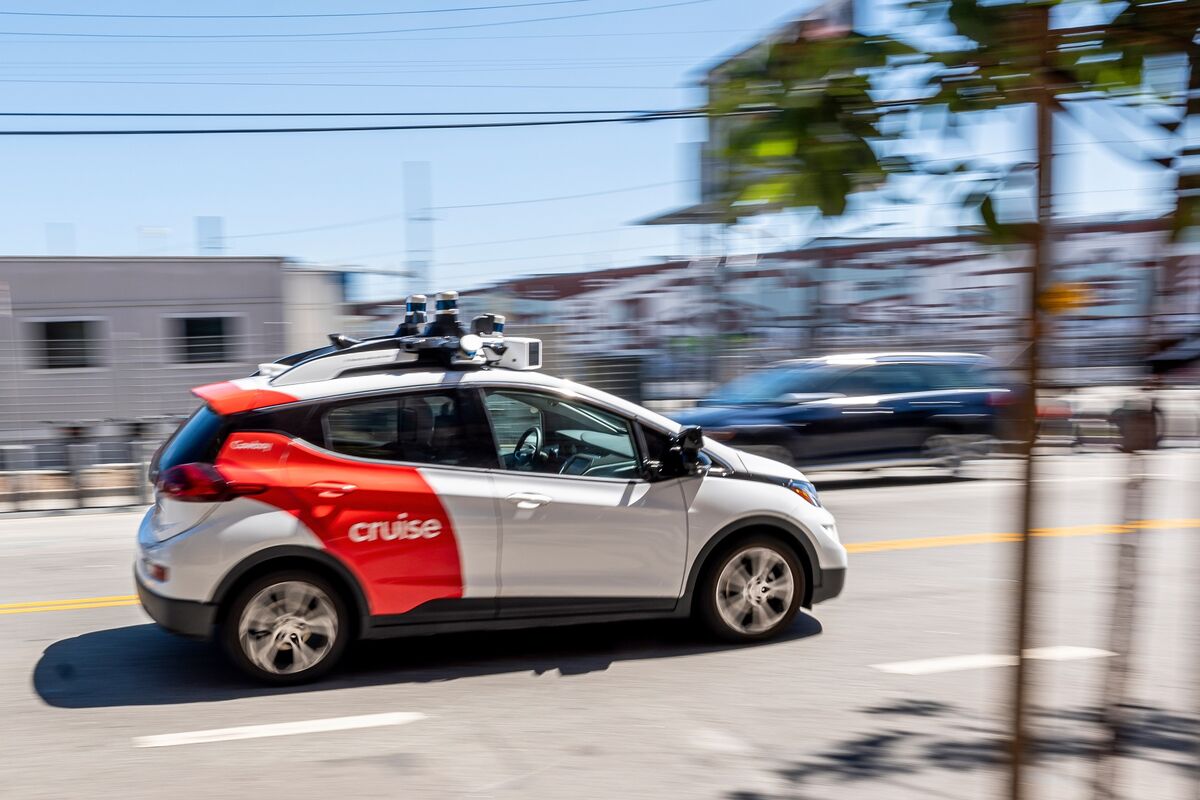
General Motors is reviving its efforts to develop autonomous vehicles for personal use, focusing on hands-free and eyes-free driving, after restructuring its Cruise division and laying off employees. Led by Sterling Anderson, GM aims to accelerate self-driving tech development, despite previously exiting the robotaxi market due to costs and safety issues. The company remains committed to autonomous vehicle innovation, with plans to hire new talent and expand its research efforts.
General Motors (GM) is outperforming its automotive peers in 2024, with its stock rising 54.7% and consistently beating Wall Street's earnings expectations. Under CEO Mary Barra, GM has differentiated itself from competitors like Ford and Tesla, partly through $12.4 billion in stock buybacks. Despite challenges in the U.S. and China, GM has not lowered its 2024 guidance and has raised key financial targets. The company plans to maintain its competitive edge and expects similar performance in 2025.
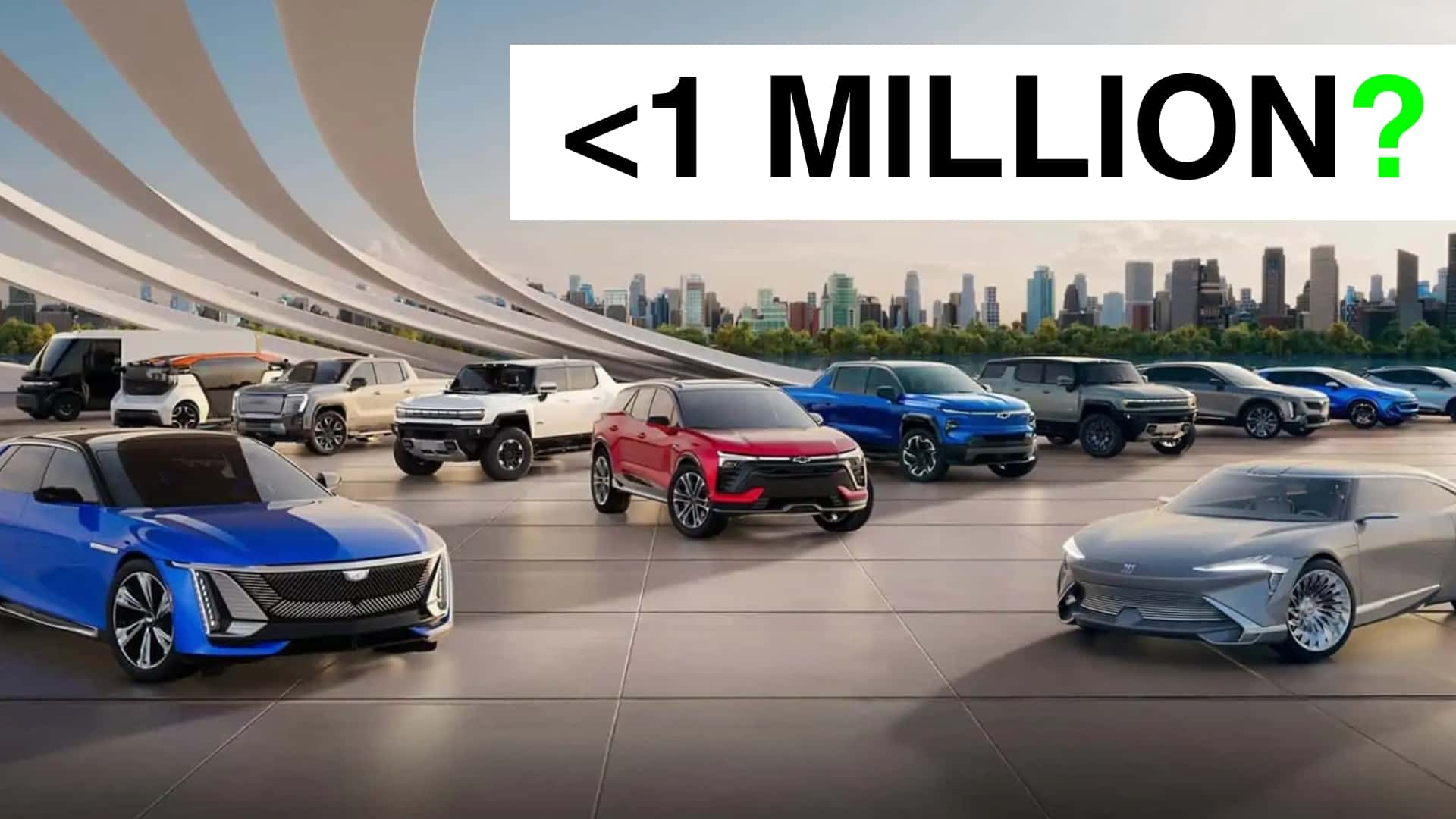
General Motors CEO Mary Barra announced that the company will not meet its goal of producing one million electric vehicles annually by the end of 2025 due to slower market development and various production and software issues. Despite setbacks, Barra remains optimistic about GM's long-term electric vehicle strategy and believes the market will grow as charging infrastructure improves and more consumers adopt EVs.
General Motors' goal of producing 1 million all-electric vehicles in North America by the end of 2025 is in doubt after CEO Mary Barra indicated that market demand has not developed as expected. The company has adjusted several EV targets and plans, and a spokesman clarified that the target was about production capacity, not actual production. GM will no longer reiterate its 2025 EV production capacity plans, emphasizing flexibility to meet demand. More details may be revealed in the company's second-quarter results on July 23.
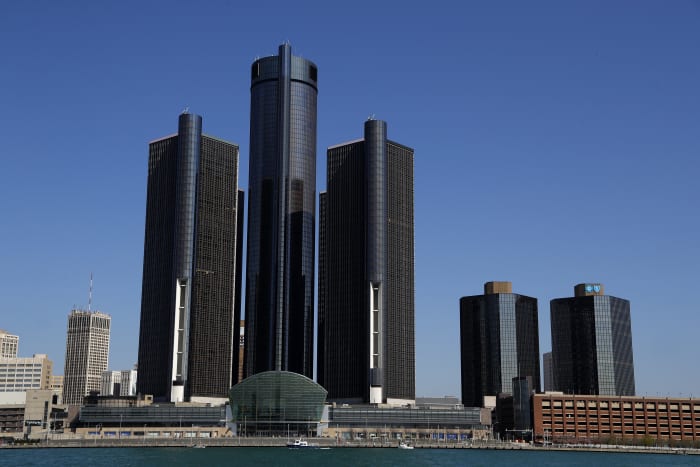
GM CEO Mary Barra has not ruled out the possibility of demolishing Detroit's iconic Renaissance Center as the company plans to move its headquarters to the new Hudson's building in 2025. GM, along with Bedrock, the city of Detroit, and Wayne County, will explore redevelopment opportunities for the site over the next year.
GM CEO Mary Barra did not rule out the demolition of the Renaissance Center as the company plans to move its global headquarters to the new Hudson's Detroit building in 2025. Barra emphasized the need to find a suitable use for the RenCen, considering the shift to remote work and reduced office space requirements. She defended the decision to bring employees back to the office part-time, highlighting the importance of in-person collaboration for vehicle design and production.
General Motors CEO Mary Barra announced plans to reintroduce plug-in hybrid technology to select vehicles in North America, responding to dealer requests and consumer demand. The move comes as GM remains committed to eliminating tailpipe emissions from its light duty vehicles by 2035, while also focusing on EVs. Barra outlined steps to fix EV battery module production, software glitches on the Chevrolet Blazer EV, and plans to relaunch its self-driving car subsidiary, Cruise. GM has more than 100,000 reservations for its EV pickups and is working to resolve software problems on the Chevrolet Blazer EV. Additionally, GM will slash its investment in Cruise by $1 billion and is considering future funding from either GM or outside investors.
General Motors CEO Mary Barra announced a shift in the company's product lineup strategy to include plug-in hybrid electric vehicles (PHEVs) in North America, aiming to meet federal fuel economy regulations. Barra emphasized GM's commitment to eliminating tailpipe emissions from light-duty vehicles by 2035 but sees PHEVs as a strategic interim solution. The move contrasts with the industry's focus on all-electric vehicles, reflecting a broader trend of automakers reconsidering hybrid technologies to meet consumer demand and regulatory standards.
General Motors exceeded fourth-quarter estimates with revenue $4 billion above consensus, leading to a 7.7% stock surge. The company's net income rose to $2.102 billion, or $1.59 a share, and adjusted per-share earnings were $1.24, beating expectations. CEO Mary Barra expressed confidence in the U.S. economy, job market, and EV sales, with plans to relaunch its self-driving Cruise business. Despite challenges in the EV sector, GM expects its U.S. EV portfolio to become profitable in the second half of the year and anticipates 2024 EPS of $8.50 to $9.50, surpassing analyst expectations.
General Motors CEO Mary Barra faces the challenge of convincing investors that the company won't be left behind by Tesla and other rivals, as Tesla's warning of slow growth and pricing pressure weighs on the industry. GM has already revised its profit guidance and faces increasing downward pressure on prices in the U.S. and China. The company is also dealing with investigations into its Cruise robotaxi unit and struggles with EV production, despite aiming to accelerate deliveries of its new generation of EVs in North America.
General Motors CEO Mary Barra announced that the company's stock is undervalued and urged investors to buy shares, citing the future profitability of electric vehicles (EVs). GM unveiled a $10 billion stock buyback plan and a 33% dividend increase, leading to a nearly 10% surge in the stock price. Barra expressed confidence in GM's strategy and ability to generate cash flow and strong margins. The company aims to achieve a low-single-digit profit margin on EV operations by the end of 2025 and transition to mostly producing electric vehicles by 2035. Prior to the announcement, GM shares had declined about 20% in the past year.
General Motors (GM) CEO Mary Barra expressed her frustration and disappointment over the ongoing car workers strike, which has now entered its fourth week. Barra stated that the strike is impacting the company's bottom line and causing hardship for both employees and suppliers. Negotiations between GM and the United Auto Workers (UAW) union are ongoing, with issues such as wages, healthcare, temporary workers, and job security being major points of contention.
About 5,000 salaried employees have signed up for General Motors' buyout offer, which is part of a $2 billion cost-savings program. The move will lead to about a $1 billion charge for the company in the first quarter. However, GM CFO Paul Jacobson said that no layoffs are planned. The buyout program offers eligible employees with at least five years of service one month of pay for every year of service up to 12 months, a pro-rated performance bonus, and outplacement services.