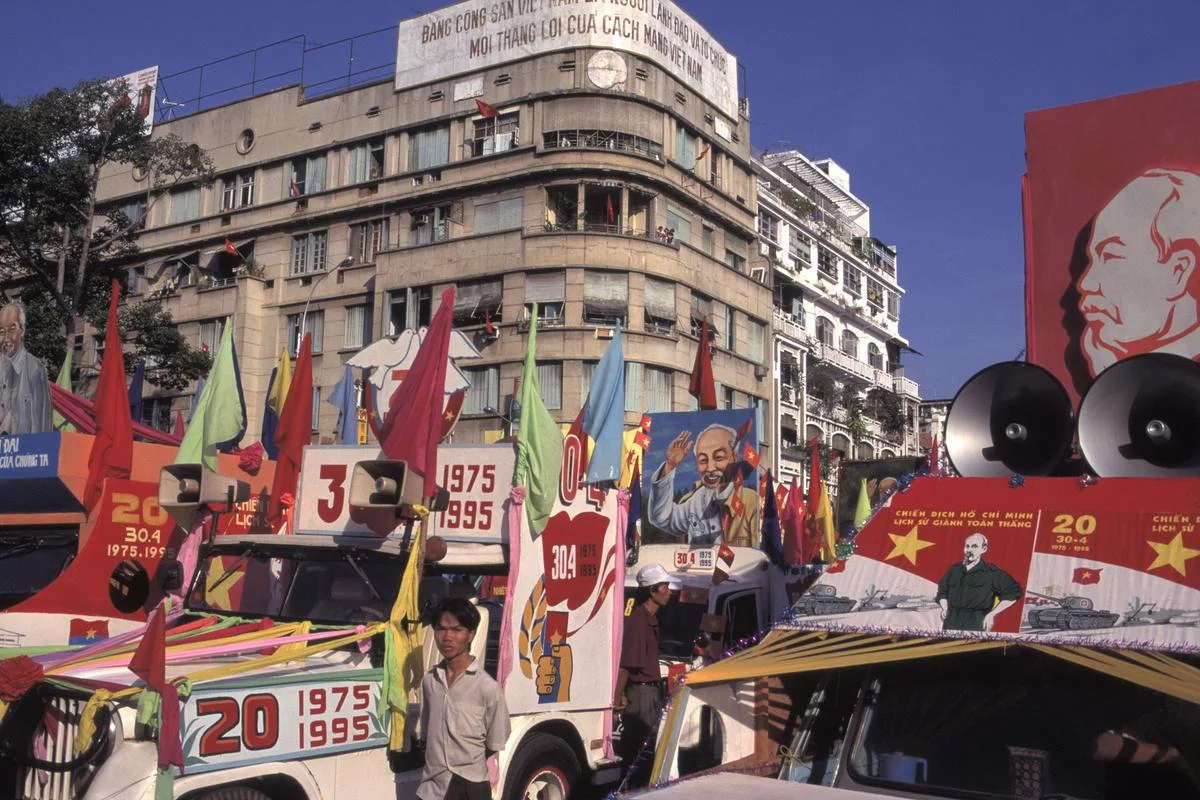
The article explores the life and thought of Vietnamese philosopher Trần Đức Thảo, highlighting his struggles with French philosophy, his political activism for Vietnamese independence, and his philosophical shift from phenomenology to Marxist dialectical materialism, emphasizing his principled stance against colonialism and his tragic life story.
House Speaker Mike Johnson defended calling recent protests against Trump 'hate America' rallies, clarifying he was criticizing the protesters' rhetoric, not the Democratic Party as a whole, and citing concerns about rising Marxist influence in the party.
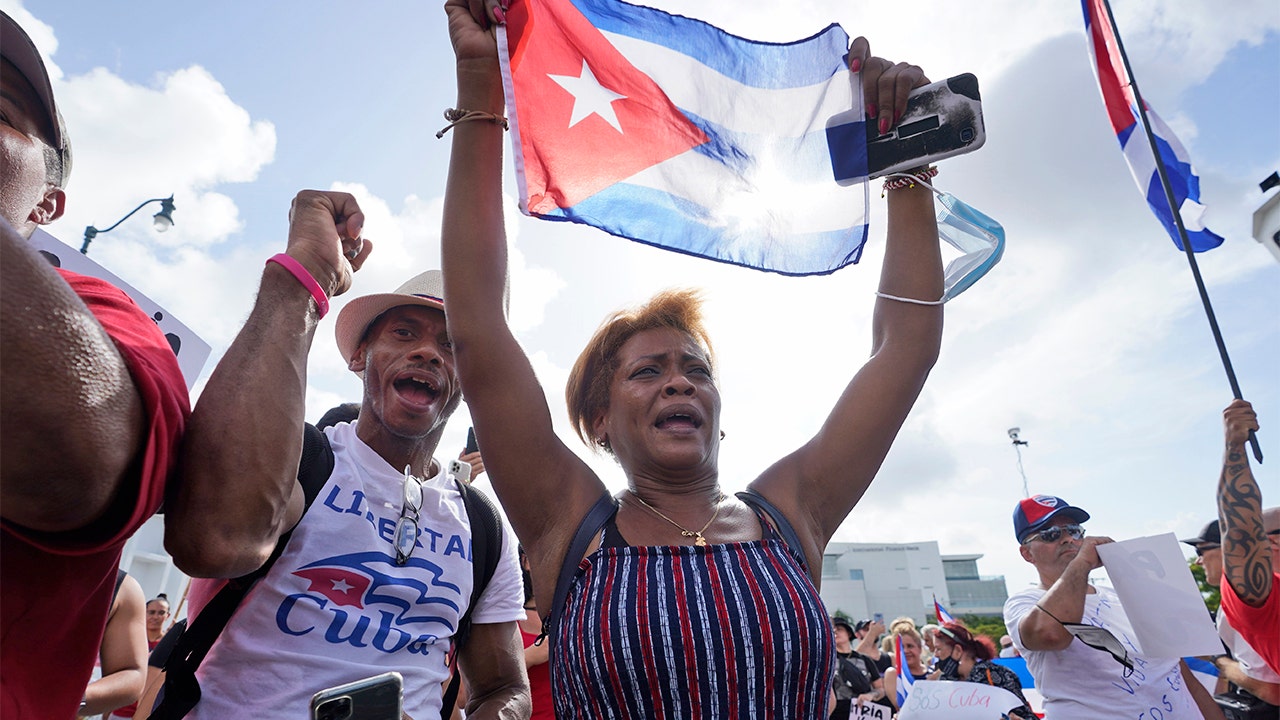
Protests in Cuba continue over severe food and electricity shortages, with Senator Marco Rubio attributing the crisis to the country's Marxist policies. Cuban officials blame the US embargo for the shortages, while the US denies a food embargo and calls for the Cuban government to respect protesters' rights. The ongoing embargoes, soaring food prices, and travel restrictions are seen as exacerbating the situation, with the State Department urging the Cuban government to refrain from violence and unjust detentions and to respect citizens' rights for peaceful assembly.
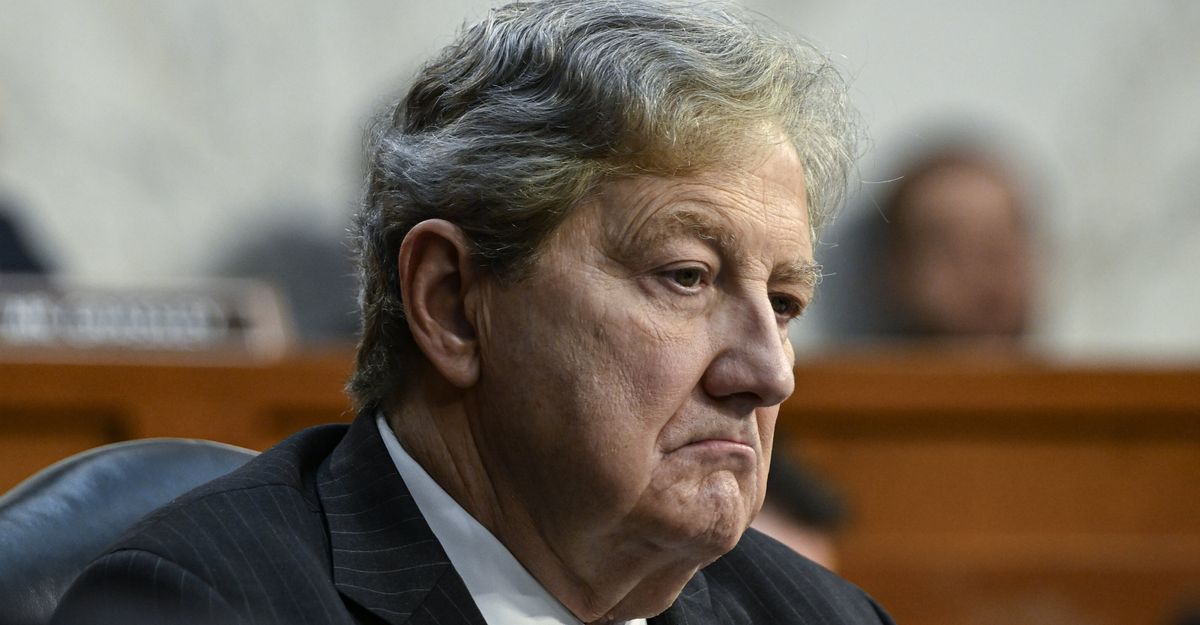
Republican Senator John Kennedy repeatedly accused President Biden's judicial nominee, Melissa DuBose, of being a Marxist, despite her denial. When reminded that he used to be a Democrat, Kennedy became furious and insisted he had never been a Marxist. This incident reflects a pattern of baseless accusations by Republicans against Democratic nominees, suggesting they have Marxist leanings.
Chinese President Xi Jinping called for more achievements in the Communist Party of China's (CPC) theoretical innovation as the party celebrated its 102nd founding anniversary. Xi emphasized the need to deepen the understanding of the party's theoretical innovation and adapt Marxism to the Chinese context and the needs of the times. He also published an article urging young officials to grow into people capable of shouldering the mission of the times, emphasizing the importance of loyalty, dedication, and guarding against corruption. The CPC, with a growing number of members, needs to innovate and explore to lead China in overcoming challenges and achieving historic goals.
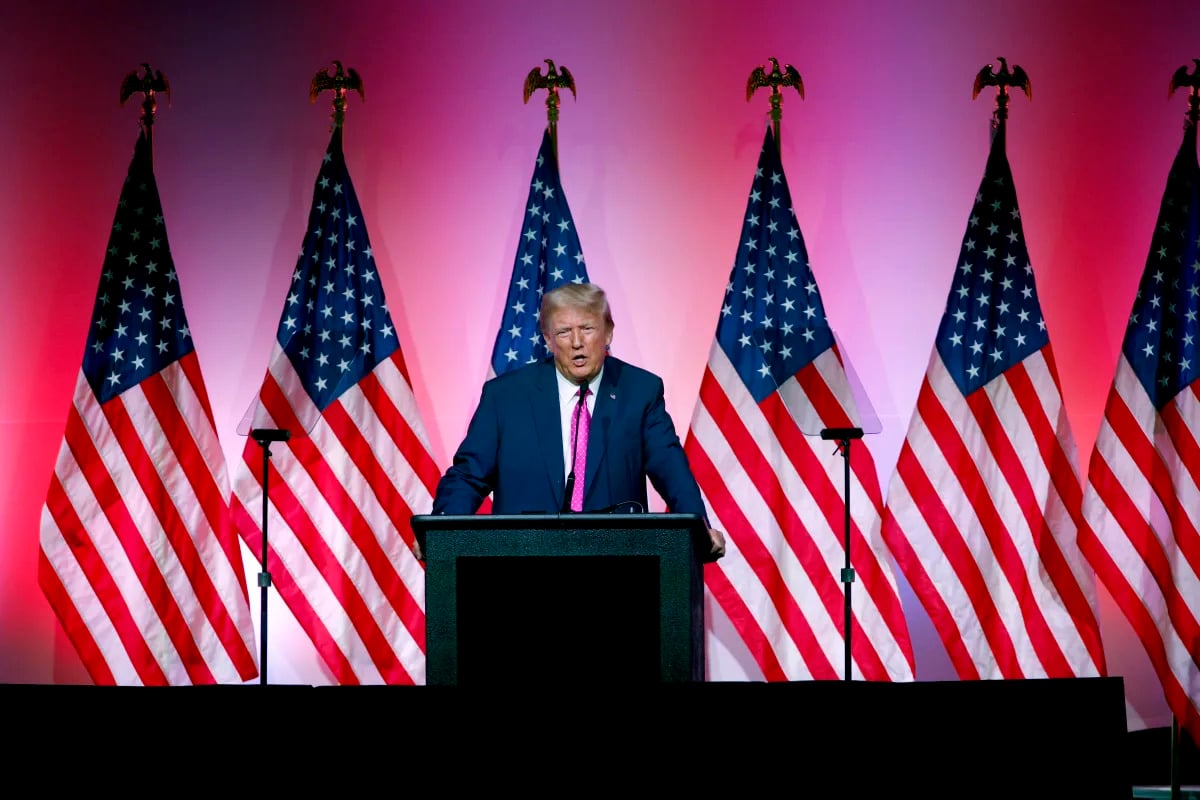
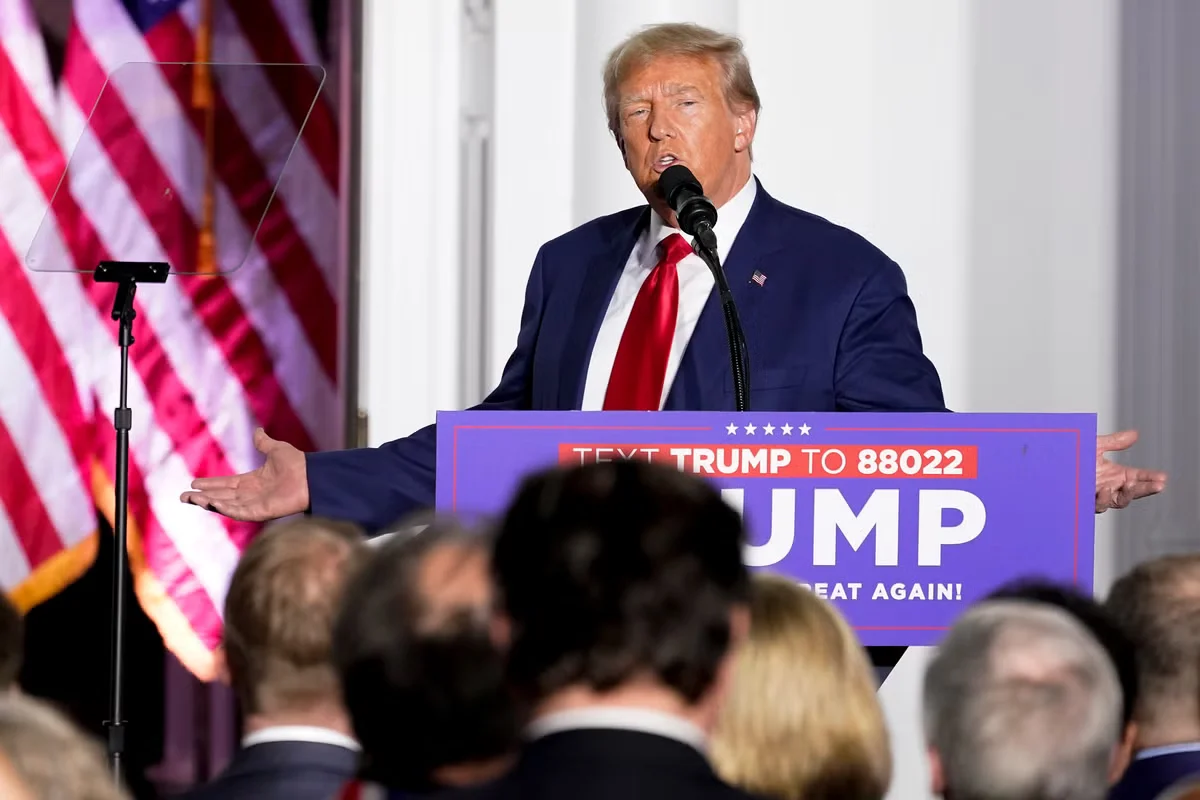
Former President Donald Trump has proposed using Section 212 (f) of the Immigration and Nationality Act to deny entry to all "communists" and "Marxists" into the United States. However, existing U.S. immigration law already bars members of Communist Parties from becoming naturalized citizens or green card holders. Trump's proposal raises questions about the legality and practicality of such a ban, as well as its focus on political theories that have limited support in the country. Legal experts suggest that a blanket exclusion would likely face legal challenges and that exceptions would need to be made. If implemented, the ban would primarily impact China, where millions of people are members of the Communist Party. However, the number of communists and Marxists in the U.S. is relatively small, and the fear-mongering rhetoric serves as a political strategy to appeal to Trump's base.
Former President Donald Trump has proposed using Section 212 (f) of the Immigration and Nationality Act to deny entry to all "communists" and "Marxists" into the United States. However, existing U.S. immigration law already bars members of Communist Parties from becoming naturalized citizens or green card holders. Trump's proposal raises questions about the legality and practicality of such a ban, as well as its focus on political theories that have limited support in the country. Legal experts suggest that a blanket exclusion would likely face legal challenges and that exceptions would need to be made. If implemented, the ban would primarily impact China, where millions of people are members of the Communist Party. However, the number of communists and Marxists in the U.S. is relatively small, and the fear-mongering rhetoric serves as a political strategy to appeal to Trump's base and target voters' emotions.
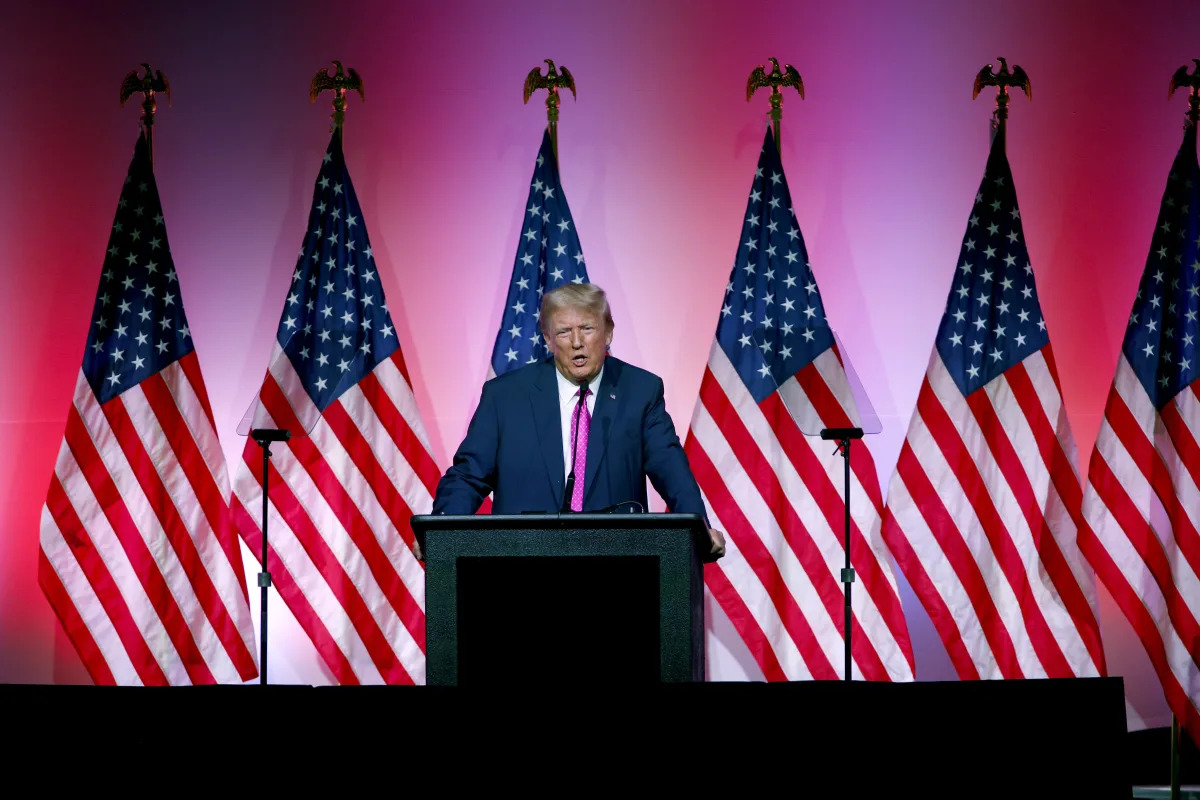
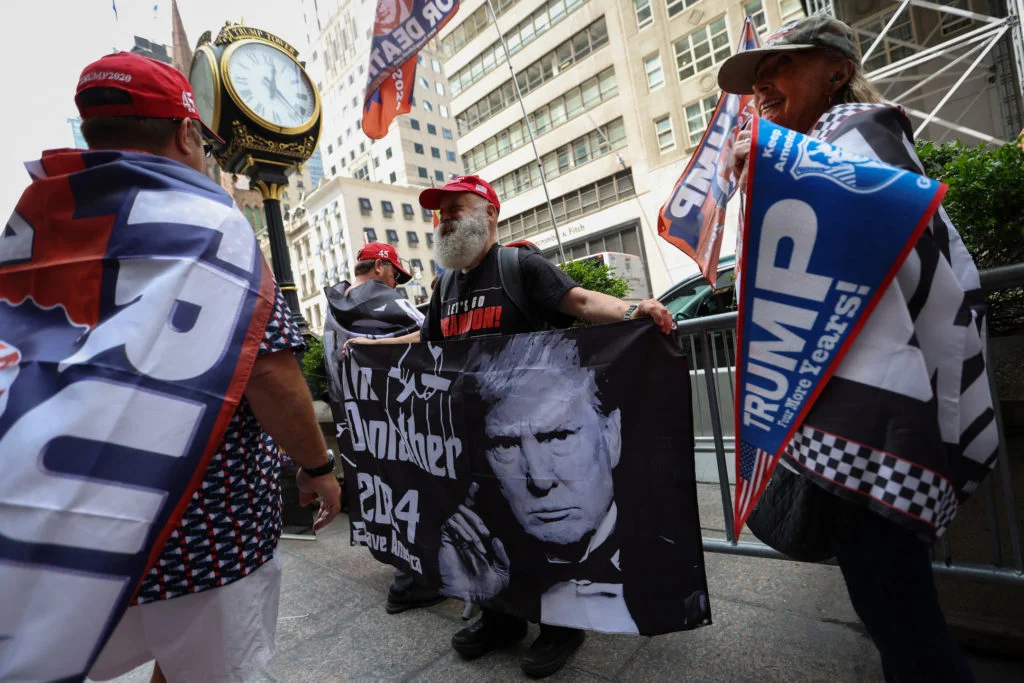
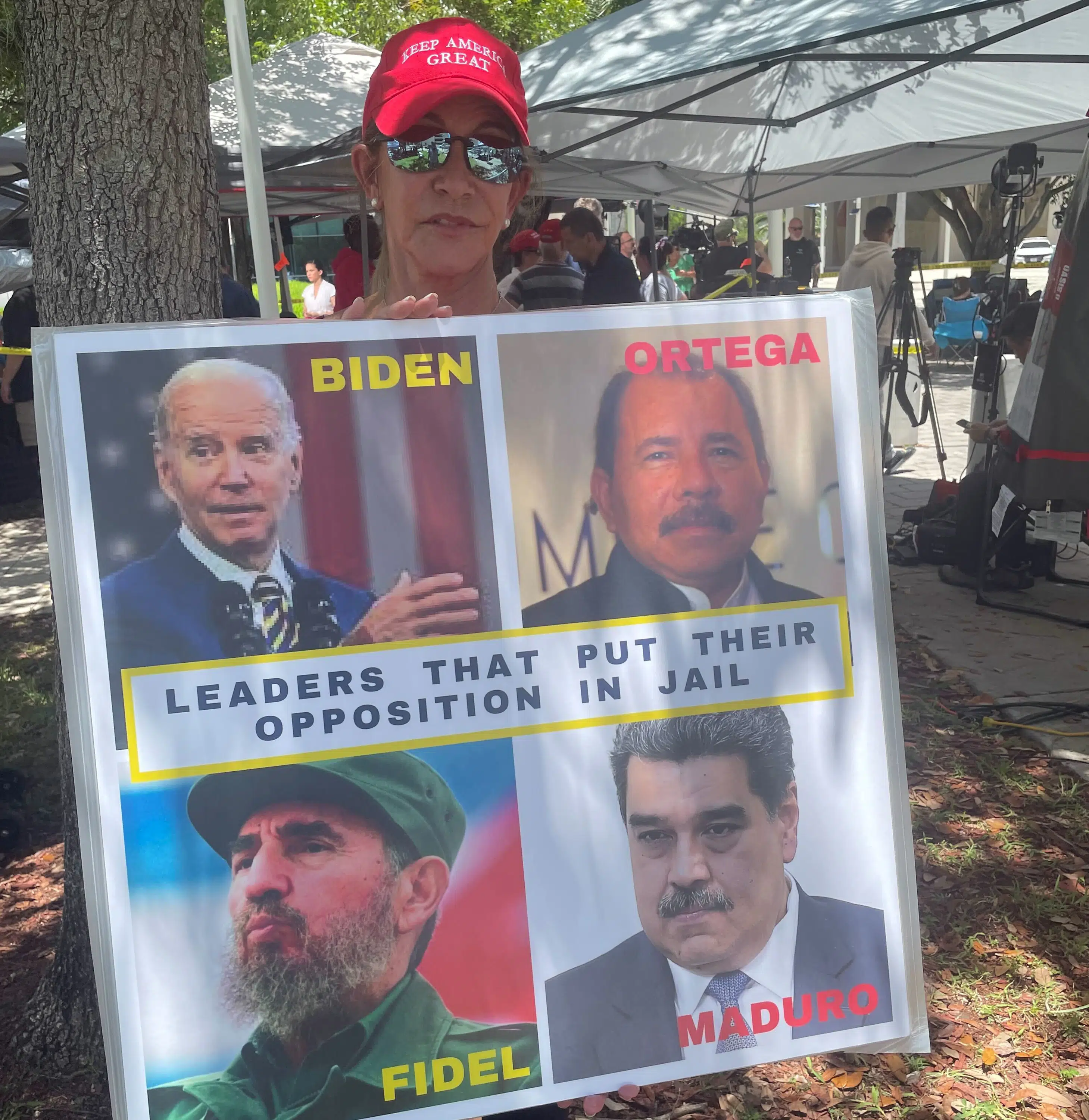
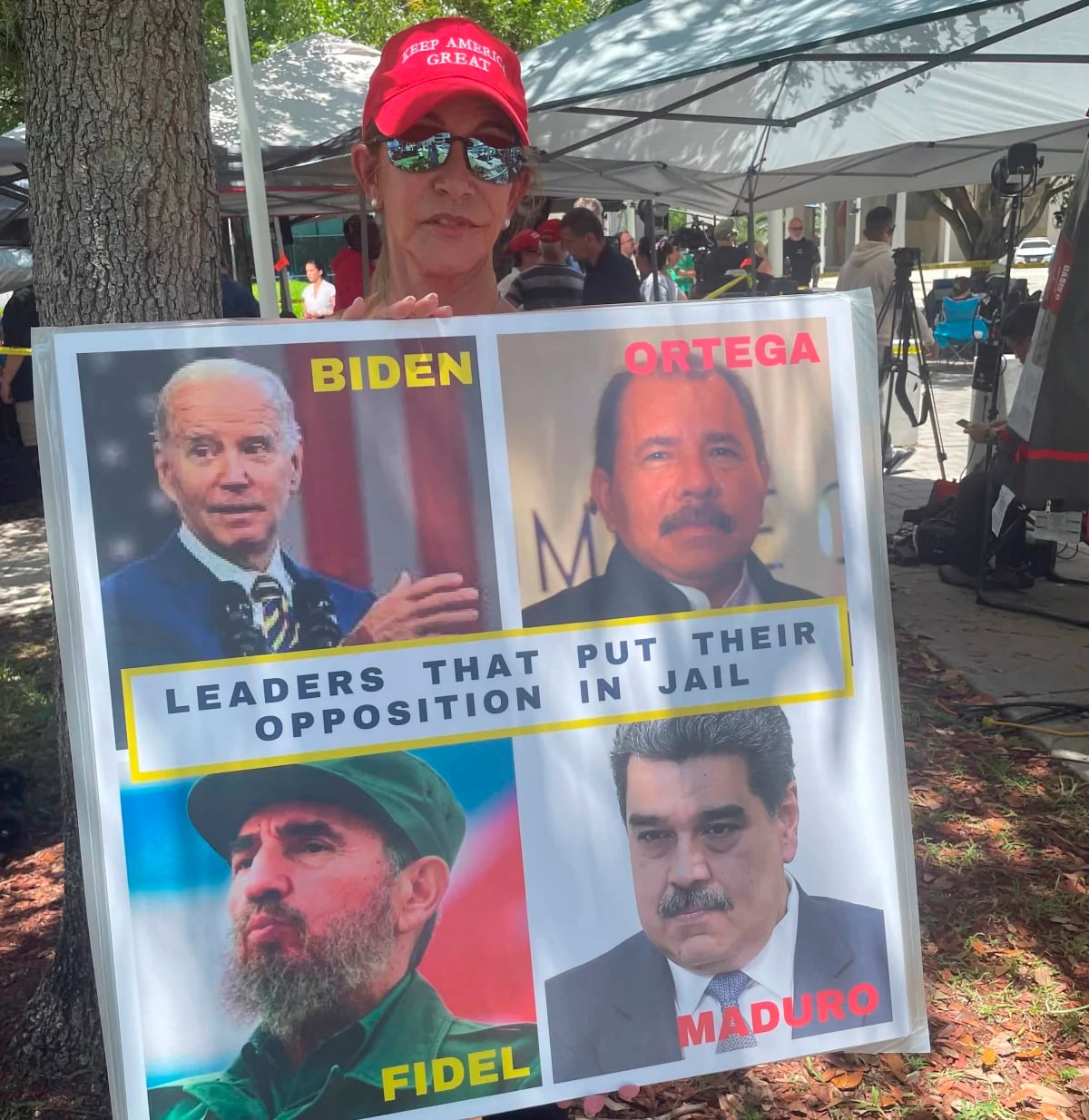
Donald Trump and other Republicans have been using hyperbolic references to Marxism and communism to demonize the Democratic Party, despite the fact that President Joe Biden has promoted capitalism and Democratic lawmakers are not pushing for a communist system. Experts warn that this rhetoric is inaccurate and potentially dangerous, as it attempts to associate an entire party with a description that has long been associated with America's enemies. The tactic may be effective in animating the Republican base, but it is unlikely to sway moderate and independent voters in next year's general election.
Donald Trump and other Republicans have been using the labels "Marxists" and "communists" to attack Democrats, despite the fact that it is inaccurate and potentially dangerous. Experts say that this type of political messaging only furthers the country's polarization and attempts to demonize an entire party with a description that has long been associated with America's enemies. While it may be effective at animating voters who form the Republican base, it may not be an effective strategy in next year's general election as it doesn't easily sway moderate and independent voters who don't see evidence that ties Democrats to those ideologies.
Donald Trump and other Republicans have been using the labels "Marxists" and "communists" to attack Democrats, despite the fact that it is inaccurate and potentially dangerous. Experts say that this rhetoric only furthers the country's polarization and attempts to demonize an entire party with a description that has long been associated with America's enemies. While it may be effective at animating voters who form the Republican base, it may not be an effective strategy in next year's general election as moderate and independent voters do not see evidence that ties Democrats to those ideologies.
Donald Trump and other Republicans have been using the labels "Marxists" and "communists" to attack Democrats, despite the fact that it is inaccurate and potentially dangerous. Experts say that this type of political messaging only furthers the country's polarization and attempts to demonize an entire party with a description that has long been associated with America's enemies. While it may be effective at animating voters who form the Republican base, it may not be an effective strategy in next year's general election as moderate and independent voters don't see evidence that ties Democrats to those ideologies.