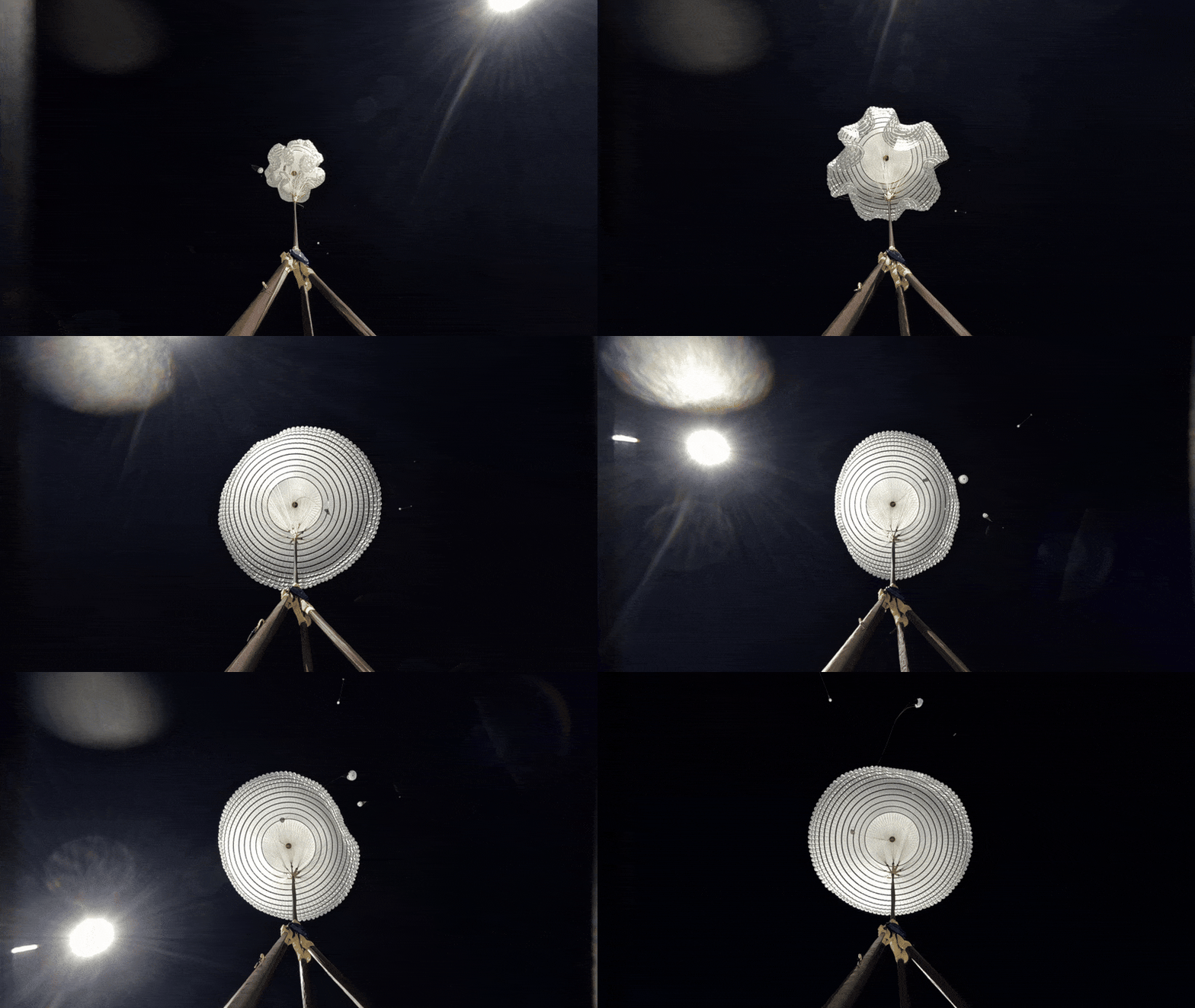
The most complex parachute system ever designed for Mars has successfully been tested in Earth's Arctic conditions using a high-altitude balloon, confirming its readiness for the upcoming ExoMars mission to ensure a safe landing for the Rosalind Franklin rover on Mars.
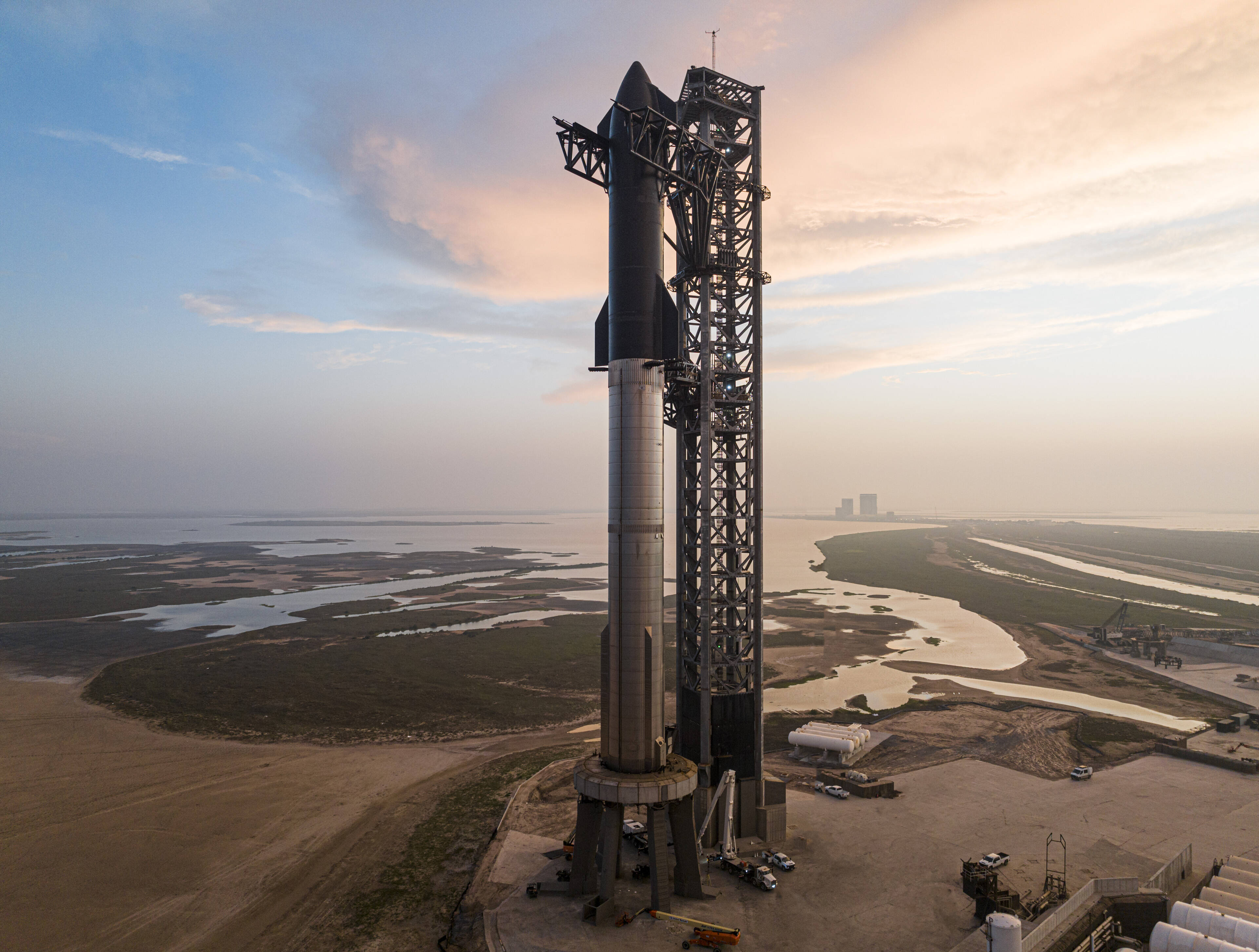
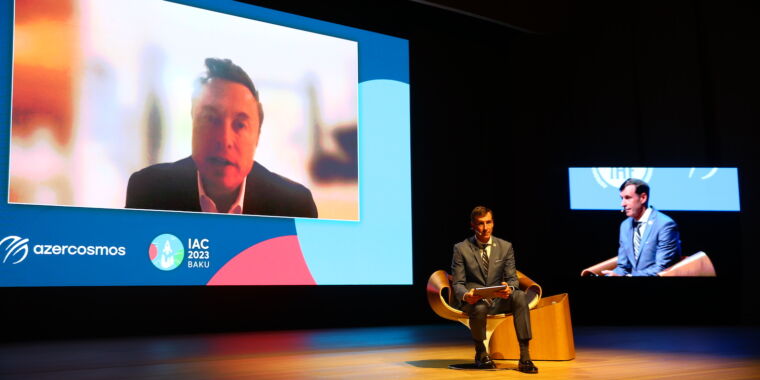
Elon Musk discussed his ambitious plans for SpaceX's Starship rocket during an interview at the International Astronautical Congress. While Musk expressed confidence in catching the booster within a year, regulatory approval from the FAA and successful launches are necessary. Musk also mentioned the possibility of deploying Starlink v3 satellites in a year and landing on Mars within four years. However, concerns remain about the challenges of separating rocket stages without explosions and the need to learn from past failures, such as the Soviet N1 rocket.
During a discussion at the International Astronautical Congress, Elon Musk stated that it is feasible for SpaceX's Starship to achieve a Mars landing without people on board in three or four years. However, there are numerous challenges that need to be overcome before this can happen, including reaching low-Earth orbit, solving the problem of refilling the rocket with cryogenic propellants in space, recovering the vehicle after reentry into Earth's atmosphere, and navigating through deep space. Musk's vision is to build a self-sustaining city on Mars, and the Starship is central to that goal. SpaceX's current focus is to get the Starship into orbit and eventually recover the rocket's first-stage booster.