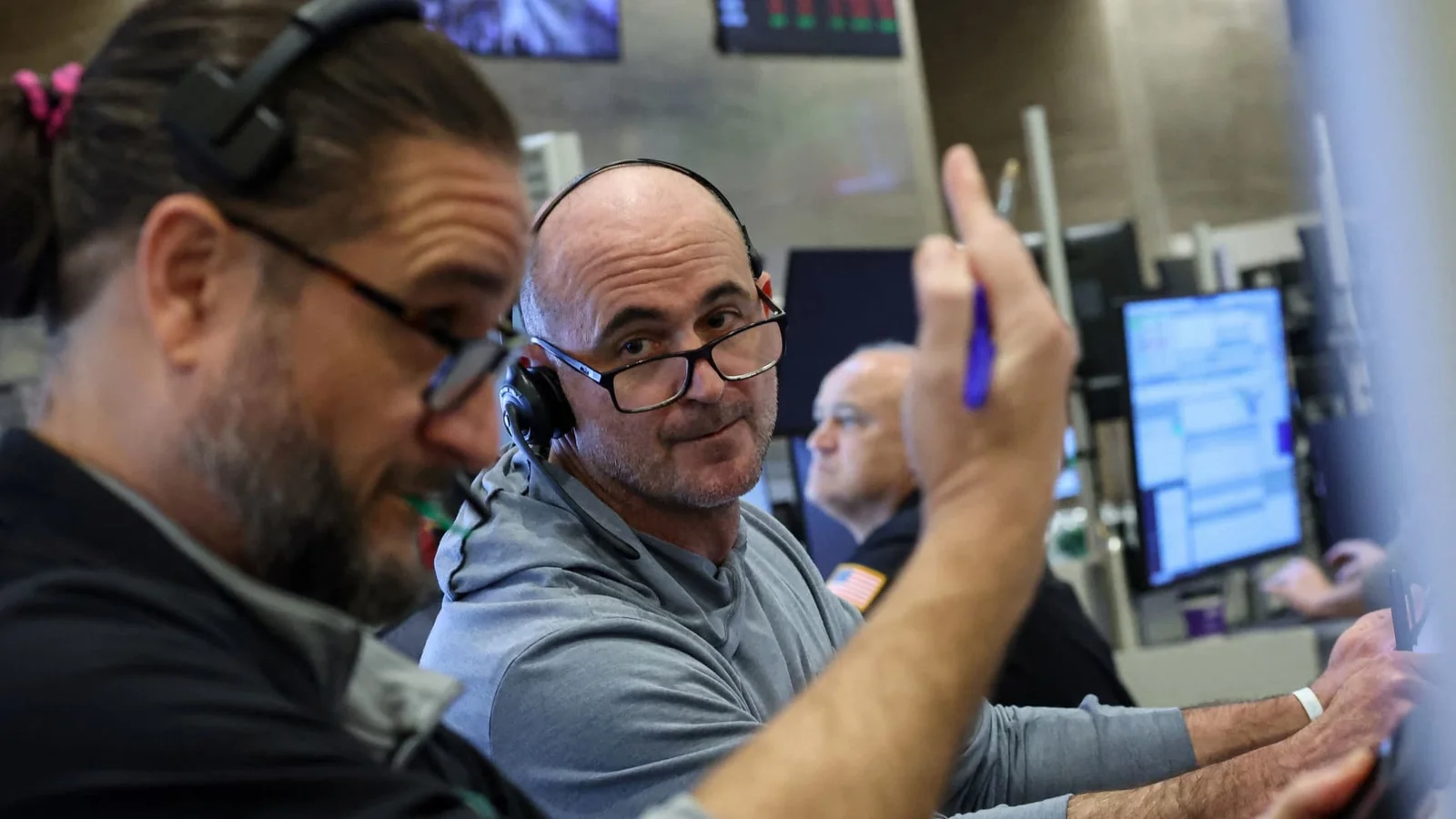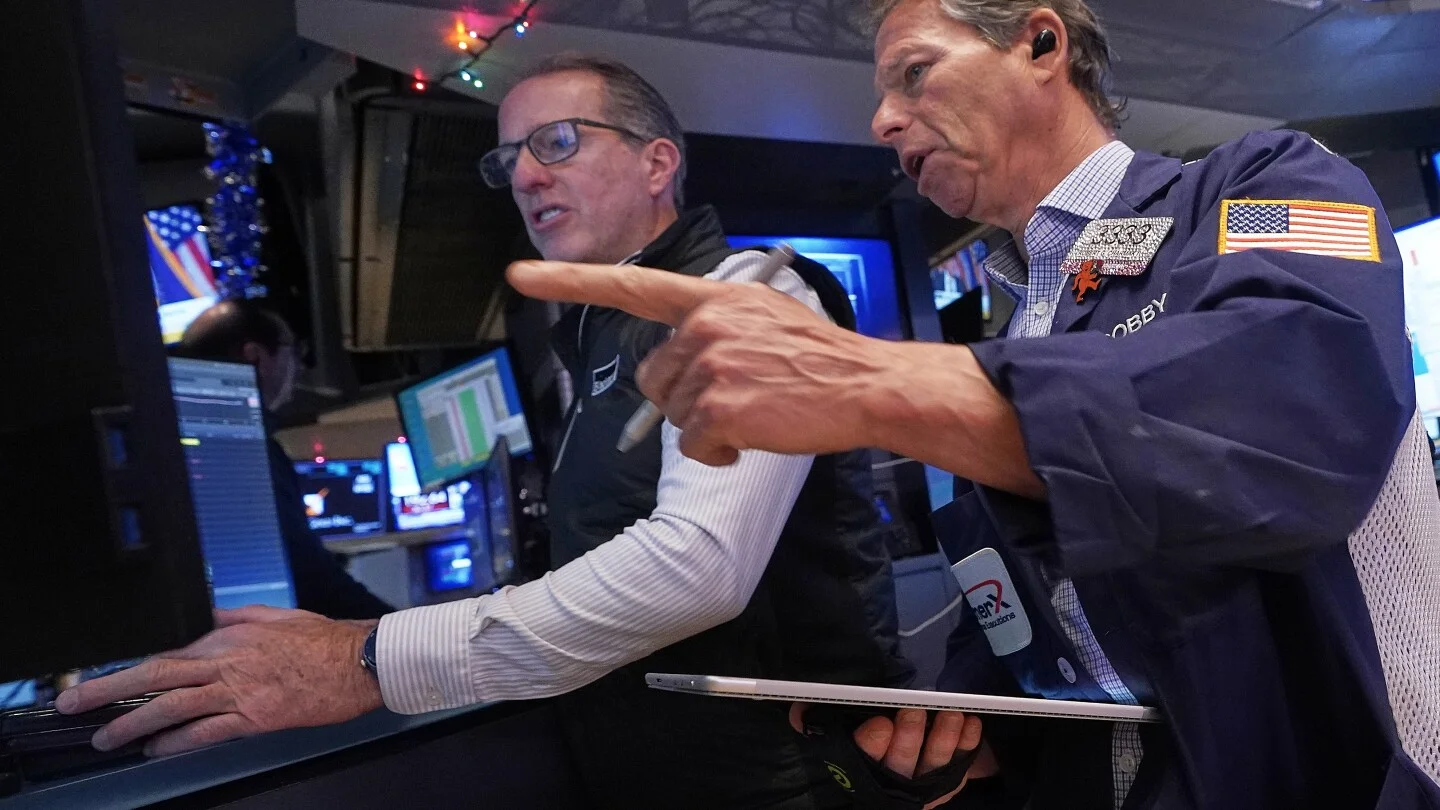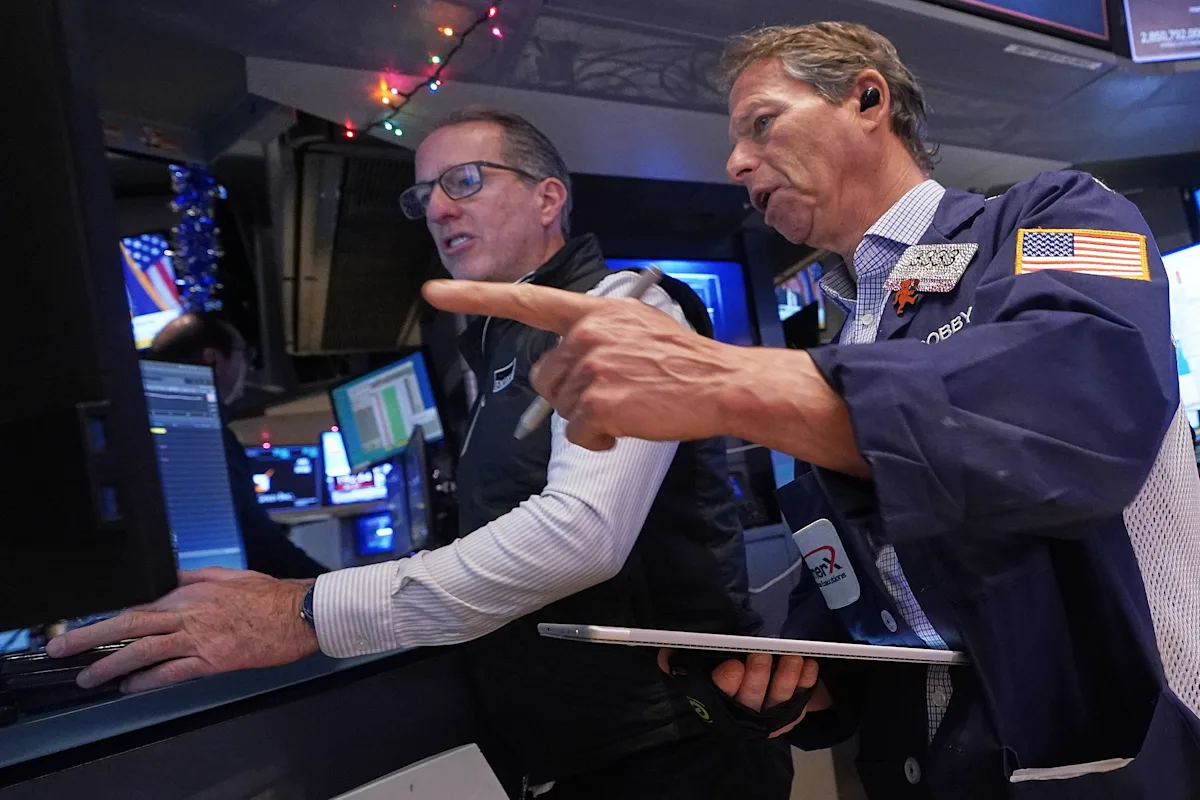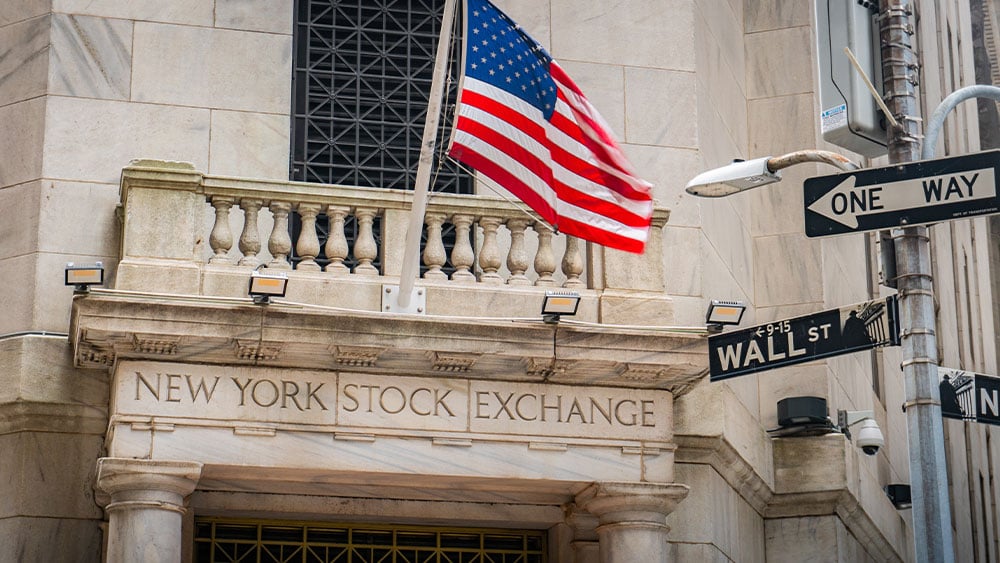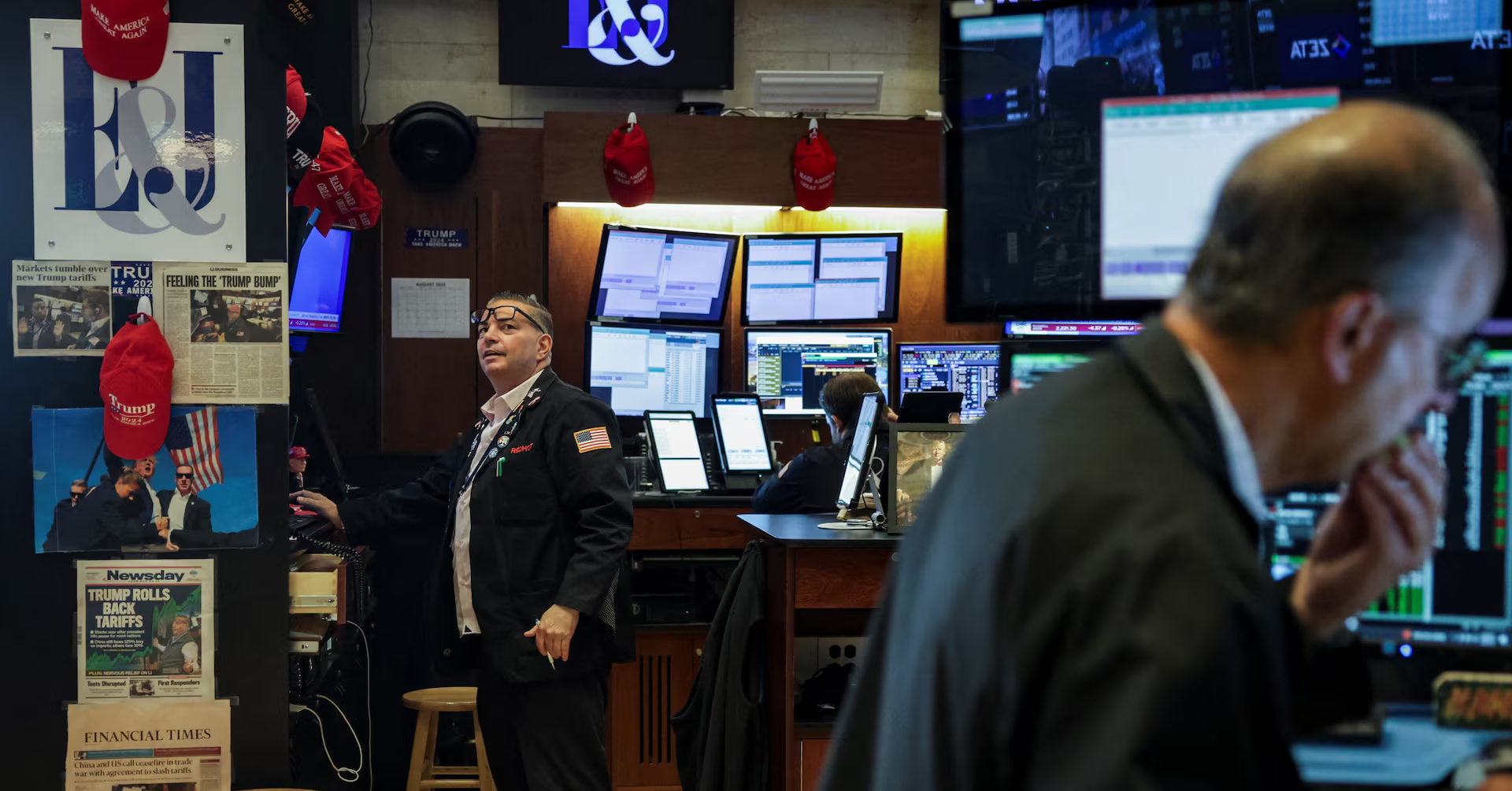
The stock market experienced significant gains with the Dow, S&P 500, and Nasdaq reaching new highs, driven by strong earnings, a surprise jobs report, and positive sector performances, including aerospace and defense stocks, amid ongoing economic and political developments.
The article reviews the past week in the markets, highlighting the initiation of a new investment position and discussing the top gainers and laggards of 2025, providing insights into market trends and investor activity.
In 2025, the US stock market was driven primarily by the technology and communication services sectors, with Nvidia and Alphabet leading the gains due to the AI boom. While these sectors soared, consumer defensive and real estate stocks lagged behind. Overall, the market gained 17.4%, with nearly 60% of the gains attributable to tech and communication stocks, especially AI-related companies.
Warren Buffett steps down as CEO of Berkshire Hathaway, leaving behind a company near all-time highs with a market cap over $1 trillion, and Greg Abel takes over as the new CEO, continuing Buffett's legacy of impressive investment success.
The article discusses the five biggest stock winners of the year and analyzes the key factors that contributed to their significant gains, providing insights into market trends and investment drivers for 2023.
Retail investors had a highly successful year in 2025, outperforming traditional Wall Street professionals by buying the dip during market downturns and shifting focus to ETFs like gold, demonstrating increased sophistication and influence in the market.
U.S. stock futures are mostly flat as markets head into a week with gains, with the S&P 500 on track for its fourth weekly increase, driven by strong seasonal trends and positive earnings reports like Ross Stores' record performance, despite ongoing economic and geopolitical concerns.
US stocks rose on Friday, with major indexes gaining weekly, driven by strong performances in AI-related stocks like Nvidia and Broadcom, amid ongoing concerns about inflation, corporate earnings, and economic outlooks. Notable movements included Oracle's joint venture with TikTok and mixed results from companies like Nike and Lamb Weston, while consumer sentiment and inflation data added to market uncertainty.
Stocks rose on Wall Street for a second consecutive day, driven mainly by technology and AI stocks, with Nvidia and Broadcom leading gains. The S&P 500 and Nasdaq closed higher, despite earlier losses, amid ongoing concerns about inflation, tariffs, and consumer sentiment. Oracle's new TikTok joint venture boosted investor optimism, while some companies like Nike and Lamb Weston faced declines due to tariffs and market conditions.
Build-A-Bear has seen over 60% stock growth in 2025 despite tariffs and declining mall traffic, driven by strong store performance and consumer interest in craft-oriented products, with the company adjusting strategies to mitigate tariff impacts.
The stock market closed at record highs following positive news from a US-China phone call between Trump and Xi, with major indexes like the Dow, S&P 500, and Nasdaq gaining, while some stocks like Cathie Wood's AI holdings and Scholastic faced declines. The market was influenced by a trade deal outlook, interest rate cuts, and earnings reports, with notable movements in tech, gold, and transportation stocks.
Oracle's strong earnings and a $300 billion deal with OpenAI boosted Larry Ellison's net worth, briefly making him the world's richest man, while other tech news covered Microsoft’s return-to-office policy, Klarna’s IPO success, and AI industry insights, including Elon Musk's changing perception and political tensions around AI.
U.S. stock indexes, led by the Nasdaq, reached record highs driven by strong tech shares like Apple and optimism about potential interest rate cuts amid economic data and geopolitical developments, with the market also reacting to corporate earnings and trade tensions.
Cryptocurrency markets experienced volatility with Bitcoin nearing $115,000 and XRP leading gains, amid concerns over Trump's tariffs and Fed rate signals. Despite ETF outflows and market dips, opportunistic buyers are stepping in, and broader macroeconomic factors provide some support, though sentiment remains cautious.
Retail investors are experiencing significant gains by adopting a 'buying the dip' strategy in US stocks, capitalizing on market downturns to purchase stocks at lower prices and benefit from subsequent recoveries.