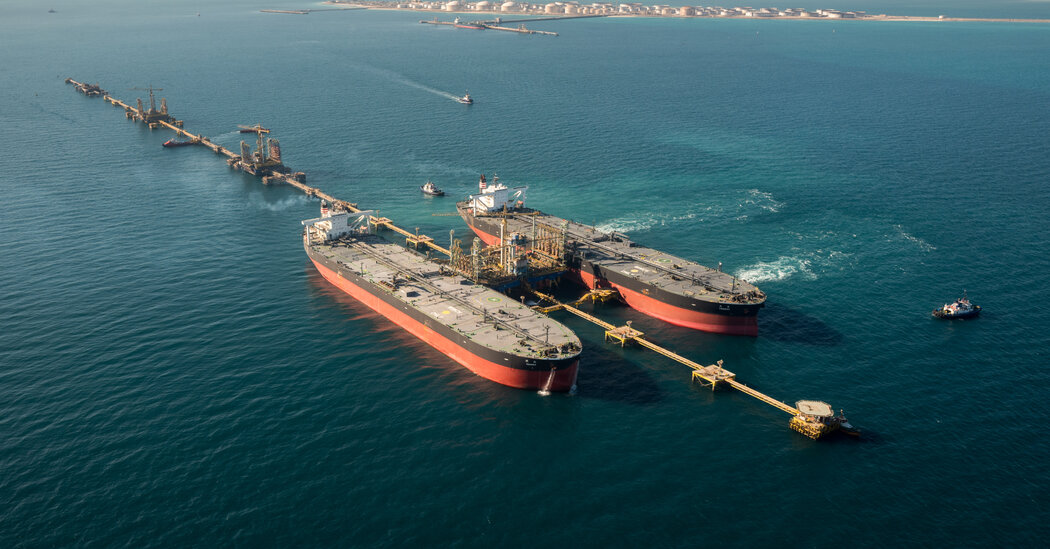
Gas prices in the US have dropped to around $3.05 per gallon, the lowest since May 2021, driven by increased oil supply, lower demand, and geopolitical stability, with projections suggesting prices may fall further to $3 soon.
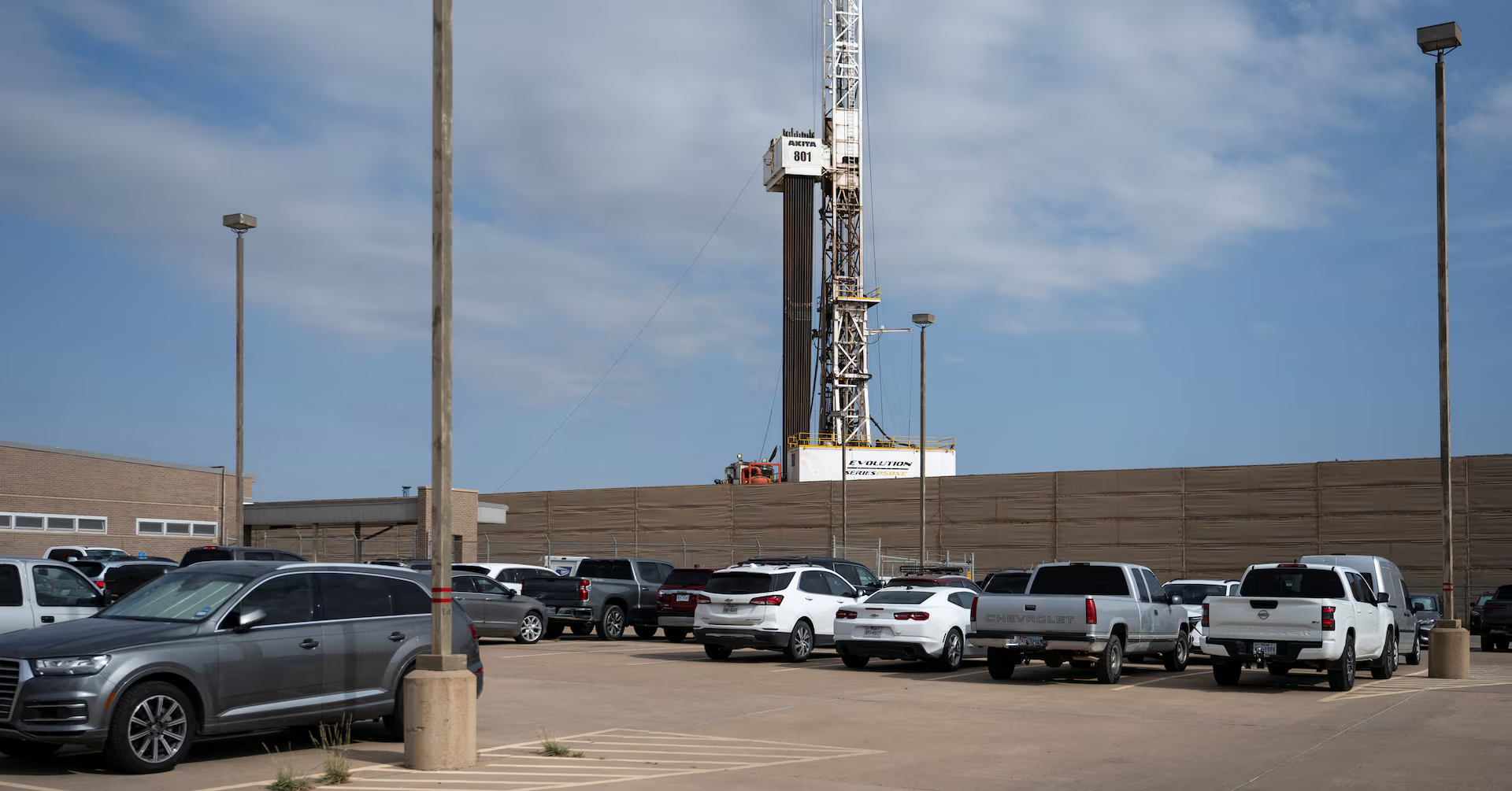
Oil prices remained steady after earlier gains as investors balanced concerns over the Iran-Israel ceasefire with a focus on strong US demand and market fundamentals, including falling US inventories and potential OPEC+ output adjustments.
OPEC Plus members, including Saudi Arabia and Russia, plan to accelerate oil production in July by 411,000 barrels per day, signaling a shift in policy to increase supply amid a steady global economic outlook and market conditions, partly influenced by U.S. political dynamics and efforts to lower oil prices.
Spotify's decision to lay off 17% of its staff may seem confusing given its positive operating income and strong cash flow, but the company's market fundamentals and investor perception play a significant role. Despite its revenue growth and profitability, Spotify is not receiving the same level of investor respect as before. The company aims to regain that respect and improve its market position.
OPEC remains optimistic about the oil market, stating that recent concerns about demand are exaggerated. The cartel expects Chinese crude imports to reach a new annual record in 2023, and global oil demand to grow by 2.5 million bpd this year. OPEC revised its forecast slightly higher and sees healthy oil demand growth for 2024. Despite recent price drops, OPEC and its members believe that market fundamentals remain strong.
Oil prices have stabilized after last week's surge, with Brent crude trading close to $85 per barrel and West Texas Intermediate at close to $80.50 per barrel. The OPEC+ announcement of additional production cuts has driven out short sellers, allowing oil prices to better reflect fundamentals. Traders are assessing the impact of the announcement on global oil supply, and the March CPI report will be closely watched this week. Additional constraints on supply come from Iraq, where shipments of crude from Kurdistan have yet to restart.