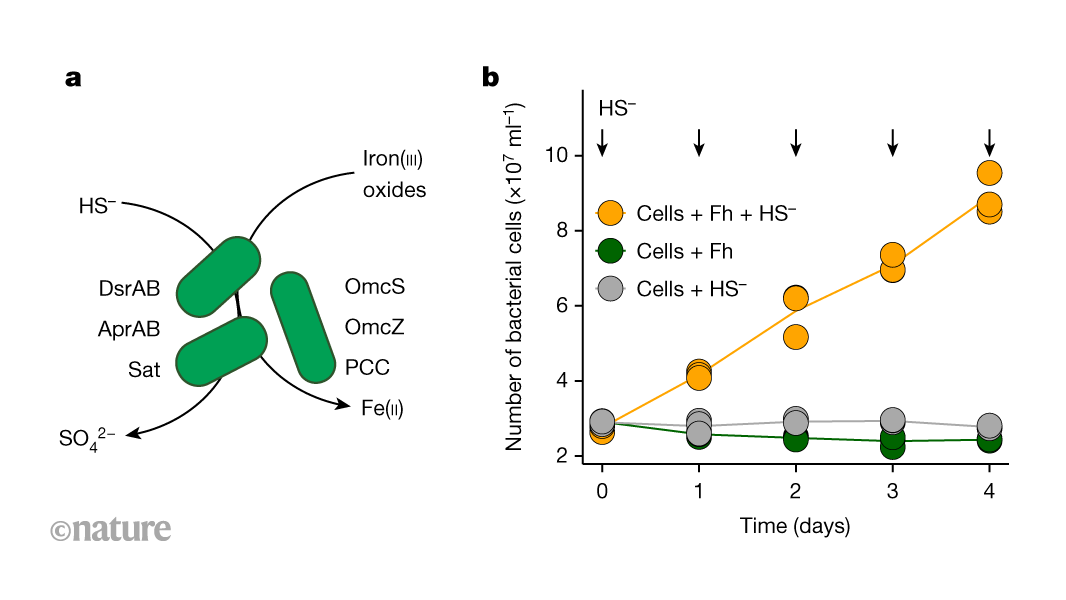
Researchers discovered a bacterium that metabolizes solid iron oxides using sulfide as an energy source, revealing a microbial link between sulfur and iron cycling in oxygen-free environments like aquatic sediments, challenging previous assumptions that this process was solely chemical.
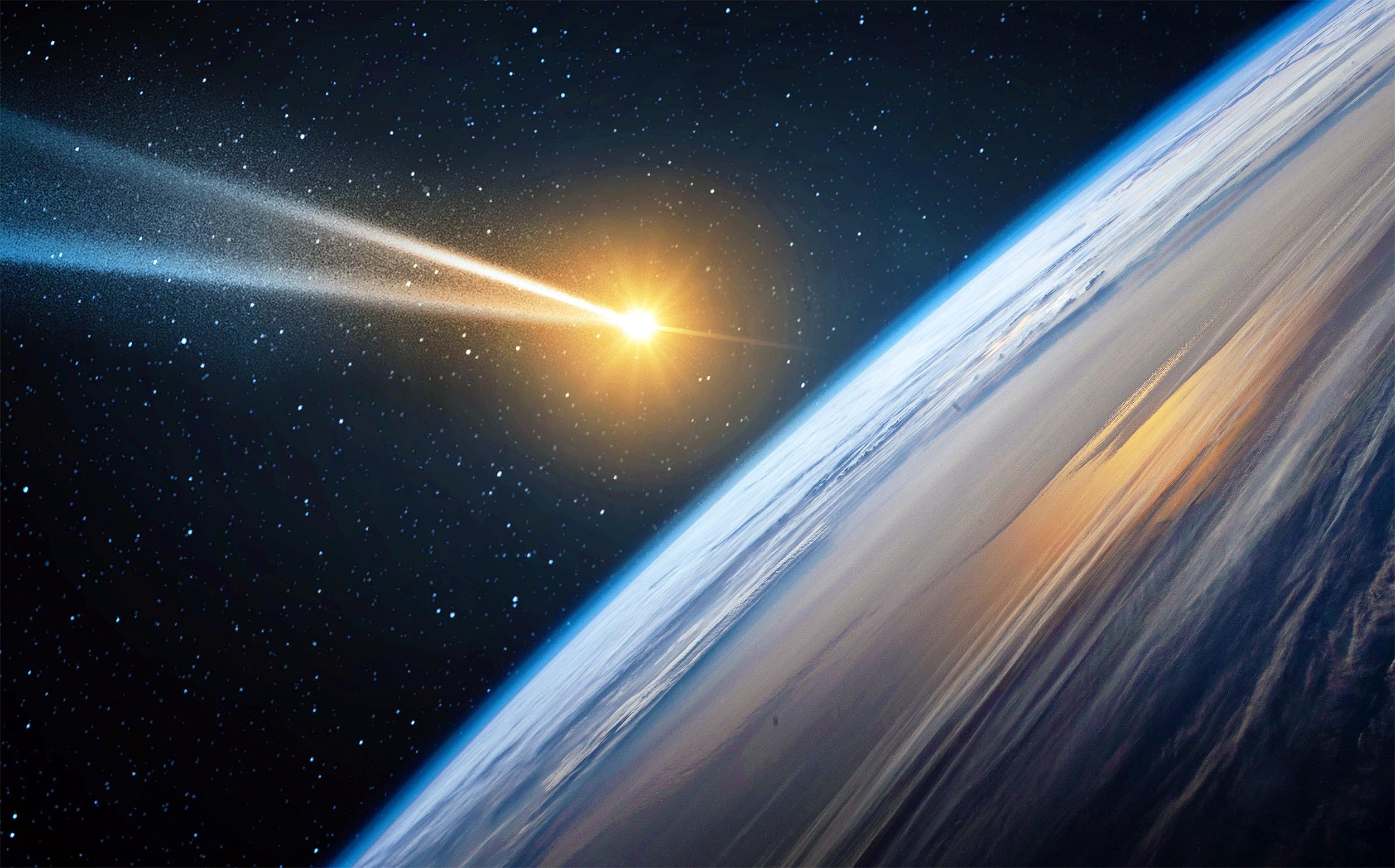
Tiny metallic beads found in Arctic mud suggest a comet impact may have triggered the abrupt climate change during the Younger Dryas period, challenging the traditional meltwater hypothesis and indicating a possible extraterrestrial influence on Earth's climate history.
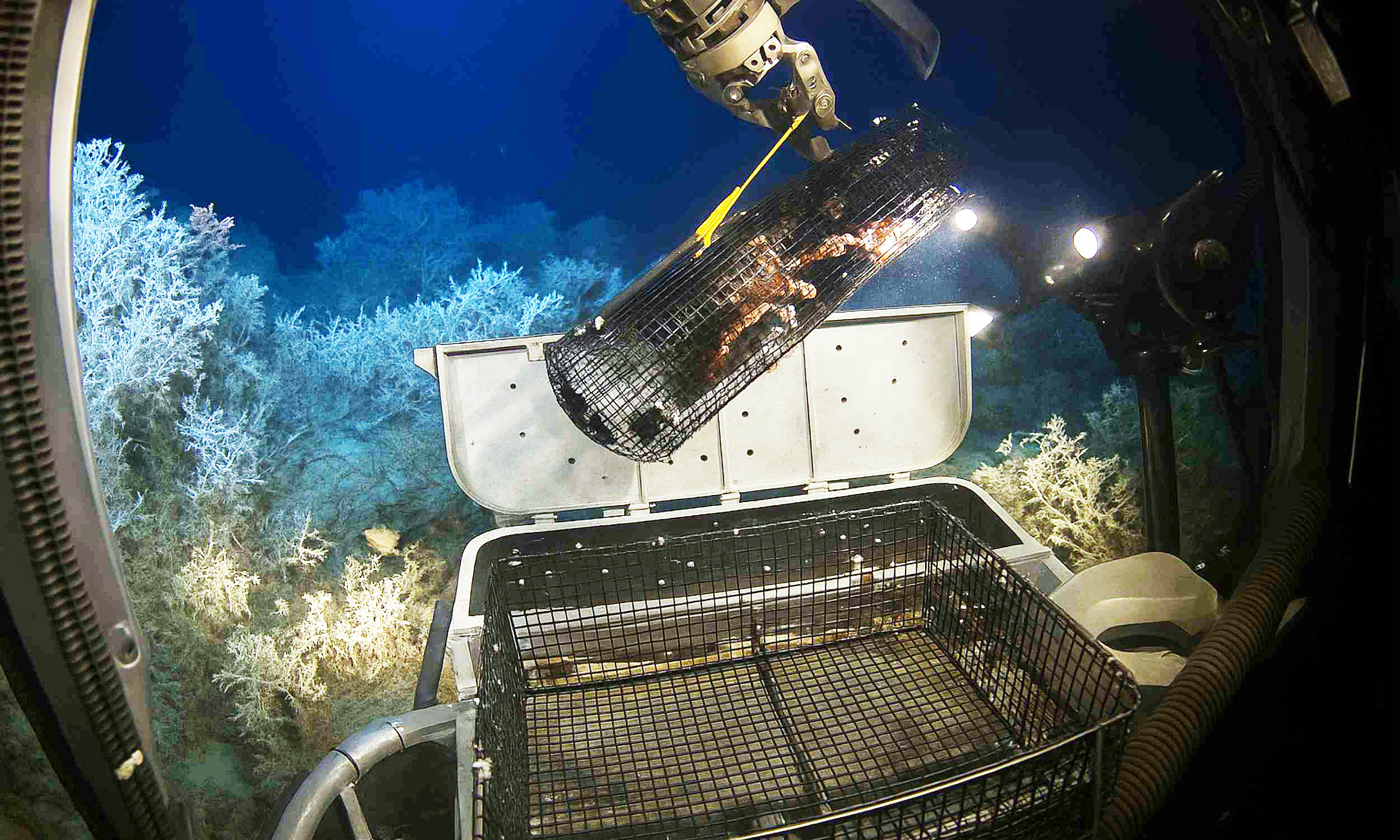
Scientists discovered an unexpected accumulation of radioactive isotope beryllium-10 in ocean sediments from around 10 million years ago, suggesting a significant change in ocean circulation or cosmic events during the Late Miocene, which could serve as a global marker for climate and ocean history.
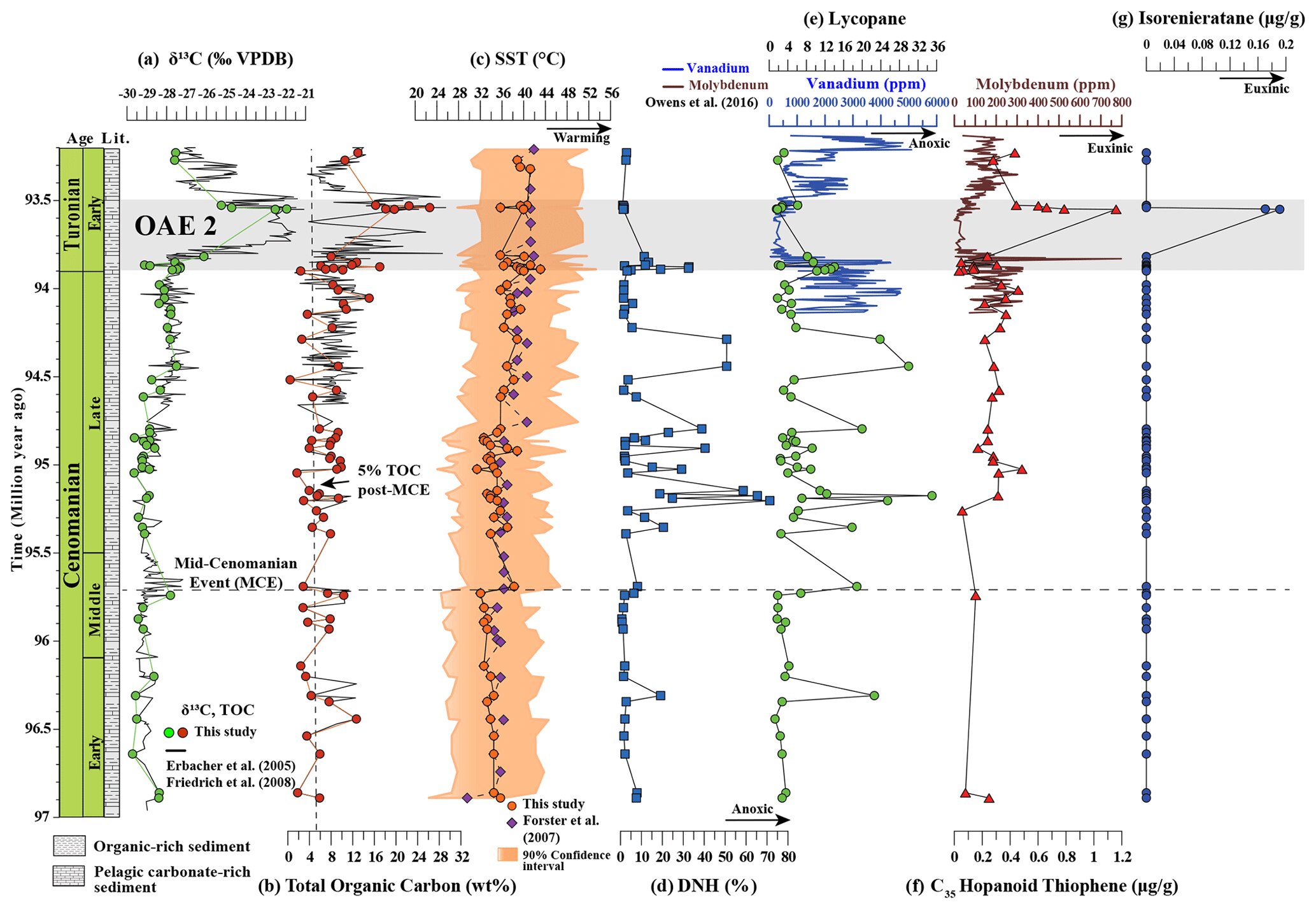
Research on deep-sea sediments from the Cenomanian period (~93.5 million years ago) suggests that Oceanic Anoxic Event 2 (OAE2) was caused by volcanic activity and climate warming, leading to widespread ocean anoxia. The study reveals a significant increase in total organic carbon content and sea surface temperature during this period, indicating a decline in oxygen levels. The findings highlight the potential future expansion of oxygen minimum zones in today's oceans due to global warming, posing a threat to marine ecosystems and biodiversity. Understanding past episodes of marine anoxia is crucial for guiding decisions to safeguard the future of Earth's oceans amidst ongoing climate change.