Colorado's economy, once booming and driven by population growth, housing prices, and the marijuana industry, is now experiencing a slowdown with declining migration, housing market challenges, and reduced marijuana sales, raising concerns about a potential recession.
The struggling marijuana industry is hoping for Ohio's Issue 2, which would legalize recreational marijuana for adults, to help boost its bottom line. Despite marijuana sales growing nationally, the industry has largely struggled to make a profit. Companies like Scotts Miracle-Gro, which has seen its stock plunge, are looking to state and federal legalization to provide a much-needed boost. While state legalization has not proven to be a panacea in the past, industry leaders believe that federal legalization is the ultimate solution. However, they still see potential benefits in state legalization, such as job creation and economic development. The recreational pot market in Ohio could reach $2 billion if Issue 2 is approved. Challenges facing the industry include oversupply, competition from the black market, and federal restrictions on banking and tax deductions.
Colorado's marijuana industry is experiencing its worst 4/20 sales in five years, with falling sales, business closures, and layoffs. Factors contributing to the decline include oversupply, lack of demand, increased competition in other states, dropping prices, a decline in cannabis tourism, and the allure of black market weed. In April 2021, total medical marijuana sales hit a record low since sales began in 2014, while retail marijuana sales reached their lowest point since April 2020.
Colorado's marijuana industry experienced its worst 4/20 sales in five years, with falling sales, business closures, and layoffs. Factors contributing to the decline include oversupply, lack of demand, increased competition in other states, dropping prices, absence of cannabis tourism, and the allure of the black market. April's combined medical and retail marijuana sales reached approximately $132 million, the lowest in five years. The number of medical marijuana store licenses in Denver has fallen by 27% over the past five years, while the number of retail marijuana store licenses has increased by 13%. Delivery permits associated with stores have also grown.
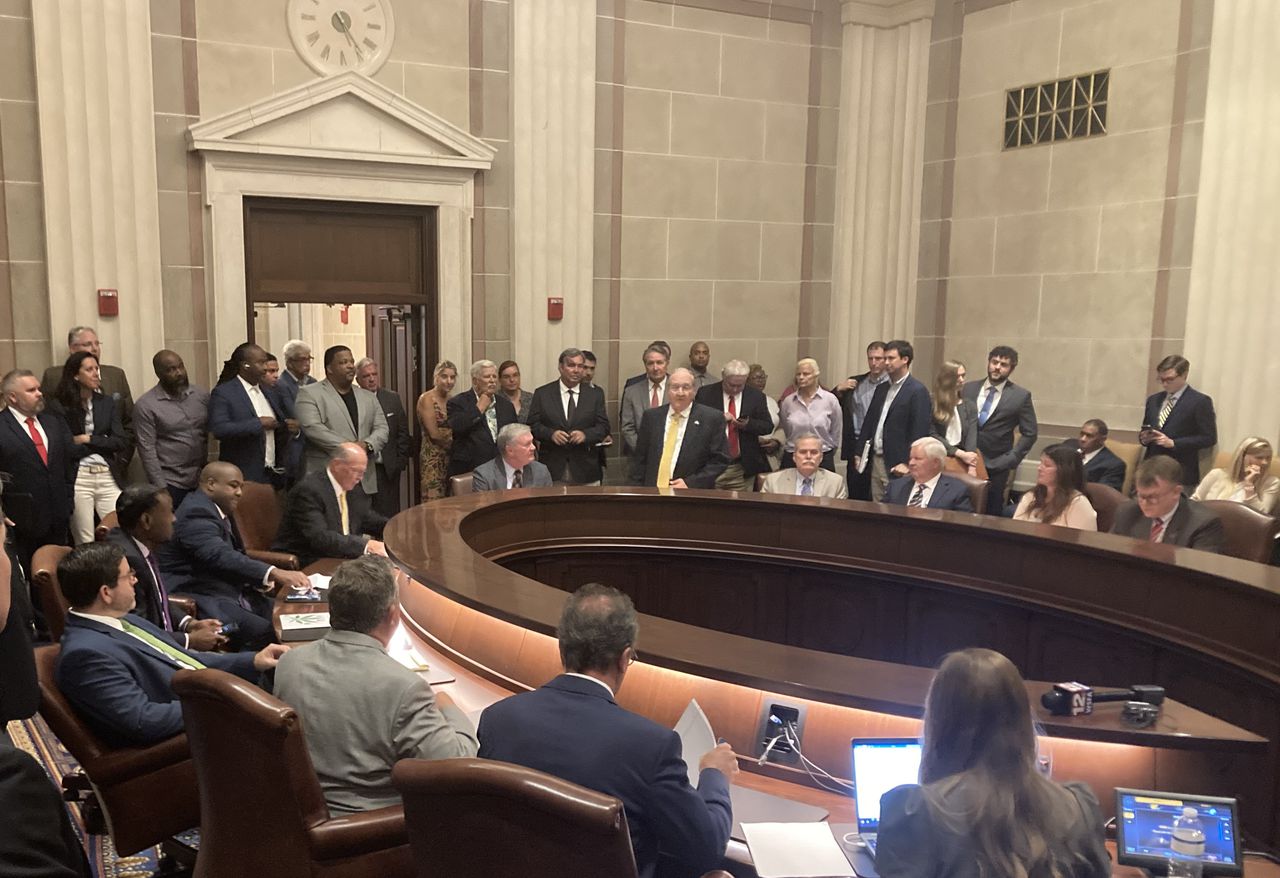
Nevada regulators have approved the first three cannabis consumption lounges, including two in the Las Vegas Valley, paving the way for some of the state’s first public spaces that allow marijuana use. The licensees must receive approval through their local jurisdictions and undergo a final inspection before opening. The Cannabis Compliance Board also adjusted its air quality regulations for consumption lounges during the Tuesday meeting.
The Alabama Medical Cannabis Commission has awarded licenses to 21 companies that will be part of the state's new medical marijuana industry as cultivators, processors, transporters, dispensaries, and a testing lab. The AMCC chose the licensees from 90 companies that applied. The companies chosen have 14 days to pay their licensing fee. The AMCC plans to issue licenses on July 10.
Oregon Secretary of State Shemia Fagan has resigned after it was revealed that she had taken a side job as a consultant for a cannabis company while her office was auditing the state's marijuana program. Fagan's resignation will take effect on May 8, and Deputy Secretary of State Cheryl Meyers will take over the job on a temporary basis. Fagan apologized for undermining the public's trust and said she took the side gig due to low pay. Governor Tina Kotek supported Fagan's resignation, saying it is essential that Oregonians have trust in their government.
The legal marijuana industry in the US is facing economic struggles due to oversupply and high taxes, with some licensed growers funneling product to the black market just to stay afloat. While some are hoping for President Joe Biden’s administration to clear the way for marijuana trade among states that have legalized the drug, others are concerned that regulations in some states may hamper their ability to compete in an interstate marketplace. The oversupply has led to plummeting prices, with some California growers pushing legal product into illicit sales. Despite predictions of an industry-wide collapse, some growers have found a happy medium and are surviving and profiting through brand loyalty.