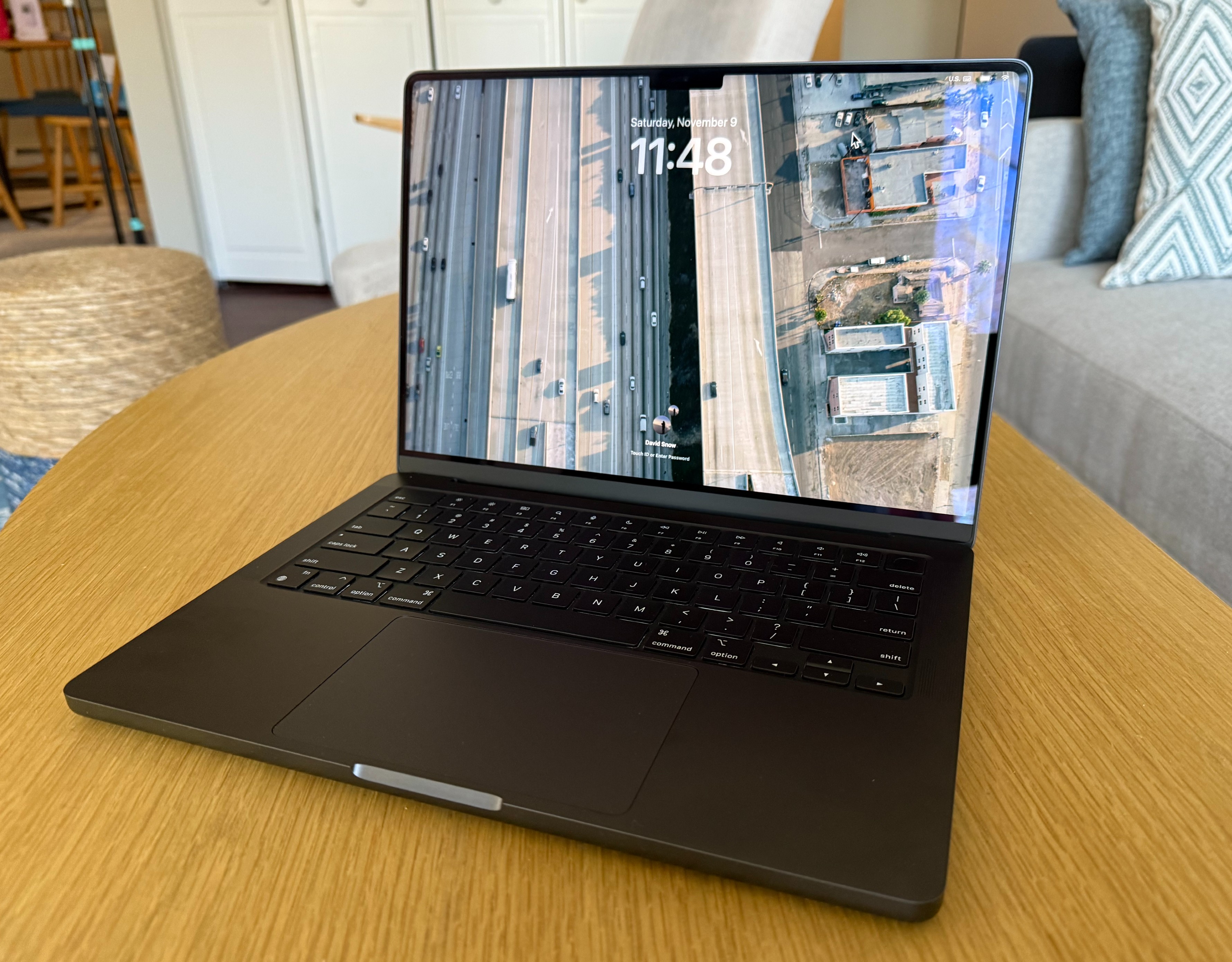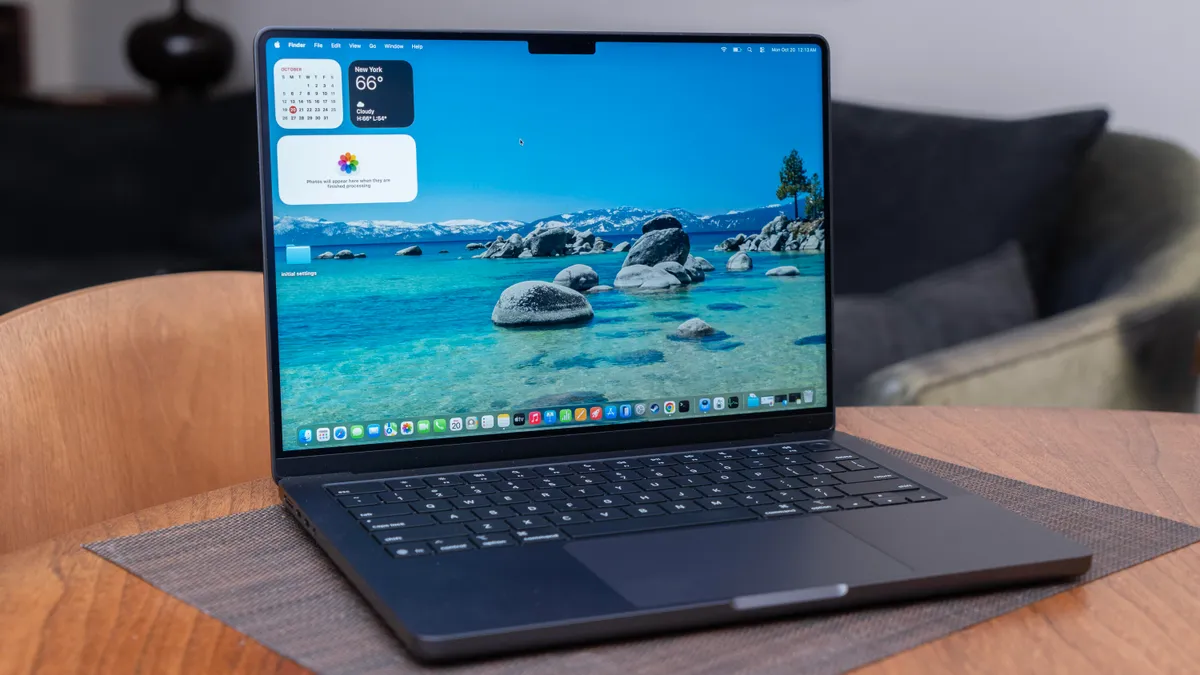
The M5 MacBook Pro 14 (late 2025) offers significant GPU performance improvements over its predecessor, especially in AI and ray-traced graphics, but overall performance gains are narrow, and gaming performance remains limited. The device maintains excellent design, display quality, and battery life, but lacks major redesigns and has some drawbacks like a persistent notch and limited external display support. Upgrading is recommended mainly for those seeking a performance boost, with current models still being a solid choice.
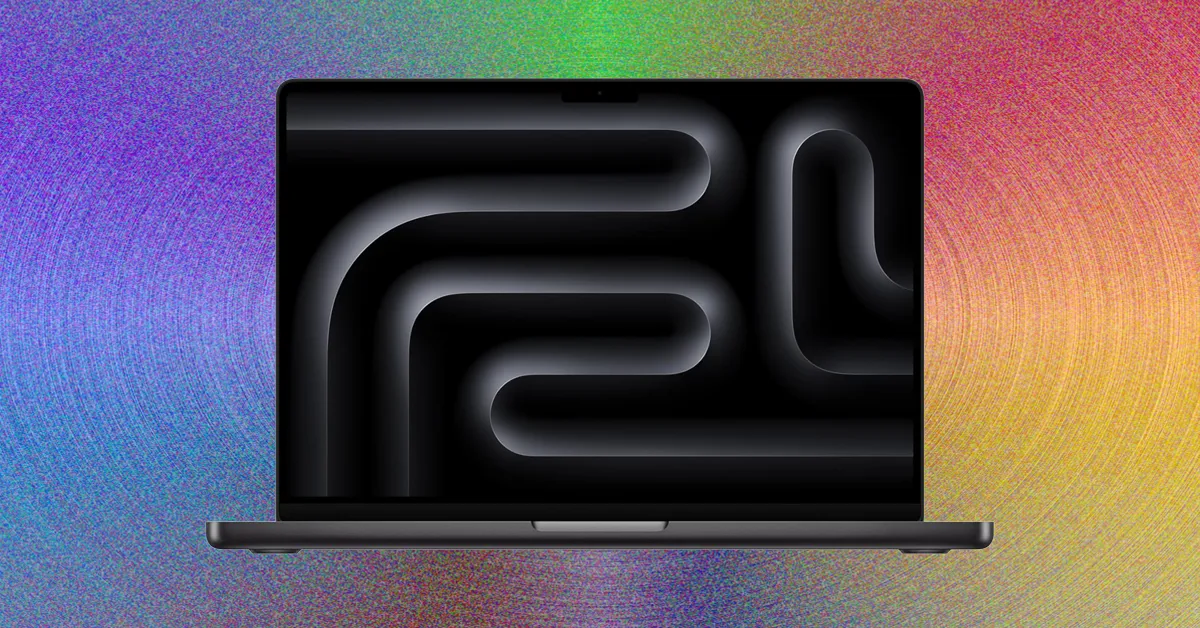
The new M5 MacBook Pro offers modest upgrades primarily in performance, with an impressive single-core score and improved graphics and AI capabilities, but retains the same design, display, and ports, making it a less revolutionary update for most users.
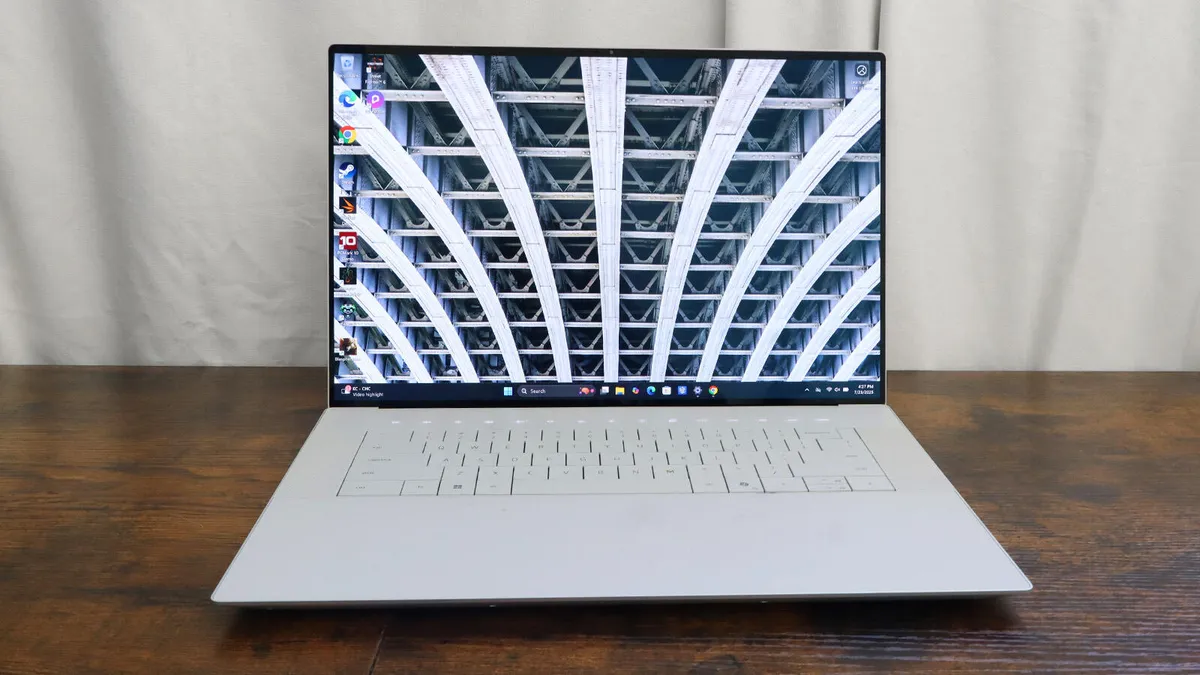
The Dell Premium 16, a successor to the XPS 16, offers high-end hardware suitable for heavy workloads like graphic design, featuring a vibrant 4K OLED display and strong performance, but it tends to run warm and has limited battery life, making it a solid yet imperfect choice for power users.
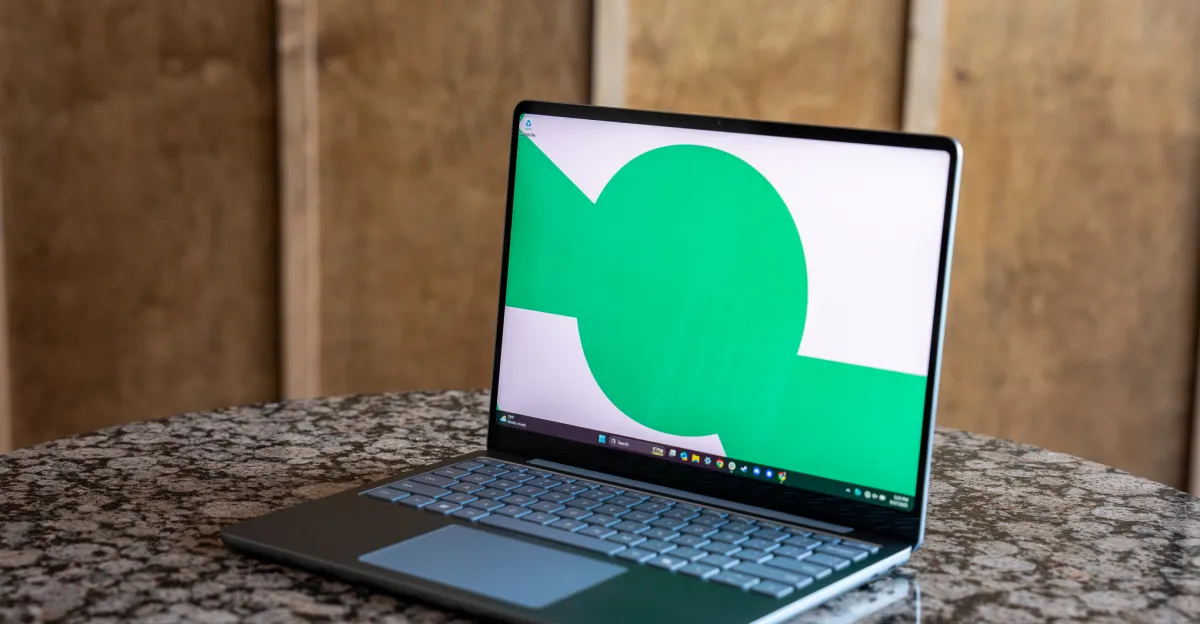
The Microsoft Surface Laptop 13-inch offers excellent hardware and battery life at a lower price point, but features some compromises like a lower-resolution screen, fewer cores, and app compatibility issues with Windows on Arm, making it suitable for general productivity but less ideal for creative or gaming tasks.
The new 14-inch M4 Pro MacBook Pro, while visually similar to its predecessors, offers significant performance improvements with its M4 Pro chip, featuring a 12-core CPU and 16-core GPU. The laptop boasts enhanced battery life, faster recharging, and a vibrant display, making it a compelling upgrade for power users and professionals. Despite the lack of a design overhaul, the M4 Pro's advancements in speed and efficiency make it a worthwhile investment for those seeking future-proofing in their computing needs.
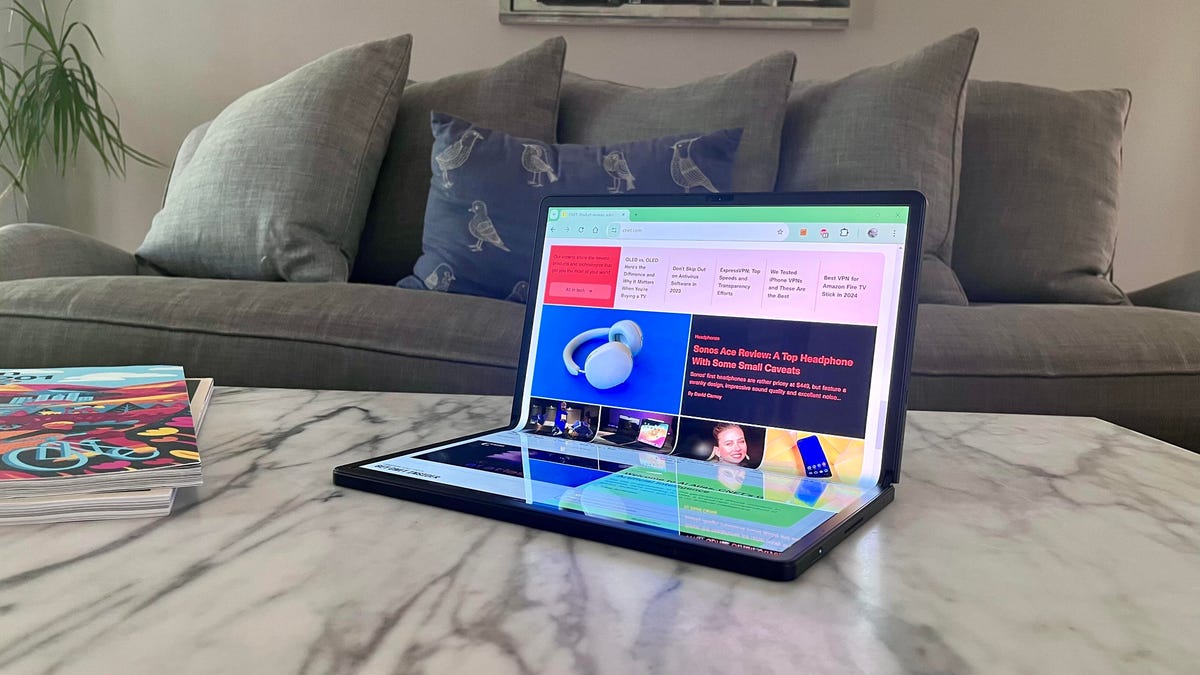
The Lenovo ThinkPad X1 Fold 16 offers a cool and versatile folding design with a stunning 16.3-inch OLED display, but it struggles in laptop mode due to a cramped screen, outdated CPU, and poor battery life. While it works well as a portable all-in-one device, its high price and necessary add-ons make it less appealing for mainstream users. Improvements in design, performance, and cost are needed for foldable laptops to gain broader appeal.
A laptop reviewer expresses excitement for the potential of new Windows on ARM laptops, citing the impressive performance and efficiency of Apple's ARM-based chips. However, the past performance of Windows on ARM laptops has been lackluster, with issues such as slow speed and limited application compatibility. The upcoming Qualcomm Snapdragon X Elite chipset promises improved performance and efficiency, and the integration with the next version of Windows, code-named Germanium, is anticipated to enhance the platform. The reviewer hopes that this new generation of Windows on ARM laptops will offer competitive performance and battery life, attracting developers and expanding application support.
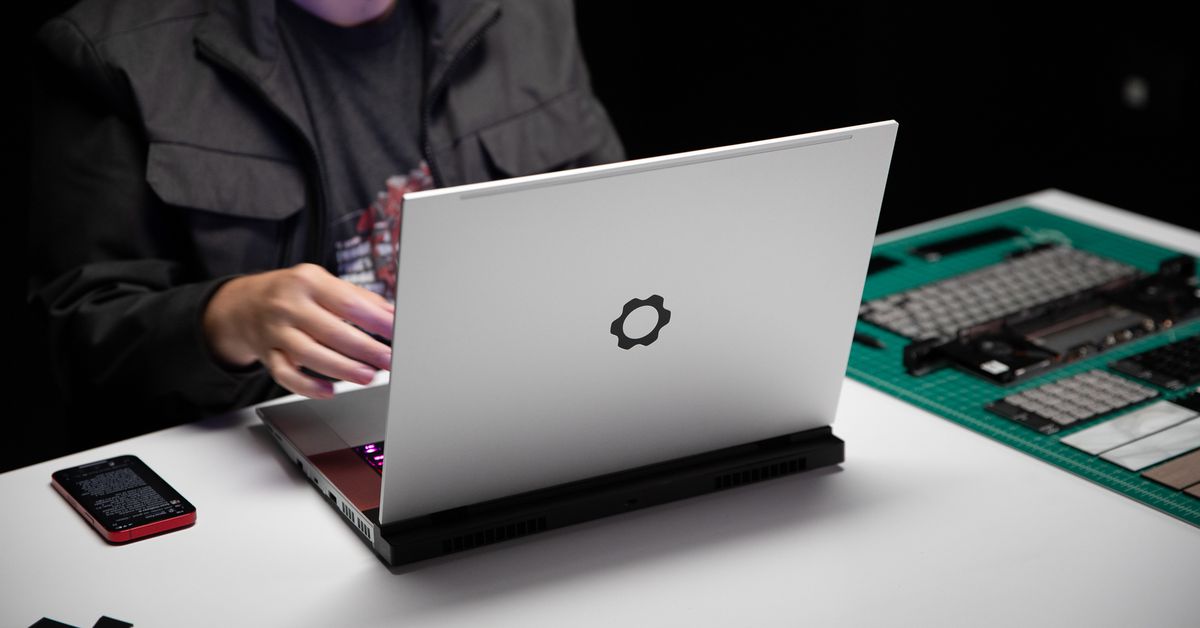
The Framework Laptop 16 aims to revolutionize the workstation/gaming laptop market with its upgradeable design, customizable keyboard, and dedicated GPU options, but it faces limitations and bulkiness compared to non-upgradeable alternatives. While the current upgrade options are fairly limited, the company's track record with the Framework Laptop 13 builds trust for potential appealing upgrades in the future. The laptop's unique features make it intriguing, but not essential for now, with great potential for improvement in the coming years.
The Framework Laptop 16 is a highly ambitious and customizable modular laptop that offers unprecedented user-repairability and customization options, including the ability to swap out components like the GPU and input modules. However, the review highlights several issues such as unresponsiveness, display anomalies, and heating problems, indicating that the laptop may need more refinement before it can be considered a stable and reliable product. Despite its potential, the high price and ongoing concerns about performance and future upgrades raise questions about its practicality and long-term viability.
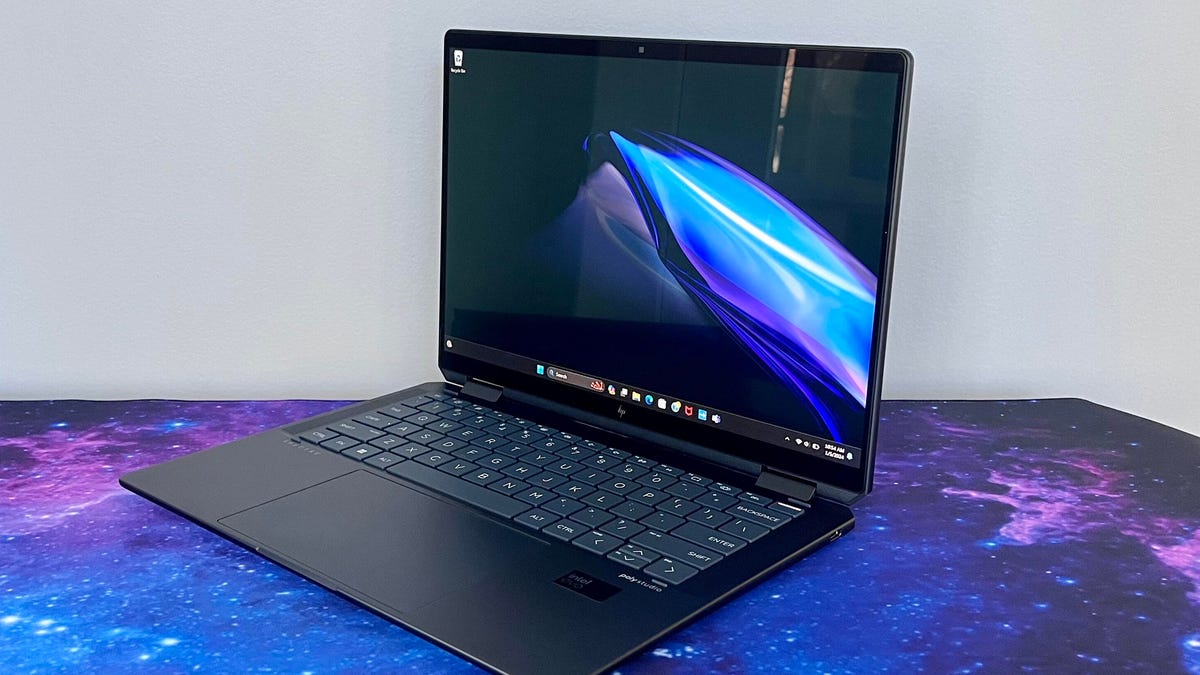
The HP Spectre x360 14 (2024) features Intel's new Core Ultra CPU and Intel Arc GPU, offering improved graphics performance and AI capabilities. With a beautiful all-metal chassis, OLED display, and a 9-megapixel webcam, the laptop is recommended for content creators despite its limited port selection. Priced at $1,970, it comes with a choice of two Intel Core Ultra processors and offers a high-res OLED display with a 2.8K resolution and a variable refresh rate up to 120Hz. The laptop's performance and battery life are impressive, making it a standout option despite its reliance on integrated graphics.
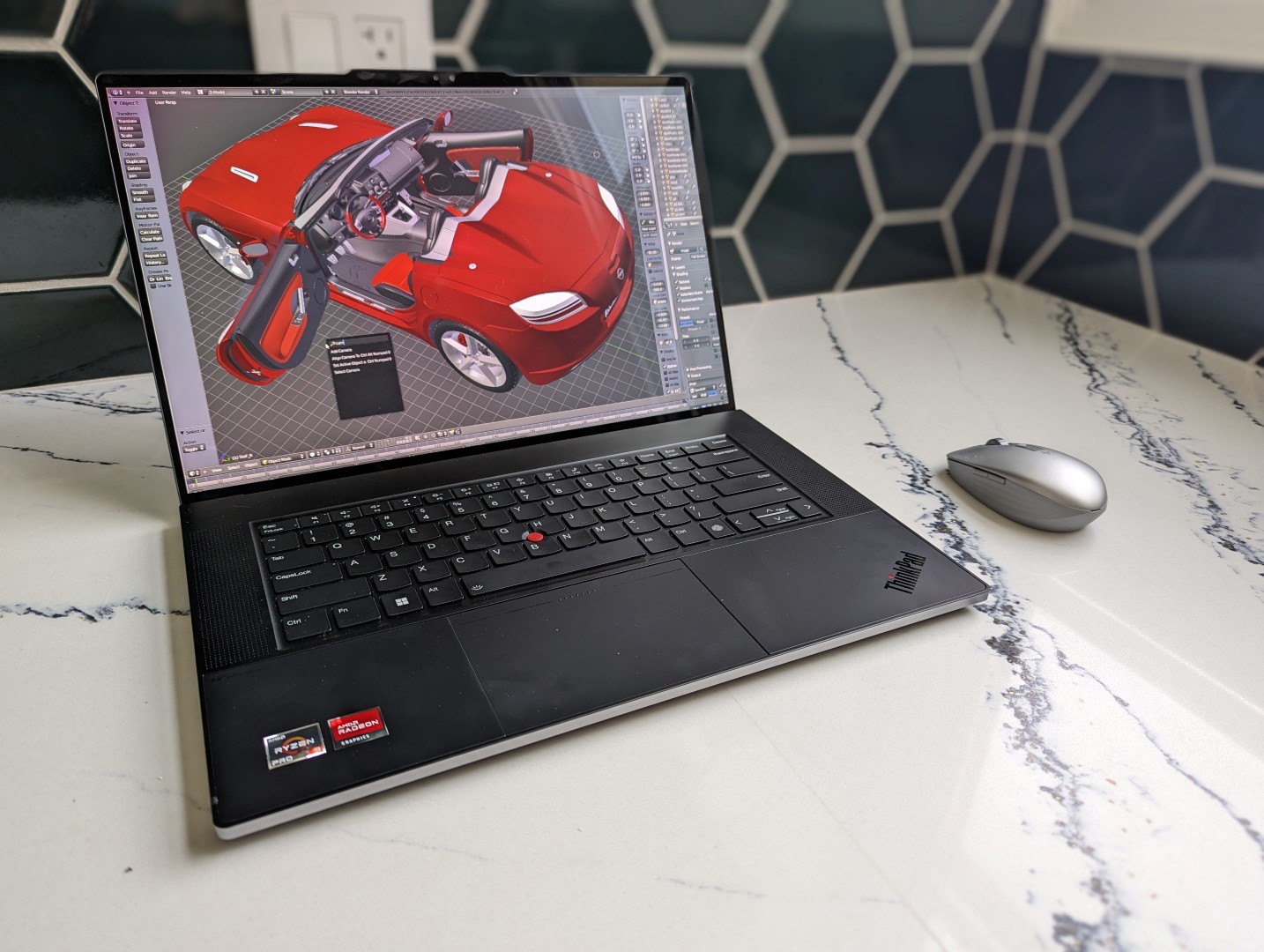
A review of the Lenovo ThinkPad Z16 Gen 2 laptop showcases the gaming performance of the AMD Radeon RX 6550M graphics card. The laptop achieved average frame rates of 99.1 fps in Cyberpunk 2077 at low preset, 62.8 fps at 1080p low preset, and 45.9 fps at 1080p medium preset. However, the performance dropped significantly to 28.6 fps at 1080p high preset and 17.3 fps at 1080p ultra preset. Comparatively, the laptop outperformed the LG Gram 2in1 16 and Apple MacBook Pro 16 in most scenarios.