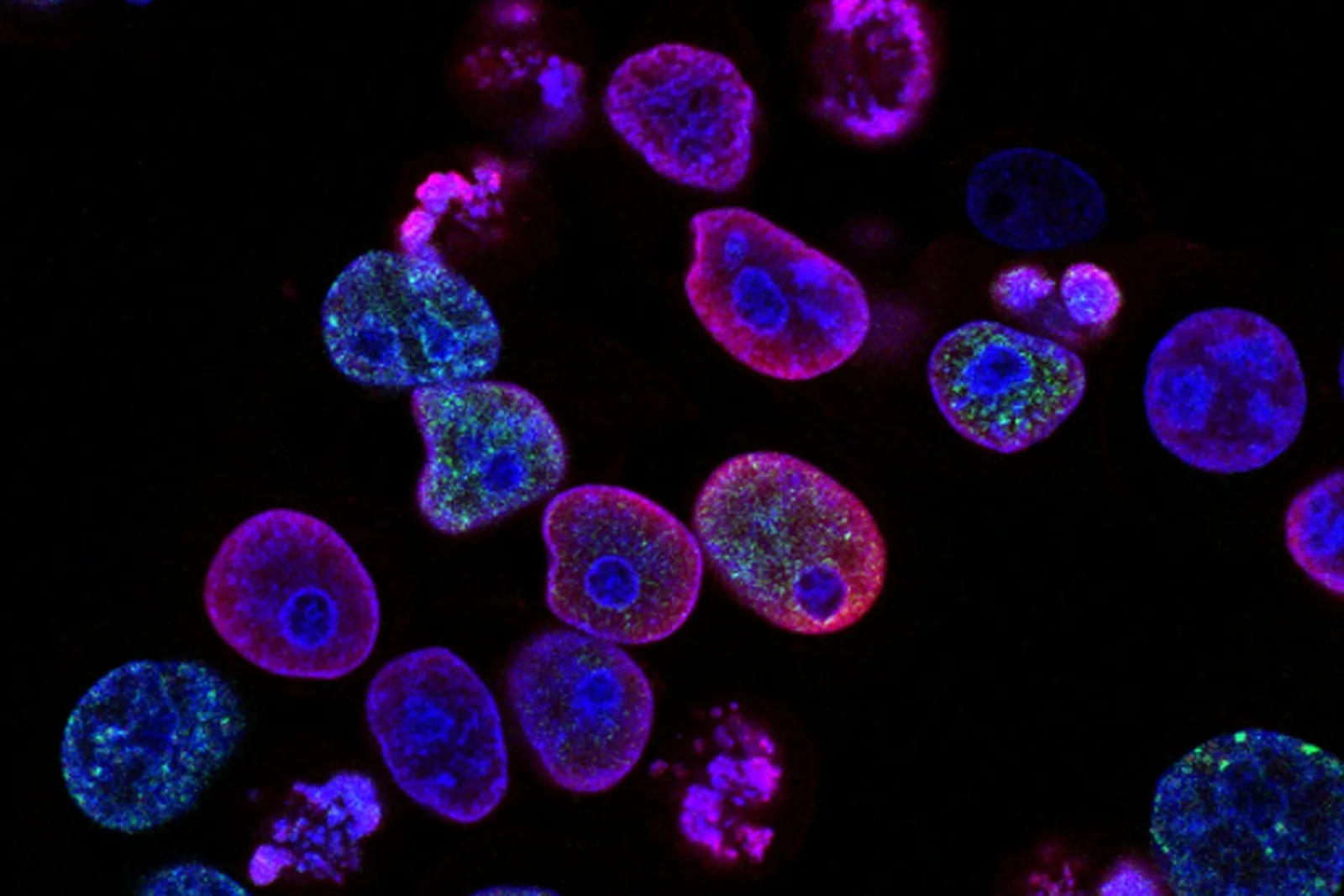
A world-first therapy edits donor T-cells with a base-editing CRISPR approach to target T-cell leukemia, turning white blood cells into a disease-fighting living drug. In early tests at GOSH and King’s College Hospital, nine children and two adults showed deep remissions, with seven remaining disease-free three years later.
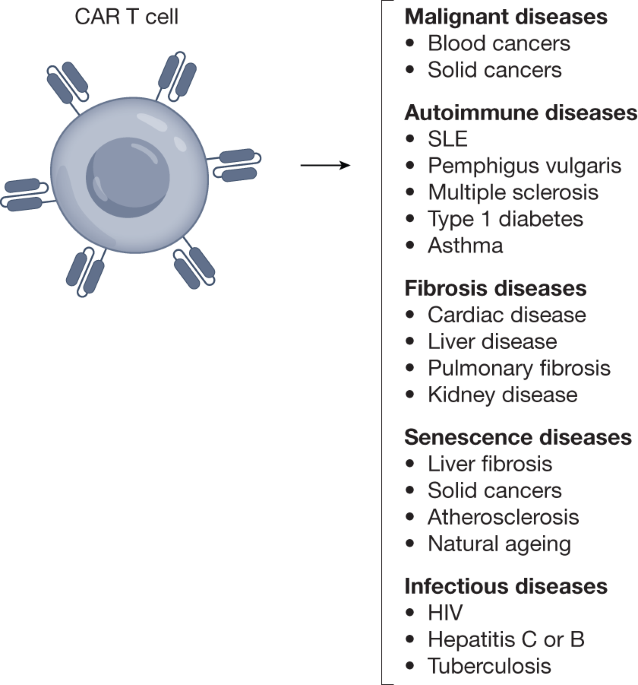
CAR T therapy, a form of immunotherapy that uses genetically engineered immune cells to target cancer cells, has shown promising results in treating various types of cancer. However, recent research suggests that CAR T therapy could have applications beyond cancer, including the treatment of HIV and other diseases. The development of next-generation CAR T cells, advancements in genetic engineering techniques like CRISPR/Cas, and the use of combination therapies are all contributing to the evolution of CAR T therapy as a living drug. Challenges such as cytokine storm and off-target toxicity are being addressed, and long-term studies have shown that CAR T cells can persist in patients for over a decade. Further research is needed to optimize CAR T therapy for solid tumors and explore its potential in other areas of medicine.