Tag

Liquids

All articles tagged with #liquids

science2 years ago

Unveiling Liquid Secrets: Intense Lasers Illuminate Electron Dynamics

Researchers have used intense laser fields to investigate electron dynamics in liquids, shedding light on the high-harmonic spectrum and the role of the electron's mean free path in determining photon energy limits. By studying the behavior of liquids under intense laser irradiation, the team discovered that the maximum photon energy obtained through high-harmonic generation (HHG) in liquids is independent of the laser's wavelength. They identified the electron's mean free path as the crucial factor that imposes a ceiling on photon energy and developed an analytical model to account for electron scattering. This research provides new insights into ultrafast dynamics in liquids and establishes HHG as a spectroscopic tool for studying electron behavior in this phase of matter.

science2 years ago

Discovery of Piezoelectric Effect in Liquids

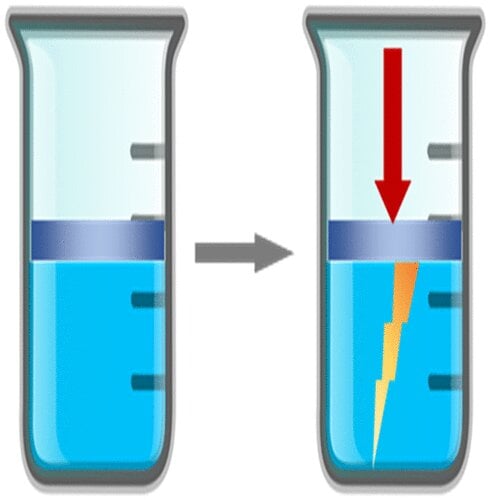
Chemists at Michigan State University have accidentally discovered the piezoelectric effect in liquids while studying ionic liquids. The piezoelectric material was discovered as the researchers applied pressure to a sample of an ionic liquid in a cylinder, leading to the release of electricity. The researchers suggest that liquid piezoelectric materials could prove to be useful, especially ones made using ionic liquids, because they would be more environmentally friendly than solid materials and could allow more variety in device shape, opening up wider design opportunities.

travel2 years ago

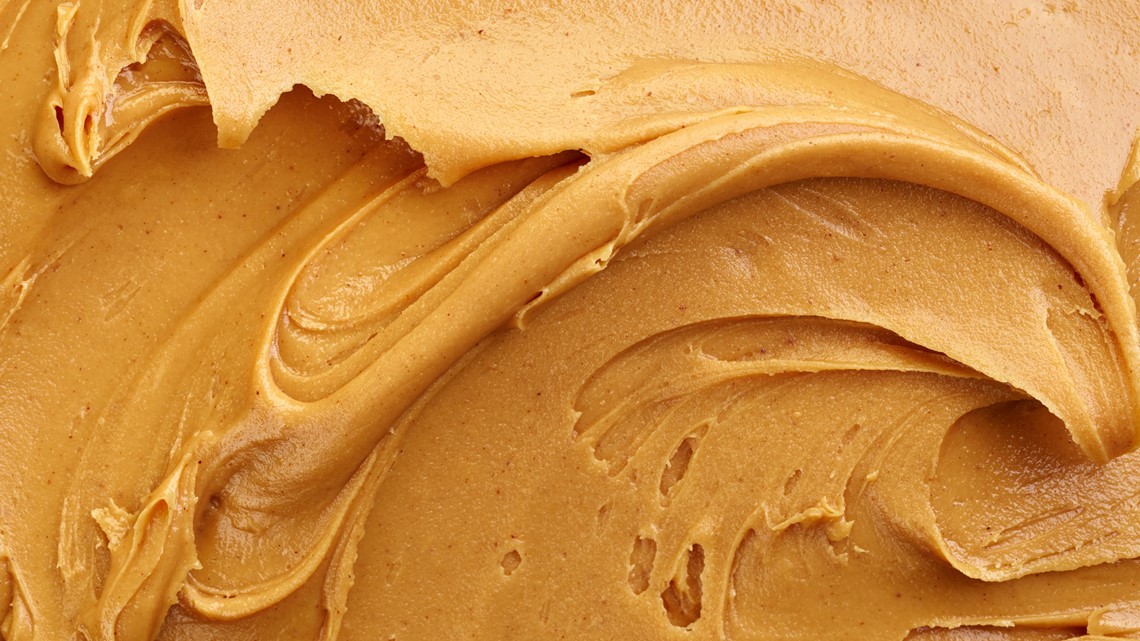
TSA classifies peanut butter as a liquid.

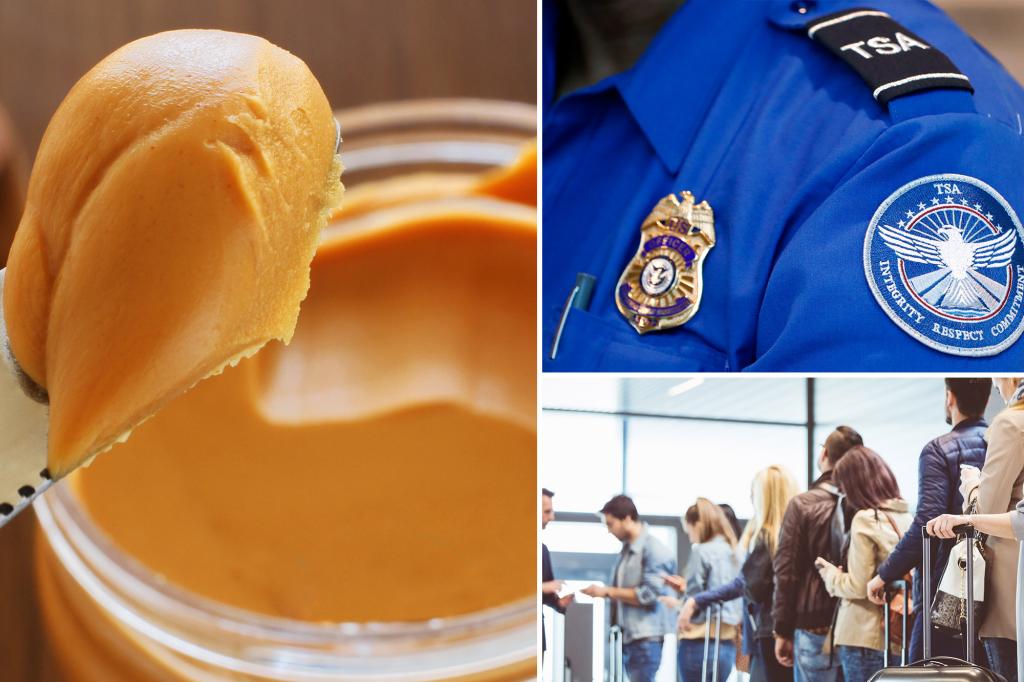
The Transportation Security Administration (TSA) considers peanut butter a liquid due to its lack of definite shape and has a carry-on quantity limit of 3.4 ounces per passenger. Travelers have reported conflicting experiences with TSA officers citing the rule for other non-peanut-butter items. The final decision on whether an item is allowed through the checkpoint rests with the TSA officer. It is recommended to check the "What Can I Bring?" page on the TSA website before packing carry-on bags.

travel2 years ago

TSA classifies peanut butter as a liquid.

The Transportation Security Administration (TSA) has classified peanut butter as a liquid, meaning it can only be brought in carry-on if it's 3.4oz or less. Creamy dips and spreads, hummus, and jam and jelly are also classified as liquids with the same requirements. Twitter users have expressed their displeasure with the rule. However, incidents of people trying to smuggle things in peanut butter through airport security have occurred in the past.

travel2 years ago

TSA's Definition of Liquid Includes Peanut Butter, Baffles Travelers.

The TSA has declared peanut butter a liquid, causing confusion and backlash on social media. The agency explained that since peanut butter takes the shape of its container, it falls under the liquids rule and must be stored in a carry-on bag if the container is larger than 3.4 ounces. The conversation on what is defined as a liquid was raised before in 2021, with officials stating that any item that can be spread, smeared, sprayed, or spilled falls under the liquids rule.

travel2 years ago

TSA settles debate: Peanut butter officially classified as a liquid

The Transportation Security Administration (TSA) has declared that peanut butter is a liquid and is not allowed in carry-on bags exceeding the 3.4 fluid ounce limit for liquids. The TSA's definition of a liquid is "having no definite shape and taking a shape dictated by its container," which applies to peanut butter. Travelers are advised to pack peanut butter in checked bags or opt for personal-size packets.

travel2 years ago

TSA classifies peanut butter as a liquid, restricts amount on flights.

The TSA has redefined physics to their liking, allowing frozen liquids to be brought through security checkpoints, but classifying peanut butter as a liquid due to its ability to conform to its container. The agency limits liquids to 3.4 ounces per container, but does not call in a hazmat team for larger amounts, instead combining them in a bin next to passengers and employees. The agency's confusing rules and language fail to match their behavior.