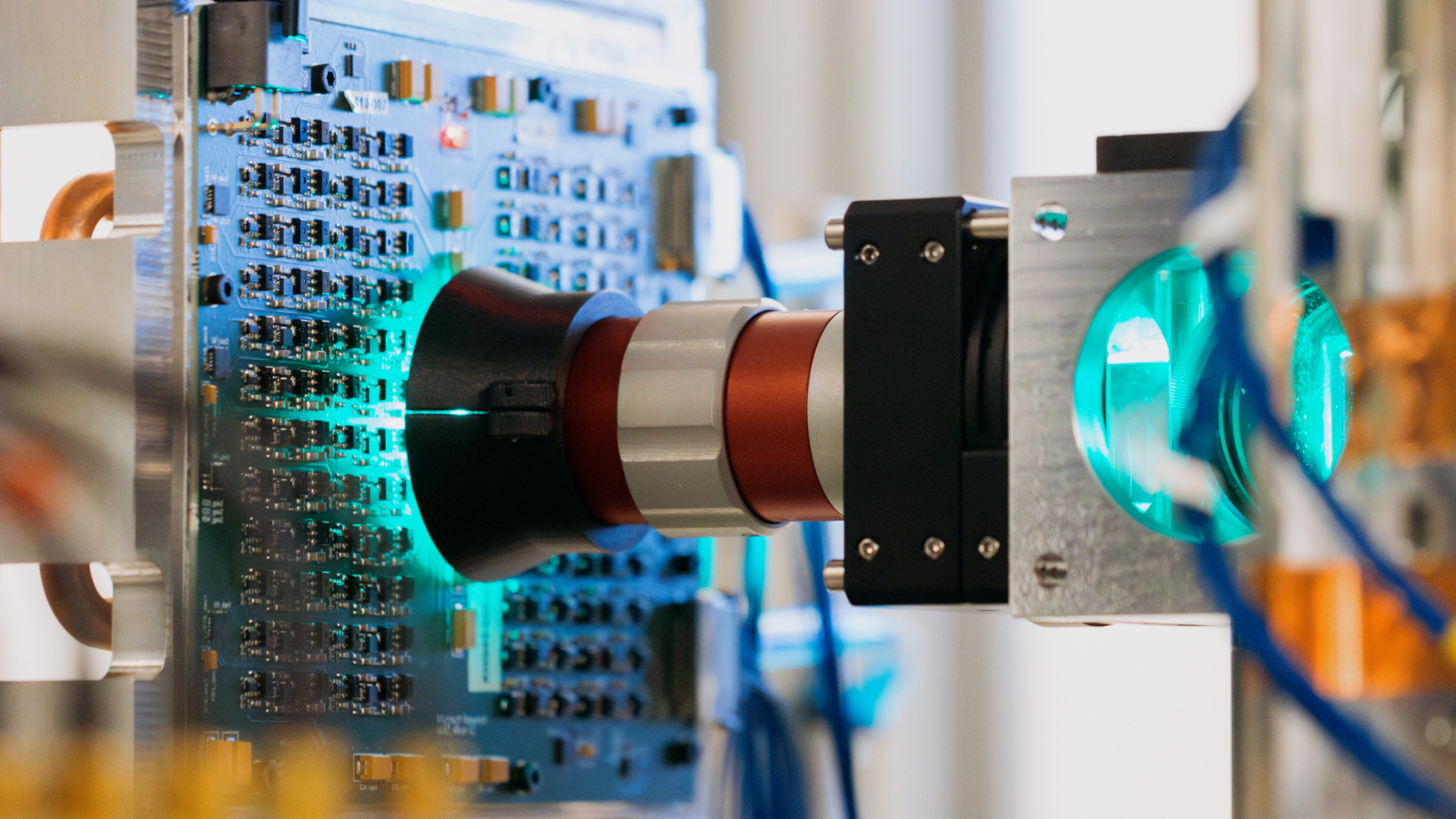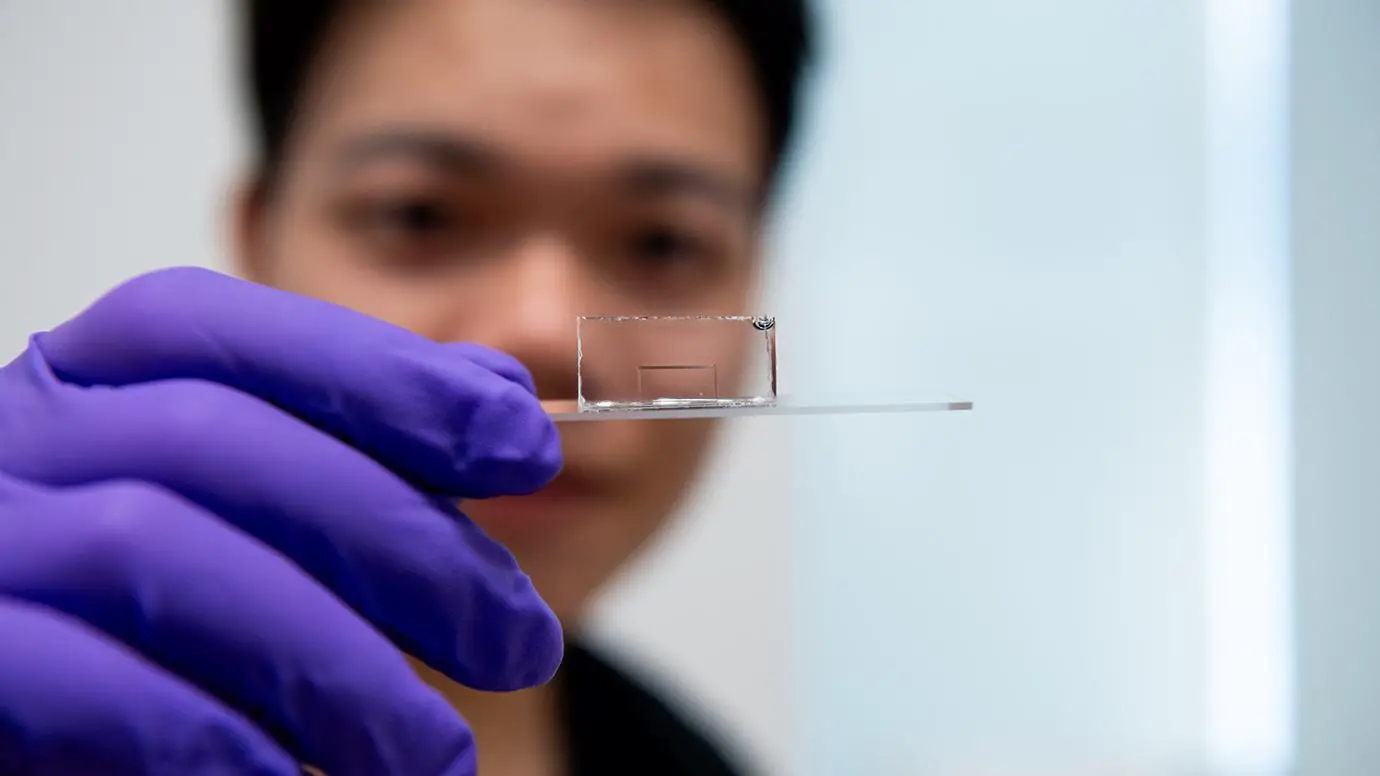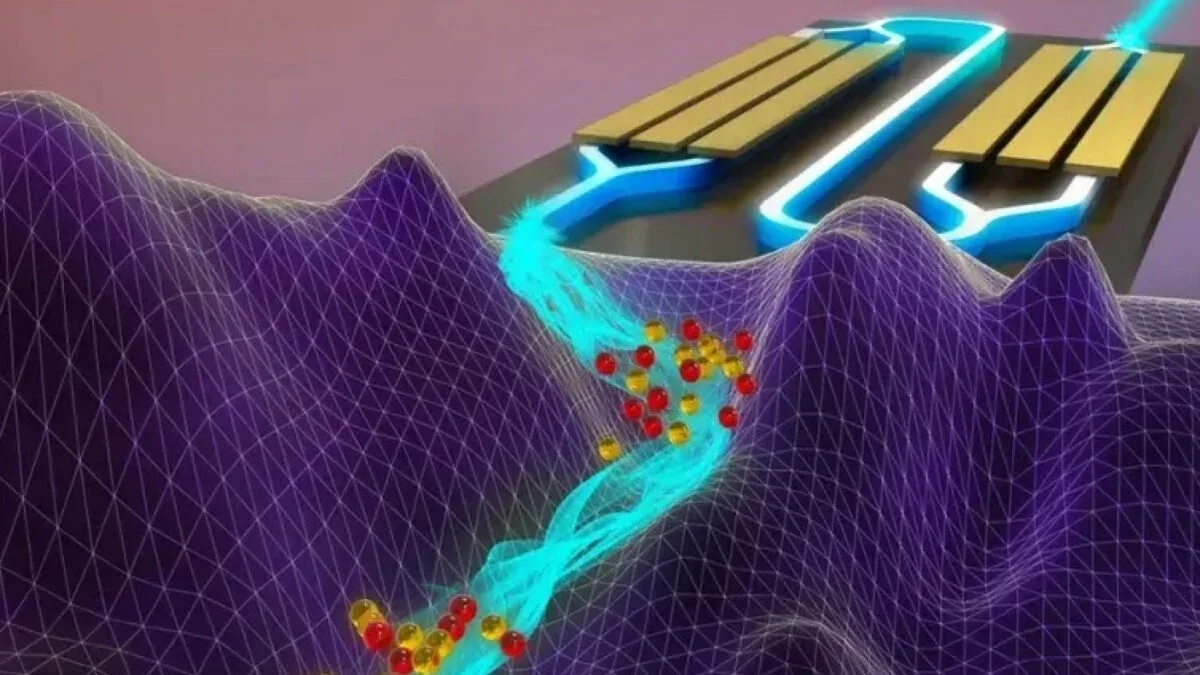
Microsoft has developed a prototype light-based computer that uses light instead of digital switches, potentially making AI calculations up to 100 times more energy-efficient and faster for specific tasks, with future models capable of handling more complex problems.
Researchers at the University of Florida have developed a silicon photonic chip that uses light to perform AI convolution tasks, achieving up to 100 times greater power efficiency than traditional electronic chips, which could significantly reduce energy consumption in AI systems.
Scientists in China have developed a new light-based chiplet called "Taichi," which is part of a modular system that could potentially power future artificial general intelligence (AGI) models. This chiplet, designed to be more energy-efficient and powerful than existing photonic chips, aims to overcome the limitations of conventional electronics and enable the development of more powerful optical solutions for AGI. If scaled up, this light-based computing system could significantly advance the capabilities of AI and potentially lead to the realization of AGI.
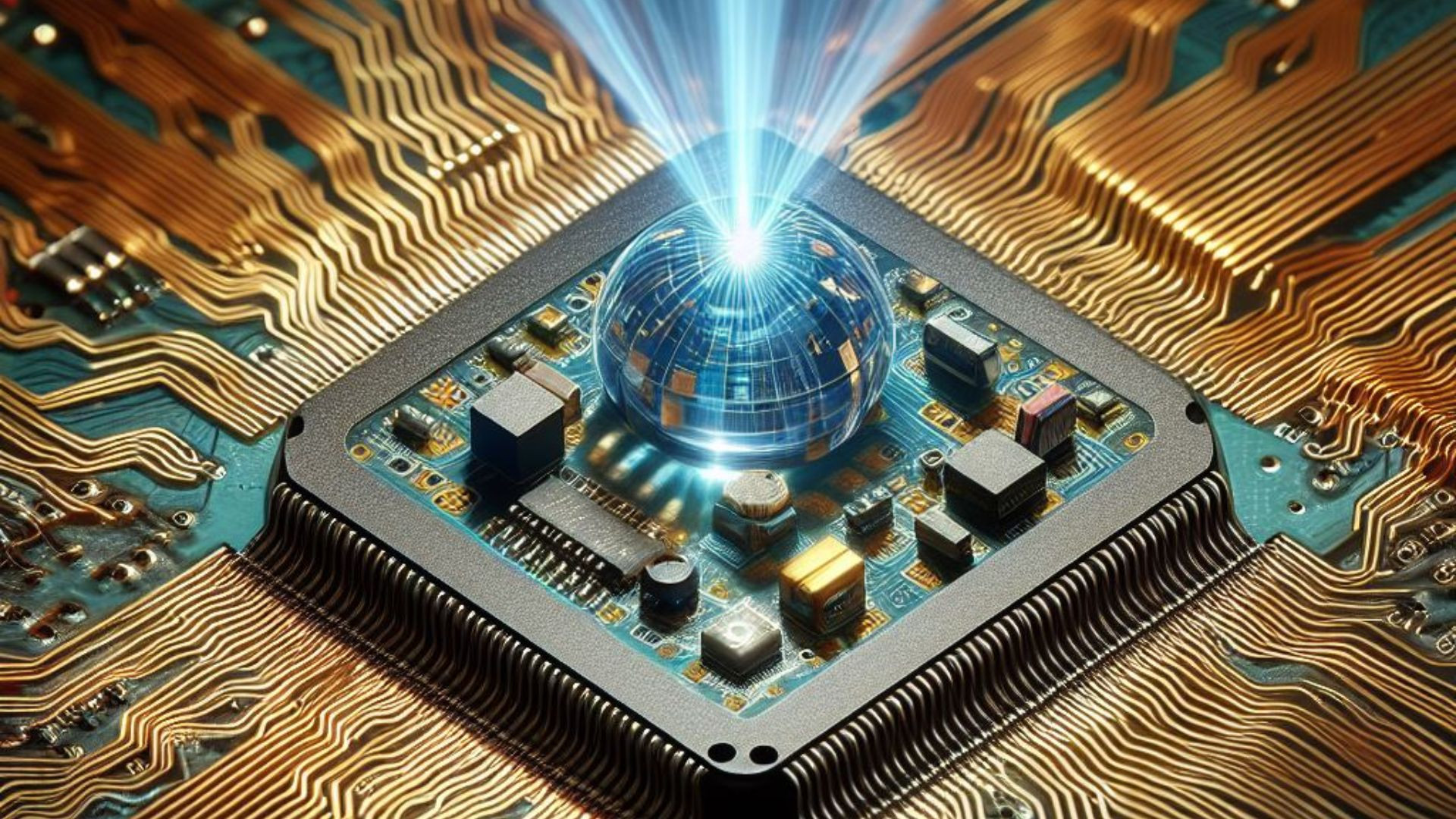
Penn Engineers have developed a new chip that uses light waves, rather than electricity, to perform complex mathematical computations essential to training AI, promising faster processing speeds, reduced energy consumption, and enhanced data privacy. The chip's design combines nanoscale manipulation of materials with silicon photonics, offering potential applications in accelerating AI systems and graphics processing units, while also rendering future computers virtually unhackable due to simultaneous computations that eliminate the need to store sensitive information in working memory.
Researchers at the University of Pennsylvania have created a new computer chip that operates on light instead of electricity, potentially revolutionizing AI model training by enhancing data transfer speed and reducing energy consumption. This innovation addresses the growing demand for efficient computing systems to handle the increasing volume of data processed by AI models, offering a promising solution to the energy inefficiency of current computing technology.
Scientists at the University of Chicago have discovered that a glass crystal just a few atoms thick can trap and carry light, paving the way for innovative technology in light-based computing. This 2D optical waveguide system allows for the guiding of light along a chip using tiny prisms, lenses, and switches, enabling the creation of circuits and computations. The glass crystal is thinner than the photon itself, allowing part of the photon to stick out of the crystal as it travels. This breakthrough could lead to the development of sensors at the microscopic level and the integration of more tiny devices into the same chip area.
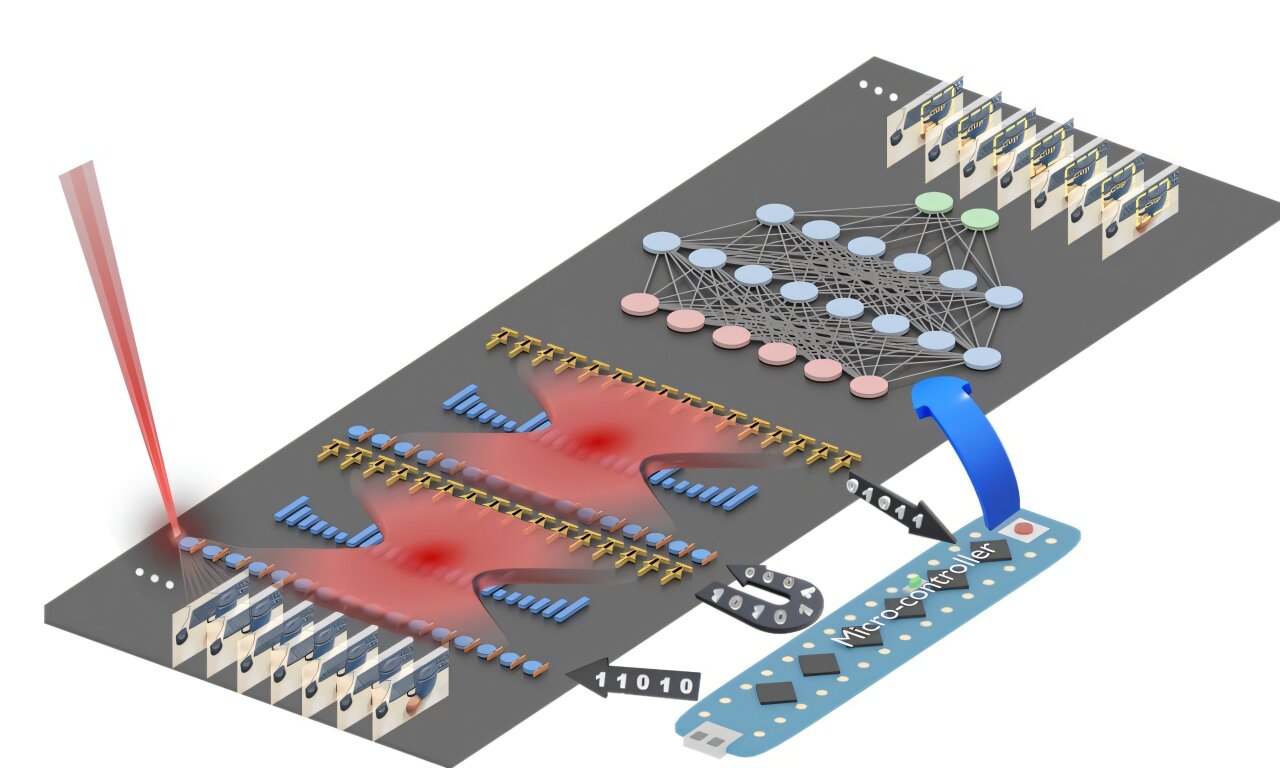
Microsoft has developed the Analog Iterative Machine (AIM), an analog optical computer that uses photons and electrons instead of transistors to process data. AIM can solve complex optimization problems at the speed of light and has shown potential to surpass digital and quantum computers. It is built using low-cost and scalable opto-electronic technologies and is designed for math-intensive industries such as finance, logistics, transportation, energy, healthcare, and manufacturing. AIM provides a 100x increase in performance compared to digital approaches and is currently being tested by Barclays. Microsoft is releasing the AIM simulator as a service for selected users, including collaborators at Princeton and Cambridge University.