Geoffrey Hinton warns that superintelligent AI could threaten humanity's survival and advocates for embedding 'maternal instincts' into AI to ensure they care about humans, emphasizing the urgency of addressing AI safety as the technology advances rapidly.
OpenAI's GPT-5 uses a new real-time model router that automatically switches between multiple model variants, sparking user backlash due to perceived lack of control and performance issues. Experts see model routing as a promising approach for future AI development, offering benefits in resource management and scalability, though it presents significant technical challenges. The approach may become a standard in AI, balancing the limitations of single models and the pursuit of artificial general intelligence.
OpenAI is reportedly close to releasing GPT-5 as early as August, after delays and development challenges, with the new model expected to unify various capabilities and advance towards artificial general intelligence.
Four top researchers from OpenAI have defected to Meta, highlighting a strategic talent shift in AI development, with Meta offering substantial incentives to bolster its superintelligence team and challenge OpenAI's leadership in artificial general intelligence.
Meta has established a new division called Meta Superintelligence Labs, led by Alexandr Wang and co-led by Nat Friedman, to accelerate AI development, particularly towards artificial general intelligence, amid stiff competition from rivals like Google and OpenAI. The move follows recent staff departures and challenges with Meta's AI models, as the company aims to innovate and generate new revenue streams in AI-related products.
Meta is recruiting top AI researchers from Google and Sesame to form a new 'superintelligence' team aimed at developing artificial general intelligence, as part of a broader effort to compete with rivals like Google and OpenAI, including significant investments and high compensation packages.
François Chollet, the creator of the Keras API and a prominent figure in AI, is leaving Google after nearly a decade to start a new venture. Known for his contributions to deep learning and AI reasoning, Chollet has been critical of current AI development approaches and advocates for more human-like reasoning methods. He will remain involved with Keras, now led by Jeff Carpenter, and continues to influence the AI field with initiatives like the ARC Prize.
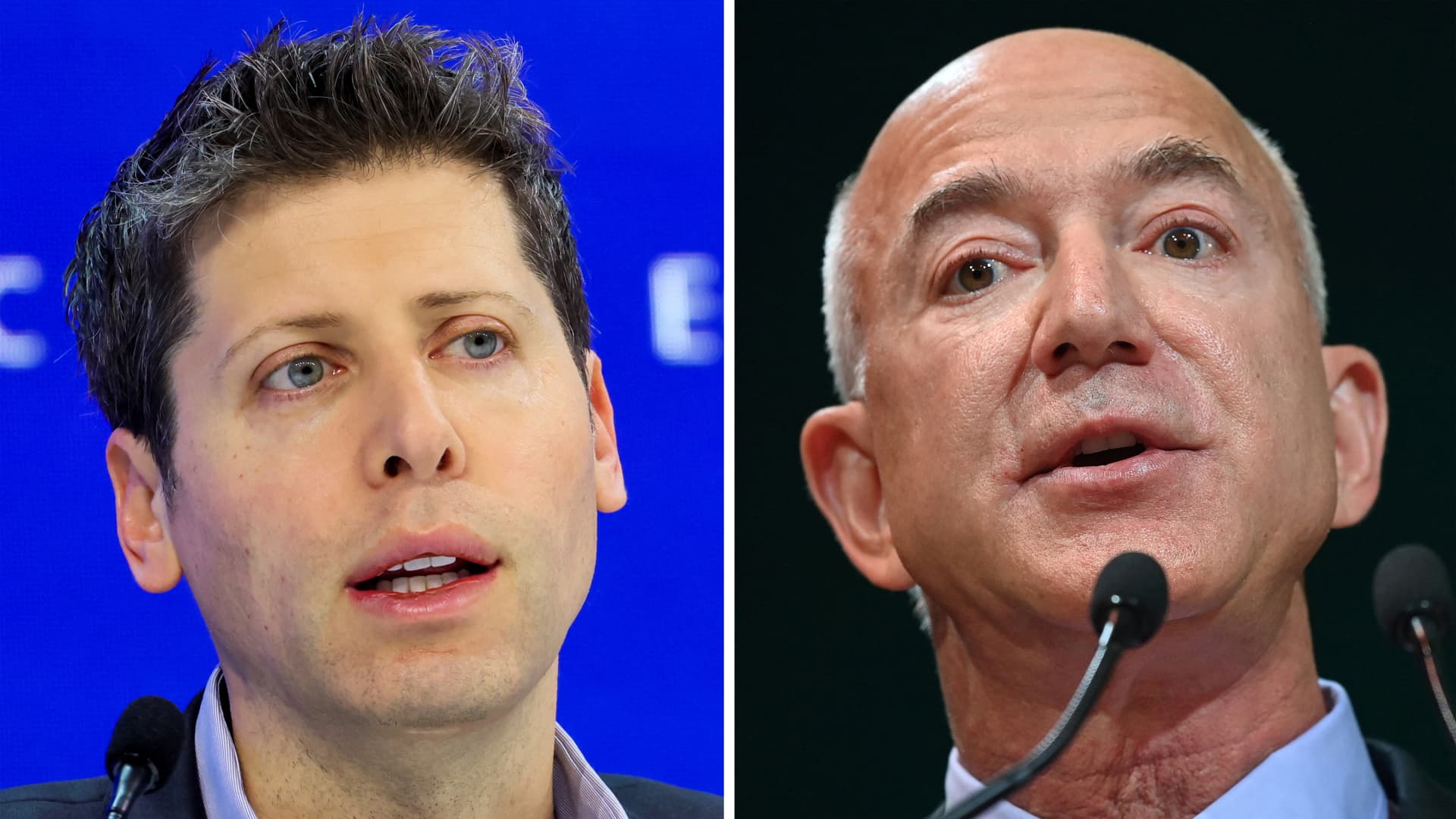
Physical Intelligence, a San Francisco-based robot startup, has raised $400 million at a $2.4 billion valuation, with investments from Jeff Bezos, OpenAI, and others. The company aims to integrate general-purpose AI into the physical world, developing AI models to power robots with the ultimate goal of achieving artificial general intelligence. This funding round significantly increases its valuation from its March seed round. The startup envisions robots performing tasks on command, similar to how users interact with chatbots.
Scientists in China have developed a new light-based chiplet called "Taichi," which is part of a modular system that could potentially power future artificial general intelligence (AGI) models. This chiplet, designed to be more energy-efficient and powerful than existing photonic chips, aims to overcome the limitations of conventional electronics and enable the development of more powerful optical solutions for AGI. If scaled up, this light-based computing system could significantly advance the capabilities of AI and potentially lead to the realization of AGI.
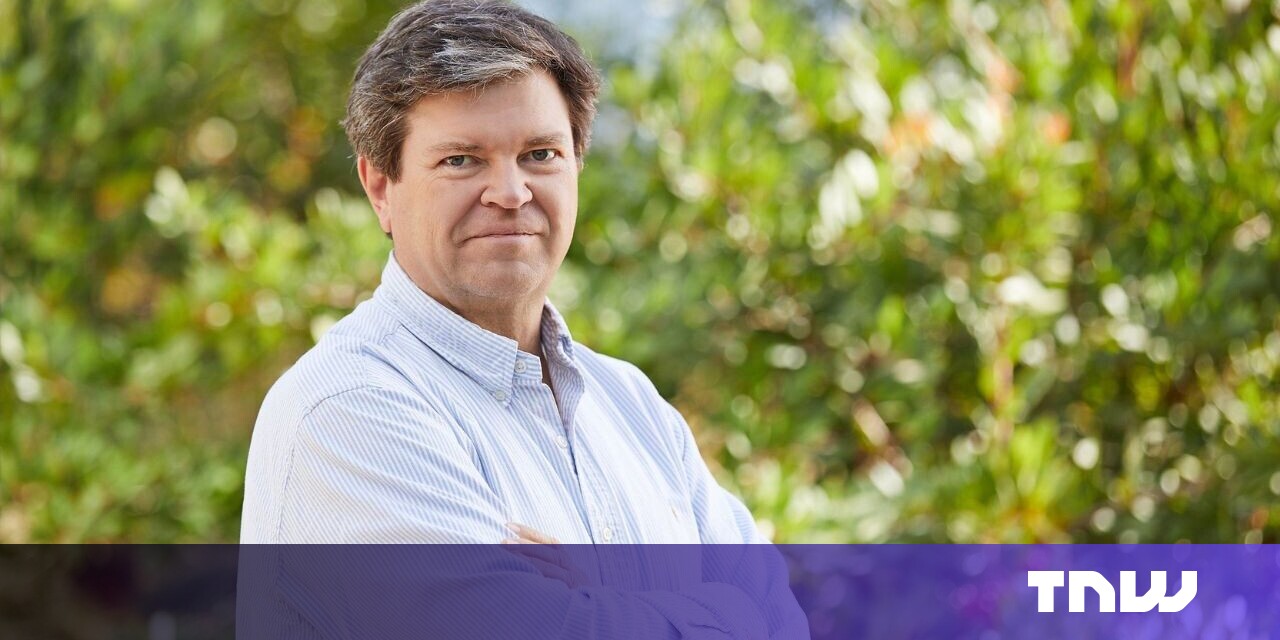
Yann LeCun, Meta's chief AI scientist, believes that artificial general intelligence (AGI) is not achievable because human intelligence is not yet general. He argues that large language models (LLMs) are limited by their reliance on text and lack understanding of the physical world, making them a distraction on the path to human-level intelligence. LeCun advocates for objective-driven AI, which learns about the physical world through sensors and video data to fulfill specific human-set goals, ultimately leading to machines surpassing human intelligence in the future.
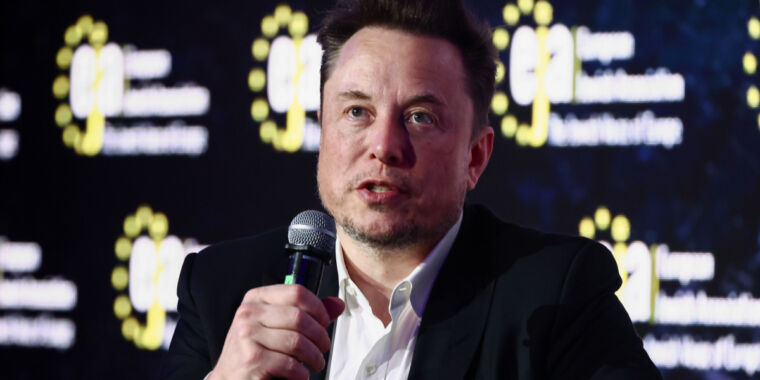
Elon Musk predicts that AI will surpass human intelligence by the end of next year, citing the rapid advancement of AI technology. However, critics like Grady Booch question Musk's forecasting ability and the ambiguity of defining intelligence. While there is uncertainty about when AI will surpass human intelligence, some experts believe that neural network models may reach a point where influential figures declare AI as smarter than humans, possibly by the end of next year.
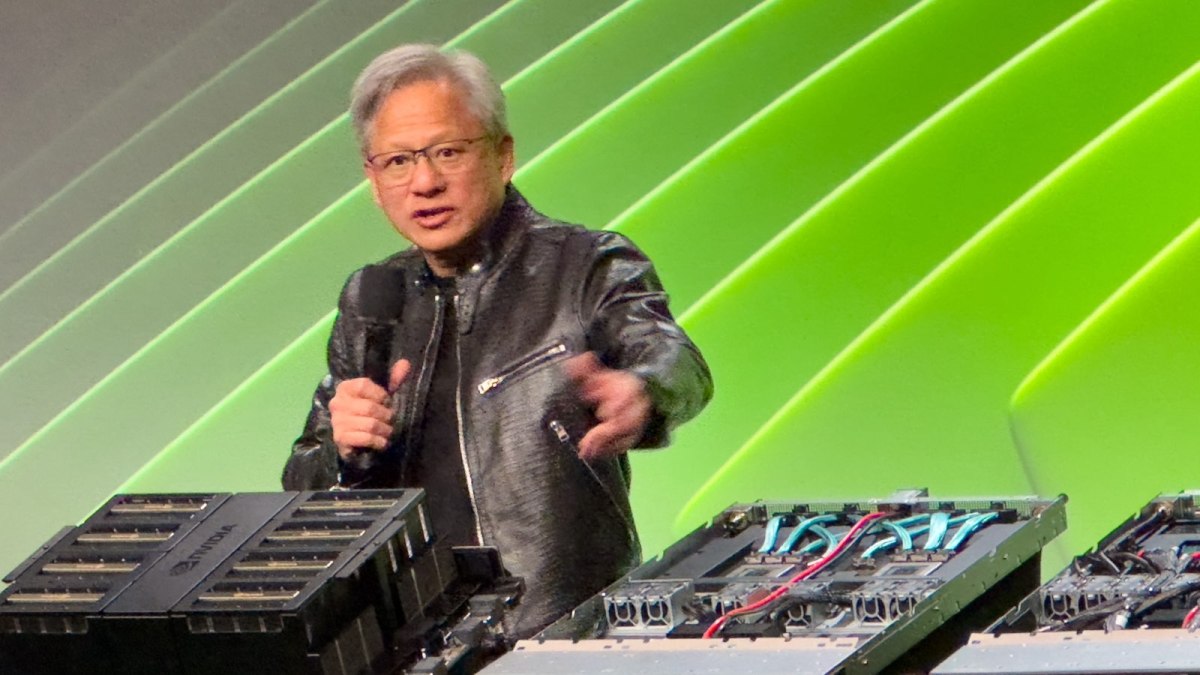
Nvidia CEO Jensen Huang discussed the potential timeline for achieving artificial general intelligence (AGI), suggesting it could be within 5 years if specific tests are defined. He also addressed the issue of AI hallucinations, proposing a solution involving thorough research and fact-checking for generating accurate responses, particularly for mission-critical questions.
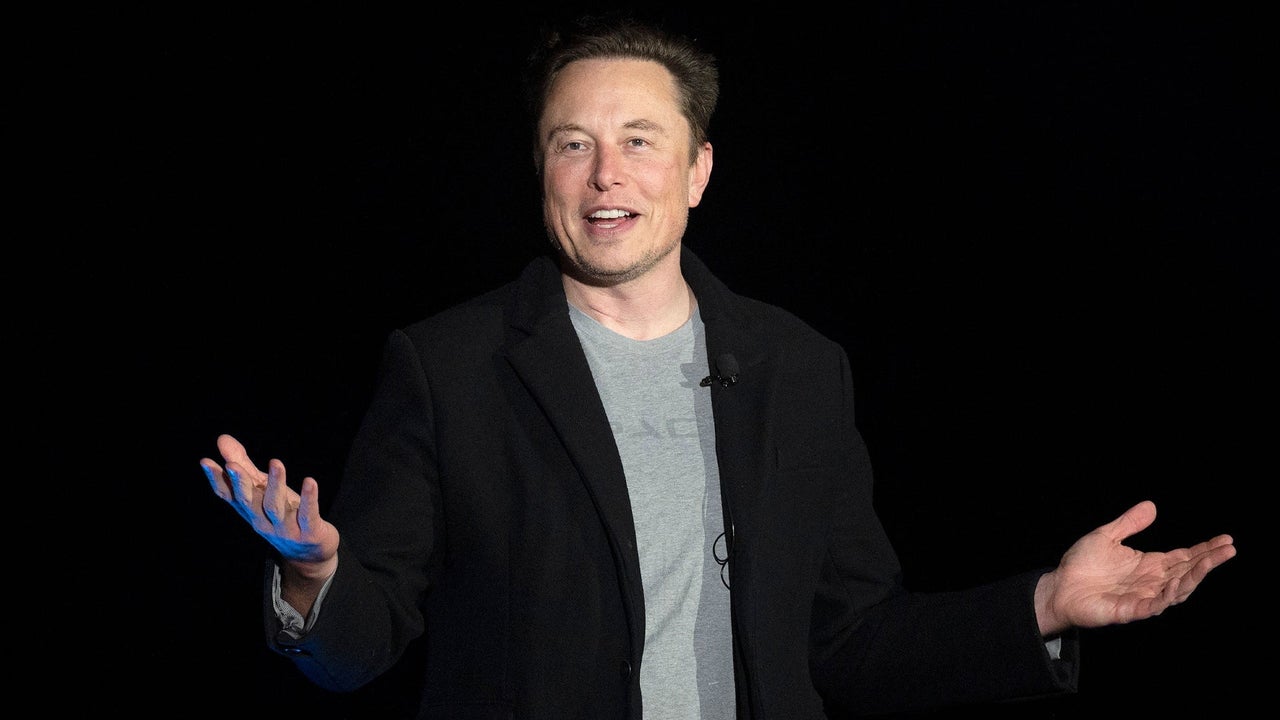
OpenAI refutes Elon Musk's lawsuit, claiming it has evidence to support its position, including private emails from Musk. The company was founded as a nonprofit in 2015 with Musk as one of the founders, but he left in 2018. OpenAI asserts that its mission is to ensure artificial general intelligence benefits humanity and is seeking a court dismissal of Musk's claims. The lawsuit alleges that OpenAI has become a closed-source subsidiary of Microsoft and is developing AGI for profit rather than for the benefit of humanity. Musk's lawsuit is the latest in a series of accusations against OpenAI, including claims of copyright infringement.
OpenAI responded to a lawsuit filed by Elon Musk, alleging that he sued them after failing to integrate the company into Tesla and starting a competitor. Musk claims that OpenAI's partnership with Microsoft goes against its original mission of creating open-source technology. The lawsuit accuses OpenAI of breaching contract and fiduciary duty, seeking to stop its association with Microsoft. OpenAI has stated that it "categorically disagrees" with the lawsuit.
OpenAI responds to Elon Musk's lawsuit by claiming that he wanted "absolute control" of the company, including merging it with Tesla or having full control as CEO, which they rejected as against their mission. They deny abandoning their nonprofit mission and defend their decision not to open-source their work, citing email conversations with Musk. Musk alleges that OpenAI has become a "closed-source de facto subsidiary" of Microsoft, focusing on profit instead of benefiting humanity, but OpenAI has not directly addressed the existence of a formal agreement or Musk's claims about GPT-4.