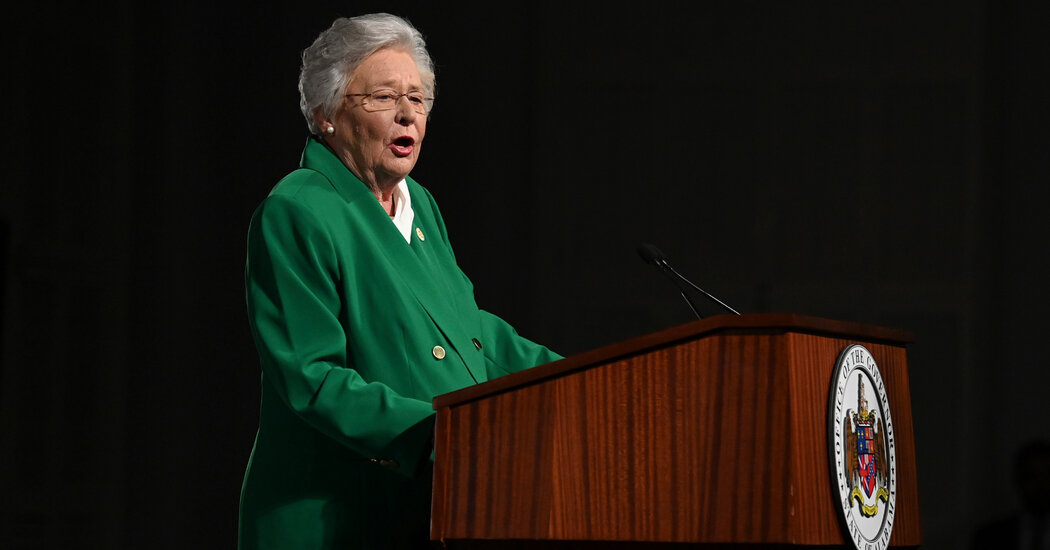
At least one Alabama fertility clinic has resumed embryo transfers following the signing of a law by Gov. Kay Ivey that provides legal protection for in vitro fertilization procedures. The law was a response to a State Supreme Court ruling that considered frozen embryos as children, causing several clinics to temporarily halt IVF treatments. While the law offers immediate relief, more legal clarity is needed to ensure the long-term continuation of IVF in the state, as the question of whether an embryo should be considered a person remains unresolved.
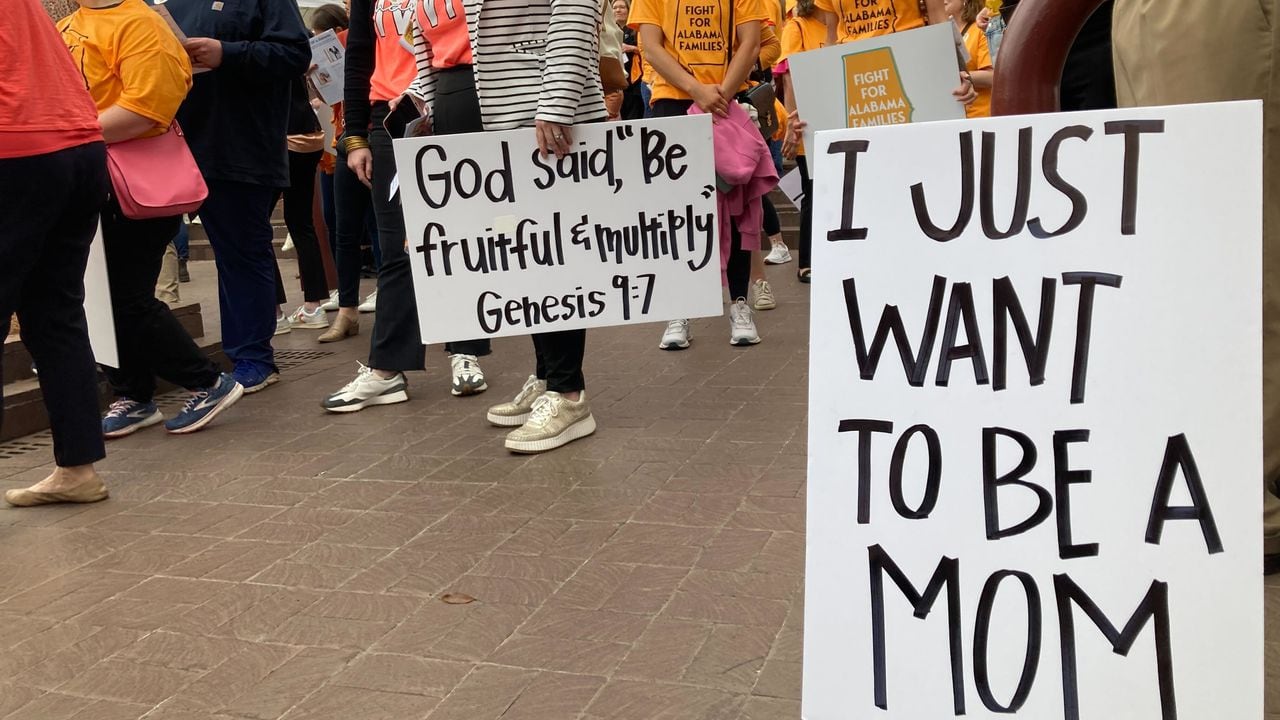
The Alabama House of Representatives passed a bill to provide legal protections for in vitro fertilization (IVF) clinics in response to a recent court ruling that classified frozen embryos as unborn children under state law. The bill, which is not a permanent solution, aims to allow IVF procedures to resume by granting immunity to clinics from legal action related to IVF services. The debate over the bill highlighted concerns about the legal status of embryos and the need for a long-term solution, with some lawmakers expressing conflicting views on the issue.
Thousands of South Korean teachers and staff rallied in Seoul, demanding better legal protection from bullying by parents, following the death of a teacher who had expressed emotional distress caused by complaints from allegedly abusive parents. The protesting teachers argue that current laws make it difficult for them to control their classrooms and leave them vulnerable to accusations of emotional abuse. South Korean lawmakers are considering bills that would grant teachers immunity from child abuse claims, but some experts worry that this could weaken protection for children in hypercompetitive school environments. The protests come amid rising concerns over the high suicide rate among students in South Korea.
Microsoft has announced the Copilot Copyright Commitment, a policy that provides legal protection for customers who are sued for copyright infringement over content generated by the company's AI systems. The policy covers damages and legal fees, offering customers confidence in deploying Microsoft's AI systems without worrying about potential copyright issues. This move comes as generative AI tools raise concerns about reproducing copyrighted material without proper attribution. Microsoft's AI models have gained these capabilities by scraping publicly available data off the Internet without seeking express permission from copyright holders. The tech industry is grappling with questions about properly crediting or licensing copyrighted source material used in training AI models, and legal experts believe these issues will likely be decided through future legislation and court cases.
China has adopted a new Foreign State Immunity Law that will remove the immunity of foreign states and their property from Chinese courts starting from January 1, 2024. This move aligns China's stance on "foreign state immunity" with Western practices and aims to provide better legal protection for private businesses involved in international trade. The law defines commercial activity as any transaction or investment involving goods or services that does not constitute an exercise of sovereign authority. The amendment also allows embassies to collect evidence in foreign countries if necessary. Legal experts believe this change will make it easier to enforce arbitration awards and strengthen Hong Kong's reputation as a hub for dispute resolution.
The recent shootings of a teenager in Missouri and a woman in New York have brought attention to self-defense laws in the US. About 30 states have "stand your ground" laws that allow individuals to use force in self-defense without retreating in any location where they have the right to be. Critics argue that these laws make it too easy to claim self-defense and promote violence, while proponents say they allow citizens to keep themselves safe. The castle doctrine, which allows people to protect their homes with deadly force, is also used in some states.