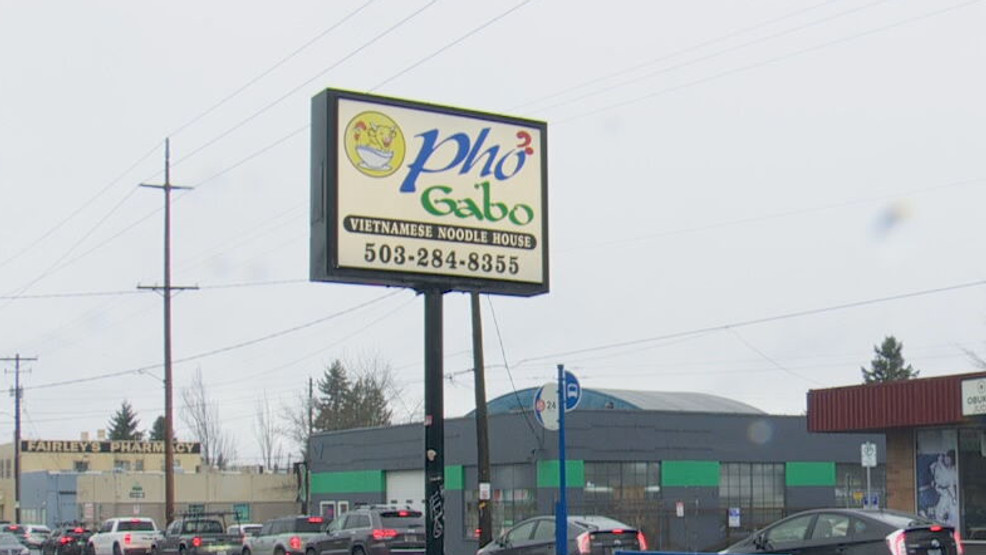
Eddie Dong, owner of Pho Gabo in Portland, plans to sue the city following the closure of his restaurant due to complaints about the smell of grilled meat. The city's odor ordinance has been criticized as "subjective," and Dong's lawyer filed a notice of intent to sue, citing economic and personal damages. Despite the city's suggestion to install a filtration system, Dong chose to close the restaurant due to fines and uncertainty about future complaints. As a result, he's facing financial stress and his landlord has listed the building.
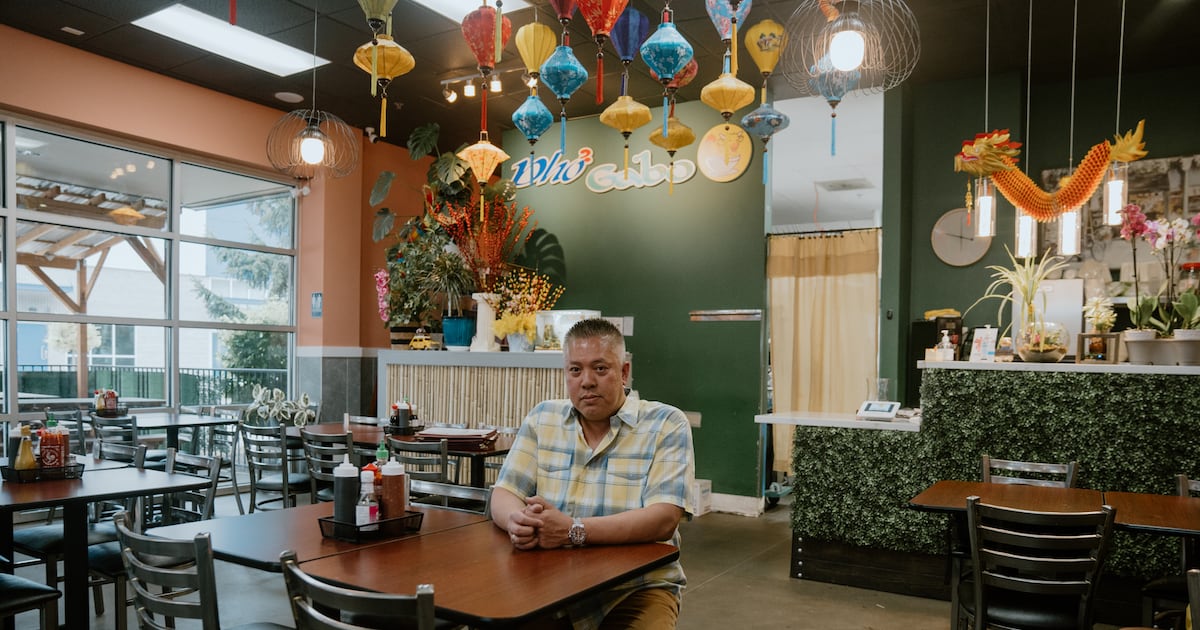
Eddie Dong, owner of Pho Gabo, plans to sue the city for civil rights violations after the closure of his Roseway location due to the city’s odor code. The legal document, sent by lawyer Julie Parrish, alleges discriminatory enforcement and concealment of the complainant's identity. The closure resulted in economic and noneconomic damages for Dong, who is seeking compensation for lease default, fines, and reputational harm. City Commissioner Carmen Rubio has suspended enforcement of the odor code pending an internal review.
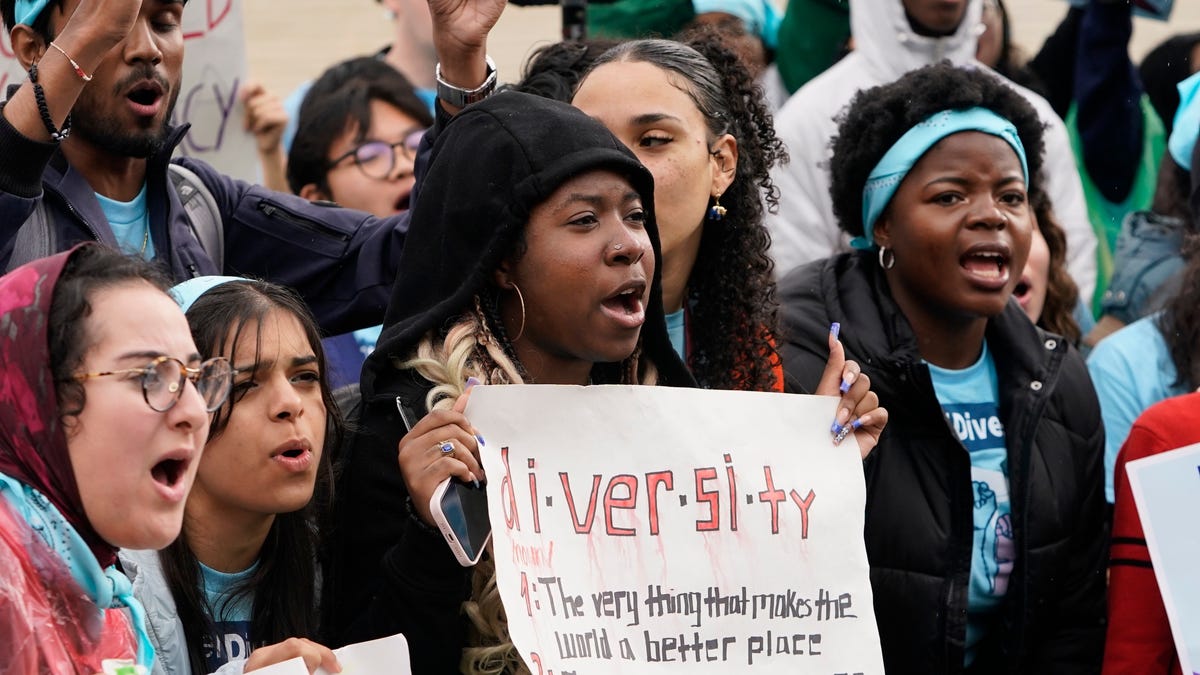
A federal judge in Texas ruled that the Minority Business Development Agency (MBDA) discriminated against white business owners and must now serve all business owners, regardless of race. The judge's decision challenges the agency's mission to help disadvantaged businesses owned by racial and ethnic groups, potentially impacting other government efforts that cater to historically disadvantaged groups. This ruling is part of a broader legal battle over diversity, equity, and inclusion, and is likely to fuel a conservative movement against affirmative action in both public and private sectors.
A federal judge in Texas ruled that the Minority Business Development Agency (MBDA) must provide assistance to all individuals, regardless of race, after White business owners claimed its policies were unconstitutional. The judge found that the agency's reliance on a statutory presumption of social or economic disadvantage based on race violated the 14th Amendment's equal protection clause. The ruling permanently bars the agency from considering race in determining assistance eligibility, impacting its services for minority-owned businesses. This decision follows a trend of conservative challenges to federal programs in Texas federal courts.
A federal district court in Alabama has ruled the Corporate Transparency Act unconstitutional, stating that while the legislation may have sensible goals, it exceeds the limits of Congress's powers under the Constitution. The act requires reporting of beneficial ownership information by businesses, but the court found that it does not fall within Congress's foreign affairs or Commerce Clause authority. The court also rejected the argument that the act is a necessary and proper exercise of Congress's taxing power. The ruling grants a motion for summary judgment in the case of National Small Business United v. Yellen, and the AICPA continues to push for suspension of the reporting rule.
New York Attorney General Letitia James has filed a lawsuit against over 30 companies and individuals, including Yellowstone Capital and its founder David Glass, for exploiting small businesses through fraudulent loans disguised as merchant cash advances. The lawsuit seeks at least $1.4 billion in interest and fraudulent fees collected from small businesses and a court order to stop the illegal activities. The companies allegedly operated a predatory lending scheme through various aliases, issuing short-term, high-interest funding with ultra-high interest rates of up to 820% per year. The lawsuit aims to return all illegally obtained amounts and bar the companies and individuals from continuing their scheme in the future.
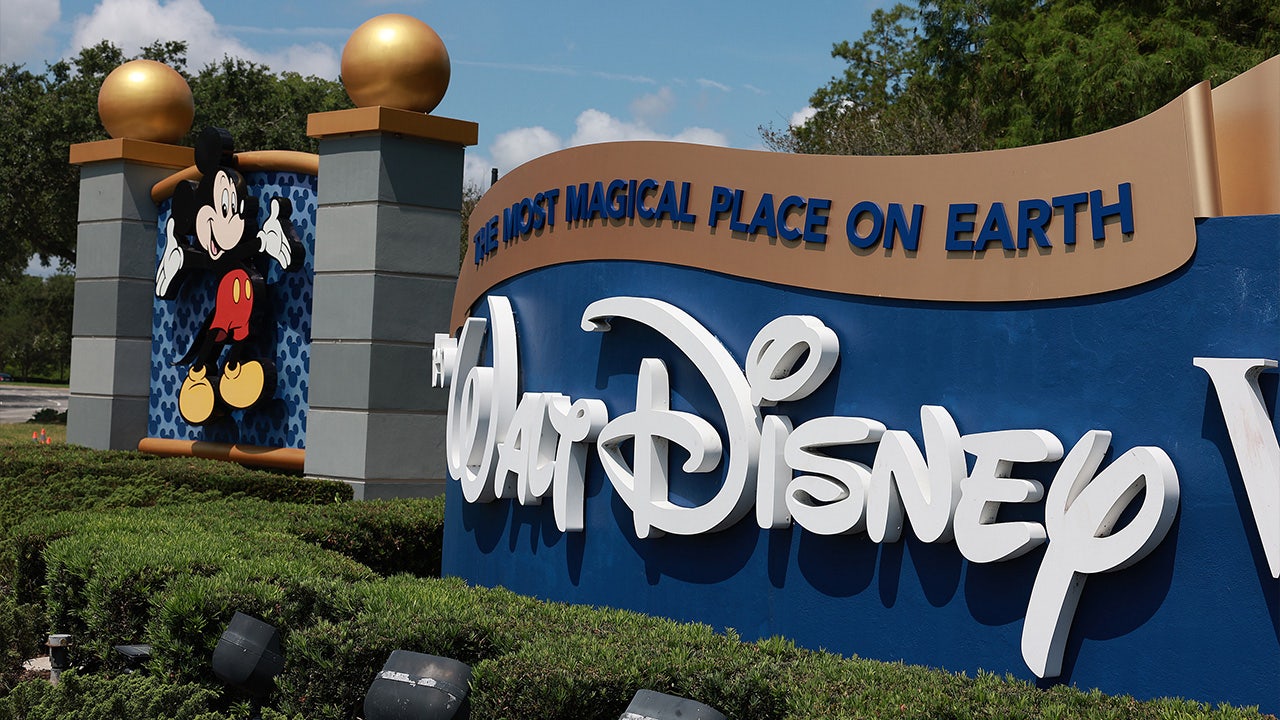
Disney and Raglan Road are facing a lawsuit after a New York doctor died from a severe allergic reaction following a meal at the Irish restaurant on Disney World’s property. The lawsuit alleges negligence on the part of Disney and the restaurant for failing to ensure that the food was allergen-free despite being informed of the doctor's severe dairy and nut allergies. The husband of the deceased doctor is seeking damages "in excess of" $50,000, citing mental pain and suffering, loss of companionship, and other damages.
The Supreme Court declined to halt a $2.46 billion bankruptcy settlement for the Boy Scouts of America, rejecting an emergency request from childhood sex-abuse victims who argued that the agreement unlawfully bars them from suing groups that ran local scouting programs. The victims sought to halt the settlement while the court considers a similar dispute involving Purdue Pharma. The settlement prohibits victims from suing third parties for damages, and the court's decision has implications for other major bankruptcy deals.
Cox Communications successfully appealed a $1 billion jury verdict in favor of major record labels, accused of failing to prevent user piracy, leading to a new trial to determine damages. The 4th U.S. Circuit Court of Appeals ruled that the amount of damages was not justified and that a federal district court should hold a new trial. The labels' attorney affirmed Cox's willful infringement, while Cox disagreed with the ruling, stating that providing broadband service should not be a violation of copyright law. The case is seen as a test of the obligations of internet service providers to thwart piracy, with other ISPs also facing similar lawsuits from record labels.
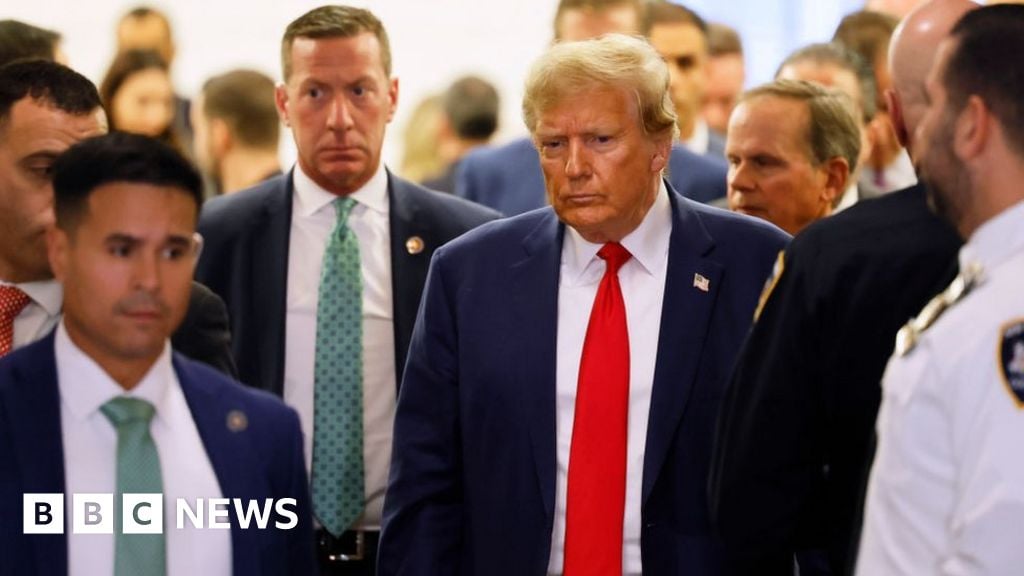
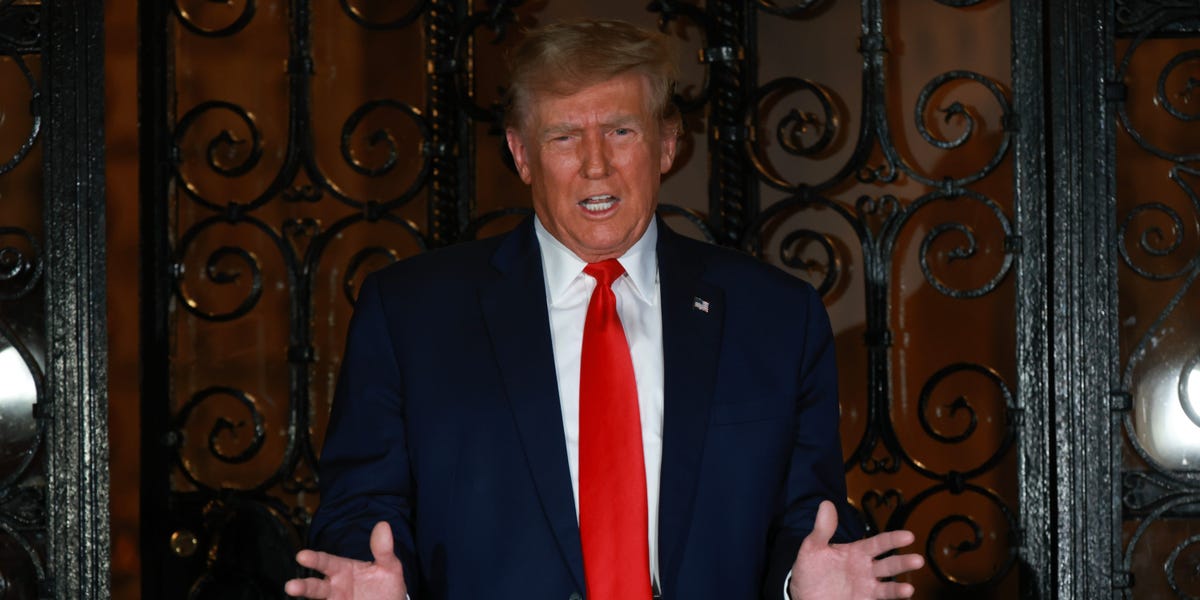
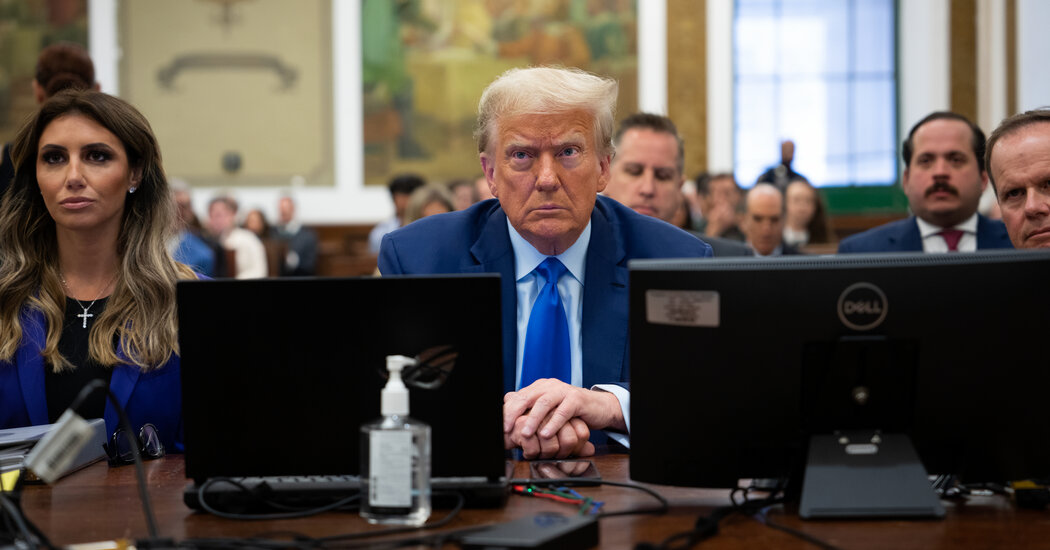
In a major blow to Donald Trump, a judge has ruled that he and his organization must pay nearly $355m in fines for fraudulently misrepresenting their assets to obtain loans, with Trump's sons and former CFO also facing heavy fines. Trump has been barred from doing business in New York for three years, while his organization will continue to exist under strict oversight. The ruling also includes the appointment of an independent monitor to keep the company in check, and the judge criticized the Trump Organization's business practices as "sloppy."
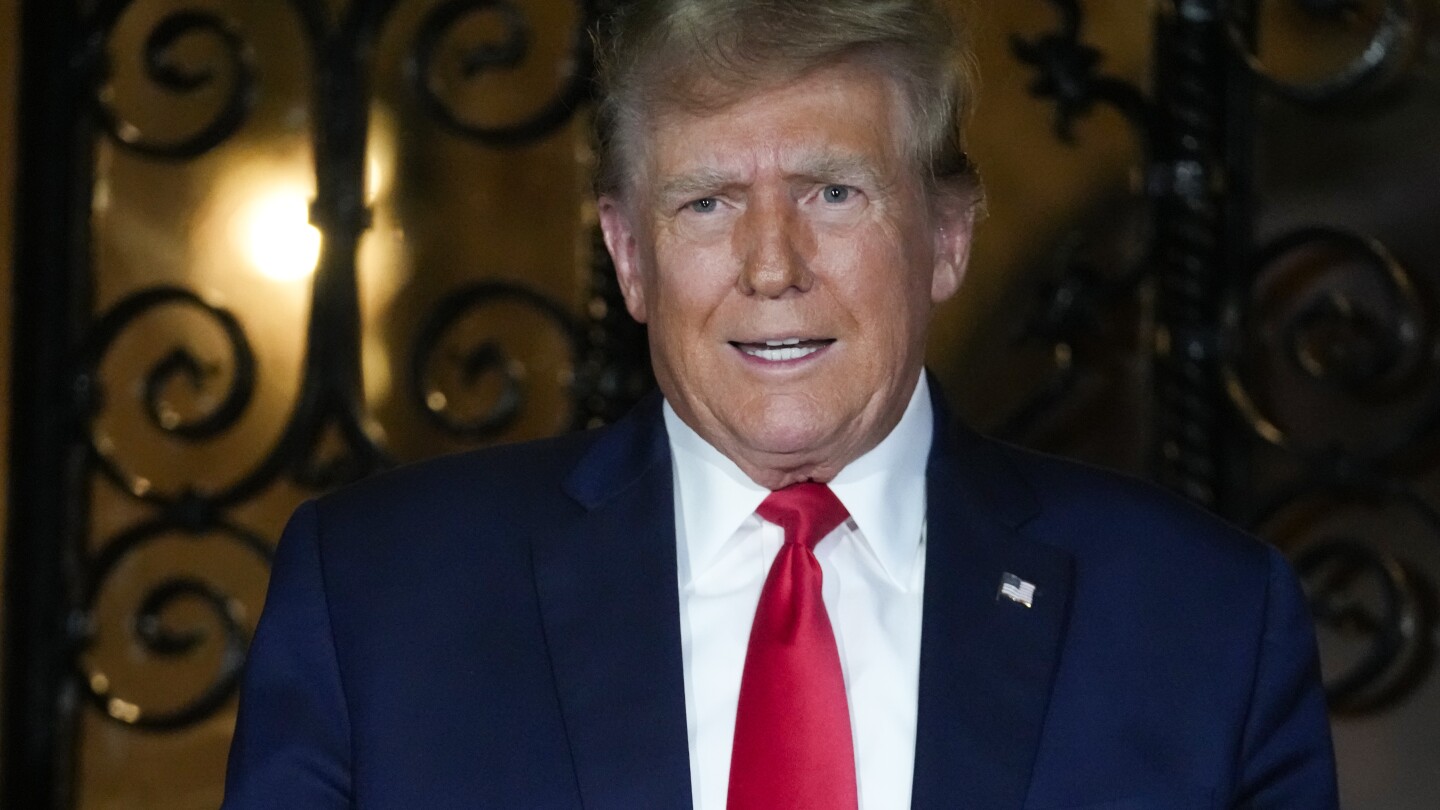
A New York judge spared Donald Trump from the "corporate death penalty" in a civil fraud case, but imposed significant penalties including a $364 million judgment, banned Trump from serving as an officer or director in any New York corporation for three years, and prohibited him from taking out loans with New York banks. The ruling will likely impact Trump's business by draining cash, restricting his ability to influence the company, and potentially limiting access to traditional bank loans, although alternative financiers may still be an option.
The Trump Organization denounced a New York Supreme Court ruling ordering Trump, his sons, and former CFO Allen Weisselberg to pay a total cash penalty of $364 million for manipulating asset values, with interest potentially adding another $100 million. The judgment also bars Trump and his sons from running businesses in New York for several years. Experts believe this case is extreme and unlikely to impact other businesses, as it stemmed from a unique refusal to admit errors. The investigation into the Trump Organization was sparked by a 2019 congressional hearing exchange and a promise by New York Attorney General Letitia James to investigate Trump's business dealings.
A New York judge has ruled against Donald J. Trump in a civil fraud case, ordering him to pay $355 million and barring him from serving in top roles at any New York company for three years. The judge criticized Trump and his co-defendants for their lack of contrition, stating that their behavior bordered on pathological. This ruling could have significant implications for Trump's business empire as he faces multiple criminal prosecutions and seeks to regain the White House.
A McDonald's franchisee has agreed to pay $4.4 million to settle a lawsuit with a teenage girl who was sexually assaulted by a restaurant manager who was a registered sex offender. The incident led to a strike by workers in 12 U.S. cities, prompting the company to address ongoing issues of sexual harassment and violence in its stores. The victim, who was 14 at the time of the assault, had not received training on sexual harassment or reporting procedures. The franchisee stated that it has since enhanced security and implemented safe workplace training for new hires.
A Pittsburgh-area McDonald's franchisee has agreed to pay $4.35 million to the family of a 14-year-old employee who was raped by the store manager, a convicted sex offender. The family sued McDonald's and its franchisee, alleging that they knew or should have known about the manager's criminal history. The settlement, announced by attorney Alan Perer, aims to send a message to McDonald's restaurants nationwide to provide a safe environment for their employees. The franchisee will sell all of its eight restaurants to compensate the family, and while McDonald's USA is not being held responsible, the attorney believes the corporation should adopt protocols to govern the hiring practices of its franchises.