Astronomers are studying lava planets—hot, rocky exoplanets with surface magma oceans—using models and upcoming observations from the James Webb Space Telescope to understand their formation, evolution, and atmospheric composition, revealing insights into their internal dynamics and age.
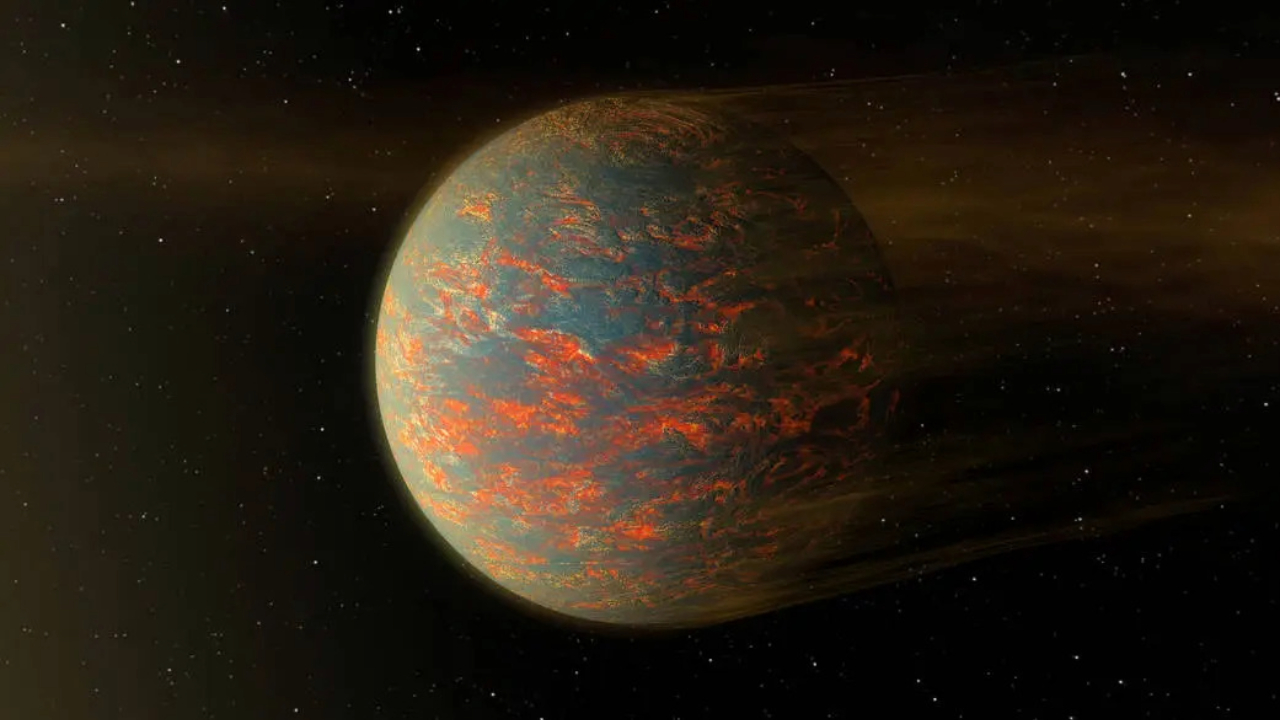
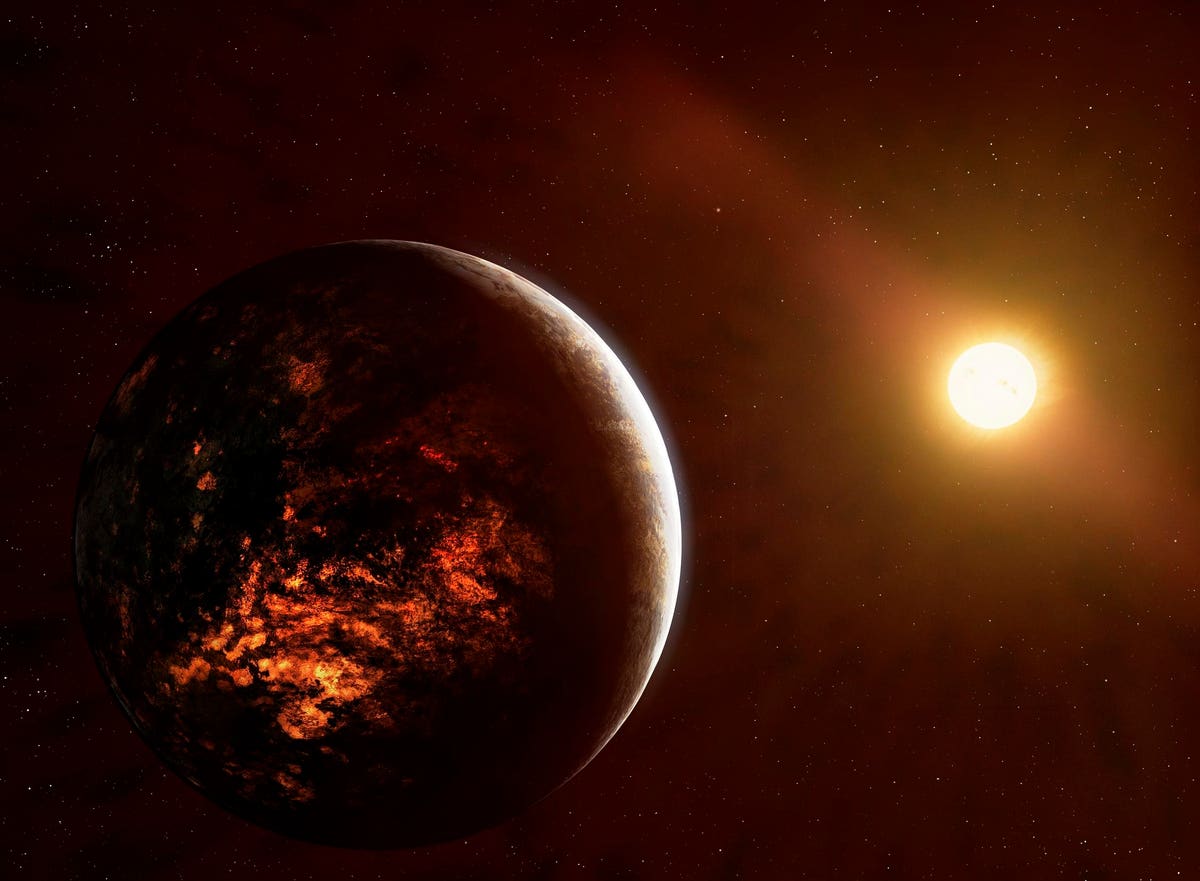
A new study published in The Astrophysical Journal explores the strange and fascinating world of lava planets, which make up almost half of all rocky exoplanets discovered so far. These large lava worlds, unlike anything in our solar system, have seas of liquid magma on their surfaces due to their close proximity to their stars. Although inhospitable to life, these "super-Earths" can provide insights into the early evolution of terrestrial planets. The study reveals three probable types of lava worlds and raises exciting new questions about these unique planets.
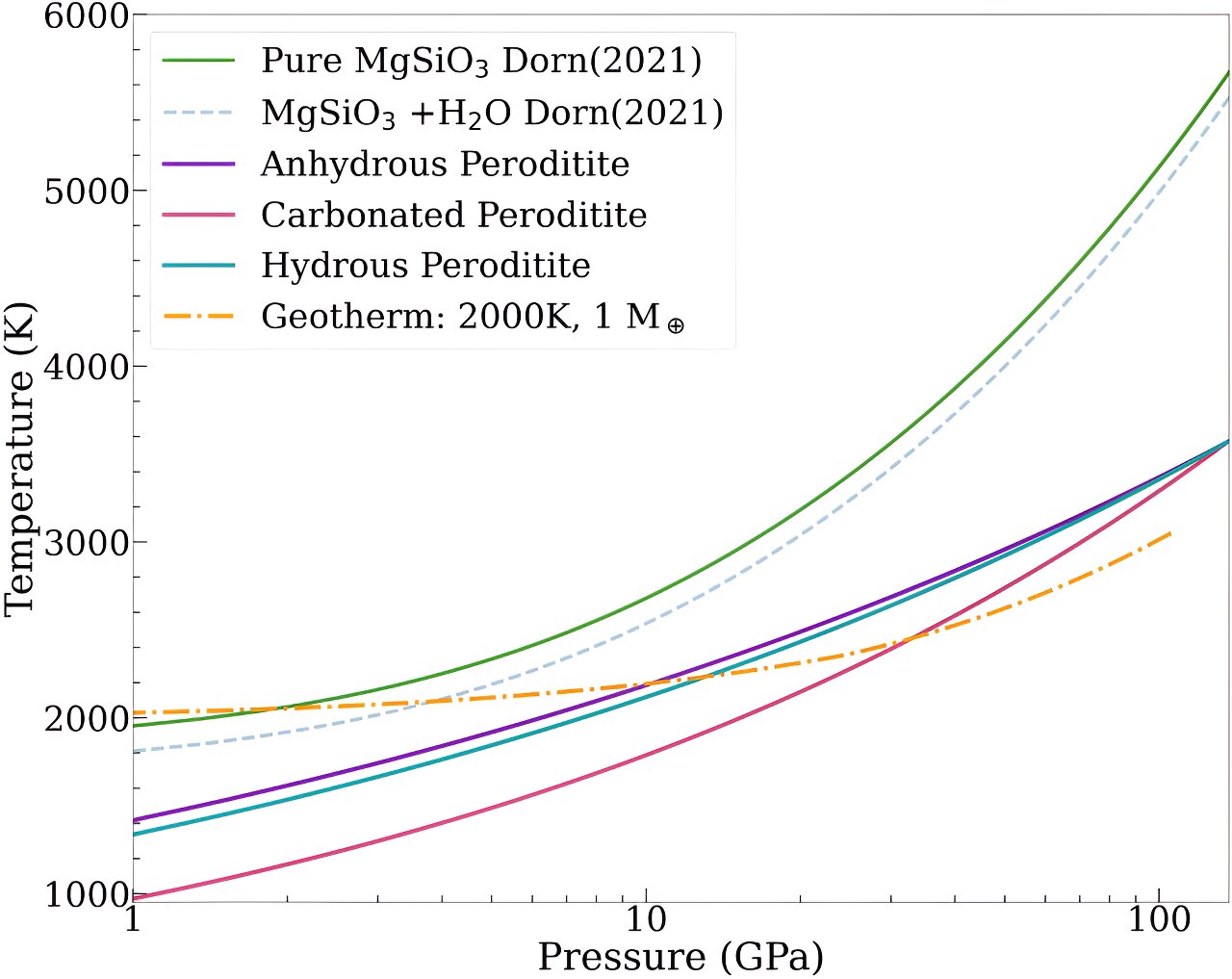
A new study published in The Astrophysical Journal explores the properties and evolution of lava worlds, massive exoplanets with magma oceans. These planets, found close to their host stars, have extreme surface temperatures and inhospitable conditions. The study reveals that magma oceans can affect the size and structure of these planets, making them denser and impacting their mantles. Understanding lava worlds can provide insights into the evolution of terrestrial planets, including Earth. The research suggests that different compositions of magma oceans can influence the trapping of volatile elements, which has implications for habitability. Density is not the best parameter to characterize lava worlds, and scientists should focus on other factors like surface gravity.