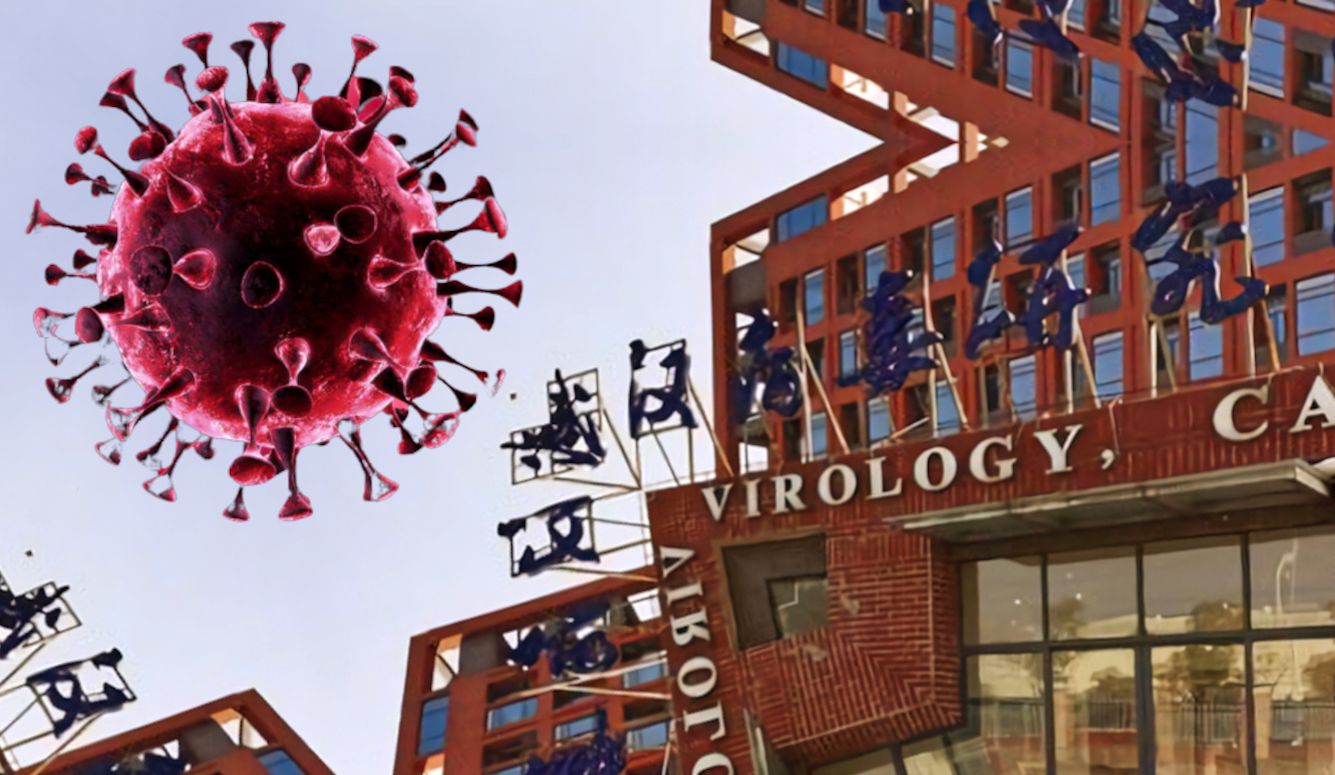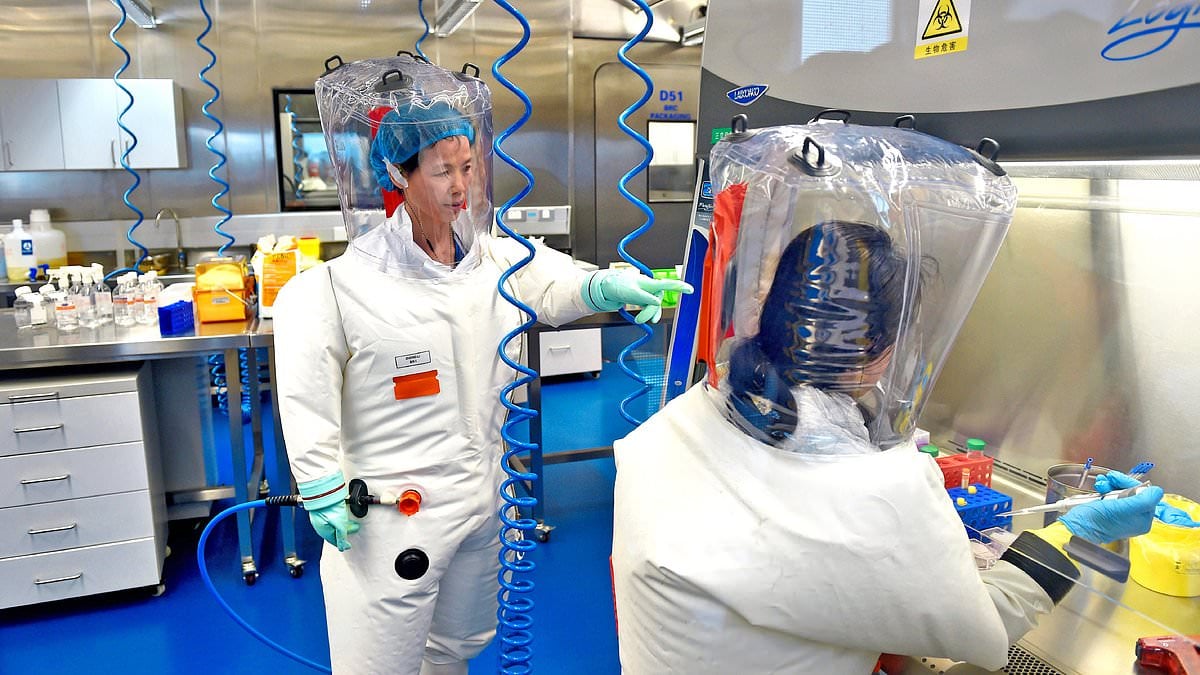
A new analysis suggests that the Covid-19 virus may have originated from a lab, with researchers assigning a 68% likelihood to the pandemic being an unnatural outbreak. The study points to the Wuhan Institute of Virology's proximity to the wet market where the first cases emerged, as well as unusual characteristics of the virus and suspicious actions at the lab. While the zoonotic theory remains, recent revelations about experiments to create a Covid-like virus have emboldened lab leak supporters. The implications of this study highlight the importance of preventing unnatural outbreaks due to human error and inadequate biosafety procedures.

Dr. Anthony Fauci admitted in a closed-door interview with the House Select Committee on Coronavirus Pandemic that the social distancing recommendations "sort of just appeared" and were likely not based on scientific data. He also acknowledged that the lab leak hypothesis is not a conspiracy theory and that the policies and mandates he promoted may increase vaccine hesitancy in the future. Fauci's testimony revealed systemic failures in the public health system and raised concerns about the suppression of dissenting opinions. Senator Rand Paul accused Fauci of lying about the origins of COVID-19 and gain-of-function research, claiming that Fauci's public statements contradict his private admissions.
The lab-leak hypothesis of COVID-19's origins gained popularity despite lacking evidence, while the natural origin theory is better supported. The debate surrounding the lab-leak hypothesis is fueled by the proximity of virology labs in Wuhan to the outbreak, but this argument ignores the presence of wet markets and the historical precedence of zoonotic spillovers. The lab-leak hypothesis is poorly supported and internally incoherent, but the popular consensus is unwilling to accept this.