The article discusses how common kitchen habits, such as using plastic cutting boards, heating food in plastic containers, and using plastic wrap or utensils, can lead to microplastic contamination in food and drinks. It offers practical tips to reduce exposure, including switching to glass or wood alternatives, and highlights the potential health risks associated with microplastics, emphasizing the importance of mindful kitchen practices.
The article discusses the ongoing debate over using a washing-up bowl versus not using one, highlighting personal preferences, environmental considerations, and expert opinions. Some favor bowls for water efficiency and sink cleanliness, while others prefer no bowls for convenience and hygiene, with experts suggesting that the best approach depends on individual kitchen routines and habits.
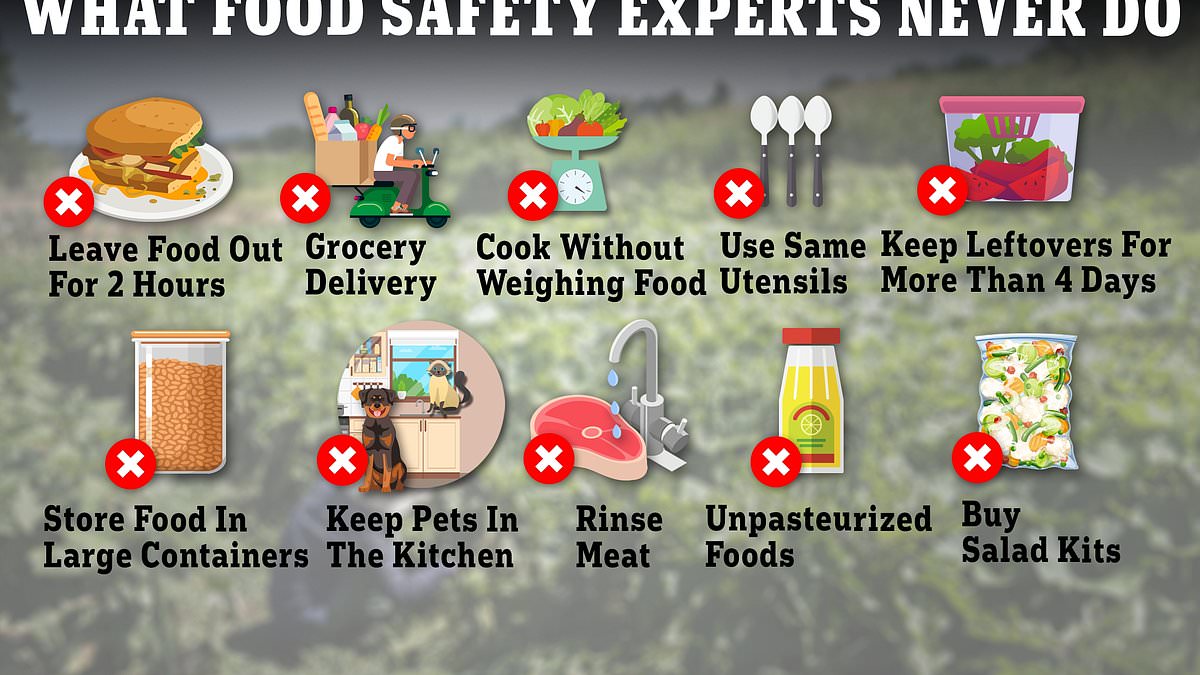
Food safety experts have highlighted several important kitchen habits that can help prevent foodborne illnesses. Leaving food out of the fridge for more than two hours can lead to bacterial growth, defrosting food in the fridge is recommended. Using grocery delivery services like Instacart may increase the risk of consuming spoiled food. Weighing food before cooking ensures proper cooking times, and using a meat thermometer is advised. Pre-prepared salad bags have been subject to recalls due to contamination. Storing food in small containers helps prevent bacterial growth, and using separate cutting boards and utensils for different foods reduces cross-contamination. Leftovers should be discarded after four days or frozen. Pets should be kept out of the kitchen to avoid contamination, and meat should not be rinsed before cooking. It is important to ensure dairy products are pasteurized to prevent illnesses.
Redditors have shared various small habits that have significantly improved their home cooking skills. These habits include adding finishing salt to desserts, brining meat, switching to chicken thighs, steaming sunny-side-up eggs, shredding cheese from blocks, toasting and grinding whole spices, keeping recipe notes, cleaning as they cook, removing food from heat before it's fully cooked, sharpening knives regularly, reading multiple versions of a recipe, using less heat, incorporating acidic ingredients, mastering cooking techniques, using a digital cooking thermometer, washing and storing produce immediately, reading recipes thoroughly, using mirepoix and soffritto, using a bowl for discarding leftovers, understanding proper cooking techniques for different cuts of meat, balancing fat, salt, heat, and acid, using soy sauce in various dishes, being generous with seasonings, browning meat before slow cooking, practicing mise en place, not flipping food too often, tasting as they go, keeping it simple in the kitchen, and deglazing the pan after cooking.