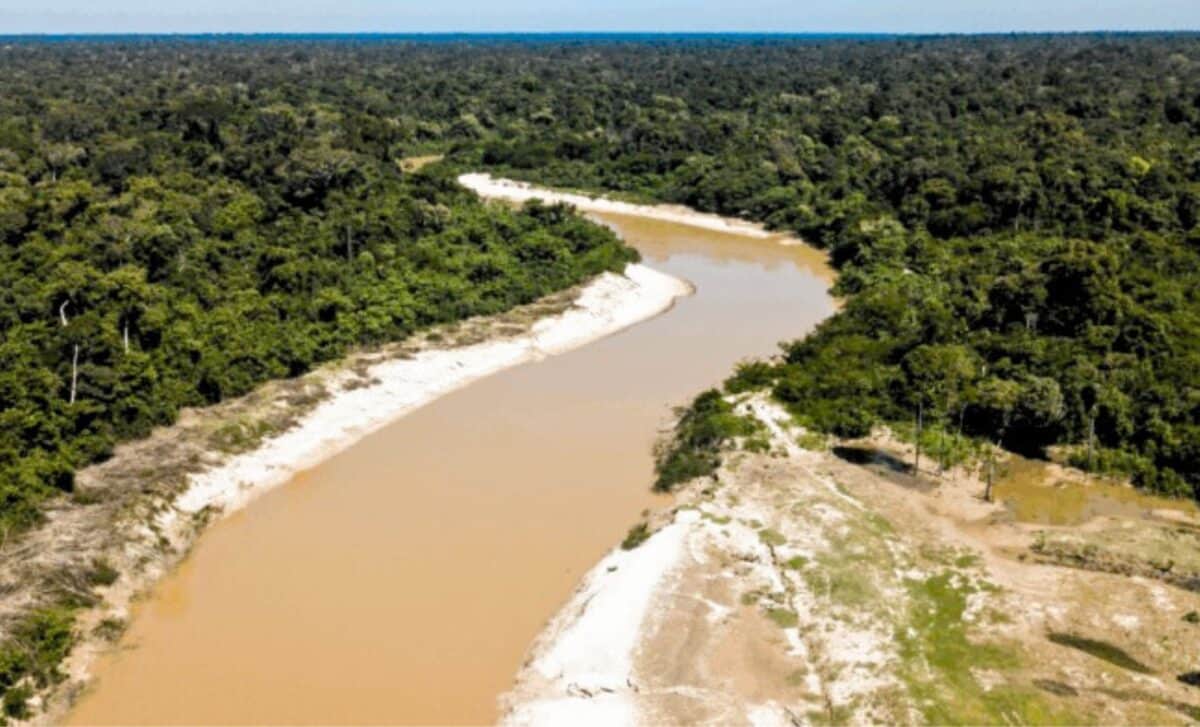
A rare killifish species, Moema claudiae, thought extinct for over 20 years, was rediscovered in Bolivia's fragmented wetlands, highlighting the importance of microhabitats and urgent conservation efforts to prevent its extinction amid ongoing deforestation.
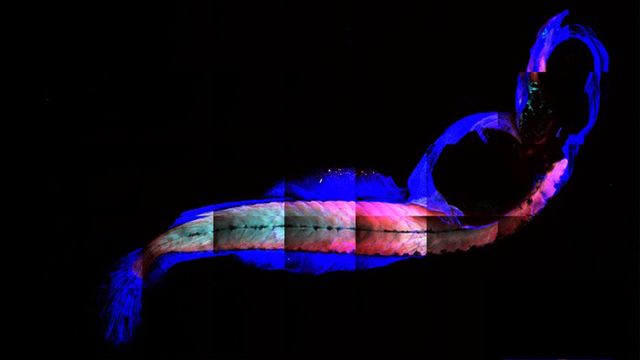
Researchers from Monash University have found that muscles in an animal model of aging "rejuvenate" towards the end of life to resemble their early-life metabolic state. The African turquoise killifish, which has the shortest known lifespan of any vertebrate species that can be successfully bred in a laboratory environment, was used to study sarcopenia, a gradual loss of muscle mass and strength that occurs in aging. The researchers discovered that some hallmarks of aging actually reverse during the late-life stage, suggesting extremely old animals may carry a mechanism whereby further deterioration of skeletal muscle is prevented, ultimately contributing to an extension of their lifespan. The team hypothesized that applying a drug capable of regulating the formation of certain lipids could pharmacologically induce this rejuvenation process.