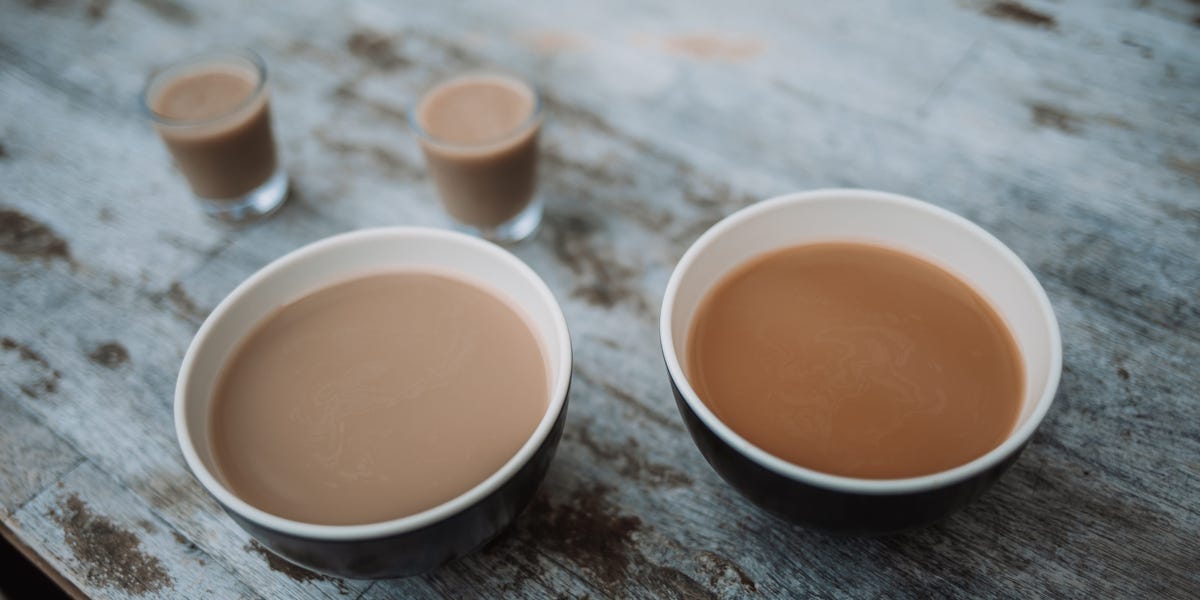
Dr. Maharaj warns that excessive kava consumption during festivities in Fiji is increasing stress levels, disrupting sleep, unhealthy eating habits, and reducing productivity, urging people to cut back and spend more quality time with family.
Health experts warn against three common supplements that can be dangerous to your health. Ephedra, a stimulant, can increase blood pressure, heart rate, and metabolism, and may interact with other medications. Beta-carotene, found in yellow and orange fruits and vegetables, has been linked to a higher risk of lung cancer in certain populations, particularly smokers. Kava, a stress supplement, can lead to liver and kidney damage when consumed regularly. It is important to research and understand the potential risks of supplements, especially their interactions with medications and pre-existing health conditions.
Kava, a popular alcohol-alternative beverage known for its mood-boosting and calming effects, has been linked to severe liver damage and failure. The herbal supplement can interact with prescription medications, posing a risk to those with existing liver disease and individuals taking certain drugs. While kava has therapeutic potential, its cultivation and manufacturing processes lack standardization, making it difficult to determine the exact composition and dosage. Additionally, the lack of regulation in the supplement industry further complicates the safety and efficacy of kava products. It is advised to consult with a healthcare professional before consuming kava or any other supplements.
Health experts are warning against the use of kava, a popular stress-relieving supplement, due to its potential to cause liver damage. Kava has been found to reduce levels of an important antioxidant and inhibit liver enzymes responsible for metabolizing drugs. Individuals with pre-existing liver conditions or those taking medications that may interact with kava should exercise caution. It is recommended to consult with a healthcare professional before taking any new supplement, adhere to recommended dosages, choose reputable sources, and avoid excessive alcohol consumption. Alternative stress management methods include meditation, exercise, and maintaining a healthy sleep schedule.