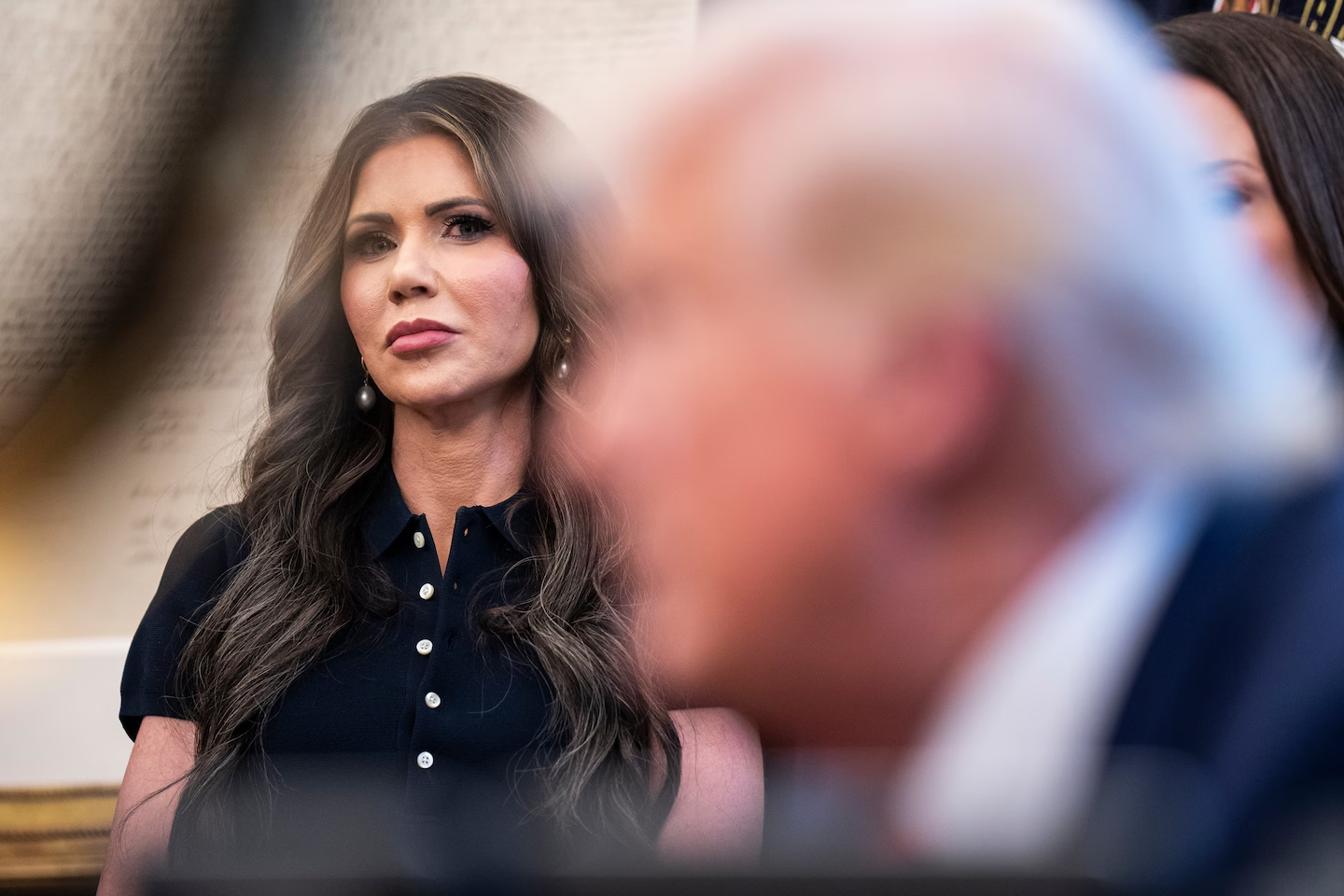
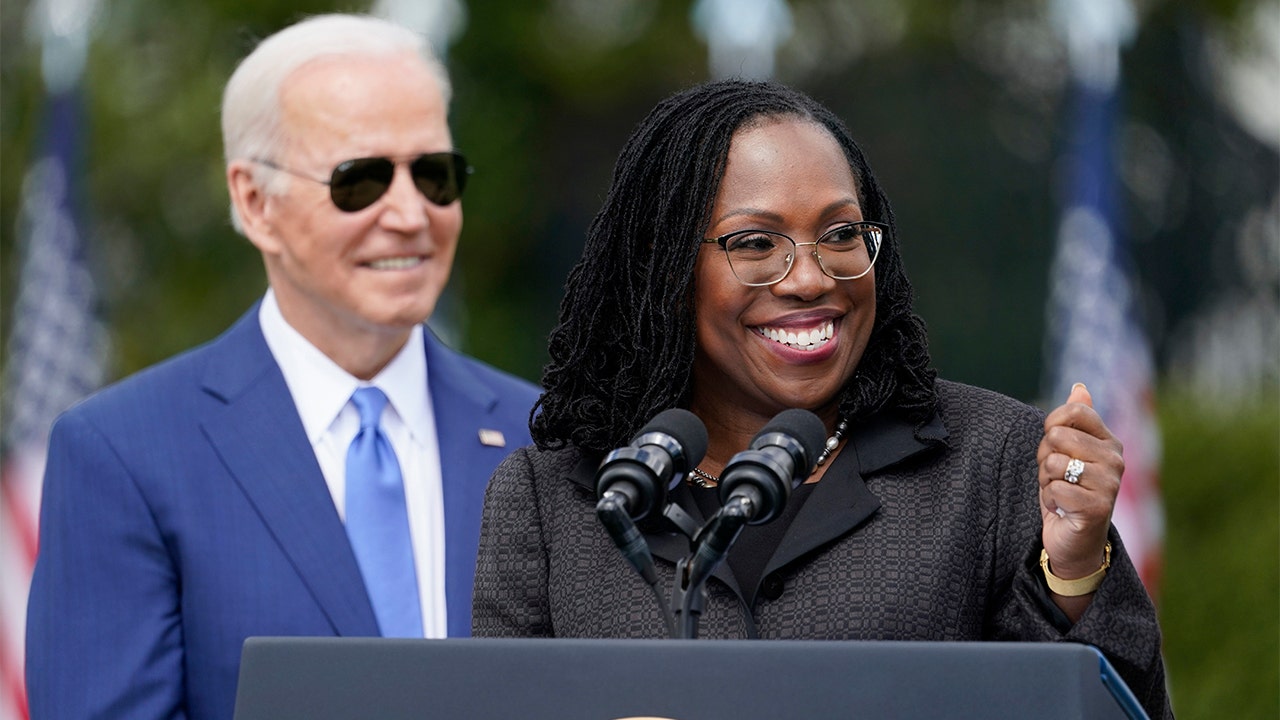
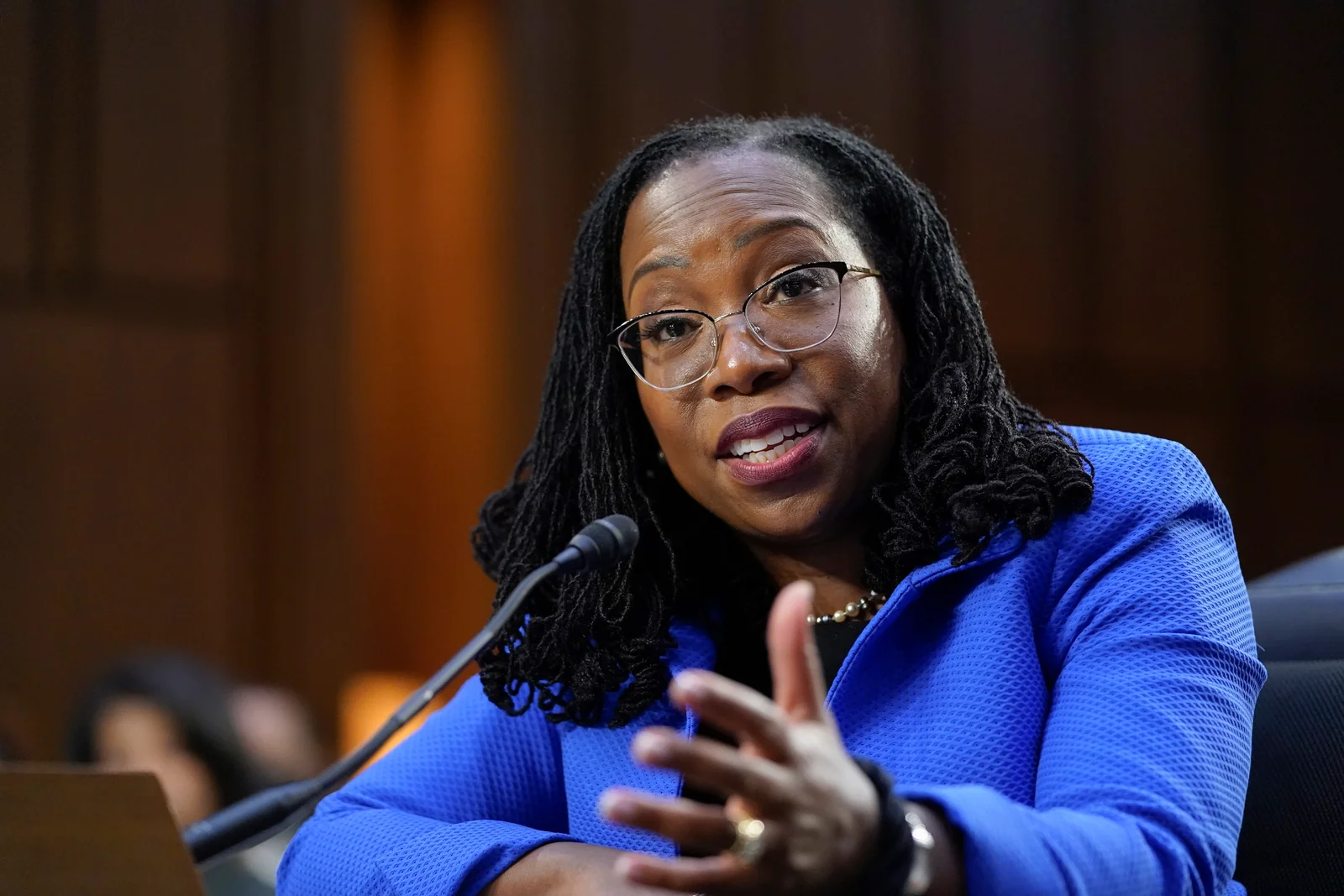
The Supreme Court has allowed former President Trump's administration to end protected status for Venezuelans for now, despite criticism from Justice Ketanji Brown Jackson who called it a misuse of the emergency docket.
The article discusses concerns about the Supreme Court's perceived bias in favor of Donald Trump, highlighted by Justice Jackson's criticism of a recent decision and the broader implication of partisan influence within the Court.
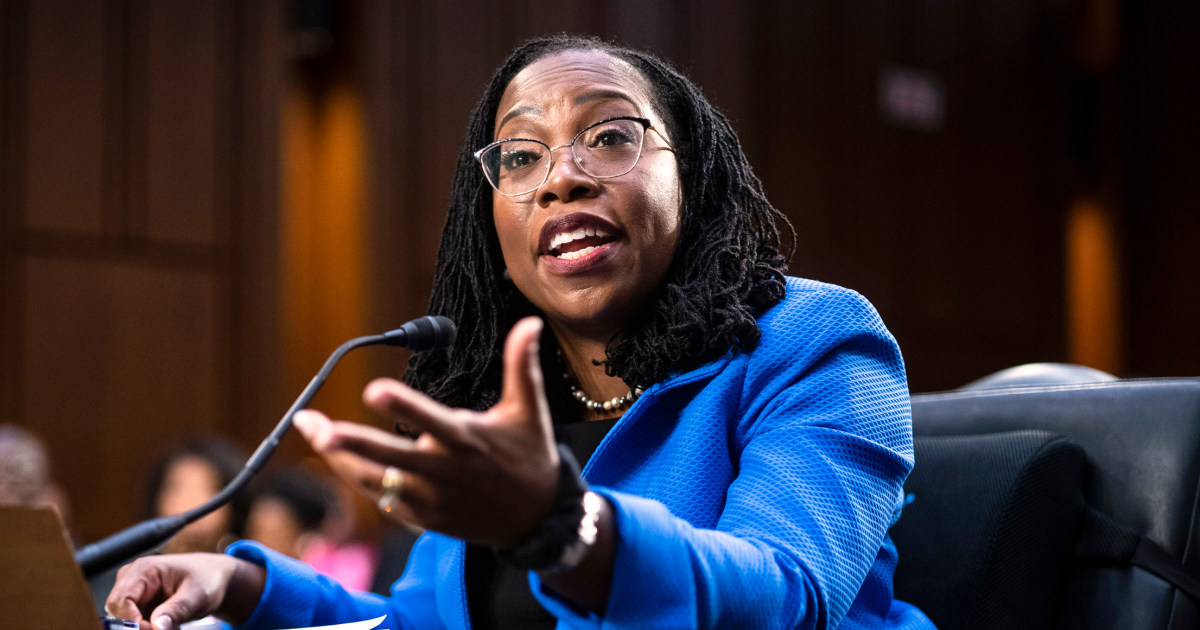
During the "Murthy v. Missouri" oral arguments, Justice Ketanji Brown Jackson's comments about the First Amendment potentially "hamstringing" the government in COVID censorship drew criticism from House Judiciary Committee Chairman Jim Jordan and others, who argued that such views could lead to censorship of opposing viewpoints. The case raises questions about the government's role in pressuring social media platforms to suppress certain speech during the pandemic, with some expressing concerns about potential government coercion and the impact on free speech.
Supreme Court Justice Ketanji Brown Jackson delivers a speech in Birmingham, Alabama, urging Americans to confront uncomfortable truths about the history of violence against Black Americans and not shy away from acknowledging racism. She emphasizes the importance of knowledge, truth, and history in moving forward as a nation, stating that the uncomfortable lessons often teach us the most about ourselves. Jackson's remarks come at a time when Republican-led efforts to change public school curricula have been criticized for whitewashing the country's past. As a sitting member of the Supreme Court, Jackson's words carry weight, especially following the court's conservative majority's recent restrictions on race-conscious admissions practices in colleges and universities.
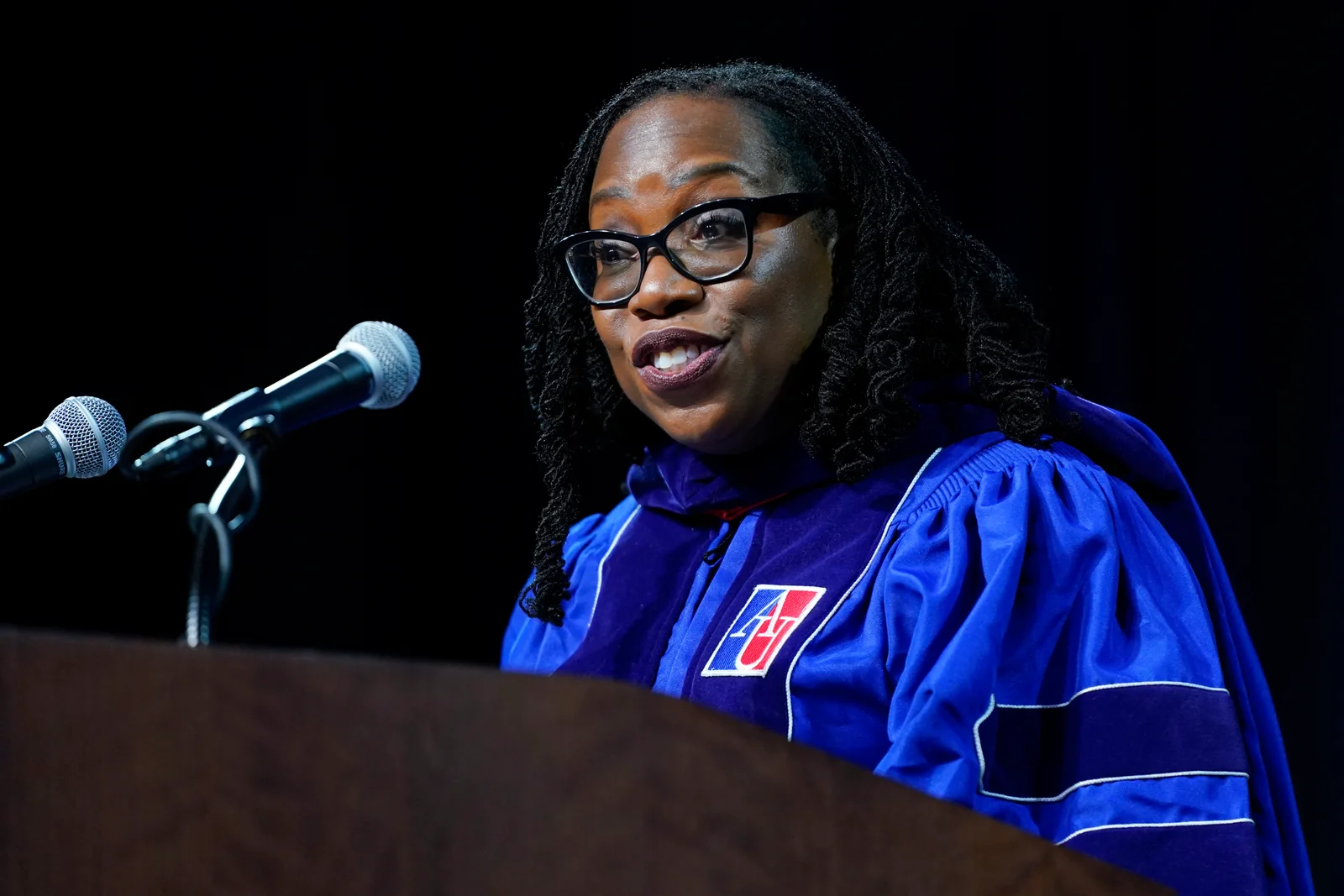
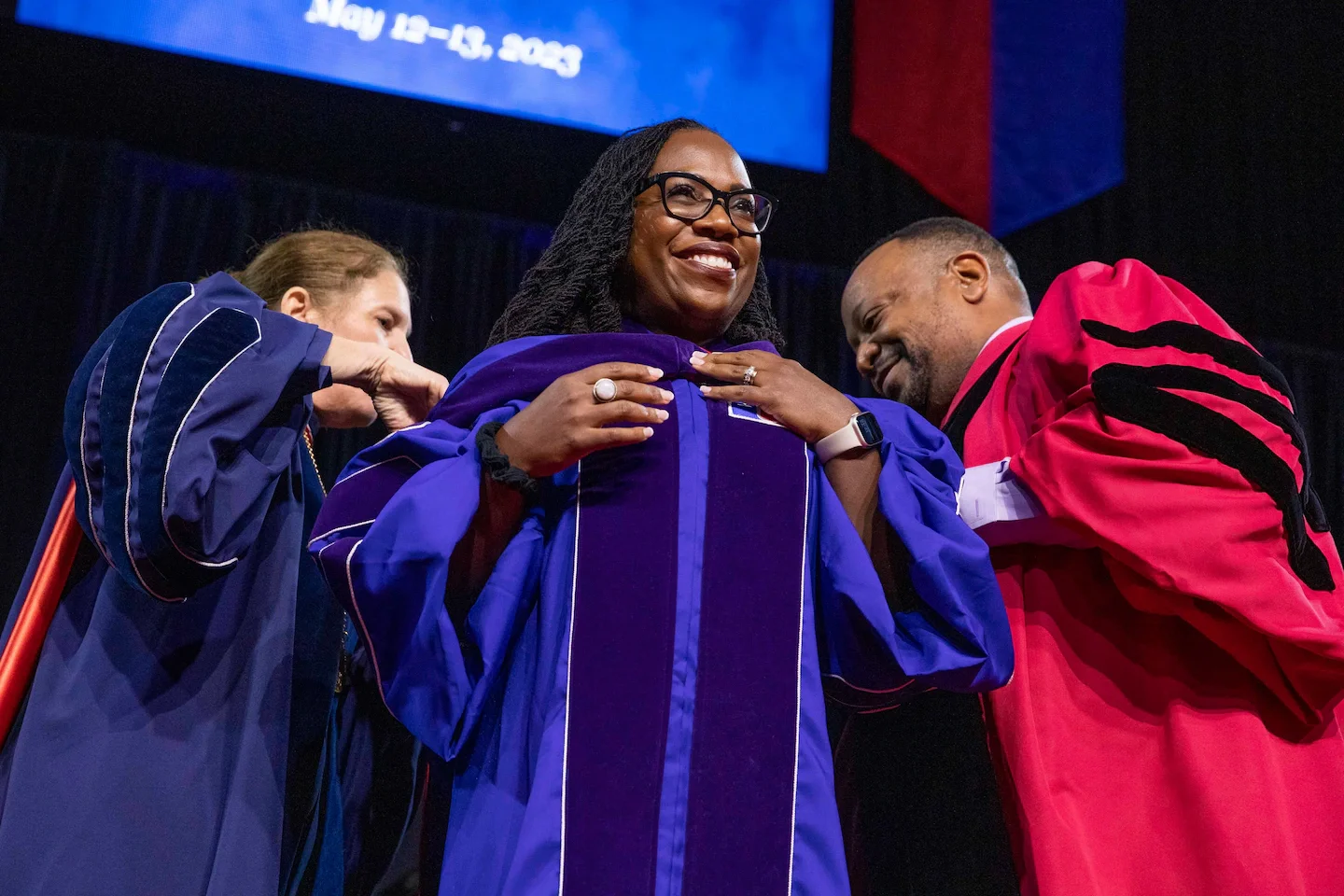
Supreme Court Justice Ketanji Brown Jackson gave a commencement address to graduating law school students at American University in Washington, D.C. In her speech, she drew lessons from the reality TV show "Survivor," which she called herself a "superfan" of. Jackson advised the students to prioritize their time, make the most of their resources, know their strengths, and play the long game. She also emphasized the importance of staying optimistic and even-keeled in the face of conflict. This was Jackson's first commencement address since becoming a justice.
Justice Ketanji Brown Jackson gave a commencement speech at American University's Washington College of Law, where she shared three lessons drawn from her legal career and the reality TV show "Survivor." She urged graduates to make the most of the resources they have, know their strengths, and play the long game. Jackson, the first Black woman justice, also emphasized the importance of finding time for the things you love. The ceremony marked a joyful end to a degree program that had started for many on screens in their bedrooms and basements all over the world in 2020.
Justice Ketanji Brown Jackson dissented as the Supreme Court wiped out a federal appeals court ruling that upheld the right of a minor to go to court to obtain permission to seek an abortion without parental notification. Jackson argued that the justices have become too liberal in granting requests from parties to nullify rulings issued by lower courts. The ruling will have no practical effect in Missouri, which currently has one of the strictest abortion bans in the country, with no exemptions for rape or incest.