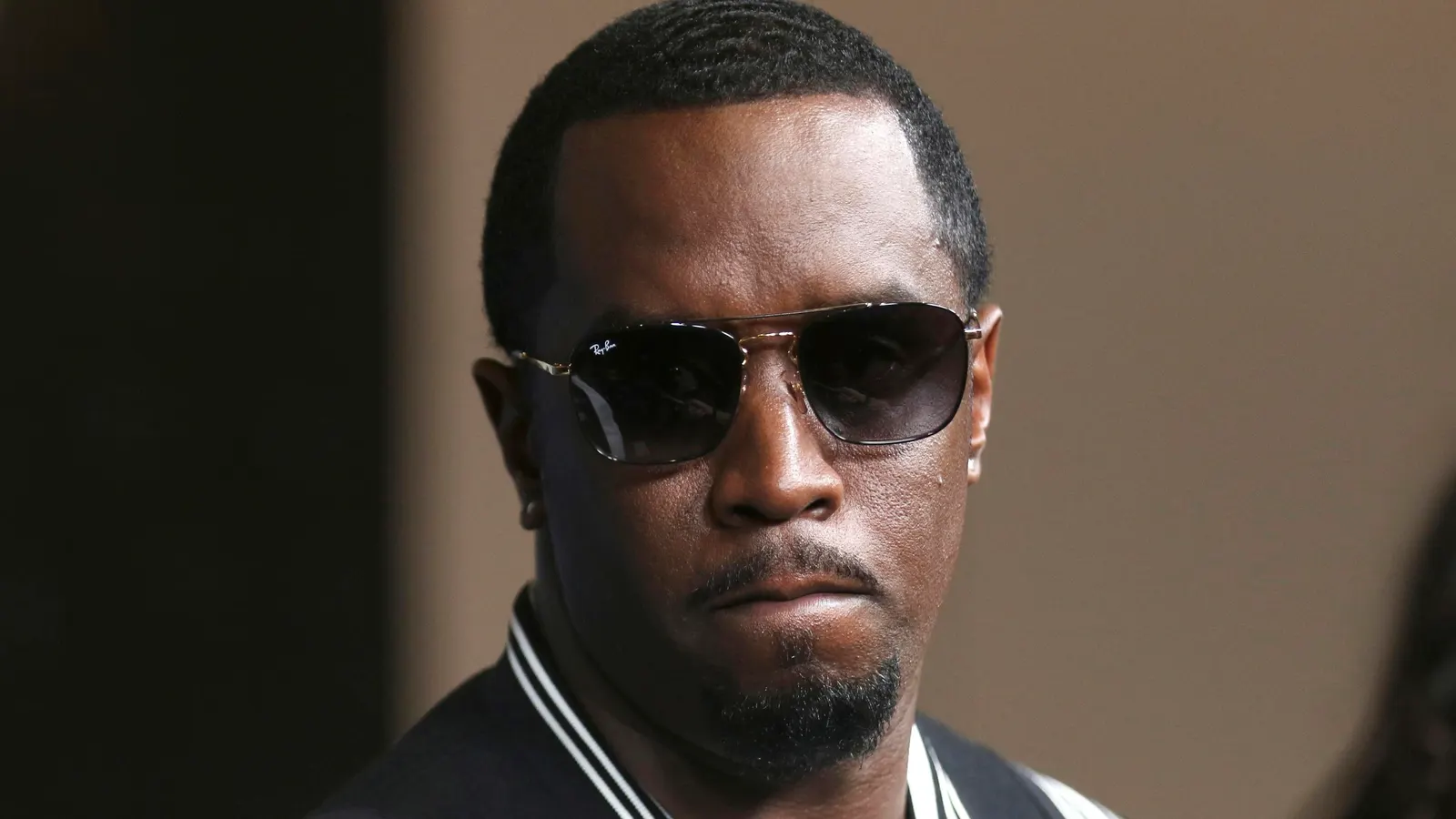
Jurors in Diddy's federal trial expressed concern about one juror's ability to follow instructions, leading the judge to order continued deliberation and consider replacing the juror, amid ongoing deliberations on serious charges including sex trafficking and racketeering.
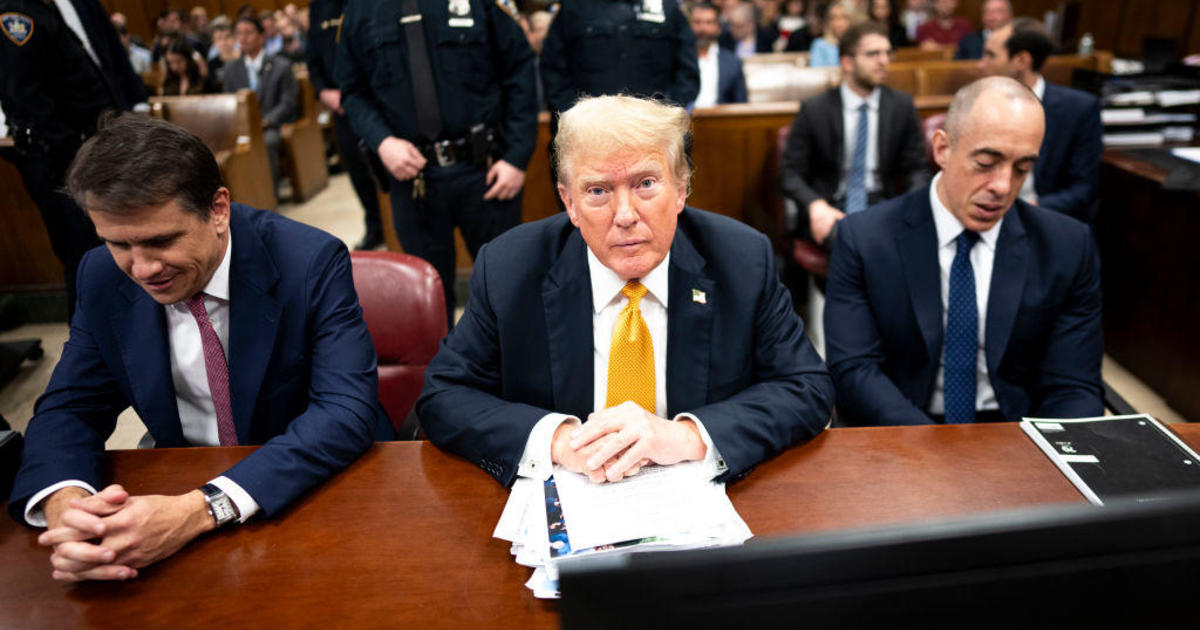
The first day of jury deliberations in former President Donald Trump's criminal trial in Manhattan ended without a verdict. Judge Merchan provided detailed jury instructions, emphasizing the need to set aside biases and focus on the evidence. The jury requested to review specific testimonies and the judge's instructions, which will be addressed when court reconvenes. Trump's defense argued against the credibility of key witness Michael Cohen, while the prosecution focused on the alleged falsification of business records to cover up a hush money payment.
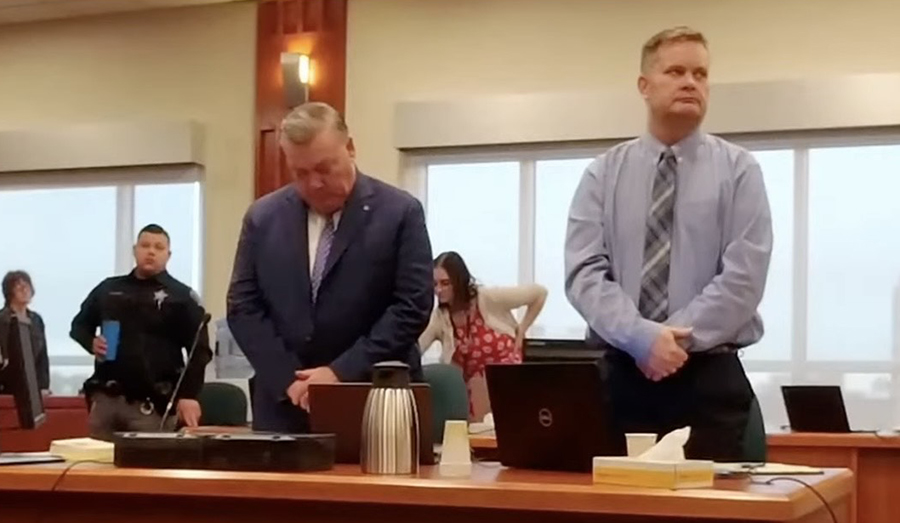
The Chad Daybell trial is nearing its conclusion with rebuttal witnesses finishing their testimonies. Jury instructions will be finalized and read to the jurors, followed by closing arguments scheduled for Wednesday. Key discussions included the use of old versus new jury instructions on reasonable doubt and the admissibility of certain witness testimonies.
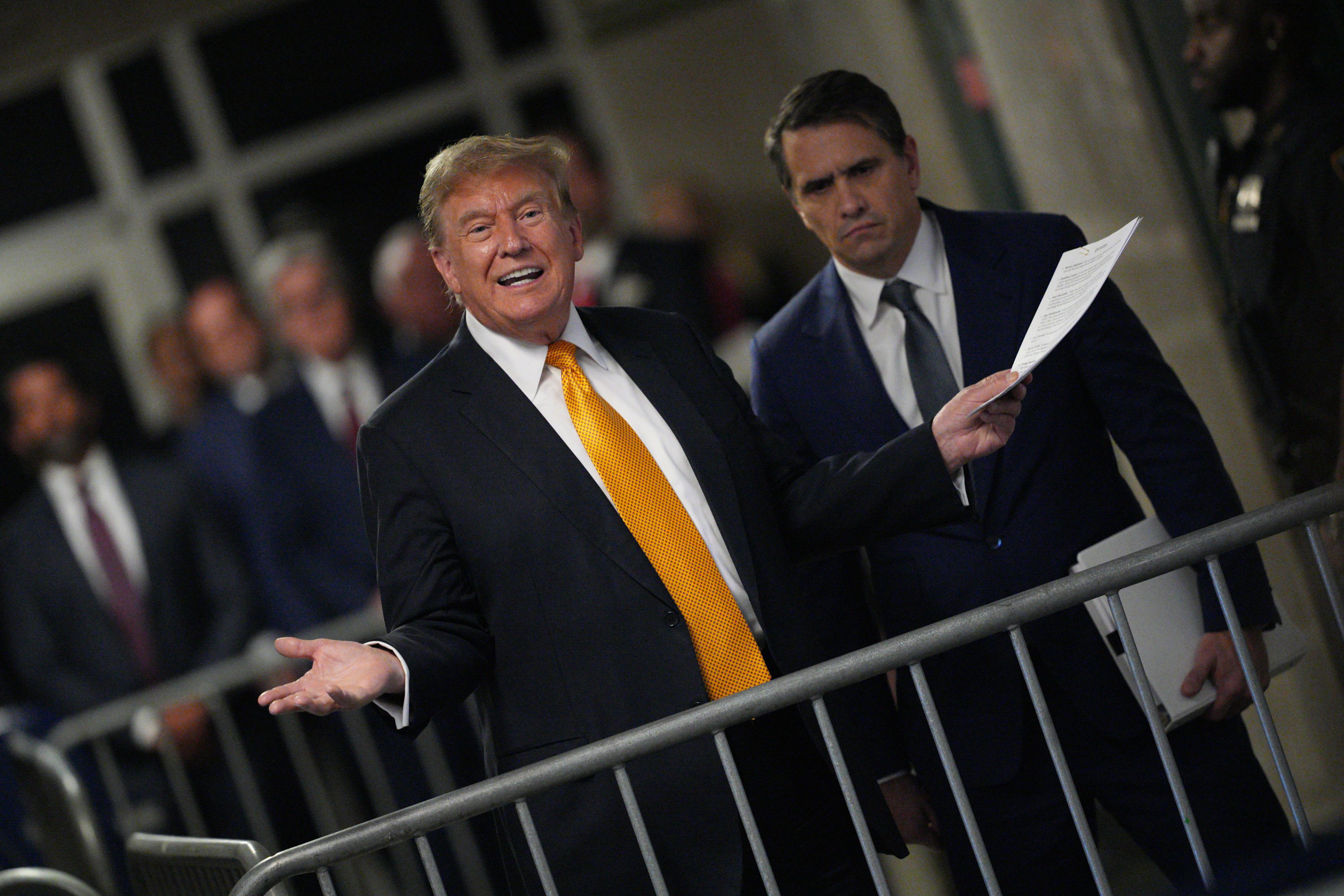
Prosecutors in Donald Trump's hush money trial may face challenges convincing the jury of felony offenses due to potentially complex jury instructions on campaign finance laws. Legal experts suggest that the prosecution's case could be hindered if jurors are not clearly informed about the specifics of these laws. Trump has pleaded not guilty to 34 charges of falsifying business records related to a $130,000 payment to Stormy Daniels.
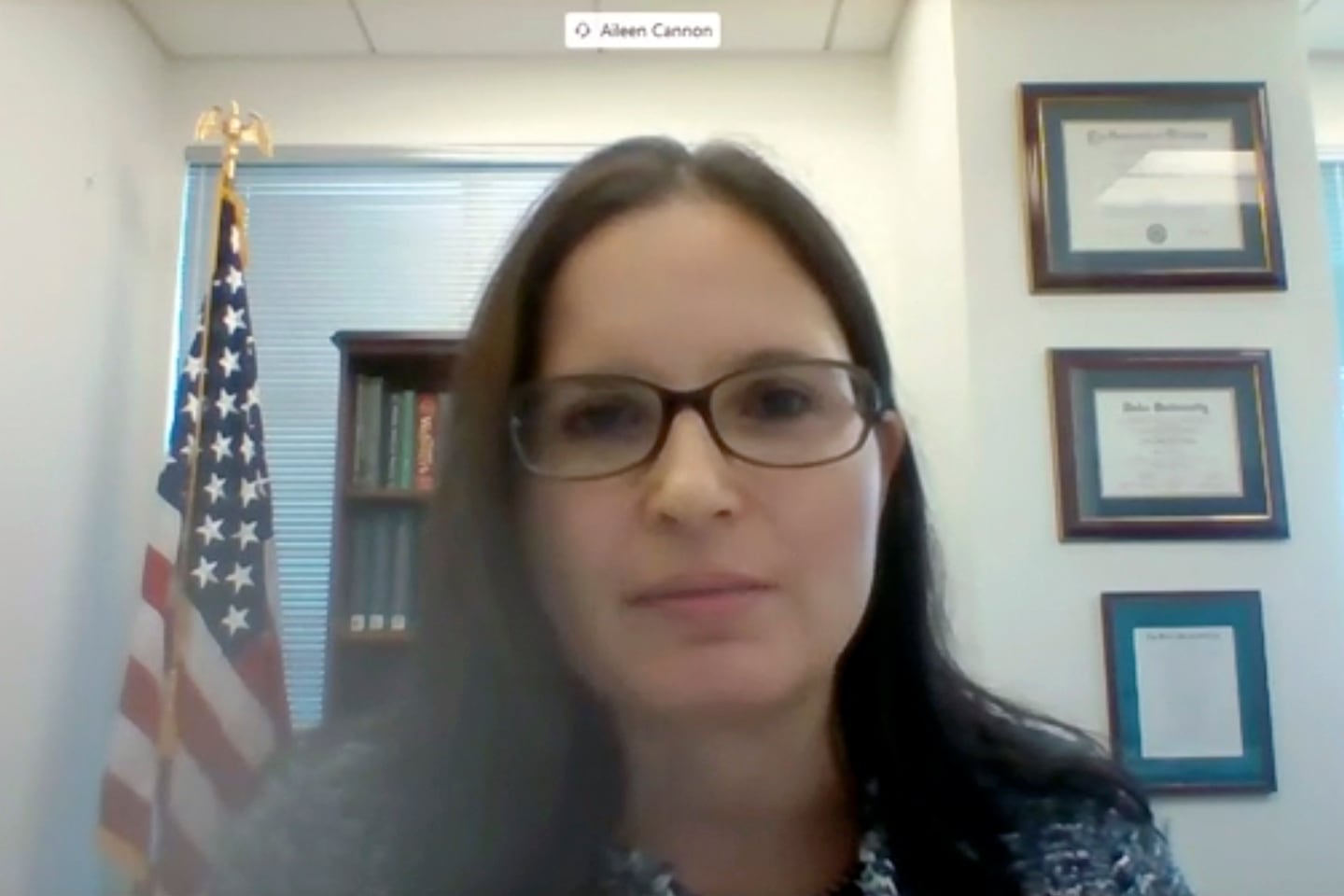
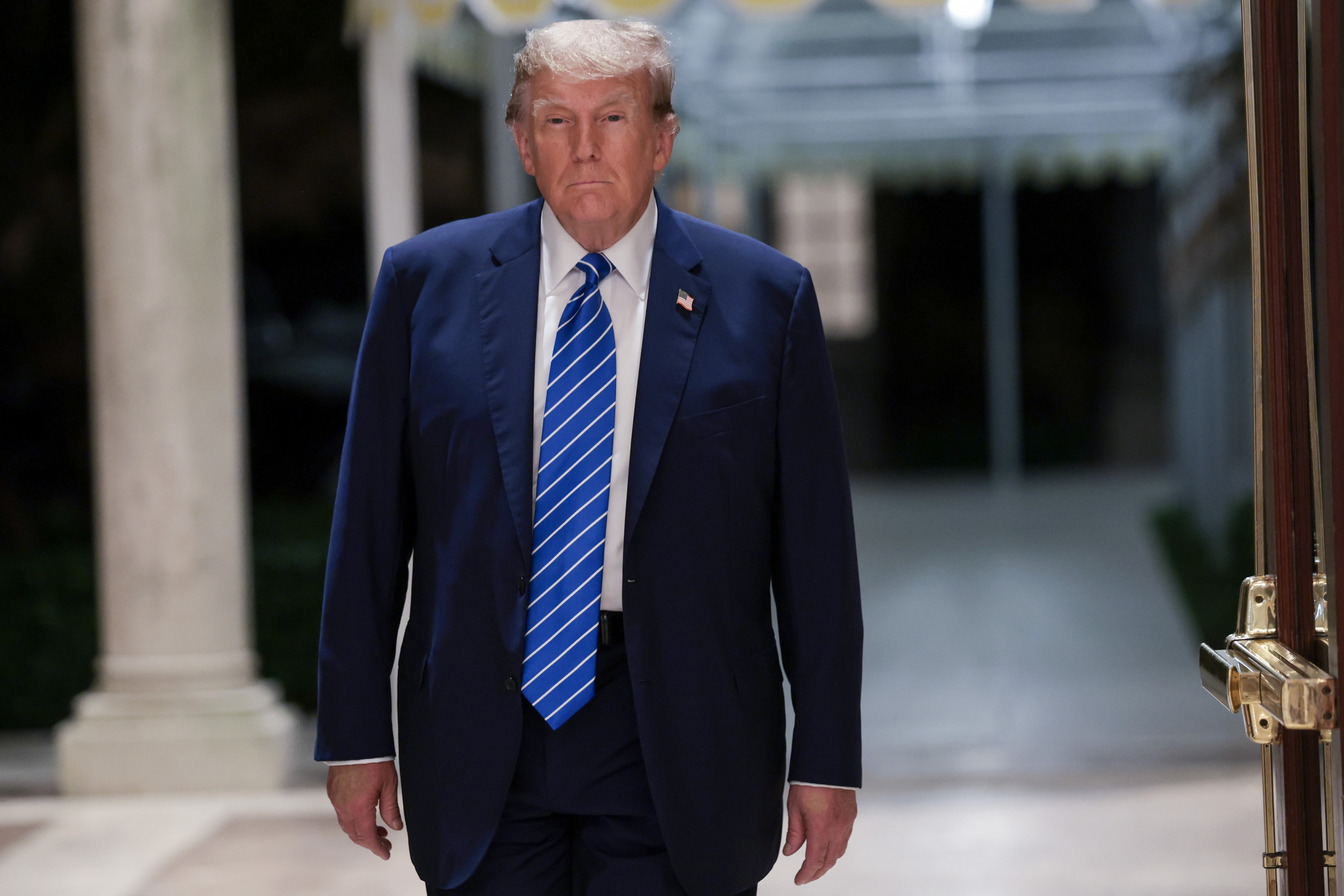
Attorneys warn that the special counsel may seek the removal of Judge Cannon in the Trump classified documents case due to escalating tensions, with Trump defending the judge and criticizing her request for jury instruction proposals. The judge rejected Trump's bid to dismiss the charges against him based on the Presidential Records Act, and there is pressure for her to make a ruling on jury instructions before the trial begins to allow for potential appeals. If the judge's decision on jury instructions is deemed erroneous, the special counsel may appeal and request the Eleventh Circuit to remove her due to the appearance of bias, potentially delaying the trial.
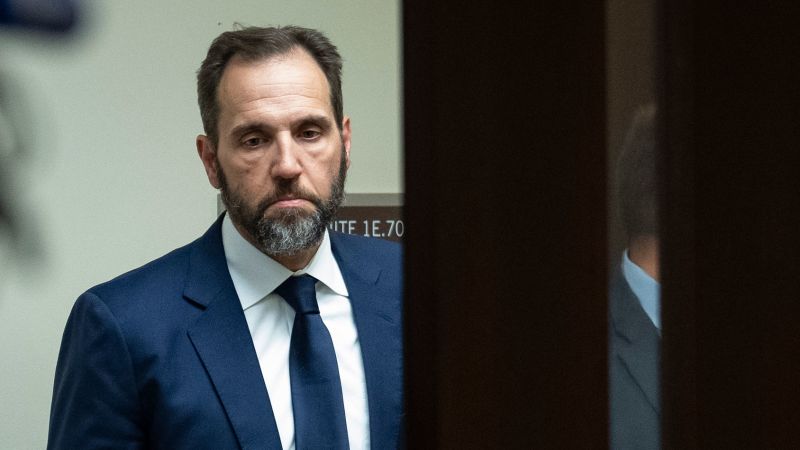
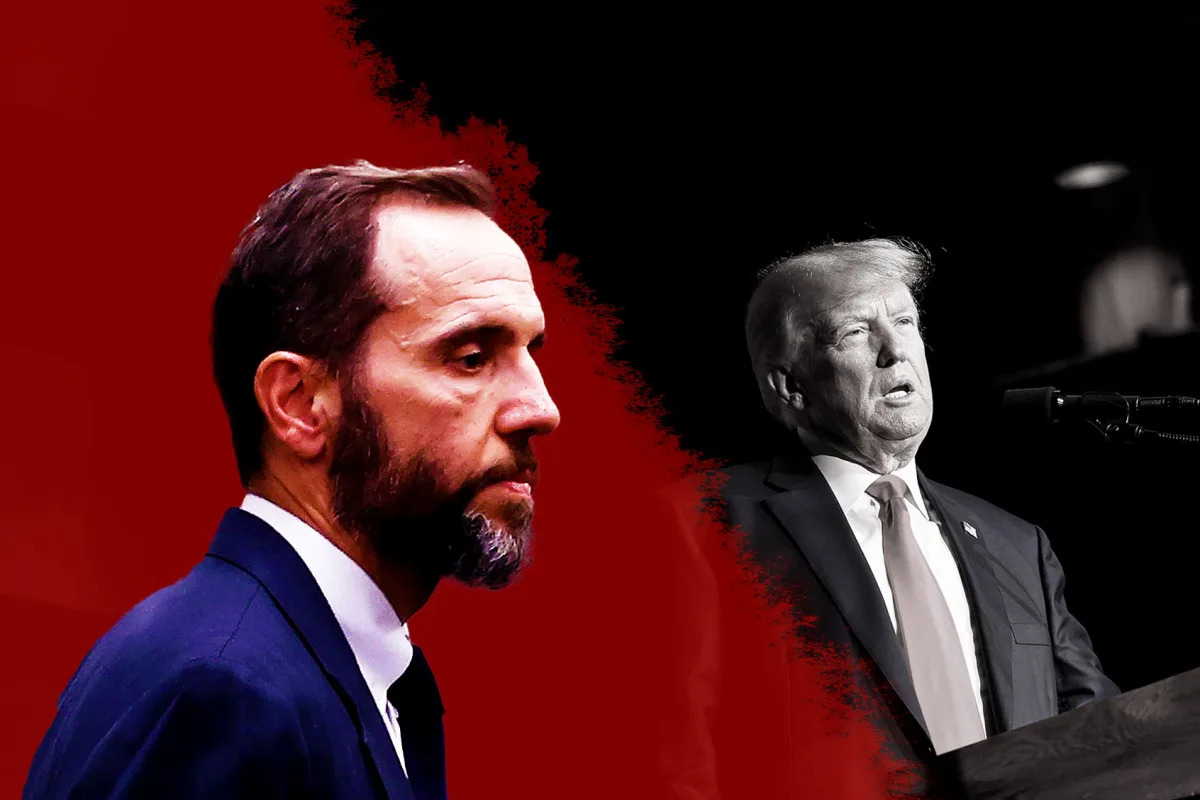
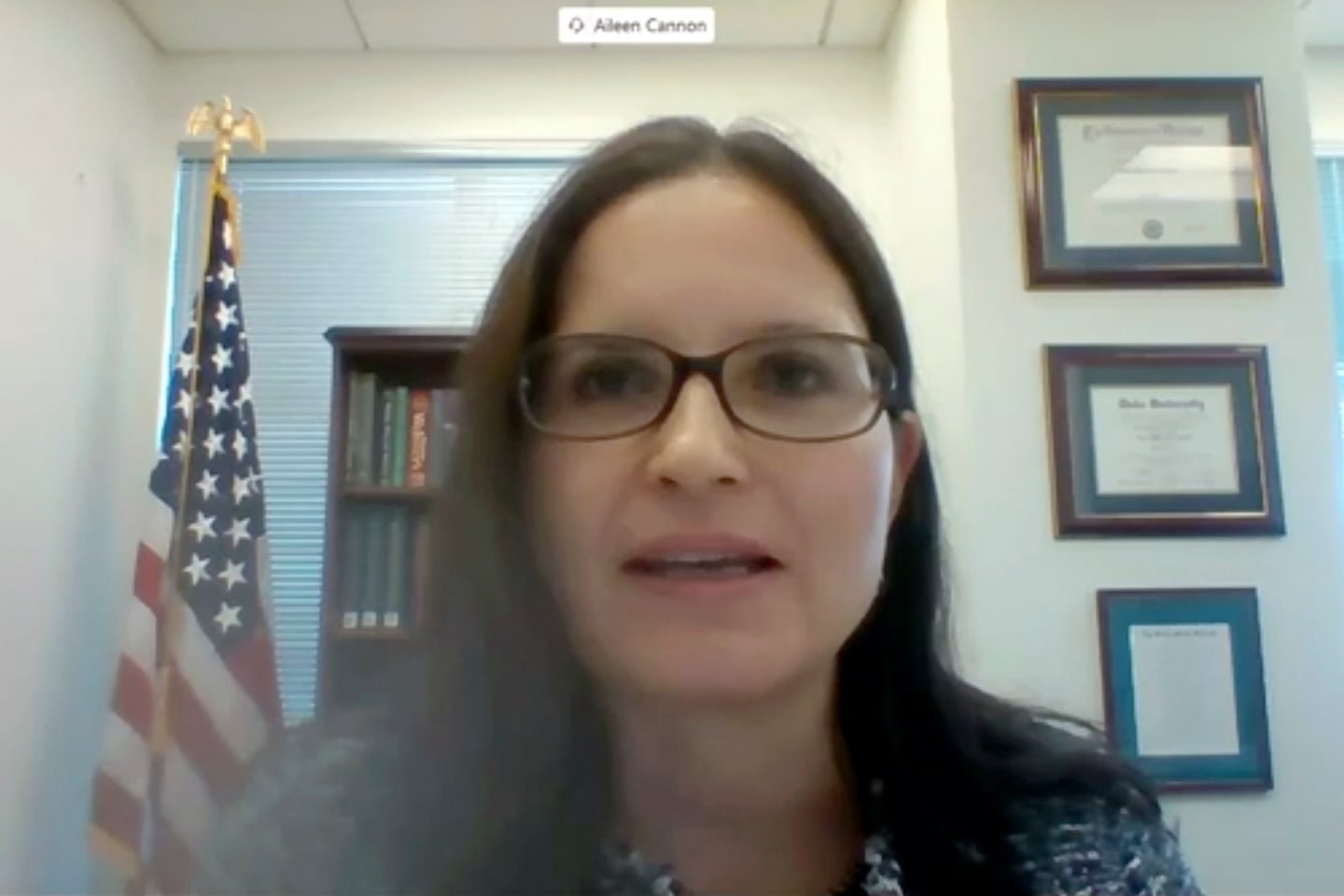
Special counsel Jack Smith strongly rebuked Judge Aileen Cannon's request for jury instructions in the classified documents case against former President Donald Trump, criticizing her embrace of Trump's claims of broad authority to take classified government documents. Cannon's request for hypothetical jury instructions appears to show that she is still considering how, or if, the Presidential Records Act fits into the case at large, while Trump's defense attorneys argue that the act authorized Trump to possess certain documents.
Special Counsel Jack Smith rejected a judge's request for jury instructions on the Presidential Records Act in the case involving Donald Trump's handling of classified documents, arguing that the premise was fundamentally flawed and that Trump's claim of authority under the Act was "first invented" long after he left office. Prosecutors urged the court to promptly address the matter to ensure a fair trial, while Trump's defense attorneys backed the judge's order, maintaining that Trump had broad authority under the Act to designate the documents as personal records.
Special counsel Jack Smith sharply rebukes Judge Cannon's order for hypothetical jury instructions in the classified-document case against Donald Trump, warning of potential appeal. The judge's focus on jury instructions is seen as premature by legal experts, with the government expressing frustration and urging a quick decision on key legal questions. The dispute centers on interpretations of the Presidential Records Act and its relevance to the Espionage Act charges against Trump, who has pleaded not guilty to all counts. The trial, originally scheduled for May, is likely to be delayed as the judge considers various pretrial motions.
Special counsel Jack Smith strongly rebuked Judge Aileen Cannon's request for jury instructions in the classified documents case against former President Donald Trump, criticizing her embrace of Trump's claims about his authority to handle classified government documents. Cannon's request for hypothetical jury instructions appears to show that she is still considering how, or if, the Presidential Records Act fits into the case at large, while Trump's defense attorneys argue that the Act authorized Trump to possess certain documents.
Special counsel Jack Smith is expected to appeal U.S. District Judge Aileen Cannon’s order regarding jury instructions in the classified documents case, which may favor former President Donald Trump’s defense. Former prosecutor Adam Pollock believes Smith will appeal before Cannon sets a trial date, accusing the judge of bias and stacking the deck in favor of the defendant. Pollock noted that an appellate court had previously reversed Cannon’s rulings in the case and expects Smith to appeal again if the judge orders the proposed jury instructions as she has signaled.
Judge Aileen Cannon overseeing Donald Trump's classified documents case has issued a court order with two legal scenarios, one of which could direct the jury to find Trump not guilty. The order instructs lawyers to propose jury instructions, with one scenario assuming Trump did not have authorization to keep classified documents and the other assuming he had authority as president under the Presidential Records Act. Critics, including former federal prosecutor Joyce Vance, have called the order "perplexing" and "crazy," while others have accused Cannon of bias towards Trump. The trial's start date is expected to be pushed back from May 20.
Judge Aileen M. Cannon has instructed lawyers to file proposed jury instructions related to defense motions in Donald Trump's classified-documents case, suggesting an openness to some of the defense’s claims regarding the Presidential Records Act. The judge's focus on jury instructions indicates she is already thinking ahead to a trial of the former president. Trump's lawyers have fought to delay the trial, claiming politically motivated prosecution, while the judge has not yet ruled on when the trial will be held.
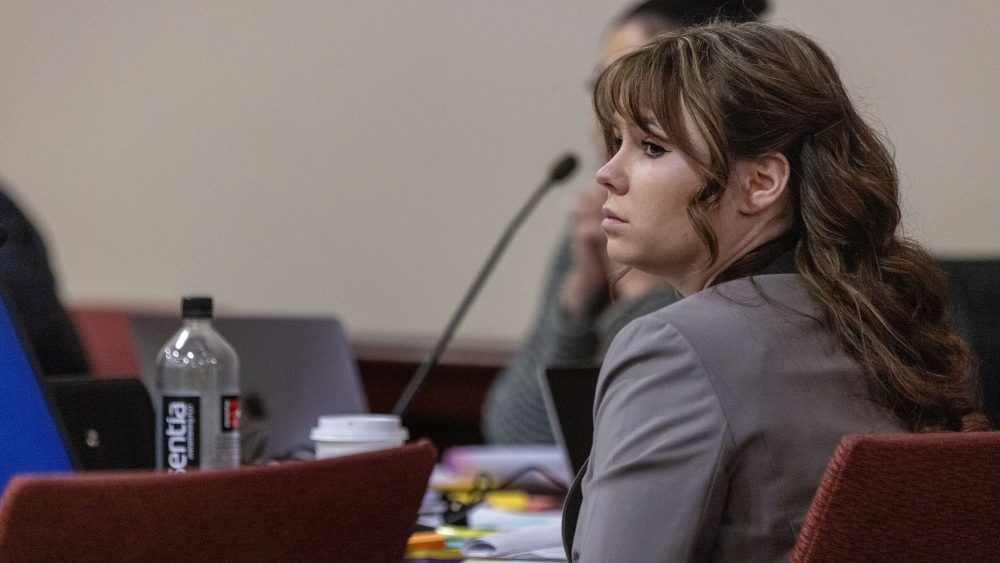
Attorneys for "Rust" armorer Hannah Gutierrez Reed are seeking her release from jail and a new trial, citing a recent New Mexico Supreme Court ruling that may lead to her conviction being overturned due to unclear jury instructions. They argue that the use of "and/or" in the instructions allowed for confusion and misdirection, similar to a recent case where the conviction was overturned. Gutierrez Reed's attorneys are urging for her release while the appeal is pending, and Alec Baldwin's lawyers have also filed a separate challenge to the jury instructions used in his case.
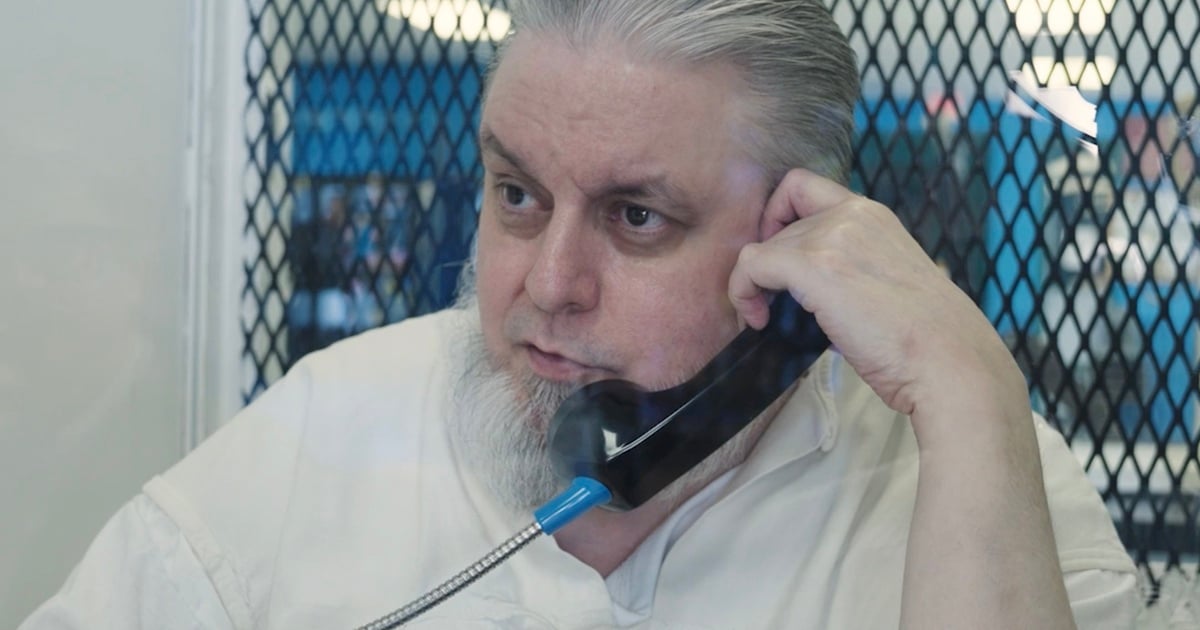
Brent Brewer, who has spent three decades on death row, is scheduled to be executed for the 1990 murder of Robert Laminack. Brewer's legal team requested a lesser penalty, citing unreliable testimony and a juror's misunderstanding of the jury instructions. The U.S. Supreme Court has yet to rule on the request to pause the execution. Brewer was previously sentenced to death in 1991, but the U.S. Supreme Court found his jury was not given sufficient opportunity to consider a less severe punishment. Jurors in Texas have expressed confusion over instructions, with some saying they would have chosen life sentences without parole if they had known it was an option.
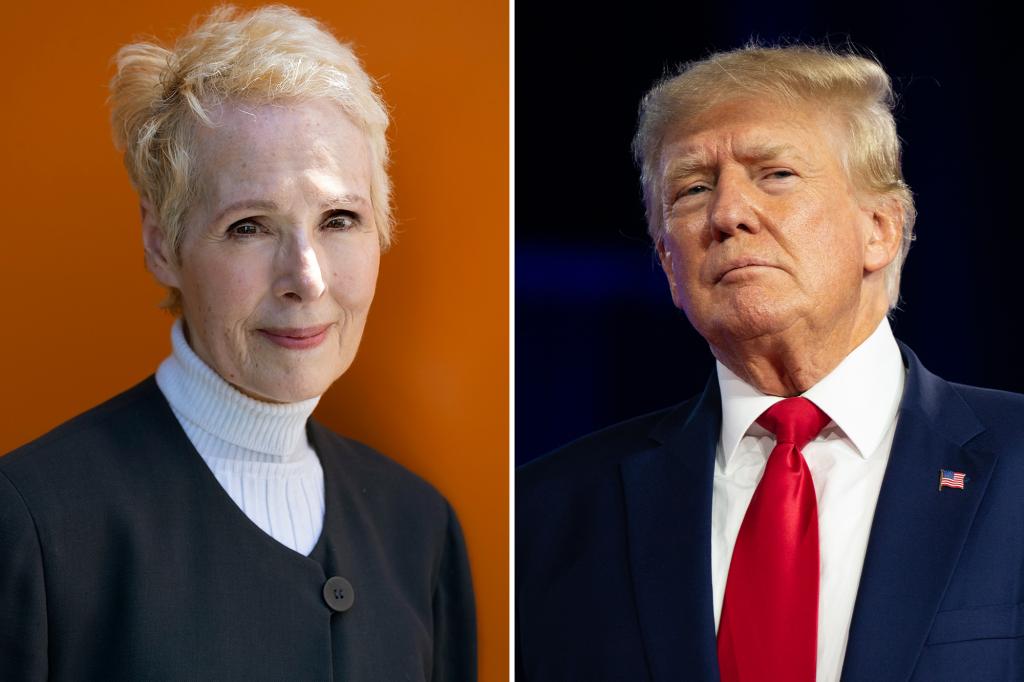
Former US President Donald Trump is free to skip attending his sexual assault civil trial in Manhattan, but he cannot claim he did so to avoid "burdens" on the city that his presence in court might cause, according to US District Judge Lewis Kaplan. Trump's lawyers cannot raise the alleged "burdens" to the jury if he chooses not to attend. Jury selection in the case is scheduled to begin on April 25.