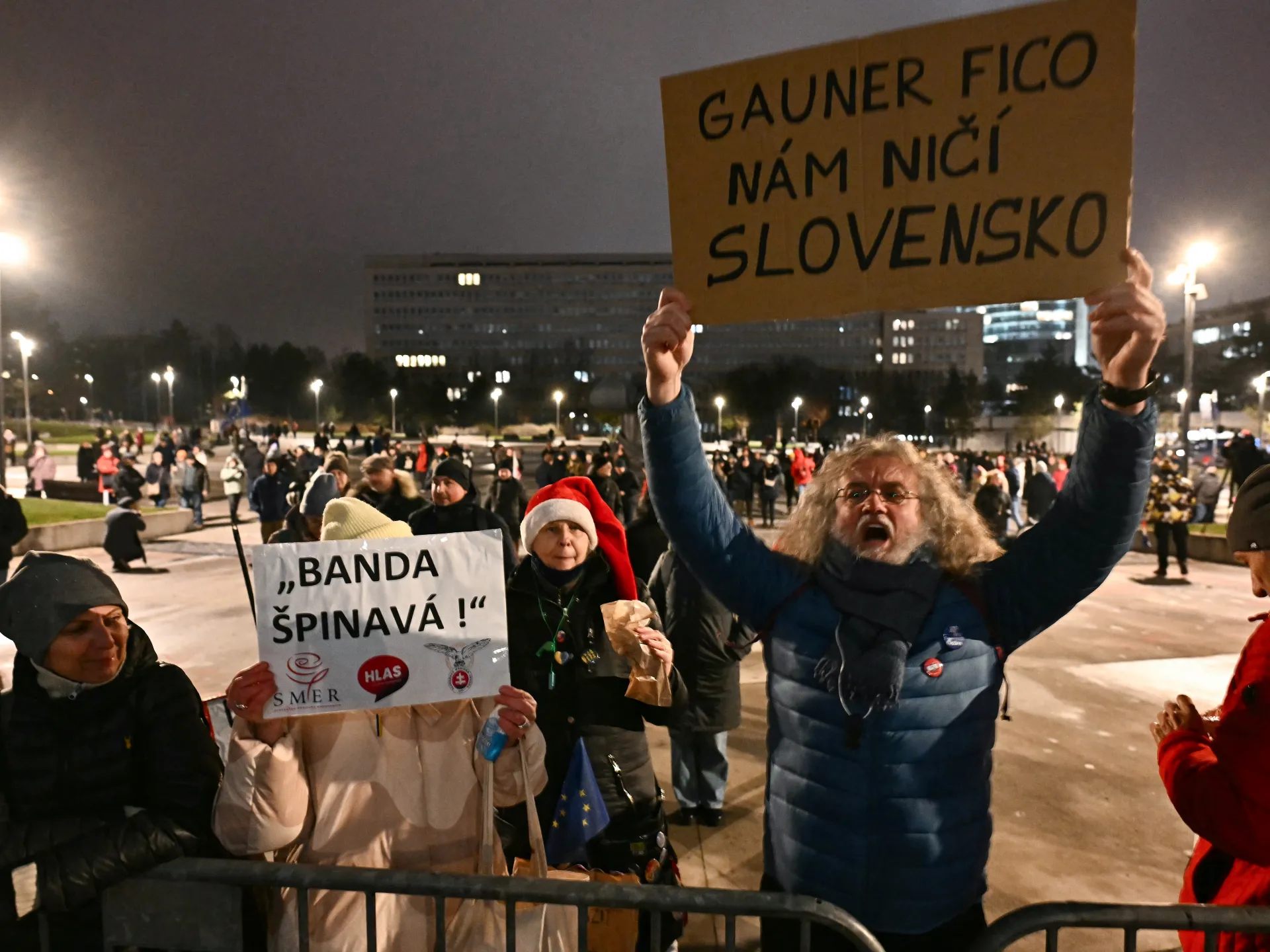
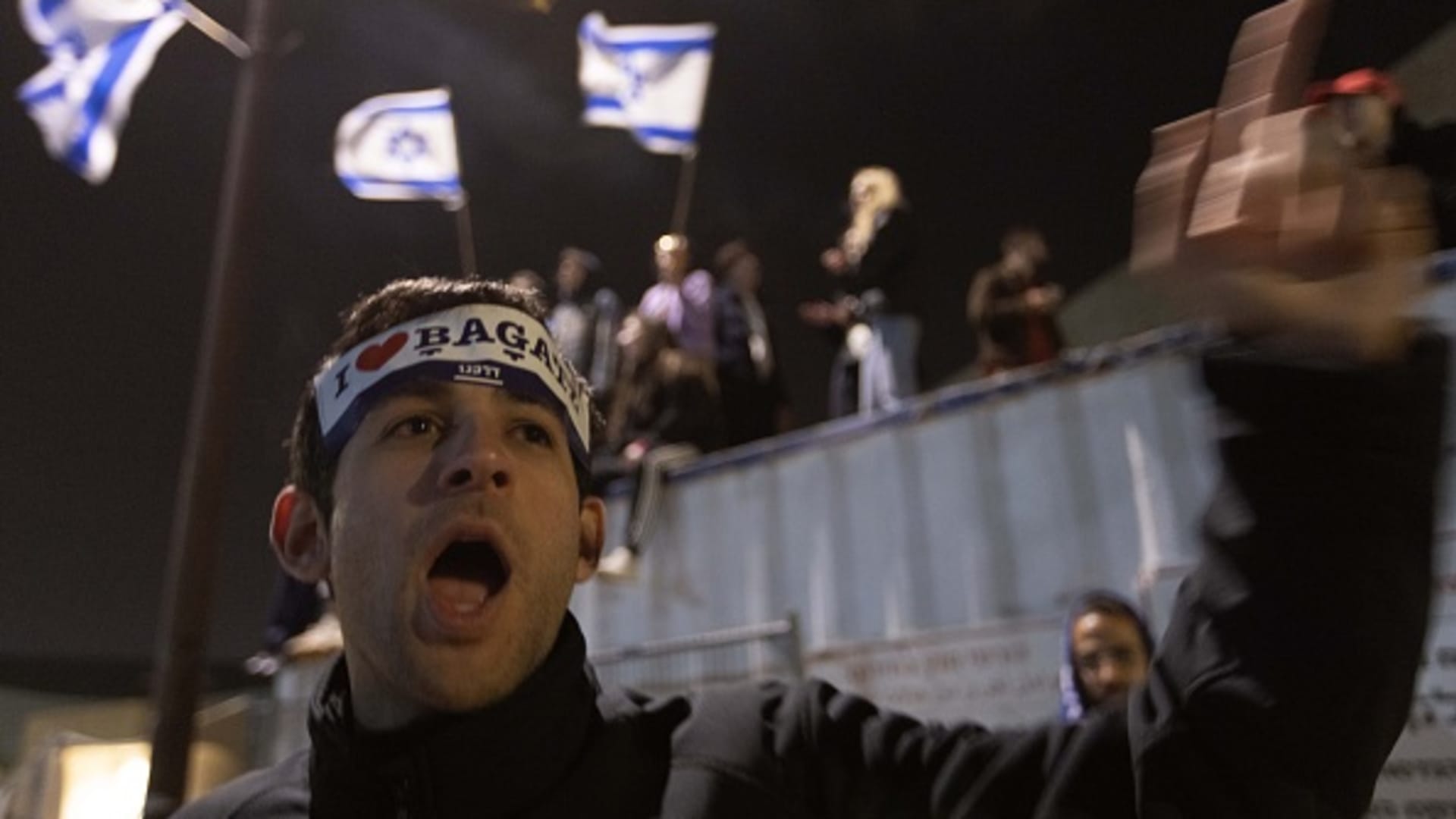
Thousands protested across Slovakia against Prime Minister Fico's government for judicial reforms critics say undermine the rule of law, with protests in Bratislava and other cities, as opposition parties accuse the government of aiding criminal elements and weakening democratic institutions.
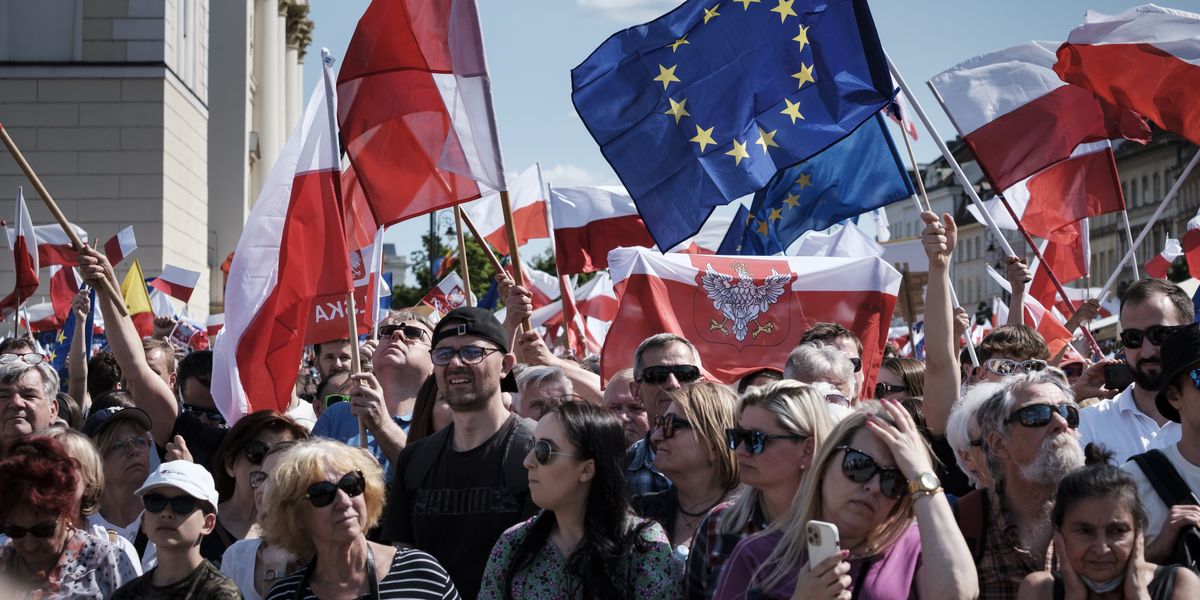
Poland's minister for funds and regional policy announced that the country is set to unlock €76 billion in EU funds after meeting the necessary conditions related to the rule of law. The funds, previously frozen due to concerns over judicial independence, are expected to start arriving in Poland by the end of March or early April. The new government led by pro-EU Prime Minister Donald Tusk aims to reinstate the rule of law to access the funds, but faces challenges in passing legislation and overcoming potential vetoes from President Andrzej Duda.
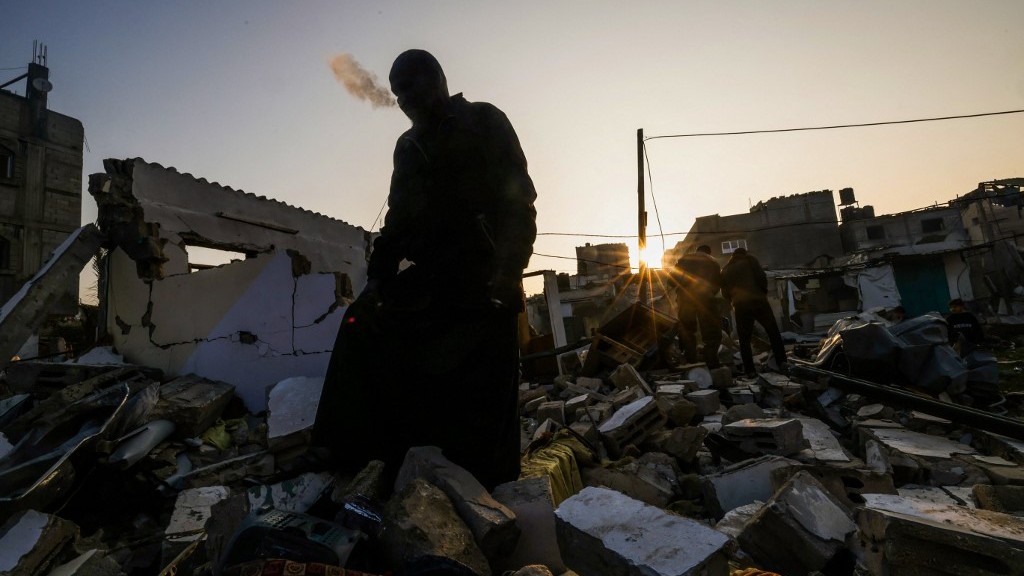
Israel has partially withdrawn troops from Gaza amidst ongoing military operations, while Finance Minister Bezalel Smotrich vows to establish Jewish settlements in the region. The Israeli Supreme Court overturned a law that limited its power, sparking criticism from Justice Minister Yariv Levin. Meanwhile, the Palestinian death toll rises, and Israel's mental health system faces a crisis due to the war's impact. Additionally, Iran's warship enters the Red Sea, and the Palestinian Authority warns Tony Blair against participating in an Israeli initiative to relocate Palestinians from Gaza.
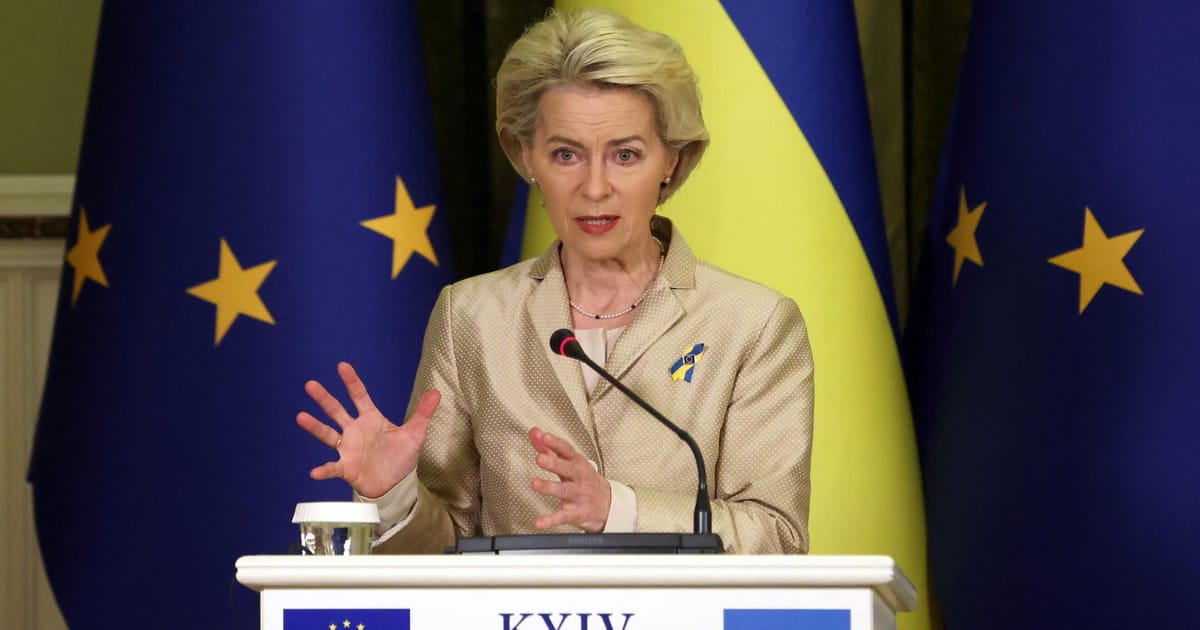
European Commission President Ursula von der Leyen hinted at recommending EU countries to open accession negotiations with Ukraine during her surprise visit to Kyiv. However, Ukraine must meet seven conditions, including judicial reforms and curbing corruption, before formal membership talks can begin. The December EU leaders summit will be crucial for the decision, as all 27 EU countries must back the enlargement. The visit also reaffirmed the EU's commitment to supporting Ukraine in its war with Russia, despite the Israel-Hamas conflict diverting attention. The war in Ukraine has reached a stalemate, and there are concerns it may become a frozen conflict. Security is a crucial aspect of the accession process, and geopolitical considerations will play a significant role in the decision-making process.
Israeli Prime Minister Benjamin Netanyahu is facing backlash over his judicial reforms, which have led to protests, legal challenges, and military personnel strikes. Netanyahu is accused of trying to shift blame onto top military officials for the strikes, with his son even criticizing the Chief of Staff. Defense Minister Yoav Gallant defended the general, while Netanyahu's political rival, Yair Lapid, accused him of avoiding responsibility. The reforms, aimed at boosting executive powers, have been criticized for weakening the balance of power between the judiciary and the government. Thousands of reservists have refused to report for duty, risking military readiness. The infighting reflects the divisions in Israeli society, while raids on Palestinians in the West Bank continue.
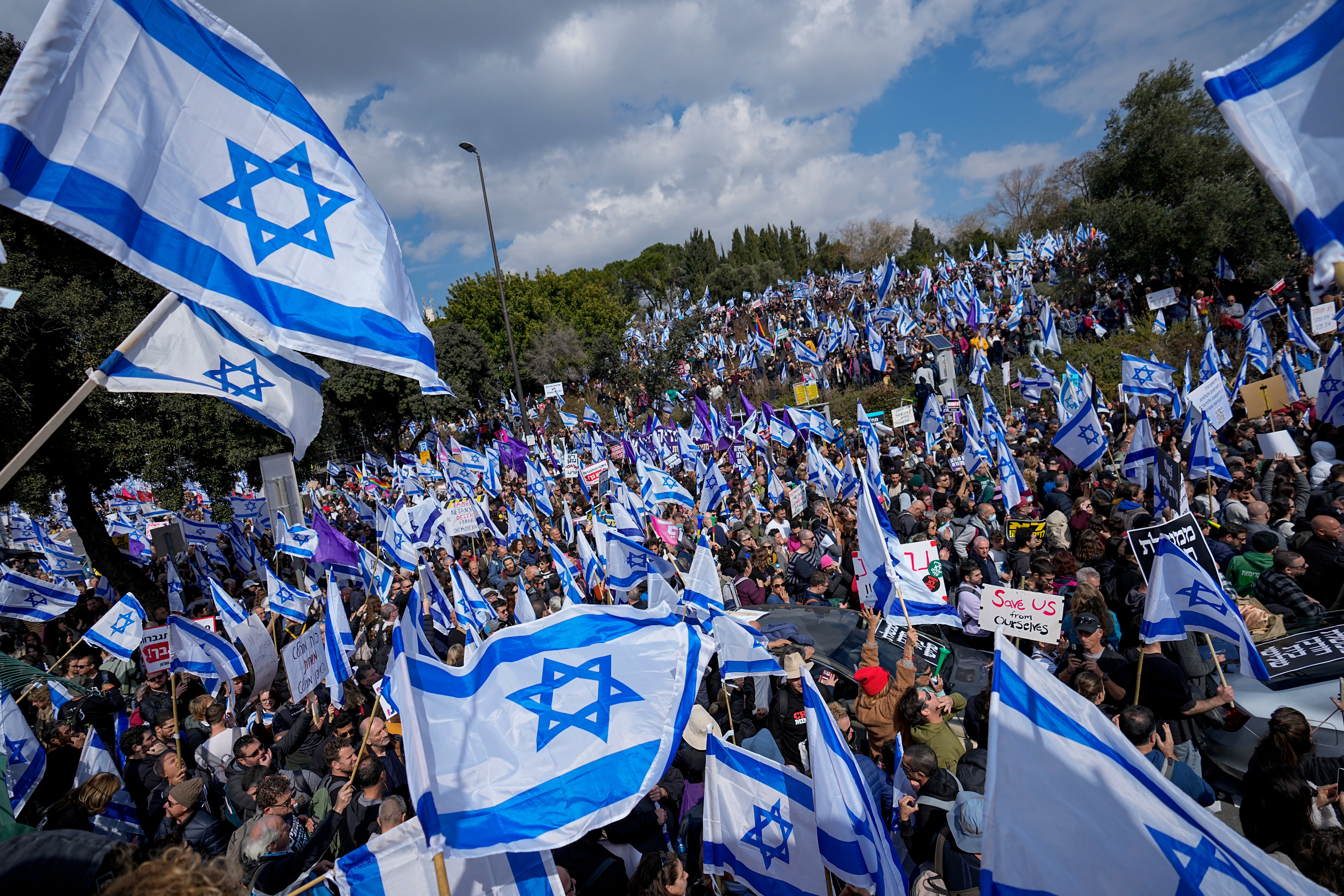
Hundreds of thousands of Israelis are protesting proposed judicial reforms that they fear will consolidate power under Prime Minister Benjamin Netanyahu and weaken checks on the executive branch. The changes would give the Knesset final say over judicial appointments and the power to overturn Supreme Court decisions with a simple majority. The protests have included general strikes, marches, and the establishment of a tent city outside the parliament. Critics argue that the reforms would push Israeli politics to the right and threaten the country's democratic principles.
The European Commission has criticized Poland for its lack of progress on judicial reforms, raising concerns about the independence of the Polish judiciary and noting that the country ignored most of the EU's recommendations from the previous year. The report comes at a crucial time as Poland's nationalist government faces a tightly contested election and ongoing disputes with Brussels over rule-of-law issues and a migrant relocation deal. The Commission called for the separation of the justice minister and the prosecutor-general, stricter lobbying and anti-corruption rules, and highlighted Hungary's similar challenges. Spain was also reprimanded for its lack of progress on recommendations. However, overall, the EU Vice-President for Values and Transparency stated that there has been no major backsliding in any EU country.
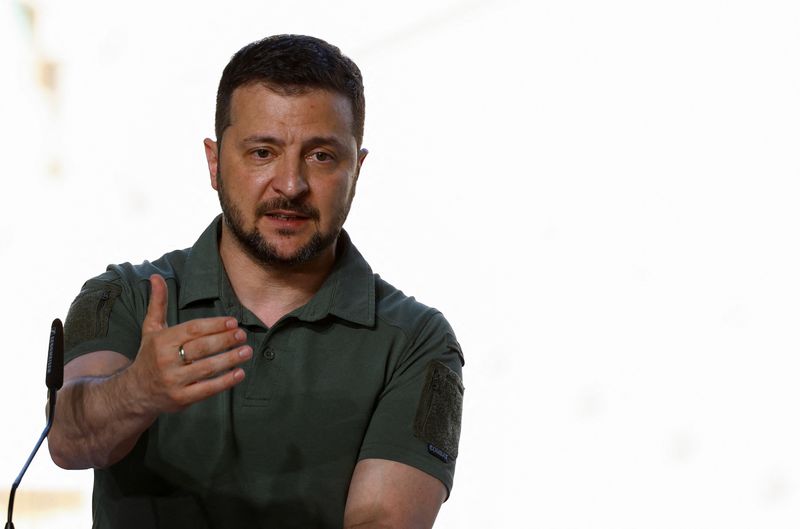
Ukrainian President Volodymyr Zelenskiy has announced that officials responsible for the maintenance of civil defence structures will be held accountable following an inquest into the state of Ukraine's bomb shelters. The announcement comes after three people were locked out on the street and killed during an air raid earlier this month. Zelenskiy also discussed judicial and anti-corruption reforms, seen as crucial by Ukraine's Western partners, international financial institutions and investors.
Ukrainian President Volodymyr Zelenskiy has announced that officials responsible for the maintenance of civil defence structures will be held accountable following an inquest into the state of Ukraine's bomb shelters. The announcement comes after three people were locked out on the street and killed during an air raid earlier this month. Zelenskiy also discussed judicial and anti-corruption reforms, seen as crucial by Ukraine's Western partners, international financial institutions and investors.
The EU's top court has ruled that Poland's judicial reforms violate EU democracy norms, and the country could now face even larger penalties. Additionally, the EU is suing Poland over a new law aimed at stamping out "Russian influence," which critics fear will be used to pressure the opposition ahead of elections this fall. The situation highlights the Jekyll and Hyde nature of Poland's relationship with the EU and US, with concerns growing over democratic backsliding in the country.
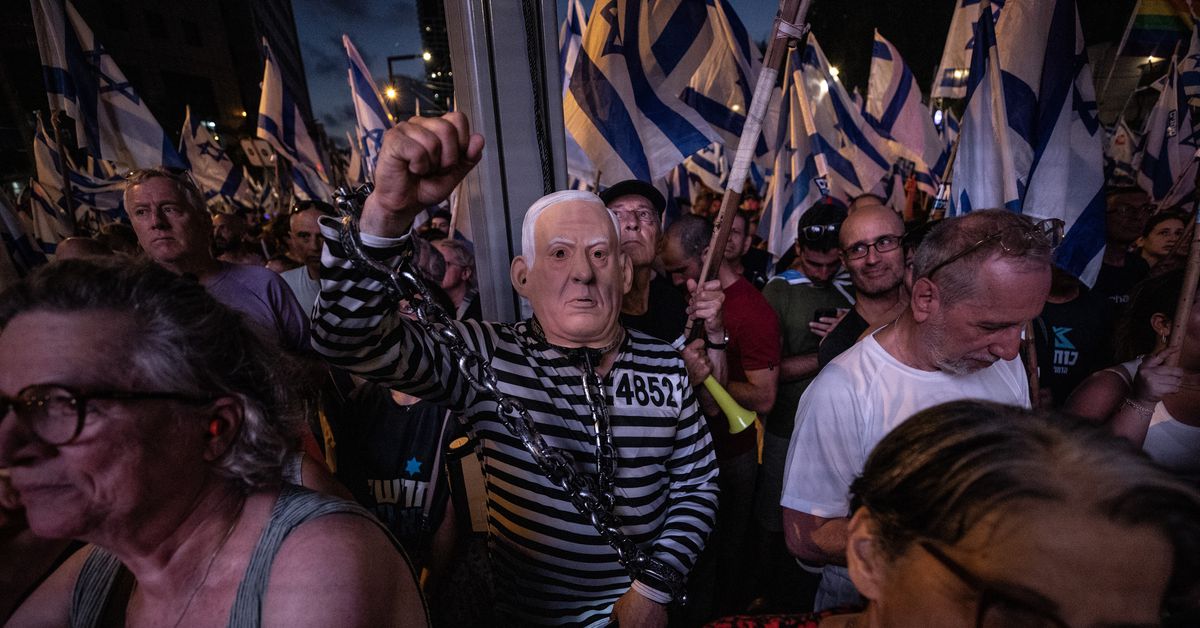
Thousands of Israelis protested for an 18th straight week against the hard-right government's controversial judicial reforms, despite Prime Minister Benjamin Netanyahu shelving the overhaul more than a month ago. Protesters gathered in Tel Aviv's Habima Square as they prepared to march across the city to Kaplan Street waving Israeli flags and chanting anti-Netanyahu slogans. Critics say the reforms represent a threat to democracy, while proponents claim they are necessary to rebalance power between the branches of government.
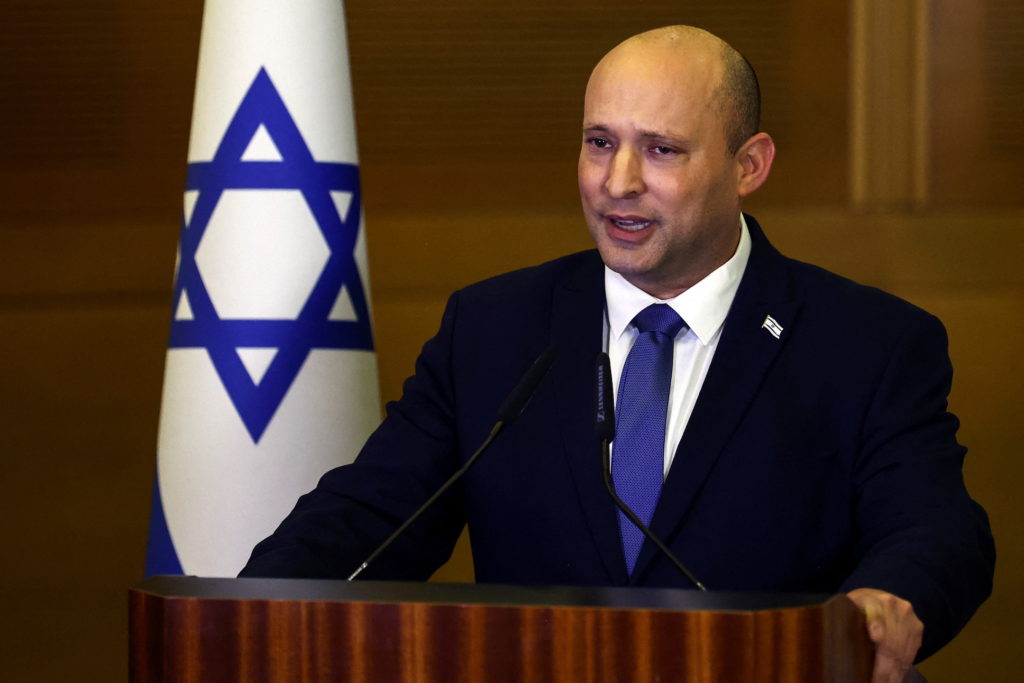
Former Israeli Prime Minister Naftali Bennett discusses the recent violence in Israel, the proposed judicial reforms, and the shifting views of Americans towards Israel and Palestine. He asserts that democracy has prevailed in Israel and that the reforms will only progress with agreement from both sides. Bennett also defends Israel's democracy and treatment of its citizens, including Arab citizens, but acknowledges the issues with governing the Palestinian territories. He opposes conditioning military and economic aid on specific measures to end military rule over Palestinians and argues that settlement expansions are legal and necessary for Israel's security.
Leaked U.S. intelligence claims that Israel's Mossad intelligence agency encouraged protests against Prime Minister Benjamin Netanyahu's regime in recent weeks, specifically against proposed judicial reforms. Both Mossad and Netanyahu's office deny the claims. The Pentagon has referred the matter to the Department of Justice for investigation. Netanyahu agreed to halt the reform process in late March as protests reached their peak. The prime minister's reforms would put the country's Supreme Court in charge of appointing new judges throughout the court system and allow Parliament to supersede court rulings through a majority vote.
Protests against proposed judicial reforms in Israel have intensified, putting pressure on Prime Minister Binyamin Netanyahu. Pregnant Russians are flocking to countries with birthright citizenship, with many choosing Argentina. The daily podcast also introduces new co-host Ore Ogunbiyi.
Israeli Prime Minister Benjamin Netanyahu survived a no-confidence vote in the Knesset amid the largest wave of protests in Israel's history. The country's largest labor union announced a major strike in opposition to Netanyahu's months-long attempt to push through widely-derided judicial reforms that opponents say will pull the country toward an autocracy. The proposed reforms would significantly weaken the country's judiciary and make it harder to remove Netanyahu from power. The strike has caused flight cancellations and port closures. Protests have taken place across Israel for the last four months, sparked by anger at controversial judicial reforms pushed by Netanyahu's government.