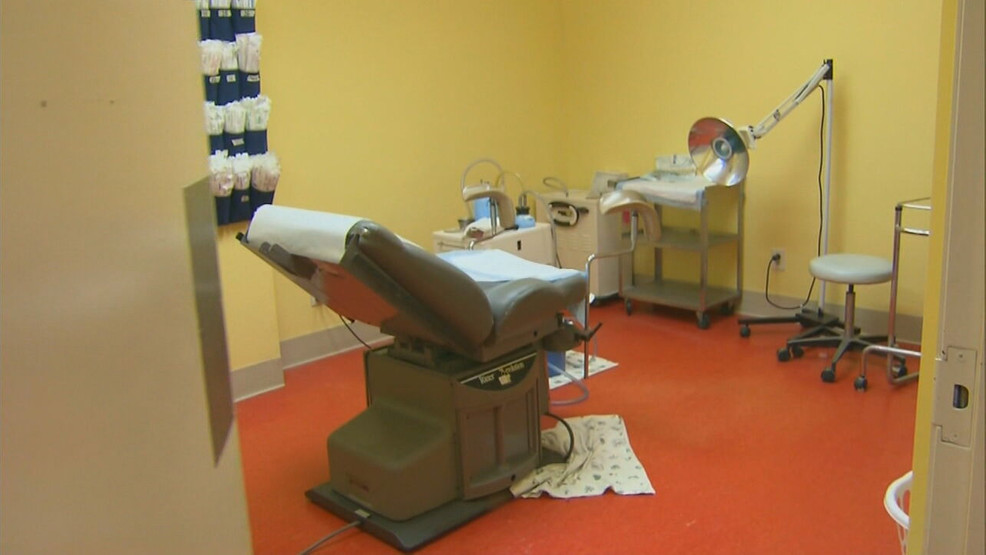
The Ohio Supreme Court has dismissed an appeal seeking to reinstate a six-week abortion ban in the state. The ban was temporarily halted by a Hamilton County Judge after the overturning of Roe v. Wade in 2022. The court's decision to dismiss the appeal is seen as a response to the passing of Issue 1, which enshrined reproductive rights in the Ohio constitution. Abortion remains legal in Ohio for now, and the attorney general's office has not indicated its next steps. The case will now return to Hamilton County Common Pleas for further action.
The Ohio Supreme Court has dismissed an appeal from Ohio Attorney General Dave Yost challenging a preliminary injunction on Ohio's Heartbeat Law, which banned abortions after six weeks. The court's decision was likely influenced by the passage of Issue 1, which enshrined access to abortion in the Ohio Constitution. Chief Justice Sharon L. Kennedy and four other justices concurred with the dismissal, citing a change in law, while one justice dissented on procedural grounds.
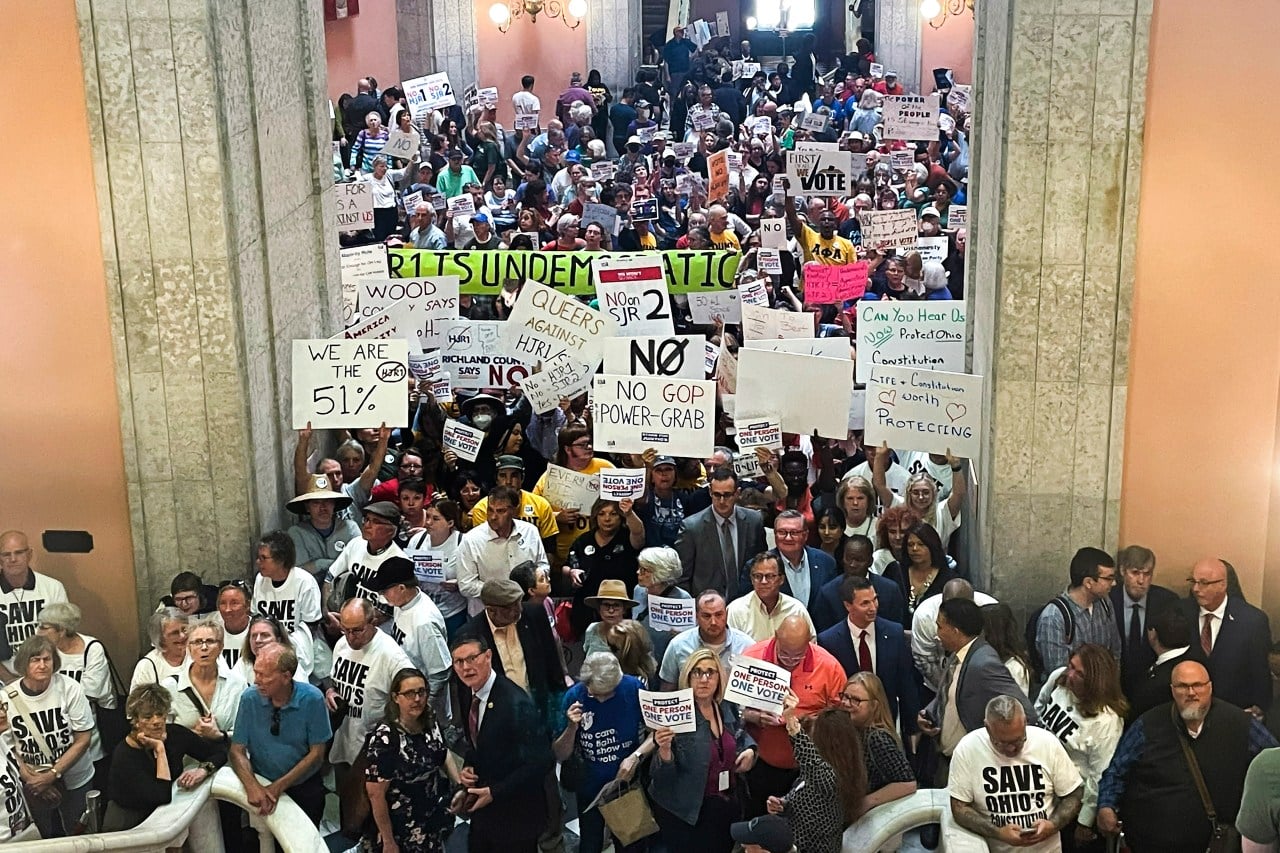
Ohio GOP lawmakers are planning to limit the authority of state courts to review cases related to Issue 1, a recently passed ballot measure that established a right to abortion in the state constitution. They argue that the amendment's language is vague and could be misused. Republicans hold majorities in both chambers of the Ohio General Assembly, and the state's governor is a Republican. Abortion-rights advocates are using citizen-initiated ballot measures to protect abortion access in response to the Supreme Court's reversal of Roe v. Wade.
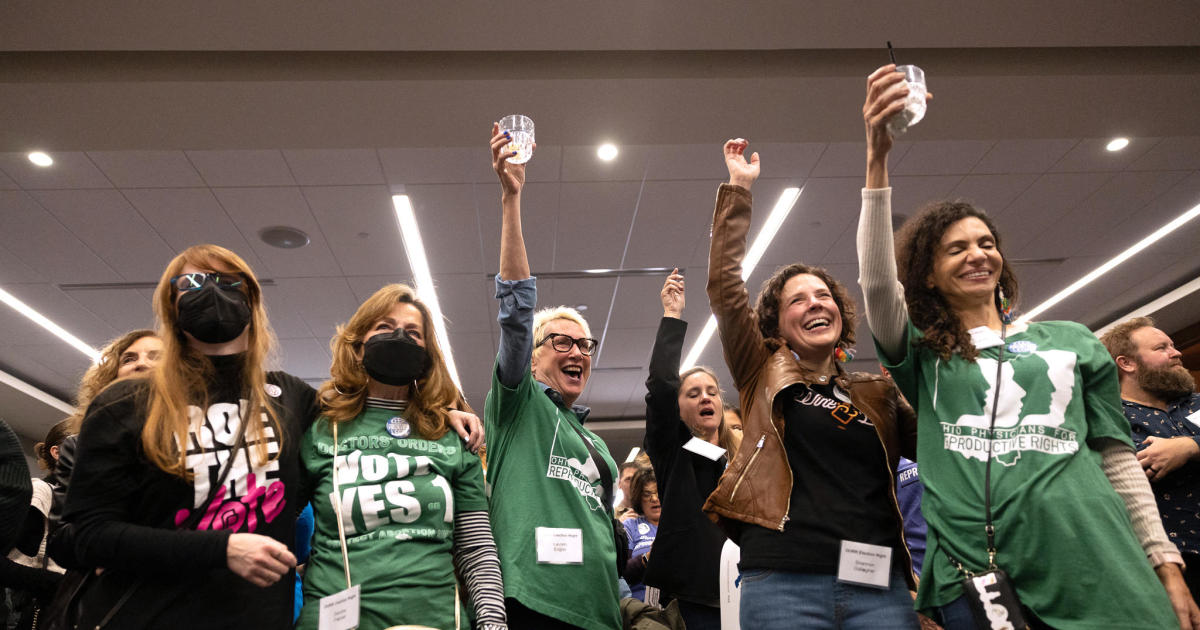
Polls have closed in various states, with wins for Democrats and abortion rights advocates. In Virginia, the outcome of the Legislature race will indicate Democrats' strength for the 2024 elections. Kentucky's Governor Andy Beshear, a Democrat in a predominantly red state, has been reelected. Mississippi Governor Tate Reeves (R) is seeking a second term. Ohio voters have approved Issue 1, enshrining abortion protections in the state constitution.
Ohio Governor Mike DeWine is promising to relax the state's controversial six-week abortion ban if Issue 1, the abortion access and reproductive rights amendment, is defeated in the upcoming election. DeWine's stance on abortion has faced criticism, as the ban he signed in 2019 does not include exceptions for rape or incest. Supporters of Issue 1 argue that it would protect Ohioans' rights to miscarriage care, fertility treatments, and birth control. Opponents fear that if Issue 1 fails, the six-week ban with no exceptions would likely be reinstated by the Republican-dominated Ohio Supreme Court.
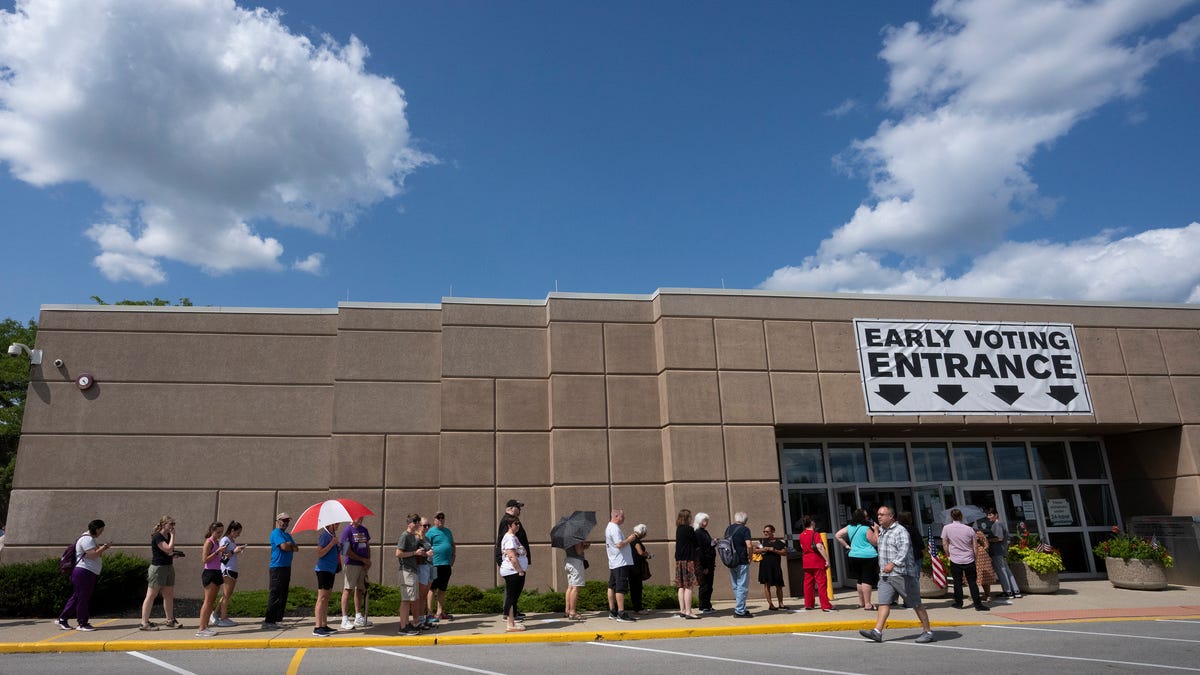
Several polling locations in Stark County, Ohio, ran out of smart cards and blank paper ballots during the special election on Issue 1, which aimed to raise the threshold for amending the Ohio Constitution. This led to longer wait times for voters. The Ohio League of Women Voters received reports of ballot and card shortages, causing delays in voting. The Stark County Board of Elections acknowledged the high voter turnout and made adjustments, including the use of additional paper ballots. Critics argue that the boards of election were unprepared for the level of turnout. The results of in-person early voting are expected to be released soon.
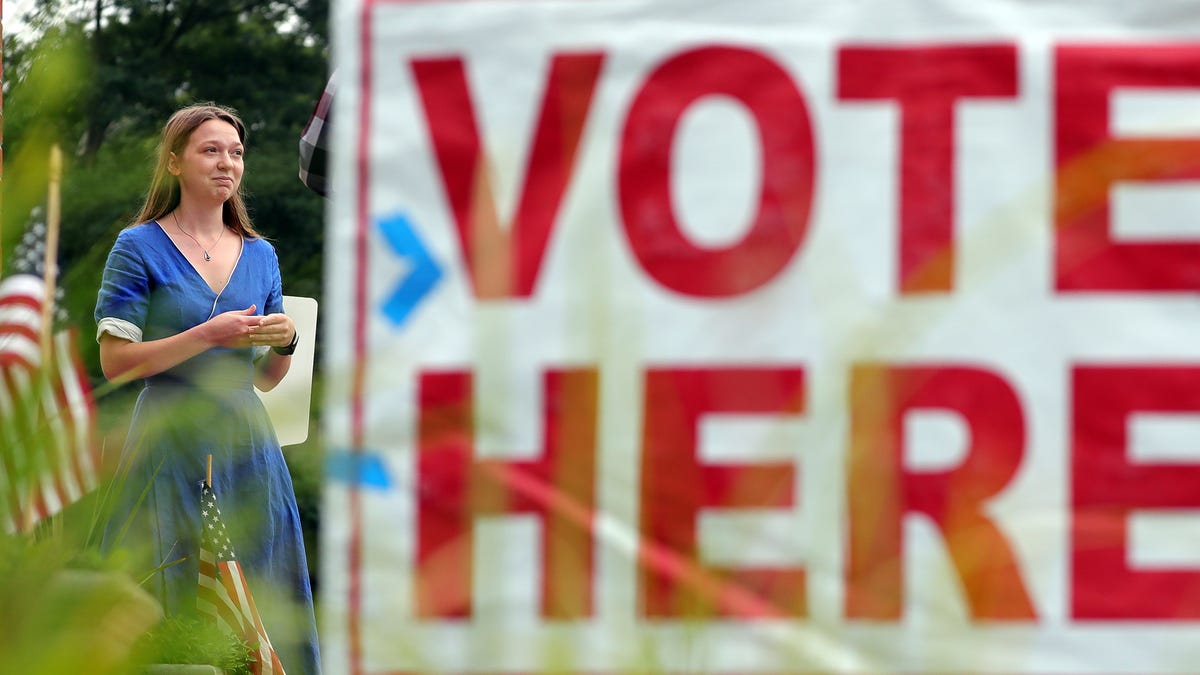
Voters in the Akron area and across Ohio are participating in a special election to determine whether Issue 1 will establish stricter rules for amending the state constitution. Some polling stations in Summit County experienced difficulties with new equipment, causing issues with ballot scanning, but voting was not halted. If approved, Issue 1 would require a 60% majority to pass a constitutional amendment and increase the signature requirement for placing an amendment on the ballot. The election has sparked debate between supporters who argue it protects the constitution and opponents who claim it interferes with the democratic process.
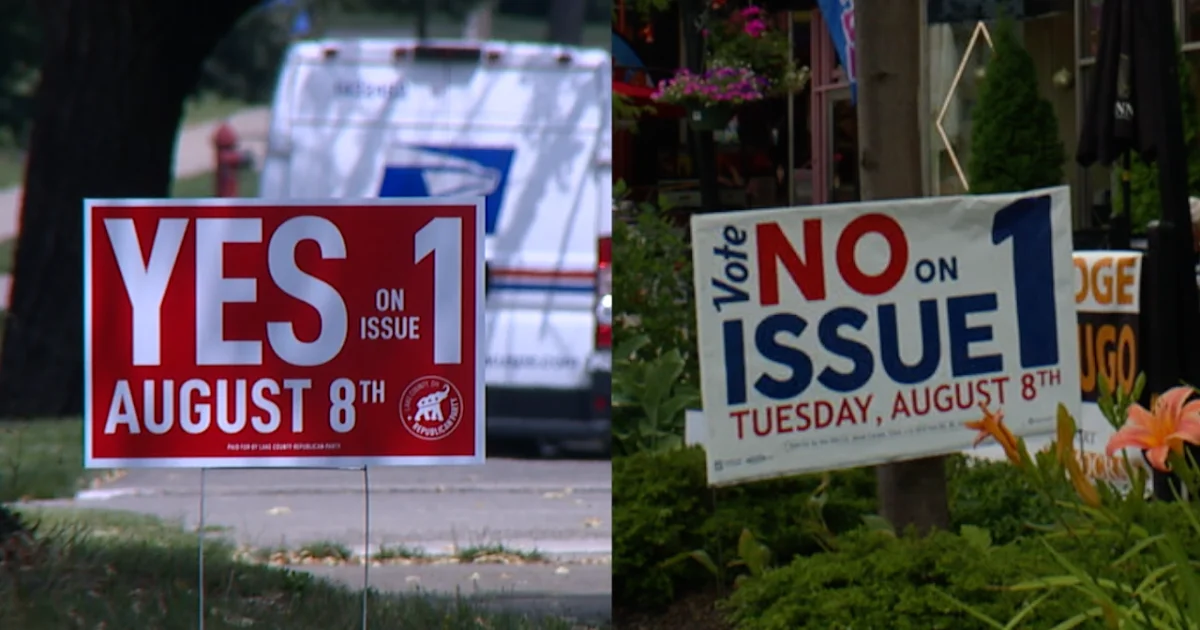
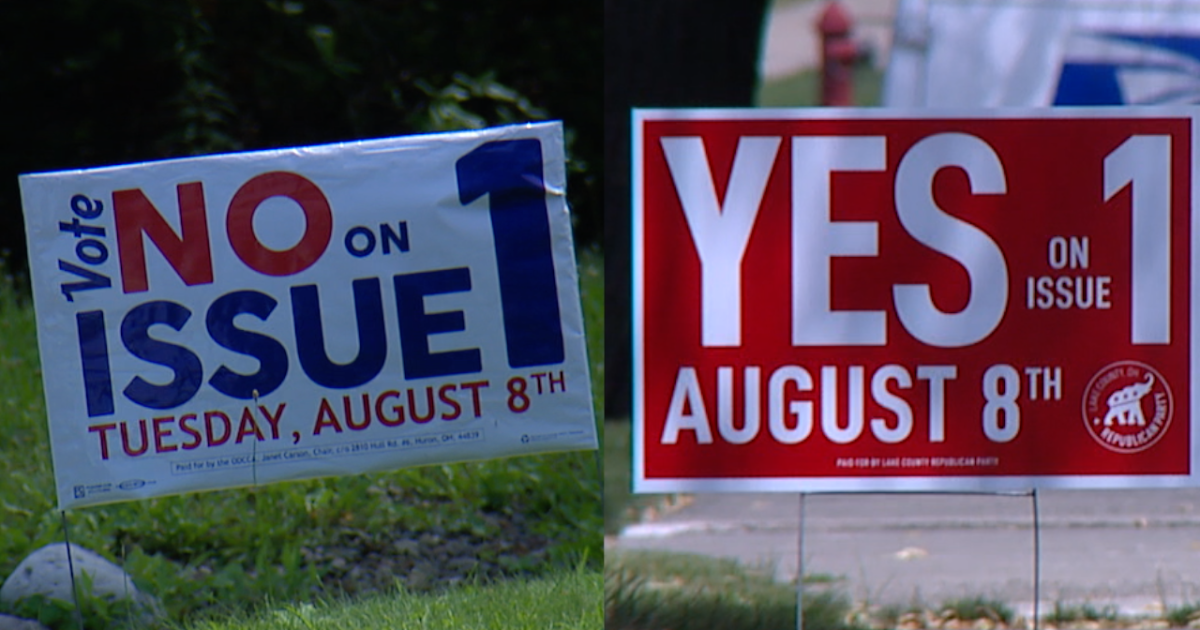
Campaigns for and against Issue 1 in the Ohio special election are making their final appeals to voters. Issue 1 proposes changes to the voting requirements for constitutional amendments, including a 60% vote threshold instead of the current 50%+1 requirement. Advocates argue it would protect the constitution, while opponents claim it would undermine rights. Various groups have taken positions on the issue, with endorsements from organizations such as the Ohio Chamber of Commerce and the League of Women Voters of Ohio. The ballot measure is not directly related to abortion, but its passage would impact a future abortion-related ballot measure requiring a 60% vote to pass.
Supporters and opponents of Ohio's Issue 1 are preparing for the outcome of the special election. Opponents are feeling confident, while some supporters are bracing for a loss. Issue 1 aims to raise the threshold for constitutional amendments to pass from a simple majority to 60%. The "vote no" coalition, consisting of Democrats, Republicans, and third-party voters, is optimistic about the election. However, some in the "vote yes" camp are uncertain about the outcome, citing confusion in messaging. The issue is not solely about abortion, but also encompasses gun safety regulations, redistricting, municipal bonds, and union rights. Both sides are urging supporters to show up and vote.
Ohio voters will decide on Issue 1, a GOP proposal to raise the threshold for amending the Ohio Constitution from a simple majority to 60%. This comes ahead of a November vote on whether Ohioans have a constitutional right to abortion. Supporters argue that a higher threshold is necessary to protect the constitution from outside influences, while opponents view it as a power grab that weakens citizens' rights. The measure would also impact other issues like redistricting reform and minimum wage increase. Voting on Issue 1 takes place in August, and the provision on signature gathering would take effect in 2024 if passed.
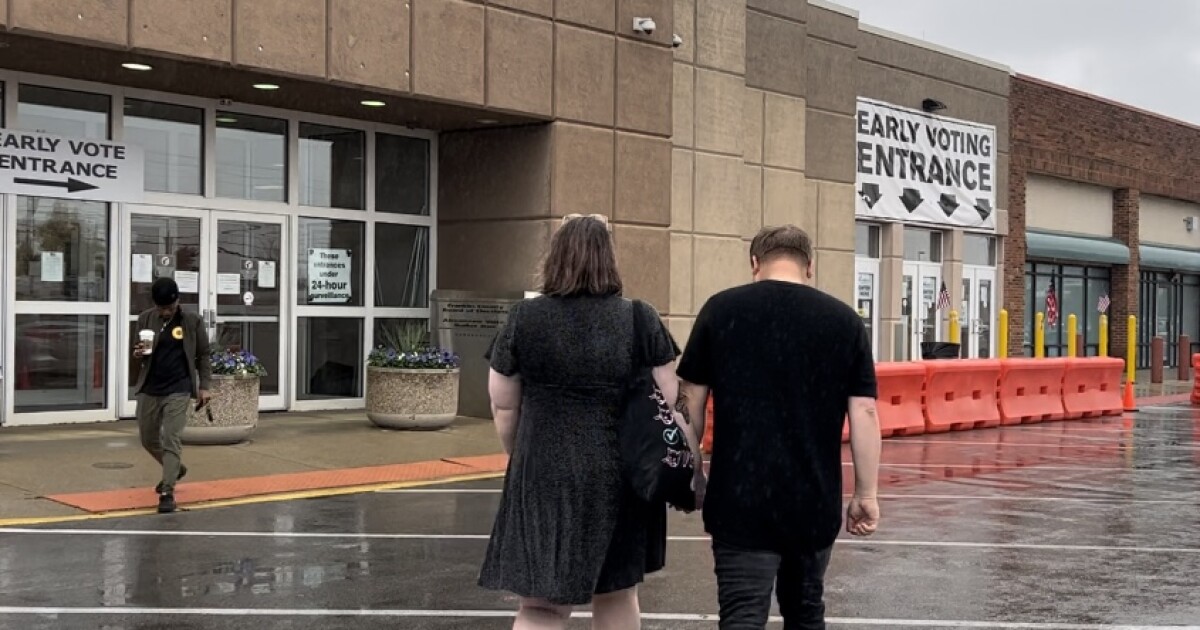
Early voting in Ohio for the Aug. 8 election is surpassing expectations, with over 578,000 Ohioans having already voted on Issue 1, a proposed ballot measure that would make it harder to amend the state constitution. Turnout continues to increase, with over 223,000 votes cast this week alone. Saturday and Sunday are the last days for early in-person voting, with extended hours available. Some counties are still short on poll workers, but officials believe they will be able to properly staff the polls for a fair and secure election.
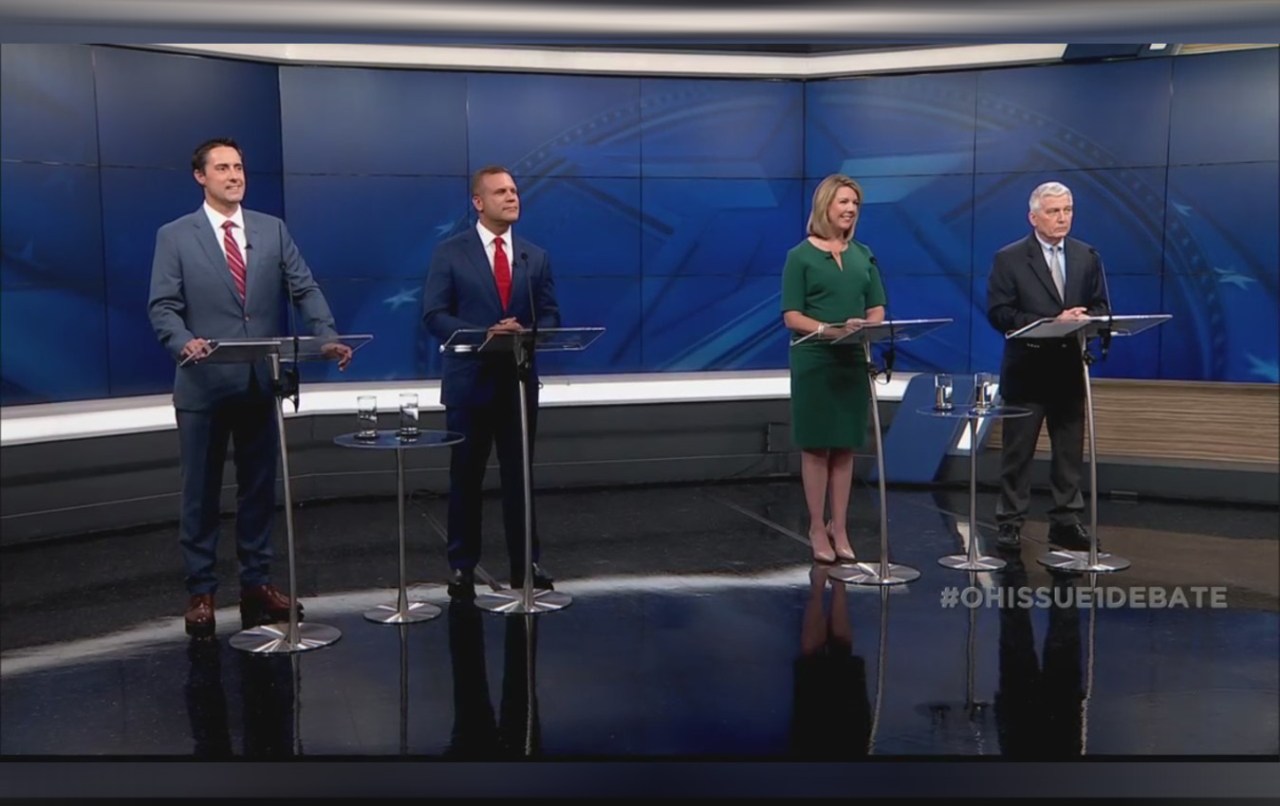
State lawmakers and policy experts in Ohio debated Issue 1, a proposal that would enact stricter requirements for citizen-proposed constitutional amendments. If passed, future citizen-initiated amendments would need to win at least 60% of the vote to pass, and signature collection requirements would increase. Supporters argue that Issue 1 protects the state constitution, while opponents believe it dilutes citizens' power and protects corrupt politicians. The debate also touched on the upcoming November election, where Ohio voters will decide whether to enshrine abortion rights in the state constitution.
A Suffolk University/USA Today poll indicates that over 57% of Ohio voters oppose Issue 1, a proposal to raise the threshold for passing citizen-initiated constitutional amendments from a simple majority to 60% of the vote. The opposition was evident across all demographics and party lines, with Democrats most strongly against the measure. However, supporters of Issue 1 argue that a 500-person telephone poll is not representative of Ohio voters and believe that their base will turn out in large numbers.
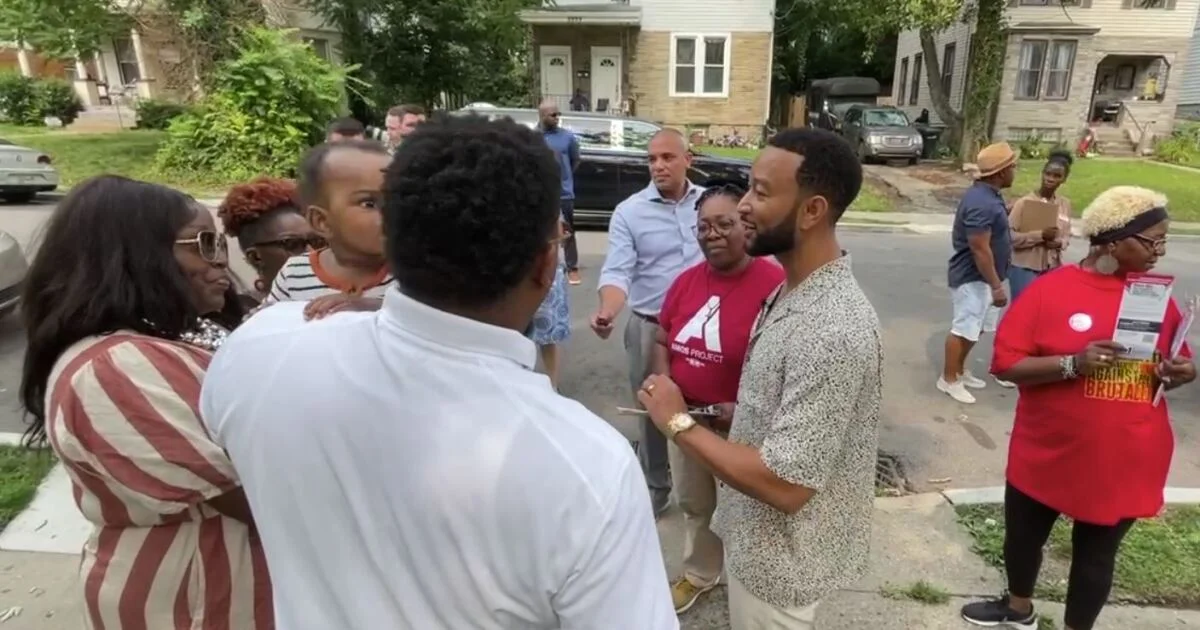
Singer and Ohio native John Legend campaigned against Issue 1 in Hamilton County, Ohio. He went door-to-door encouraging citizens to vote in the August special election, where the fate of Issue 1 will be decided. Issue 1 is a proposal to make it harder to amend the Ohio Constitution, raising the threshold vote for any state constitutional amendment to 60%. This would change the way the Constitution has worked for over 110 years. At its core, Issue 1 is centered around the abortion debate in Ohio.