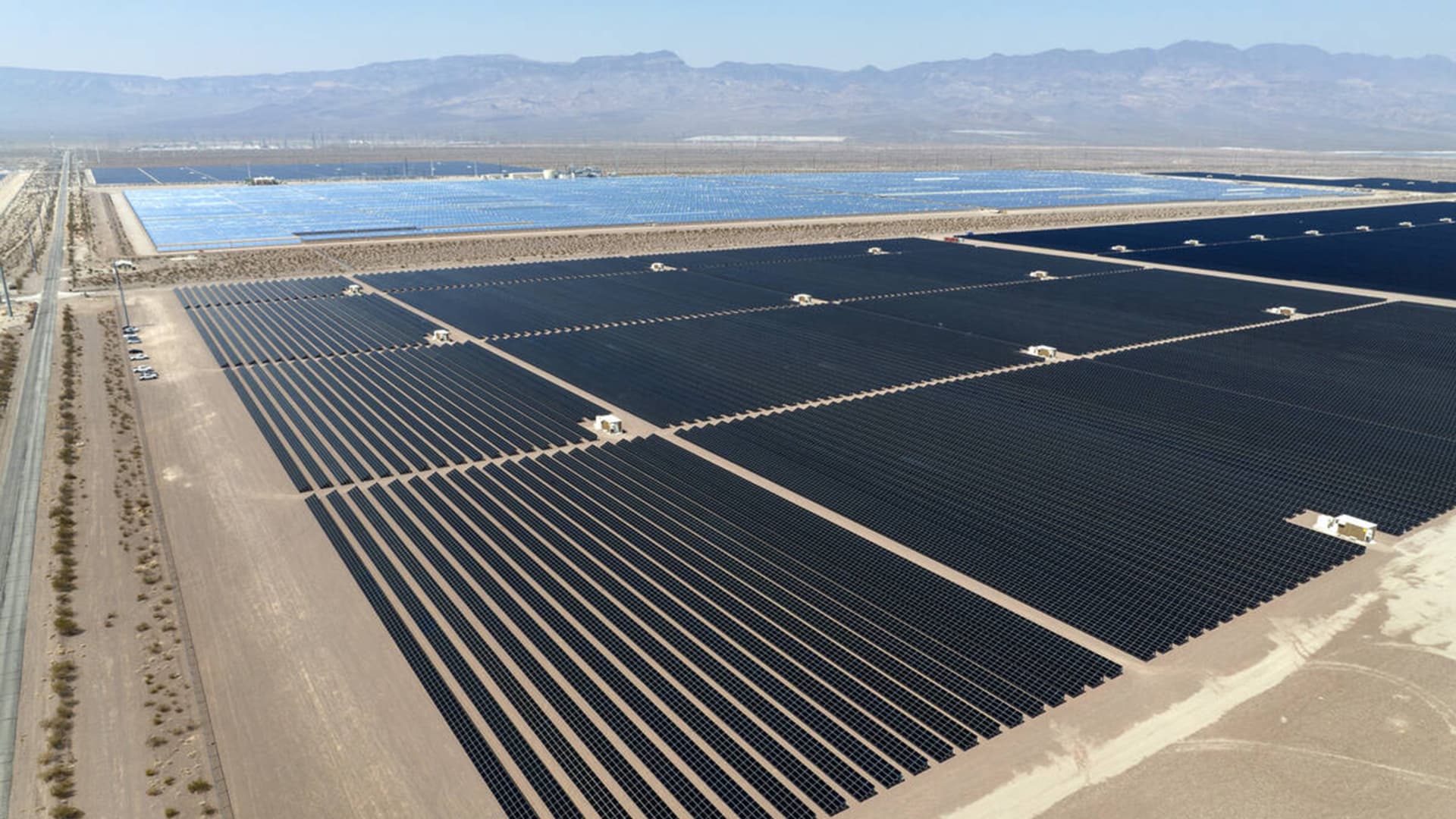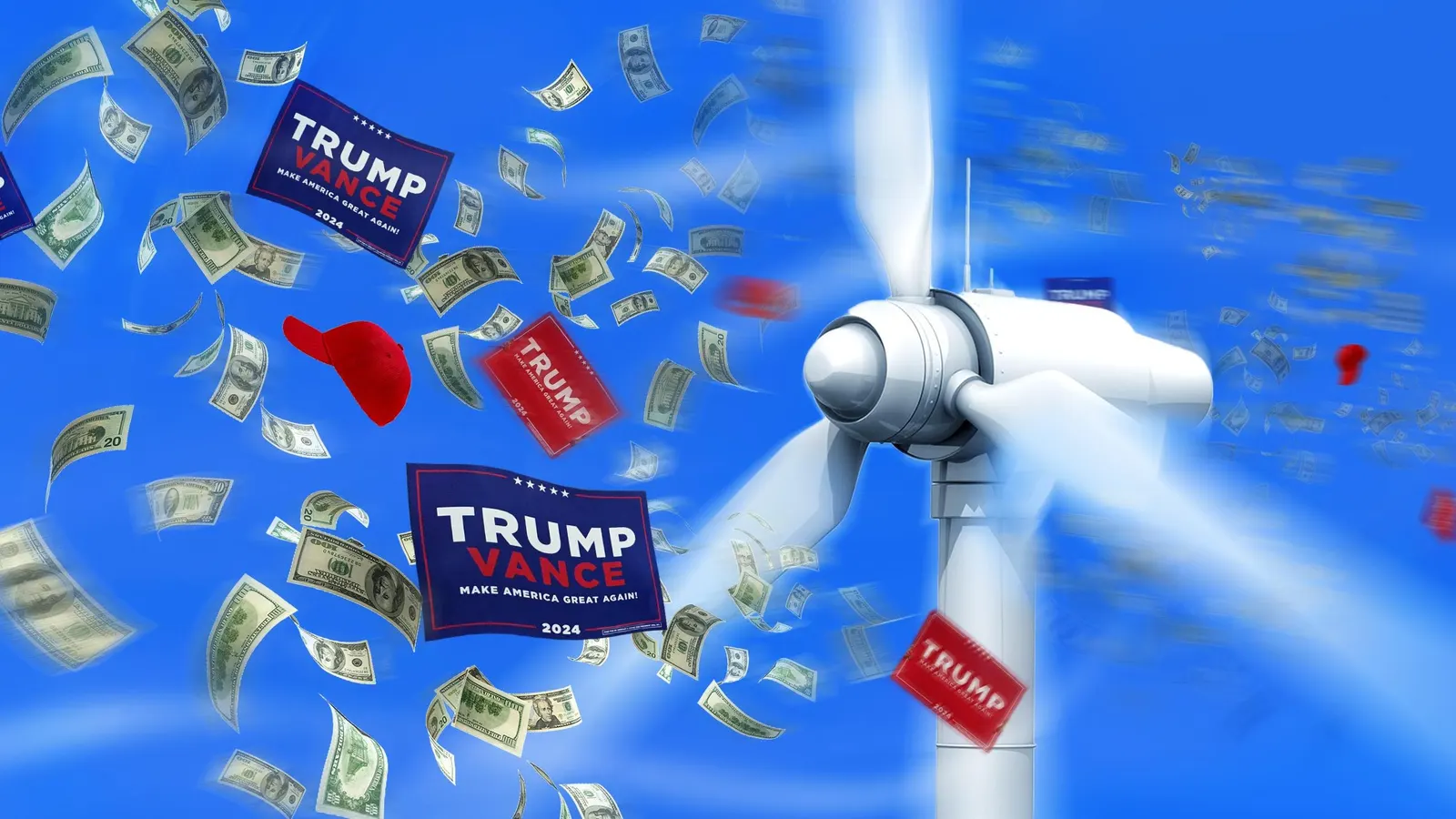
Despite President-elect Donald Trump's plans to repeal the Inflation Reduction Act and cut green energy subsidies, the green revolution is expected to continue thriving. The renewable energy sector has reached a point where it can grow without subsidies, driven by economic factors, customer demand, and the need for more electricity due to data center expansion. Additionally, many green projects are located in Republican districts, making a full repeal politically challenging. The industry's momentum, cost competitiveness, and state-level policies further support its resilience.

Following Donald Trump's election as U.S. president in 2024, solar stocks have plummeted, with major companies like First Solar and Sunrun experiencing significant declines. Sunnova CEO John Berger argues that the market's reaction is overly emotional and not reflective of the industry's strength. Concerns about potential repeals of clean energy tax credits under the Inflation Reduction Act are seen as exaggerated, with bipartisan support for U.S. manufacturing likely to sustain key incentives. Sunnova is adapting by focusing on U.S.-made components to mitigate tariff impacts and enhance cash generation.
Solar stocks plummeted after Donald Trump secured a second term as U.S. President, raising concerns about the future of the Inflation Reduction Act (IRA), which has been pivotal in promoting clean energy through tax incentives. The Invesco Solar ETF dropped over 11% in premarket trading, with significant declines in companies like First Solar, Sunrun, and Sunnova. Trump's campaign has targeted the IRA, labeling it the "Socialist Green New Deal," and its future depends on Republican control of Congress.
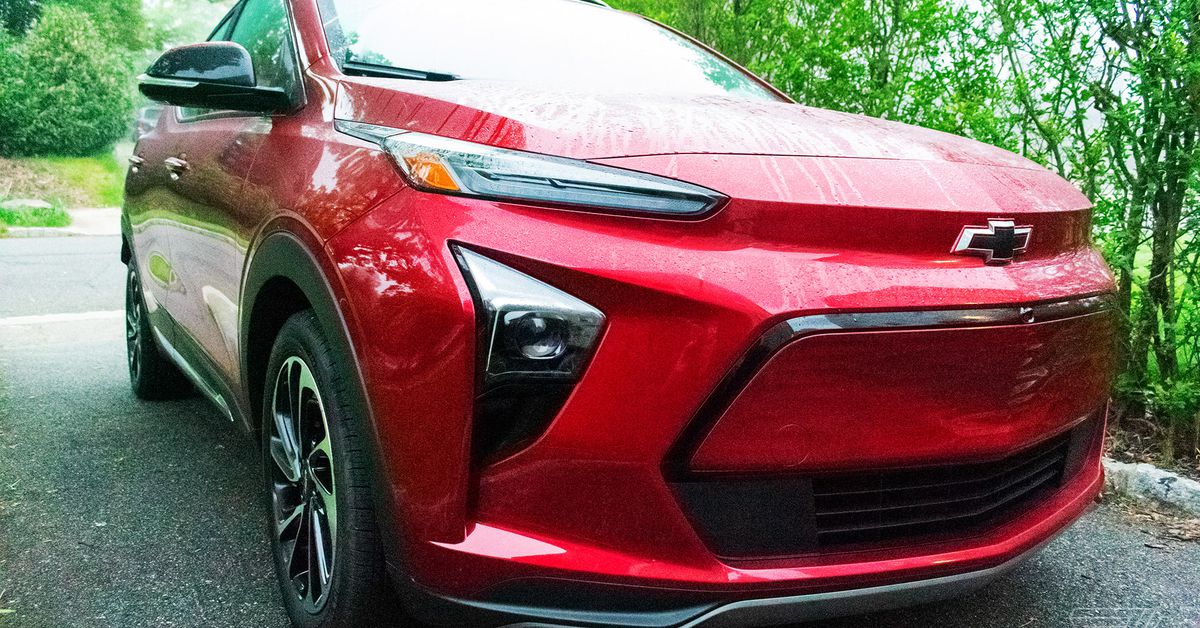
The U.S. federal tax credit for electric vehicles (EVs) remains at up to $7,500 under the Inflation Reduction Act, with the credit now available for vehicles purchased between 2023 to 2032. The credit is non-refundable and depends on the buyer's tax liability and the vehicle's specifications, including assembly location and battery component sourcing. The act also introduces a $4,000 credit for used EVs under certain conditions. The IRS has updated guidance to allow for point-of-sale credits starting January 1, 2024. A list of qualifying new BEVs and PHEVs, along with their MSRP limits and credit amounts, is provided, and the article includes details on how to determine vehicle assembly locations using VINs, state tax incentives, and frequently asked questions about the EV tax credit.
The number of electric vehicles eligible for the full $7,500 federal tax credit in the US has been significantly reduced due to new requirements on battery minerals and sourcing from the Inflation Reduction Act of 2022. Only five battery electric vehicles and one plug-in hybrid vehicle qualify for the full credit, with a few others eligible for a half credit. Popular EVs like the Tesla Model 3, Nissan Leaf, and Volkswagen ID.4 have been removed from the list, and many EVs manufactured outside North America never qualified. The tax credit is becoming more restrictive to encourage the use of battery materials not sourced from "foreign entities of concern" and to boost the US EV sector and job creation. Automakers are now investing in North American battery plants and mining operations to comply with the new regulations.
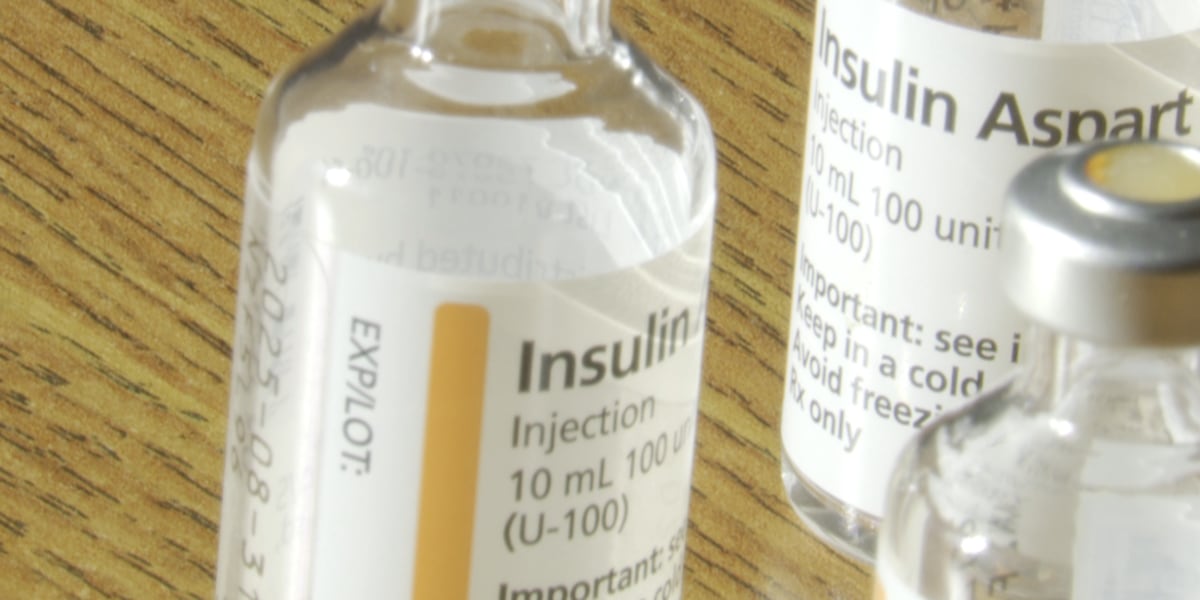
Sanofi, a leading insulin manufacturer, has capped the monthly price of its widely prescribed insulin, Lantus, at $35 for insured patients in the U.S. This move follows similar price reductions by other major insulin producers and comes after increased pressure from the government and public, partly due to the Inflation Reduction Act's $35 cap for Medicare users. The change is significant for the 8.5 million Americans dependent on insulin, with up to 25% previously unable to afford their medication. Sanofi also offers a savings program for uninsured patients.
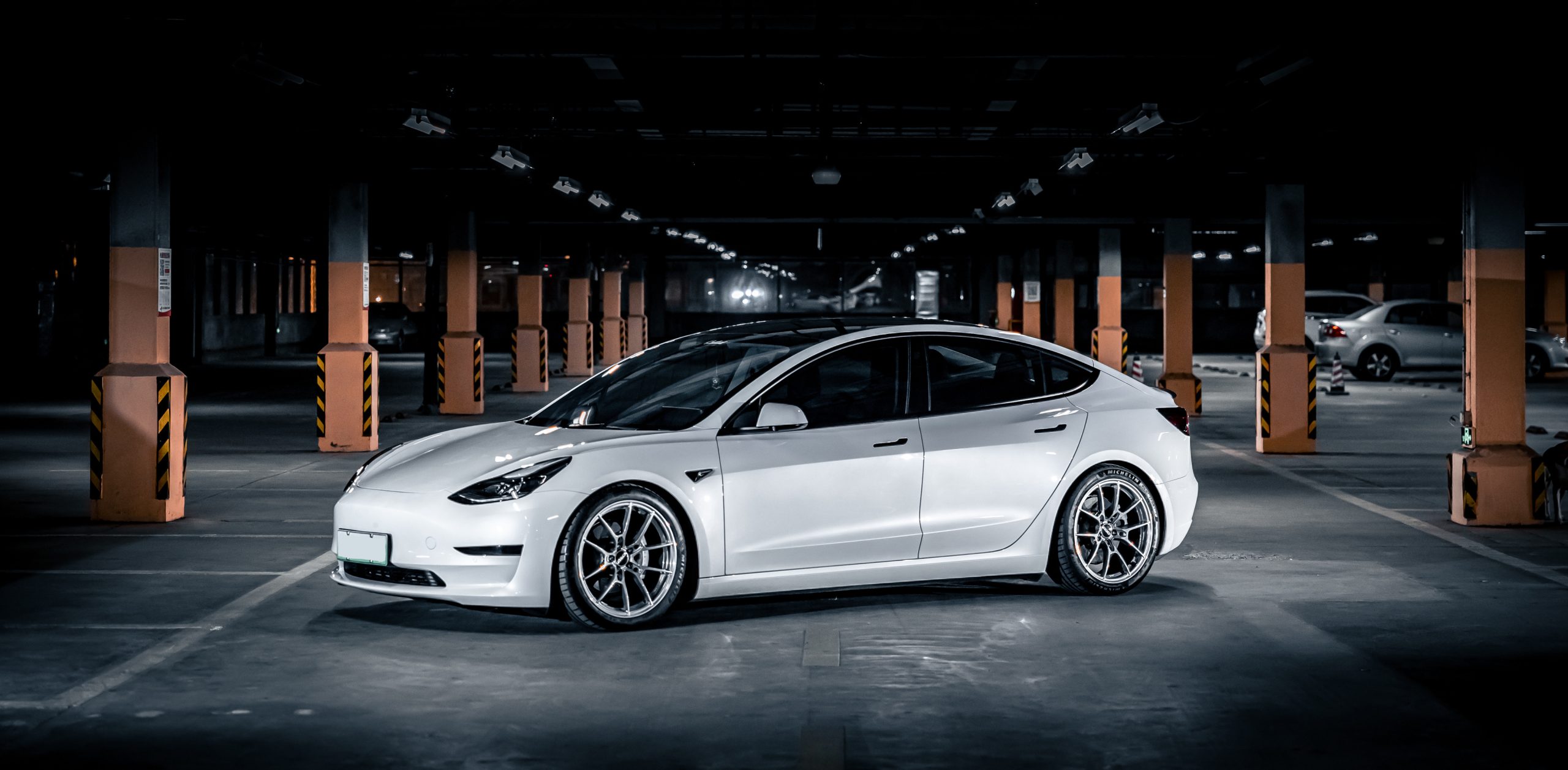
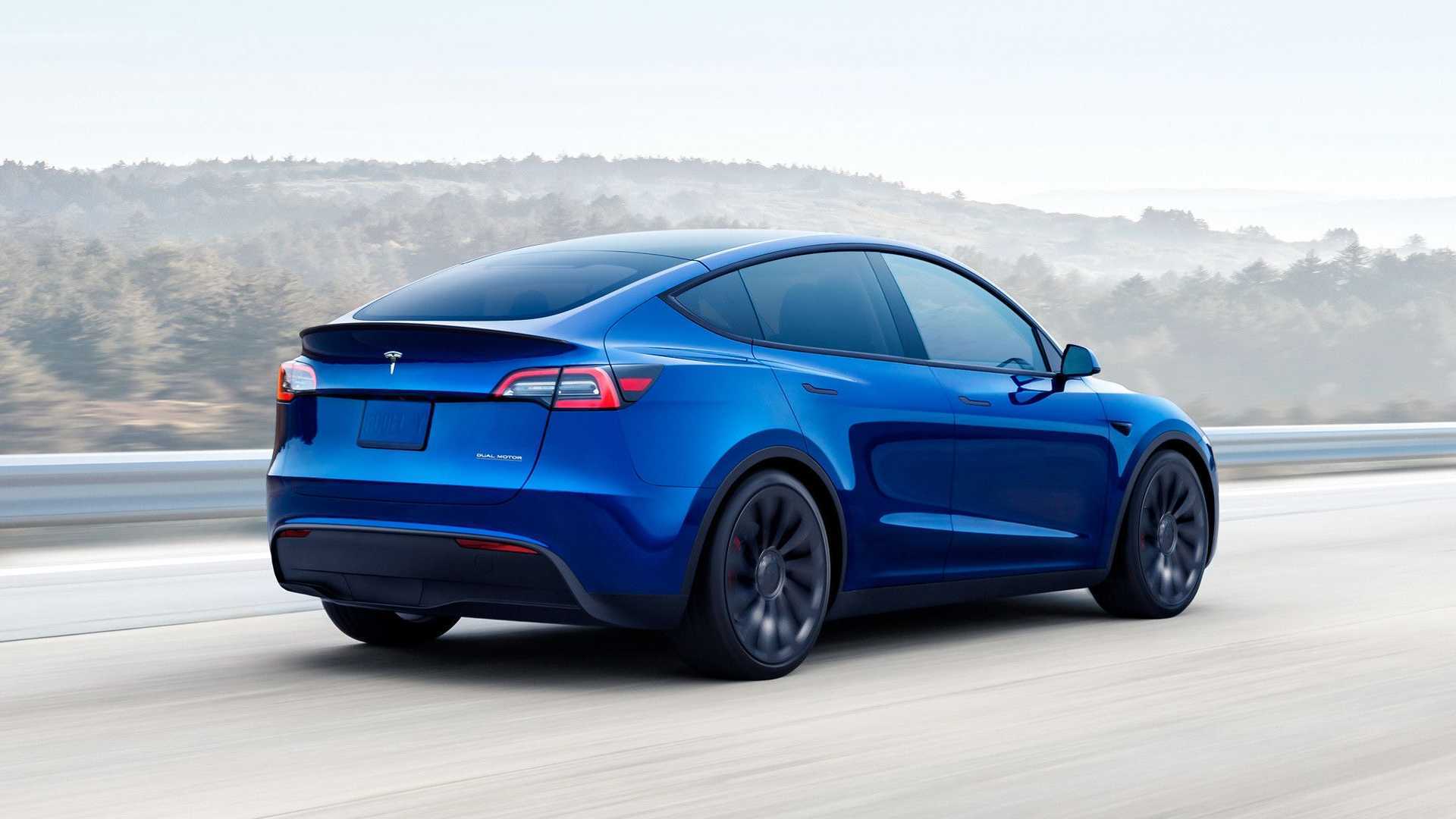
Tesla has updated its website to reflect the electric vehicle (EV) models eligible for the Inflation Reduction Act's (IRA) tax credits in 2024. The eligible models include the Model X Dual Motor AWD, Model 3 Performance, and various Model Y configurations, with the base Model 3 and Long Range variant no longer qualifying. To receive the $7,500 tax credit, customers must meet specific IRS requirements, including income limits and the stipulation that the EV must be for personal use and primarily used in the U.S. The IRA also excludes EVs with components from foreign entities of concern, such as China and Russia.
The IRS has released a significantly reduced list of electric vehicles (EVs) and plug-in hybrids (PHEVs) that qualify for a tax credit in 2024 due to new restrictions targeting battery components sourced from China. Notable exclusions include General Motors' new EVs and the Ford Mustang Mach-E, while Tesla's Model Y and Rivian models remain eligible. The list has shrunk from 43 to 19 models, but more vehicles may be added as automakers submit documentation. The tax credit now applies at the point of sale, and leasing any EV still grants the full credit, offering some relief to consumers and manufacturers.