
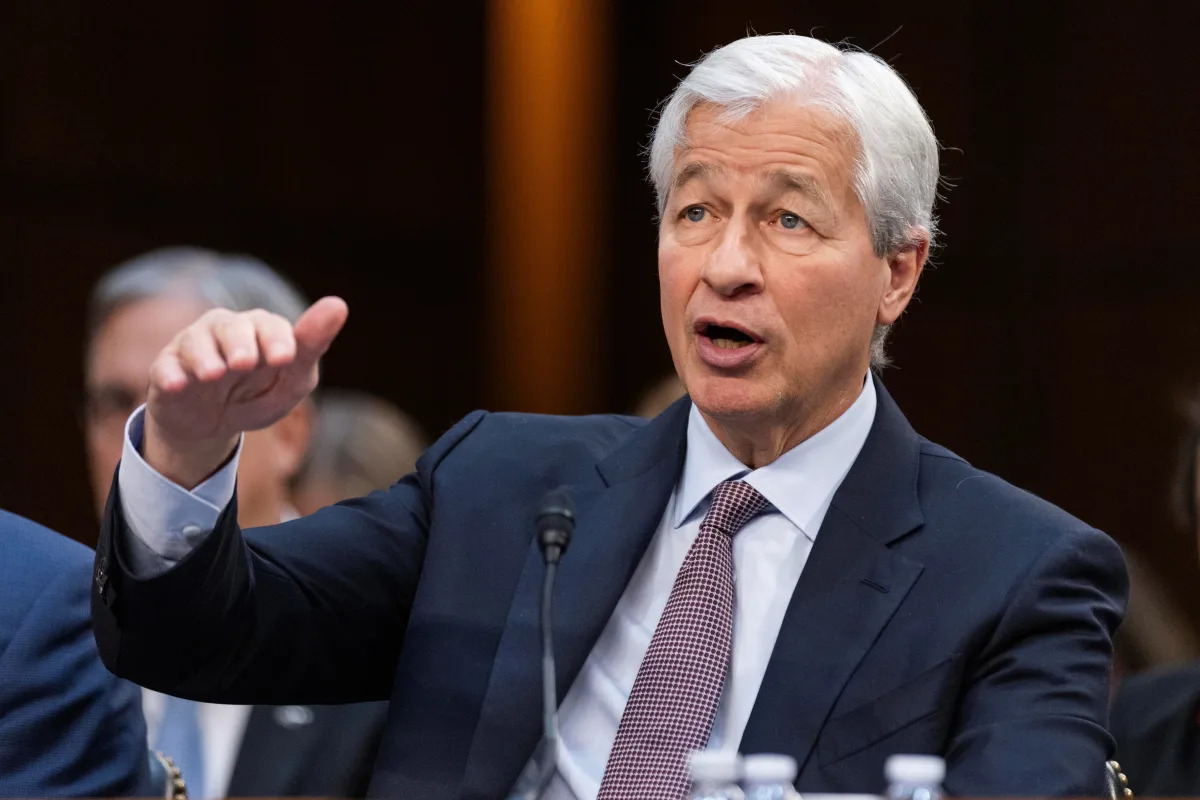
JPMorgan Chase's profits rose 6% in the first quarter, surpassing expectations, but CEO Jamie Dimon warned of "persistent inflationary pressures" and other uncertain forces ahead for the US economy. The bank's revenue also increased by 9%, with a boosted estimate of net interest income for the full year. However, concerns arose as JPMorgan's stock fell over 2% in pre-market trading, and its net interest income dropped 4% from the previous quarter. The results set the stage for an earnings season where banks will strive to demonstrate resilience amid dimming hopes of lower interest rates from the Federal Reserve.

The conflict in the Middle East, particularly between Israel and Hamas, poses new risks to the global economic outlook. This comes as central bankers are already dealing with the economic fallout of the COVID pandemic and Russia's invasion of Ukraine. The duration and intensity of the conflict, as well as its potential spread to other parts of the region, could disrupt supply chains, drag down economic confidence, and lead to higher oil prices. The Federal Reserve may face challenges in deciding whether to raise interest rates and how long to keep rates elevated. The conflict could also impact bond yields and potentially spur a flight to safe-haven assets like U.S. Treasuries.
UK inflation rate remained at 10.1% in March, driven by the strongest increase in food prices in more than four decades, strengthening the case for more interest rate rises at the Bank of England. Investors quickly moved to price in further rate hikes, with money-market traders pricing a peak BOE interest-rate of more than 5% this cycle, the highest this year. The pound edged higher against the dollar and gilts fell as the market adjusted to the prospect of steeper rate increases.