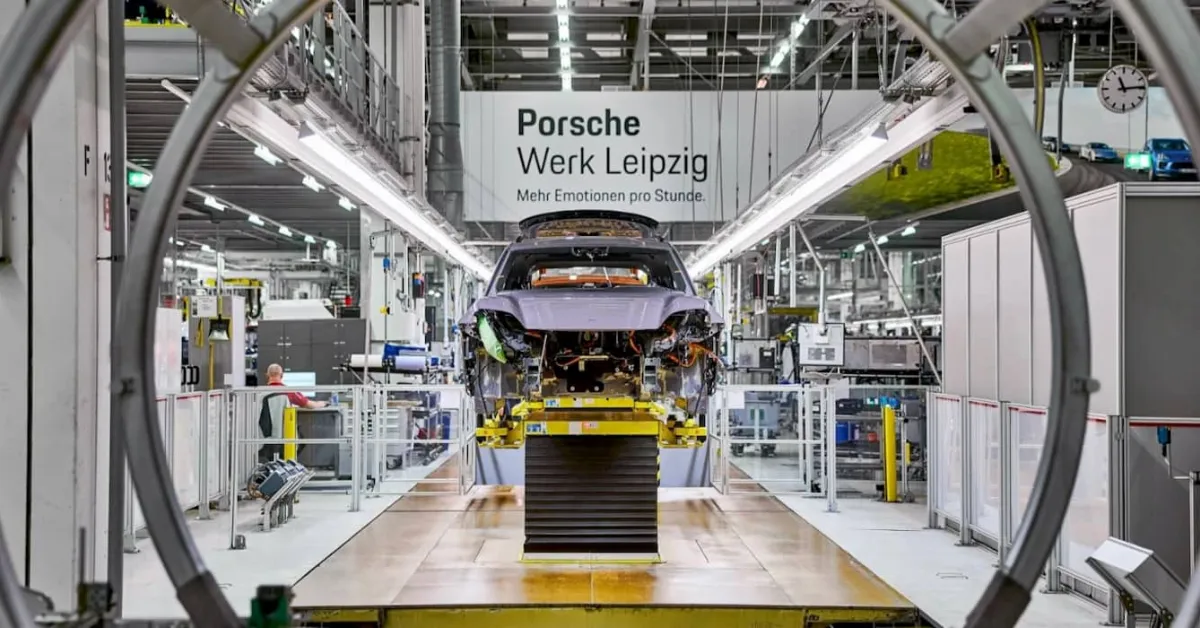
Porsche is delaying some EV models and extending combustion engine sales, citing weak demand for EVs, which will cost VW around $6 billion in profits by 2025. This move comes despite the global surge in EV sales and the industry shift towards electrification, highlighting Porsche's reluctance to fully embrace the transition and risking its relevance in a rapidly evolving market.
The article debates whether AI will lead to economic prosperity by lowering entry barriers and democratizing creativity or cause harm by reducing competition and devaluing human effort, highlighting nuanced perspectives on AI's role in industry, art, and society.
The consulting industry is facing significant challenges due to AI-driven efficiency gains and reduced government contracts under Trump, leading to layoffs and a potential industry shake-up, with some firms like McKinsey adapting by leveraging AI for internal efficiency while others face decline.
Warner Bros Discovery is splitting into two companies amid industry upheaval, with its streaming and studios business focusing on competition with tech giants, while its legacy networks face decline. The move reflects broader challenges in the cable TV industry, which is shrinking due to the rise of streaming services like Netflix, and highlights ongoing strategic shifts and potential future deals in the media landscape.
Boeing's ongoing troubles, including the 737 Max crisis and production issues, are causing a significant shift in the balance of power within the aviation industry. Competitors like Airbus are gaining ground, and new players from China and Russia are also emerging, challenging Boeing's long-standing dominance. This disruption is reshaping the industry landscape and could have far-reaching implications for the future of aviation.
Google has unveiled its new AI video generator called 'Lumiere', which uses a space-time diffusion model to create full scenes from text inputs and offers features like video stylization and cinemagraphs. With promises of surpassing its competition, this AI model is expected to revolutionize the industry and provide creators with prompt-based video generation tools for various commercial projects.
Microsoft's recent acquisition of Activision Blizzard and its popular videogame franchise, "Call of Duty," has the potential to disrupt the gaming industry's business model. With ownership of major games like "Call of Duty," Microsoft can leverage them to boost its game subscription service and potentially reshape the industry. The acquisition faced regulatory opposition but closed last month after concessions from Microsoft.
The advertising industry is both embracing and wary of artificial intelligence (A.I.). A.I. has made ads easier to generate and track, with applications ranging from personalized marketing emails to creating recognizable images and animations. However, A.I. also poses a threat to the industry, potentially leading to job losses and an overhaul of traditional advertising practices. Advertising executives are divided on the issue, with some expressing concern about the use of A.I. chatbots in ad campaigns, while others see the potential for automation and streamlining. The surge of A.I. experimentation has raised legal and logistical challenges, including reputation protection and avoiding consumer deception. Major advertising companies believe A.I. could streamline their business models, but many in the industry fear obsolescence and are concerned about bias, misinformation, and intellectual property issues. Despite the advancements in A.I., human creativity and insight remain essential in the advertising process.
New York City's yellow taxis are struggling to survive against the rise of Uber and Lyft. Taxi drivers, who make up only 10% of the city's drivers, face tough work conditions and the burden of owning or leasing expensive medallions. The medallion crisis, exacerbated by the COVID-19 pandemic, has caused great anguish for taxi drivers. As they fight for space in the industry, the future of taxis remains uncertain.