Russia's economy is experiencing a slowdown with industrial output declining, especially in civilian manufacturing sectors like food, furniture, and automotive, amid ongoing war pressures and economic challenges, leading to a potential decade-long stagnation.
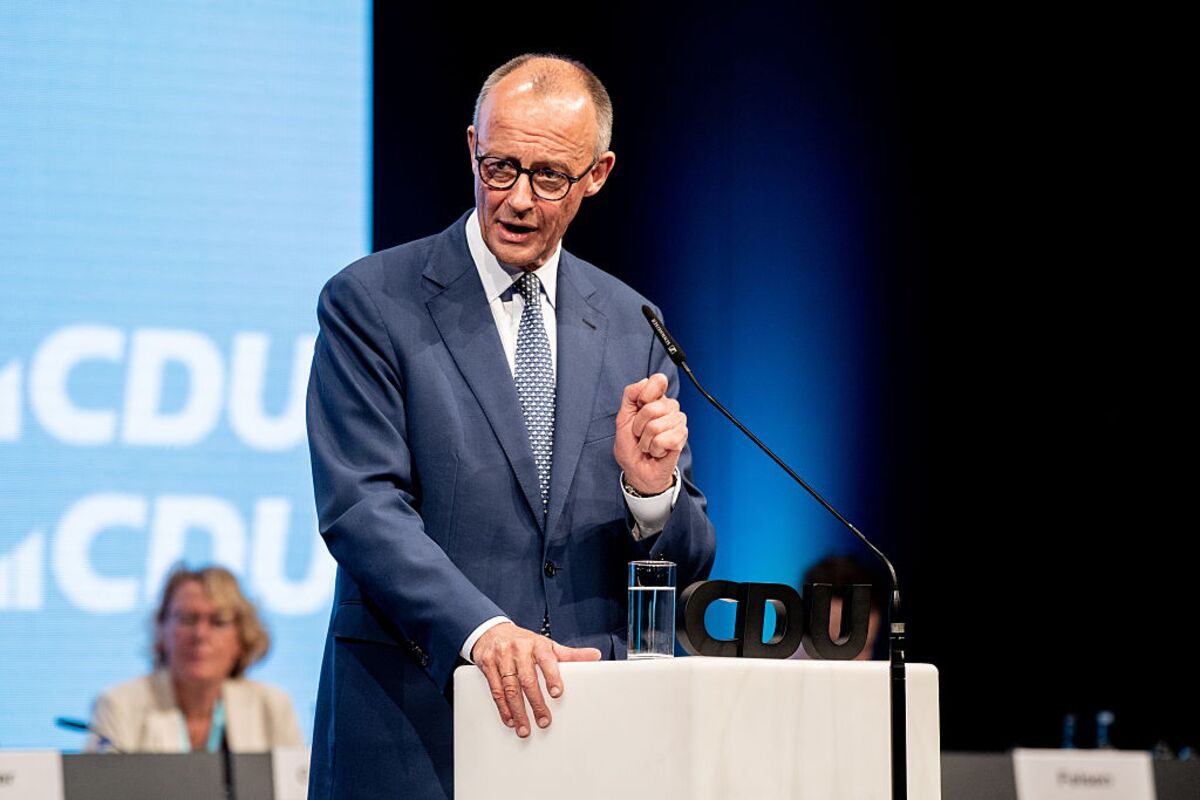
German Chancellor Friedrich Merz acknowledged that Germany's economic challenges are more severe and complex than initially thought, citing a structural crisis, declining competitiveness, and external pressures like US tariffs, with government reforms and investments planned to address these issues.
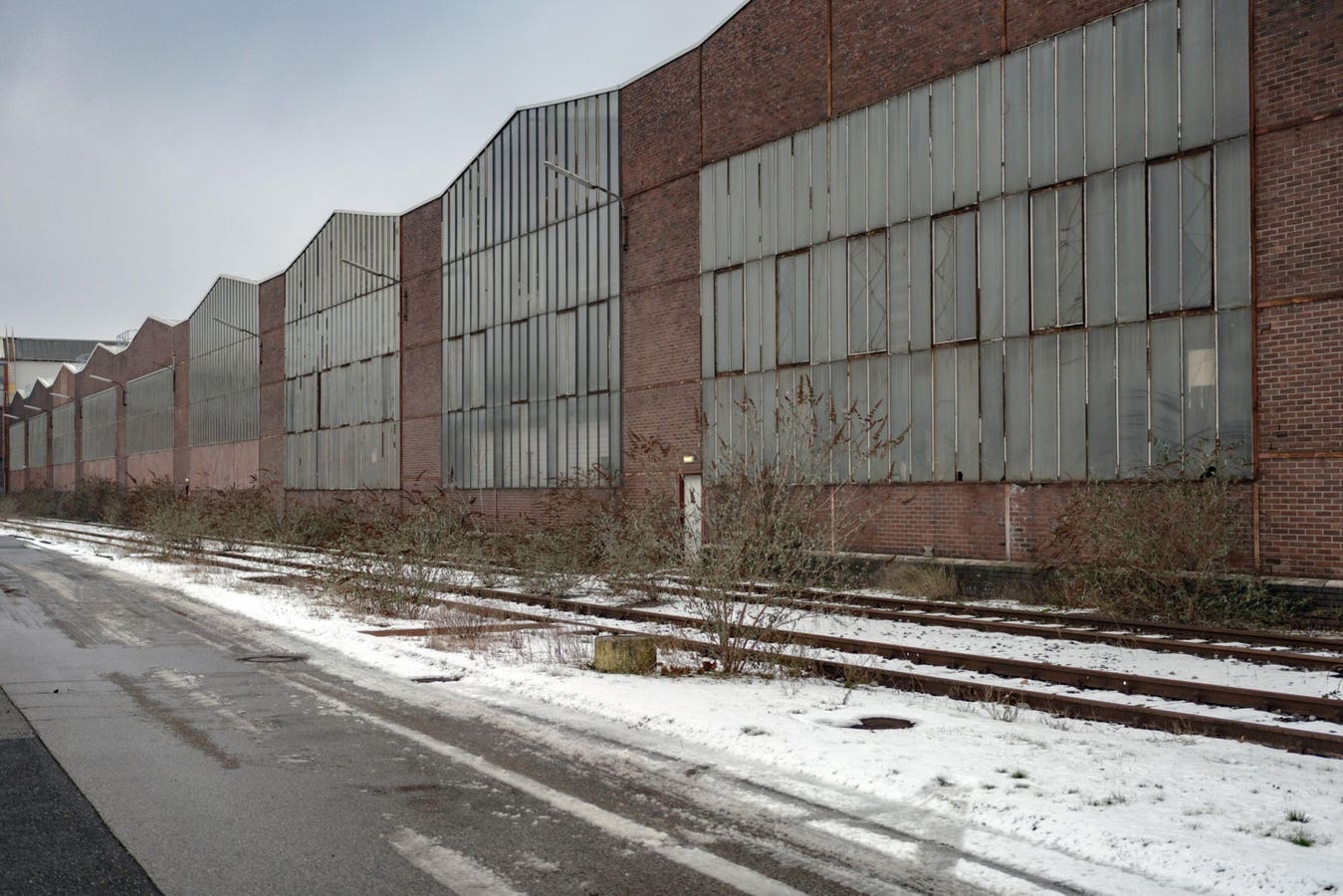
Germany's manufacturing powerhouse is facing rapid decline, particularly in its chemical and heavy industry sectors, due to skyrocketing energy costs driven by policies such as the net-zero energy policy and rapid move to variable renewables. This has led to job losses and economic contraction, with some industries looking to the U.S. for more favorable energy costs. However, the U.S. is also facing challenges with prematurely shutting down coal, gas, and nuclear power plants, despite warnings about potential consequences for energy reliability and affordability. The continuing bad news out of Germany may prompt U.S. manufacturers to reconsider the impact of energy policies on their operations.
Gary, Indiana, once a thriving industrial city known for U.S. Steel, is now facing economic decline with abandoned buildings and a dwindling population. The new mayor aims to attract new businesses and residents to revitalize the city beyond its steel industry roots, leveraging its strategic location and nearby attractions.