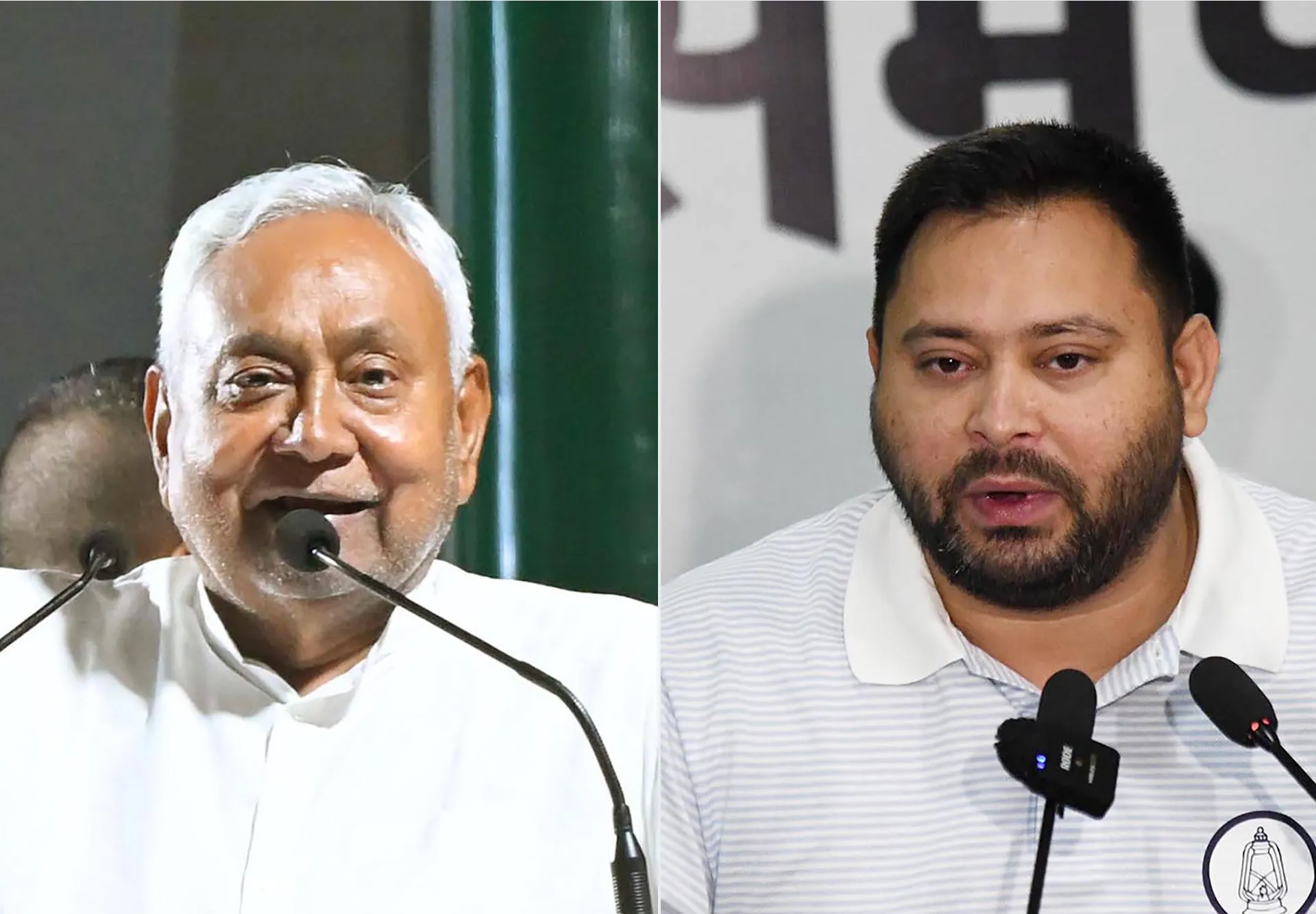
India's Bihar state is holding its first phase of elections with over 74 million voters, featuring key contenders like the BJP-led alliance and the RJD-led opposition, amid concerns over electoral roll revisions and their implications for regional and national politics.
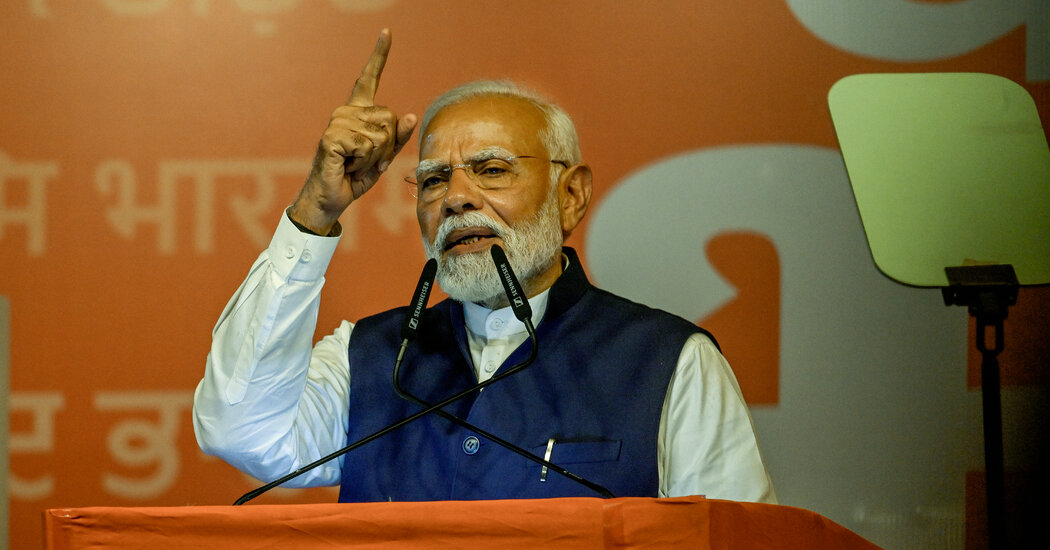
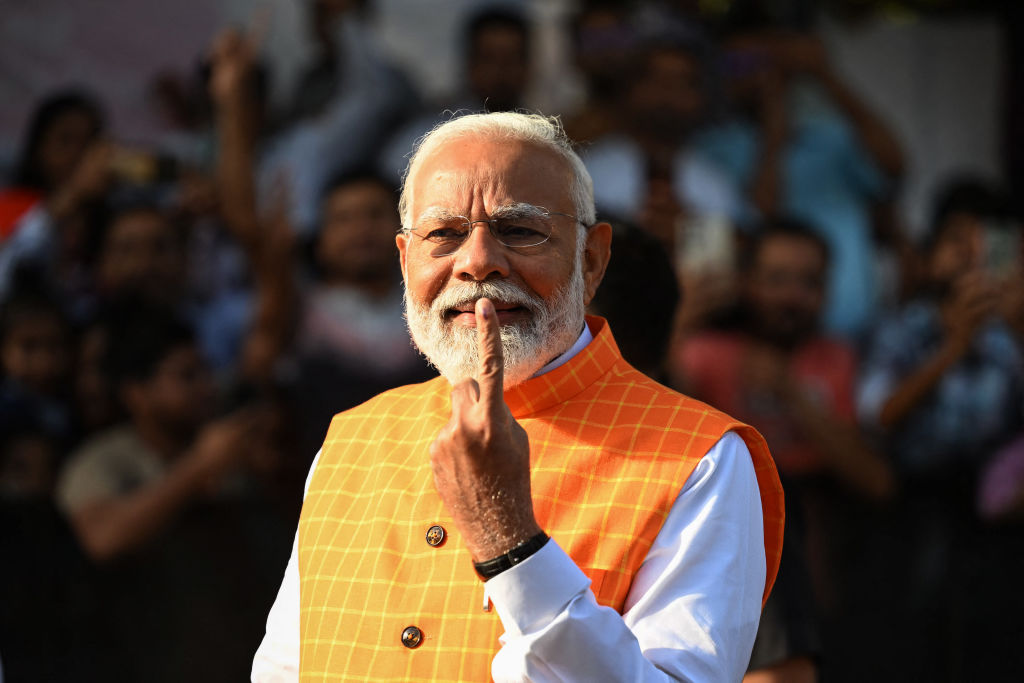
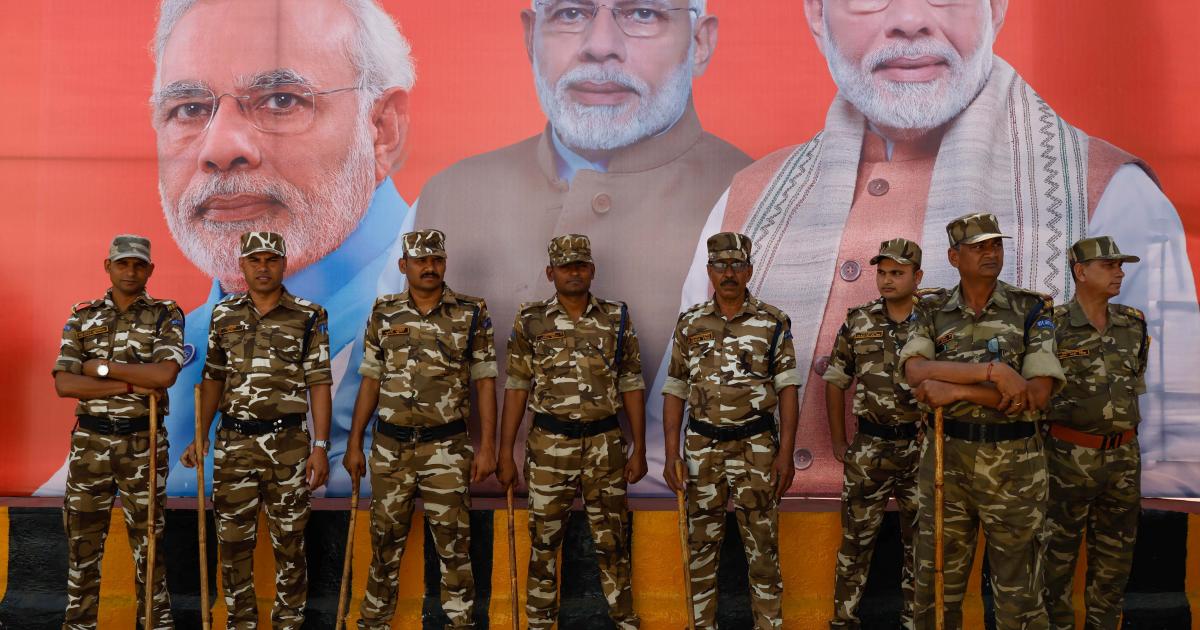
Prime Minister Narendra Modi's Bharatiya Janata Party (BJP) lost over 60 seats in the latest election, forcing Modi to form a coalition government. The opposition capitalized on Modi's dominant persona, reinvigorating India's democracy and challenging the BJP's Hindu-nationalist agenda.
The article critically examines the political career of Narendra Modi, highlighting his controversial rise to power, his association with the 2002 Gujarat riots, and his tenure as Prime Minister of India. It discusses Modi's use of Hindu nationalism, his alleged corruption, and his ability to maintain electoral dominance despite significant opposition. The piece also touches on the challenges faced by the Congress Party and other opposition groups in countering Modi's influence.
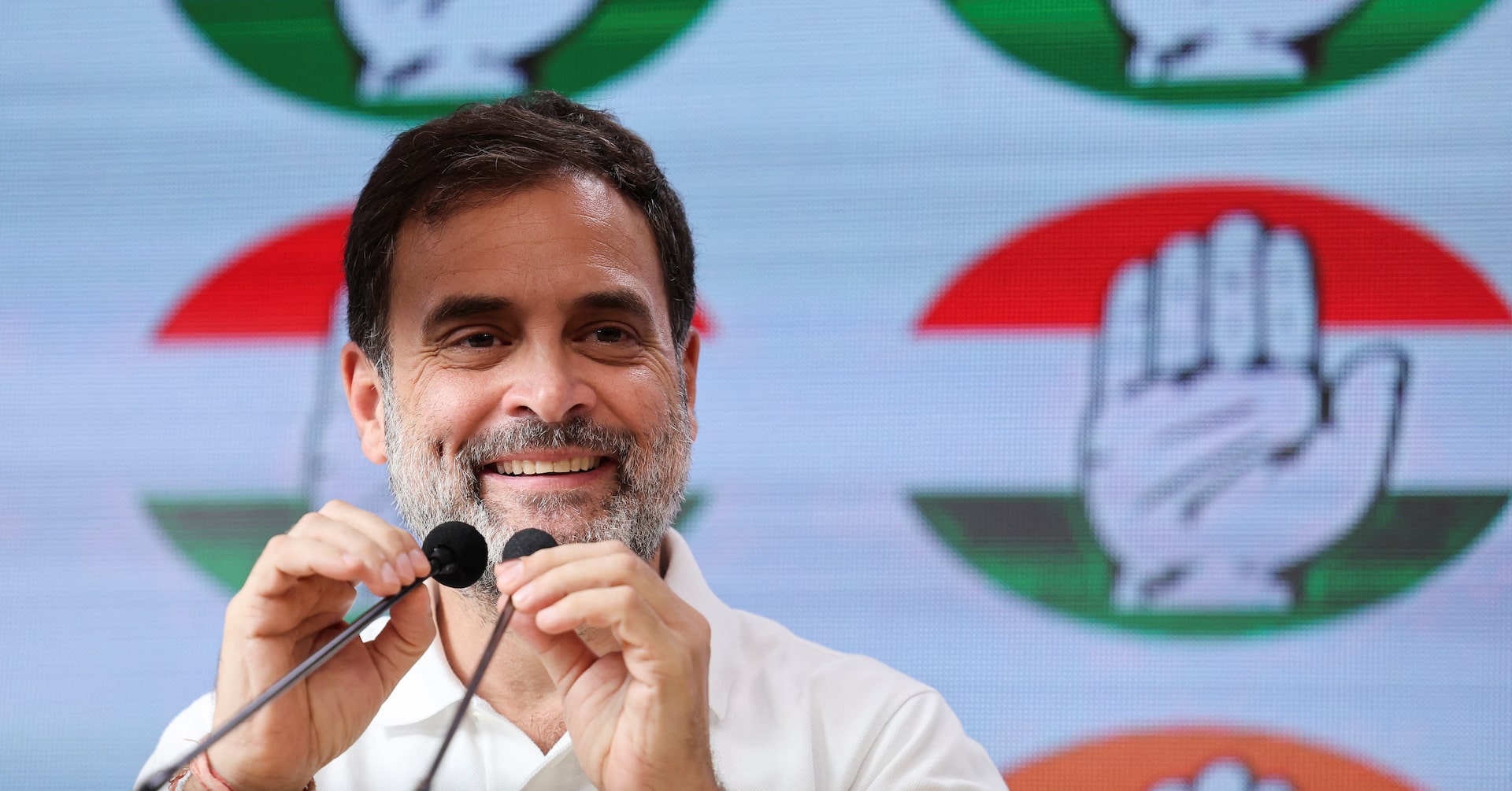
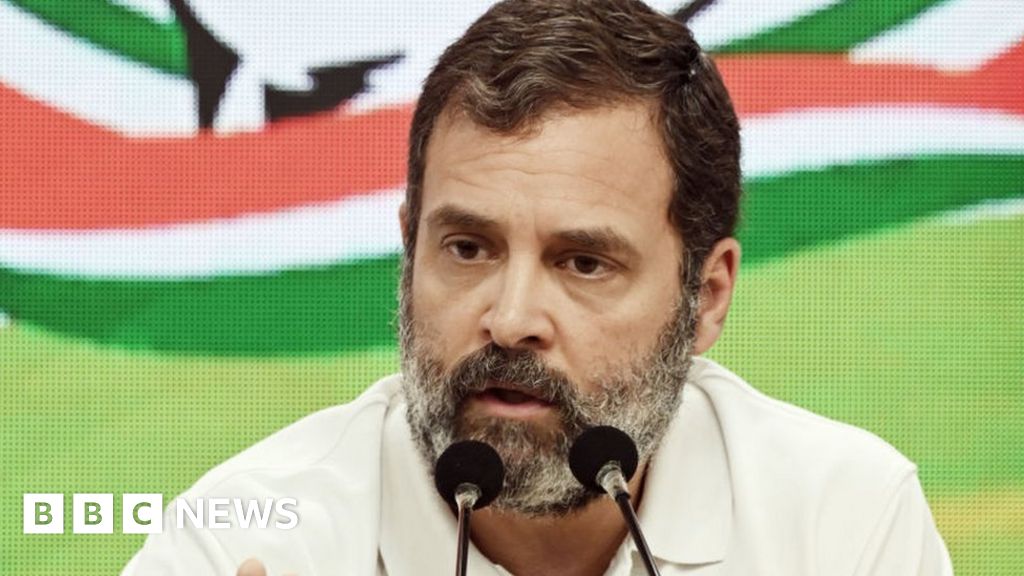
Indian opposition leader Rahul Gandhi has made a significant comeback, leading an alliance that has weakened Prime Minister Narendra Modi's BJP stronghold. Gandhi's efforts, including cross-country marches against Modi's politics, have revitalized the Congress party, potentially doubling its seats in parliament. This resurgence may force the BJP to rely on allies to form a government, positioning Congress as a stronger opposition with Gandhi at its center.
The upcoming Indian election is expected to result in a third term for Prime Minister Narendra Modi and his Bharatiya Janata Party (BJP), which aims to reshape India as a Hindu nation. The BJP's Hindu nationalist ideology, rooted in the early 20th century, seeks to marginalize Muslims and Christians, and has already led to discriminatory laws and policies. With a strong majority, the BJP could further solidify its vision, potentially altering the constitution and fundamentally restructuring the Indian state. The opposition faces challenges, and the outcome of the election will have significant implications for the future of India and its diverse population.
An Indian politician, Abhishek Ghosalkar, was shot dead during a Facebook Live stream in Mumbai by local businessman Mauris Noronha, who then shot himself. The two had appeared to reconcile their political rivalry in the video before the shooting occurred. Ghosalkar, a former Shiv Sena politician, and Noronha had a history of disputes, and the incident has raised concerns about the law and order situation in Maharashtra state. This comes shortly after another shooting involving politicians from the Shiv Sena and Bharatiya Janata Party factions.
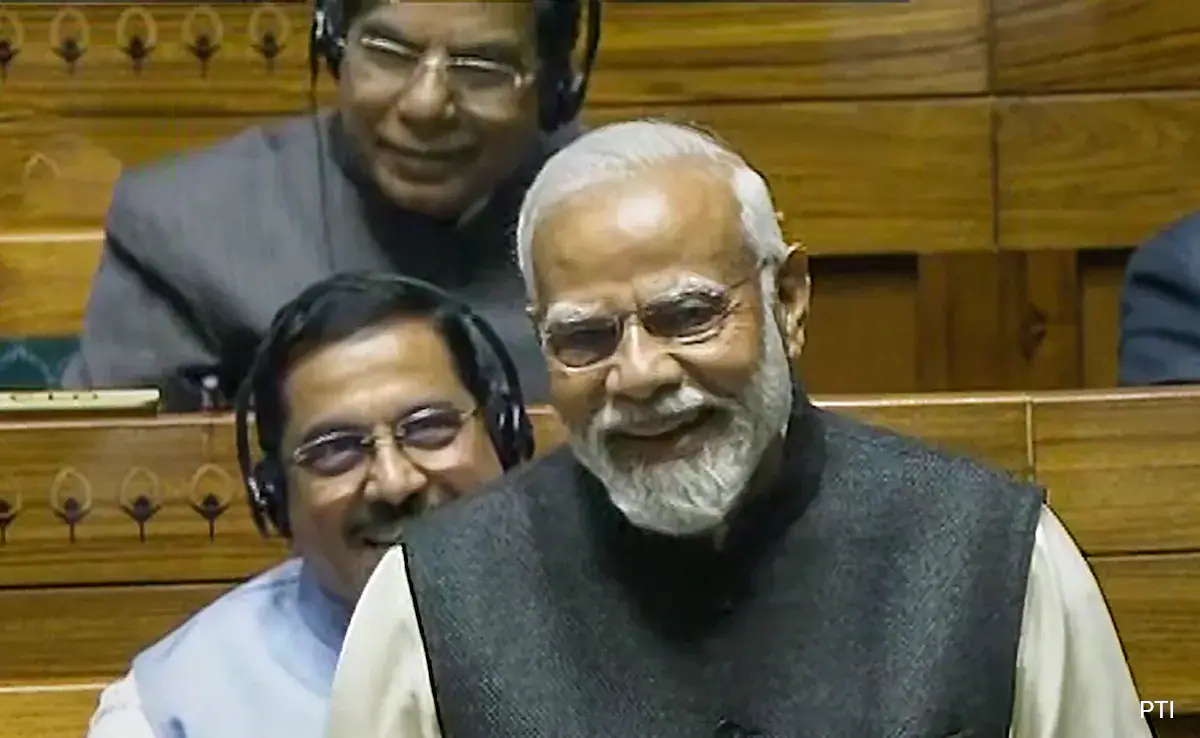
In his final address to parliament before the election, Prime Minister Narendra Modi criticized the Gandhis, Congress, and Jawaharlal Nehru, blaming them for the situation in Jammu and Kashmir and accusing them of not having faith in the Indian people's potential. He highlighted the changes in Kashmir and the increase in tourism, attributing the previous problems to Nehru's policies. The Congress responded by calling for the Prime Minister to take responsibility for the current state of affairs.
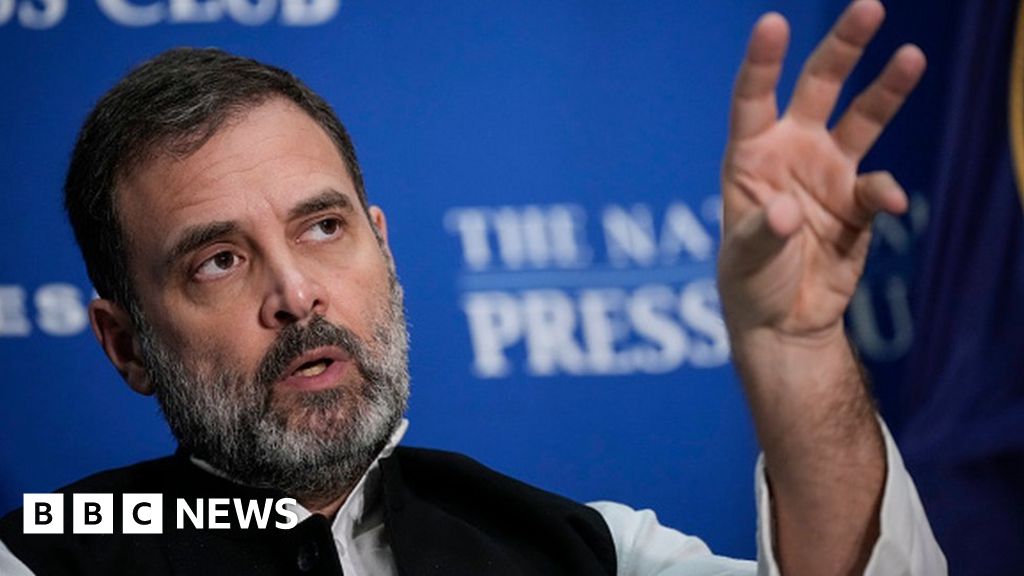
Indian opposition leader Rahul Gandhi is on a three-city tour of the US, wooing the Indian diaspora and criticising Prime Minister Narendra Modi. Indian-Americans are considered more than "soft power" as they have the highest median income among all immigrant communities in the US and contribute significant funds to American and Indian political parties. Any positive news coverage reported back home also has the potential to "boost electoral prospects" in India. However, projecting a reputation on the upswing will be "a tall task" for Mr Gandhi, says Temple University's Sanjoy Chakravorty.
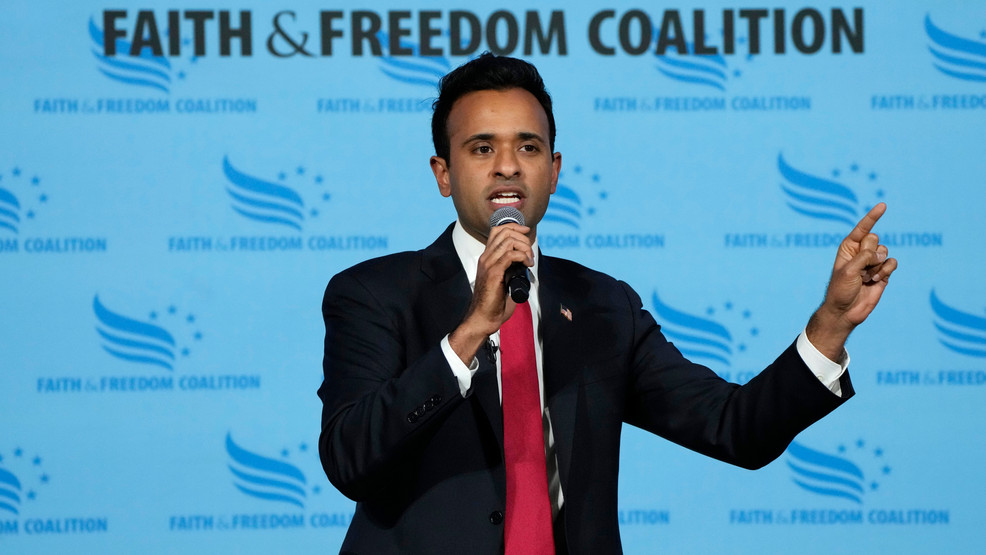
Indian politician, Swamy Ramaswamy, has proposed raising the voting age from 18 to 25 in order to ensure that only "mature" people vote. Ramaswamy argues that young people are easily influenced by money and other inducements, and that raising the voting age would help to strengthen democracy. The proposal has sparked debate among politicians and the public, with some arguing that it would disenfranchise young people and others questioning its effectiveness in curbing corruption. The Election Commission has not yet commented on the proposal.
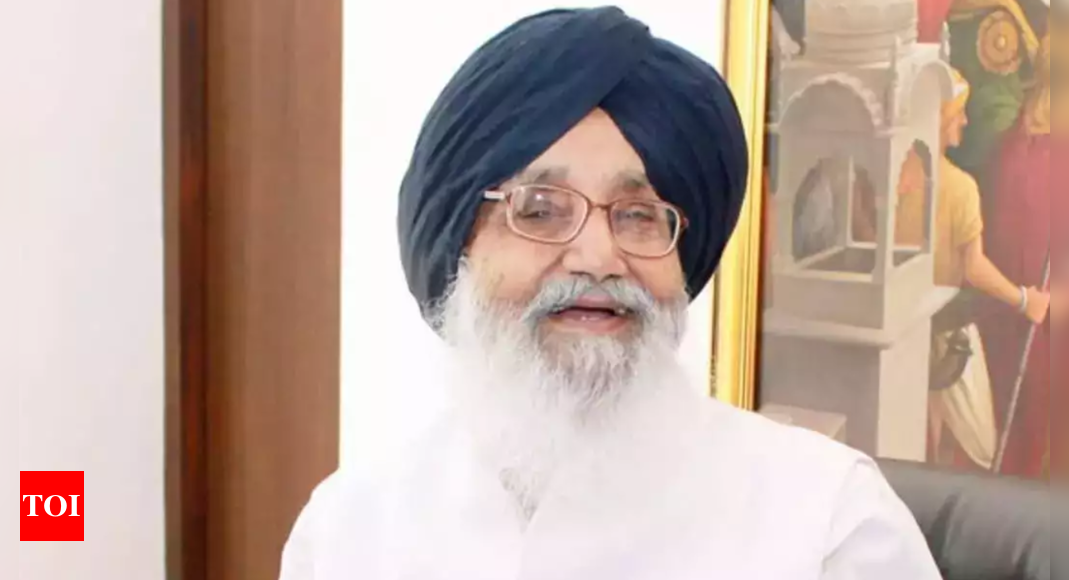
Parkash Singh Badal, the patriarch of the Shiromani Akali Dal and former chief minister of Punjab, passed away at the age of 95. He had been admitted to the hospital over a week ago after experiencing difficulty breathing. Badal had served as chief minister of Punjab five times and was an MLA 11 times. He was respected across party lines and was known for his contributions to the welfare of farmers and weaker sections of society. His last rites will take place on Thursday in his native village of Badal in Lambi, Muktsar.
Parkash Singh Badal, the Shiromani Akali Dal (SAD) patriarch and five-time chief minister of Punjab, passed away at the age of 95 due to acute exacerbation of bronchial asthma. He was admitted to the hospital on April 16 and was closely monitored by doctors. Badal was conferred with the Padma Bhushan in 2015 but returned it in December 2020 to protest against the contentious farm laws. He made significant contributions to Punjab politics and the welfare of farmers and weaker groups during his lengthy political and administrative career.
Indian opposition leader Rahul Gandhi is set to appeal against his conviction and jail sentence in a criminal defamation case. He was sentenced to two years in jail by a court in Gujarat state for 2019 comments about Prime Minister Narendra Modi's surname at an election rally. The Congress leader was also later disqualified as a lawmaker. Opposition leaders have accused the governing Bharatiya Janata Party (BJP) of a political vendetta. The BJP has denied this, saying that due judicial process has been followed in the case.