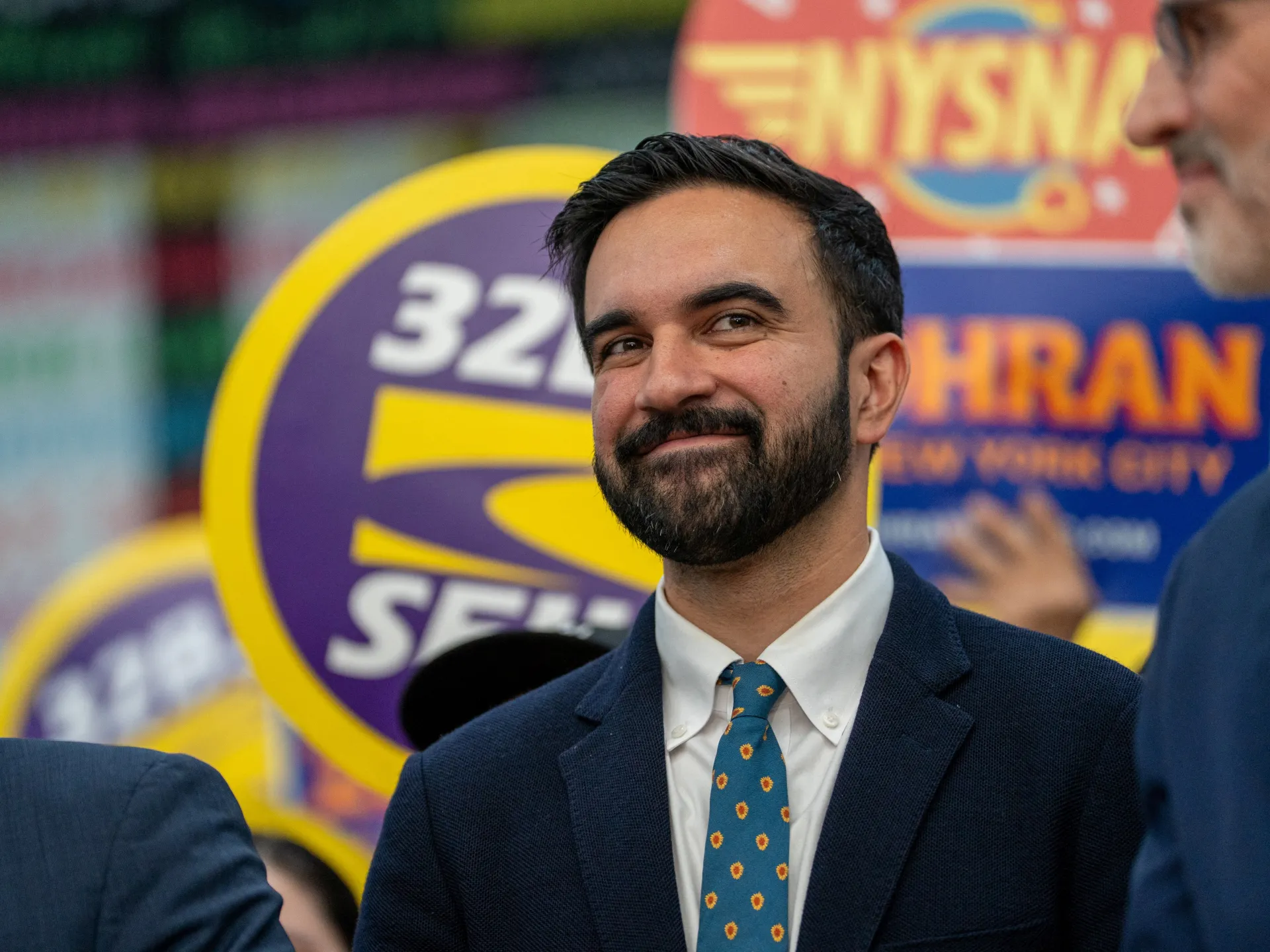
Zohran Mamdani's primary win in New York City has sparked backlash from Modi's supporters and Hindu right groups, largely due to his Muslim identity and vocal criticism of Modi's government and Hindu nationalism. Despite online hostility, his campaign has gained significant support among the South Asian community in NYC, and his victory is seen as a seismic shift that challenges Hindu nationalist narratives and highlights the diverse political landscape of the city.
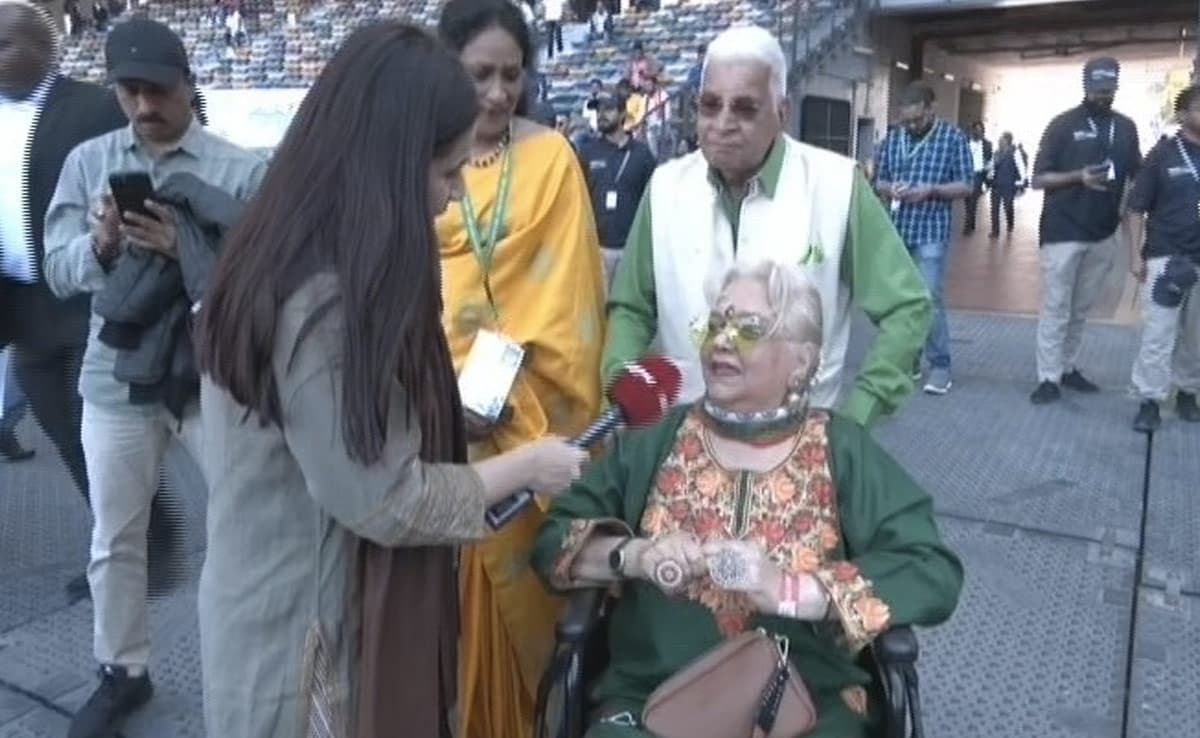
An elderly woman in a wheelchair, undeterred by her physical limitations, expressed her excitement to attend the 'Ahlan Modi' event in Abu Dhabi, showcasing her love for her country and determination to enjoy the occasion. With over 65,000 registrations, the event has garnered significant attention from the Indian expatriate community in the UAE, where approximately 3.5 million Indians reside. The President of the Indian People Forum anticipates the event to be a landmark occasion in the public memory of PM Modi's international engagements.
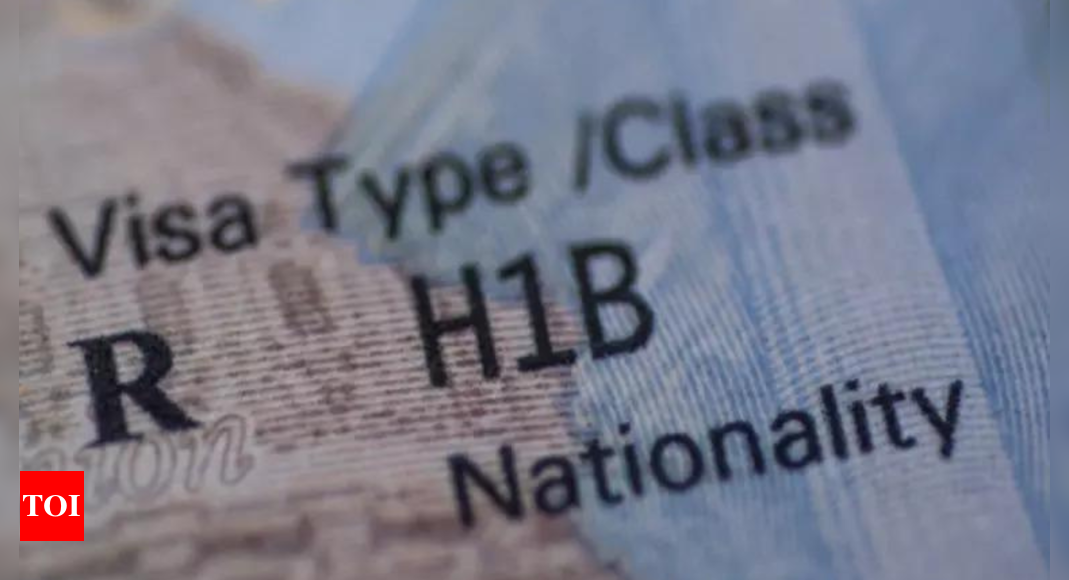
The Department of State (DOS) has released details of the H-1B visa renewal pilot program, set to launch on January 29, 2024, which will allow visas to be renewed domestically within the US. The pilot program will initially cover 20,000 participants, half of whom will be from India. The Indian diaspora hopes that the program will eventually expand to include spouses and children of H-1B visa holders. H-1B visa holders from Canada and India are eligible for the pilot project. The eligibility criteria for the pilot program have been outlined, and the DOS will begin accepting online applications from January 29, 2024. The program aims to address the challenges faced by H-1B visa holders when traveling abroad and experiencing delays in visa stamping.
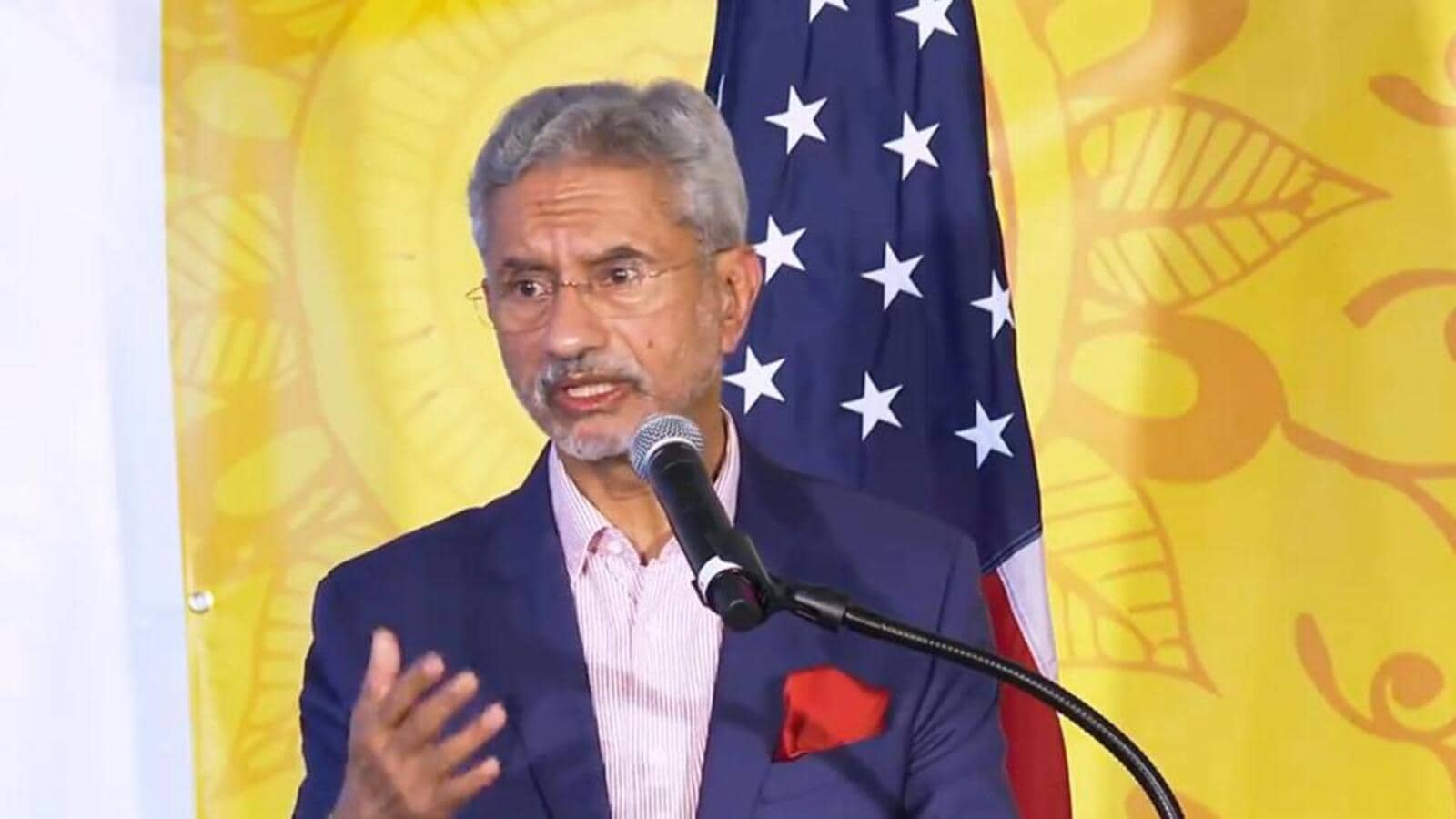
India's External Affairs Minister, S Jaishankar, declared that the India-US relationship is at an "all-time high" and will continue to strengthen, comparing it to the Chandrayaan mission to the moon. He praised the role of the Indian diaspora in fostering a unique human bond between the two countries. Jaishankar also thanked the US for its support during India's presidency of the G20, emphasizing the trust quotient in the bilateral relationship. He highlighted the importance of trust in partnerships, particularly in the realm of technology, and expressed optimism about the future prospects of the India-US relationship.
Sikhs have a significant presence and influence in Canada, with their population doubling in the last 20 years. They have made substantial contributions to various sectors, including construction, transport, and banking, and many own successful businesses. The Sikh community's success can be attributed to their networking through gurdwaras and their ability to collect grants for funding election campaigns. With 18 Sikh MPs in Canada, including eight seats completely controlled by Sikhs, political parties are cautious not to displease the community.
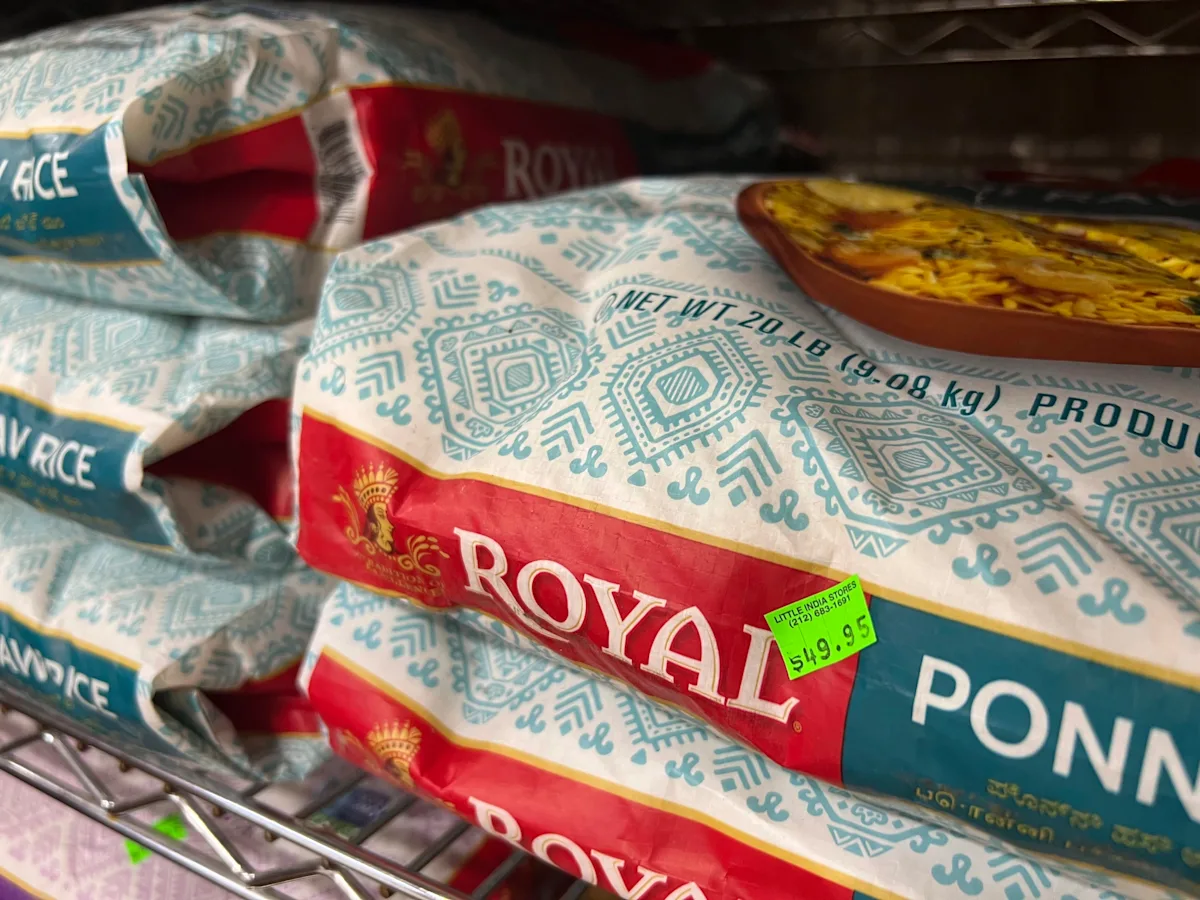
India's decision to severely curtail rice exports has triggered panic-buying among the Indian diaspora in the United States, with some rushing to supermarkets to stock up on bags of rice. The export bans on non-Basmati white rice varieties were imposed to ensure adequate availability and control rising prices in the domestic market. While the supply of imported rice from India in the US may not be an immediate problem, a long-term ban could deplete stocks. Indian expats may have to adapt by purchasing rice grown in the US or imported from other countries.
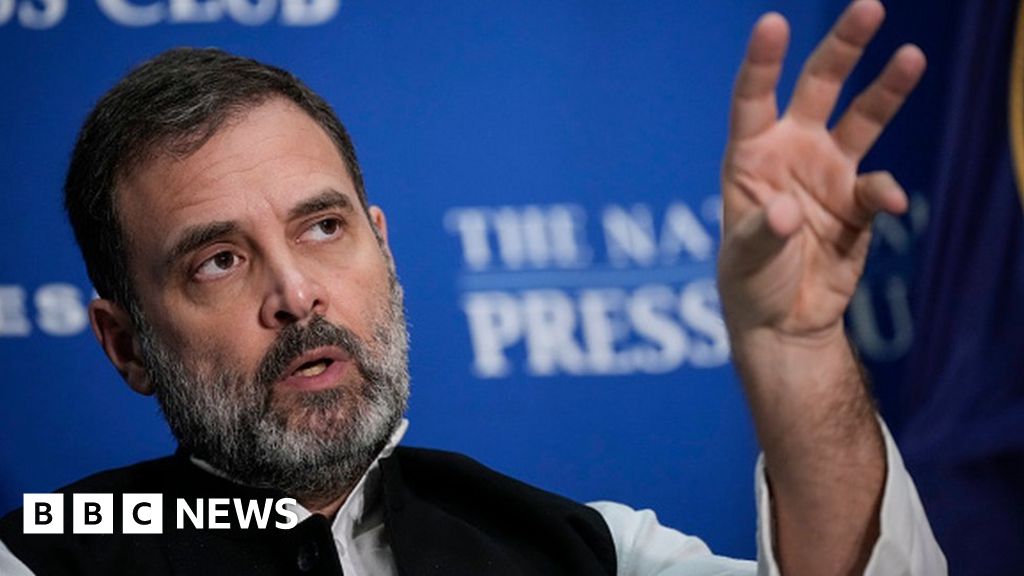
Indian opposition leader Rahul Gandhi is on a three-city tour of the US, wooing the Indian diaspora and criticising Prime Minister Narendra Modi. Indian-Americans are considered more than "soft power" as they have the highest median income among all immigrant communities in the US and contribute significant funds to American and Indian political parties. Any positive news coverage reported back home also has the potential to "boost electoral prospects" in India. However, projecting a reputation on the upswing will be "a tall task" for Mr Gandhi, says Temple University's Sanjoy Chakravorty.
Papua New Guinea's Prime Minister James Marape touched the feet of Indian Prime Minister Narendra Modi as he arrived in the country, marking the first visit by an Indian premier to the island nation. Modi's three-nation tour included Japan, Papua New Guinea and Australia. The Indian diaspora welcomed Modi at the airport in Port Moresby, waving the national flag and shaking hands with the PM.