Tag

Army Reserve

All articles tagged with #army reserve

us-news1 year ago

"Army Reservists Grilled Over Lewiston Shooter's Traumatic Brain Injury"

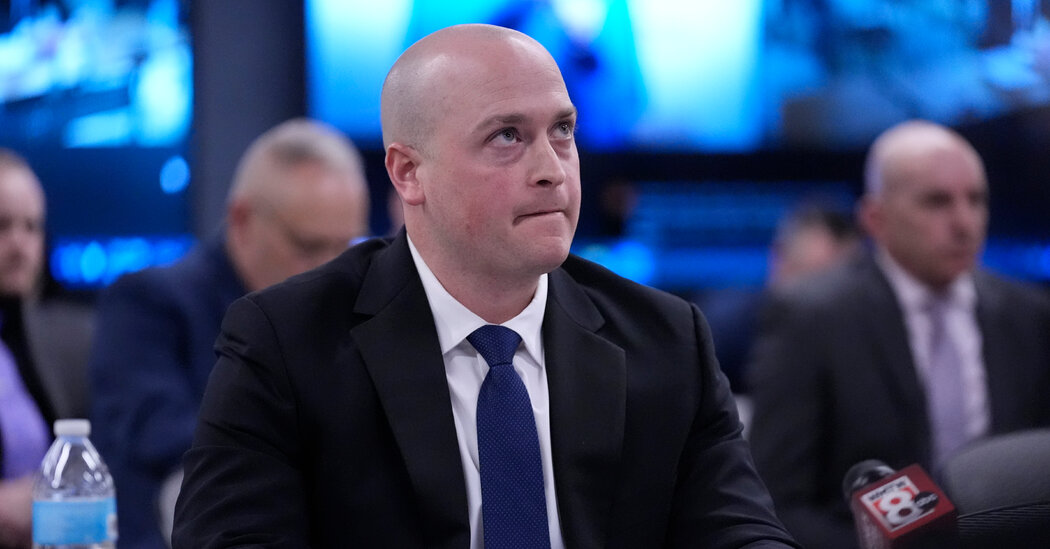
A commission investigating the October mass shooting in Lewiston, Maine, questioned Army Reserve colleagues of the gunman, Robert R. Card Jr., about their inaction before the rampage, seeking accountability among law enforcement agencies and military personnel who knew of the shooter’s threats and erratic behavior. The commission pressed for answers about failed efforts to prevent the gunman from inflicting harm and elicited detailed accounts of the months leading up to the tragedy, which resulted in the death of 18 people.
crime-and-justice1 year ago

"Army Reservists Address Maine Shooter's Brain Injury and Shooting Tragedy"

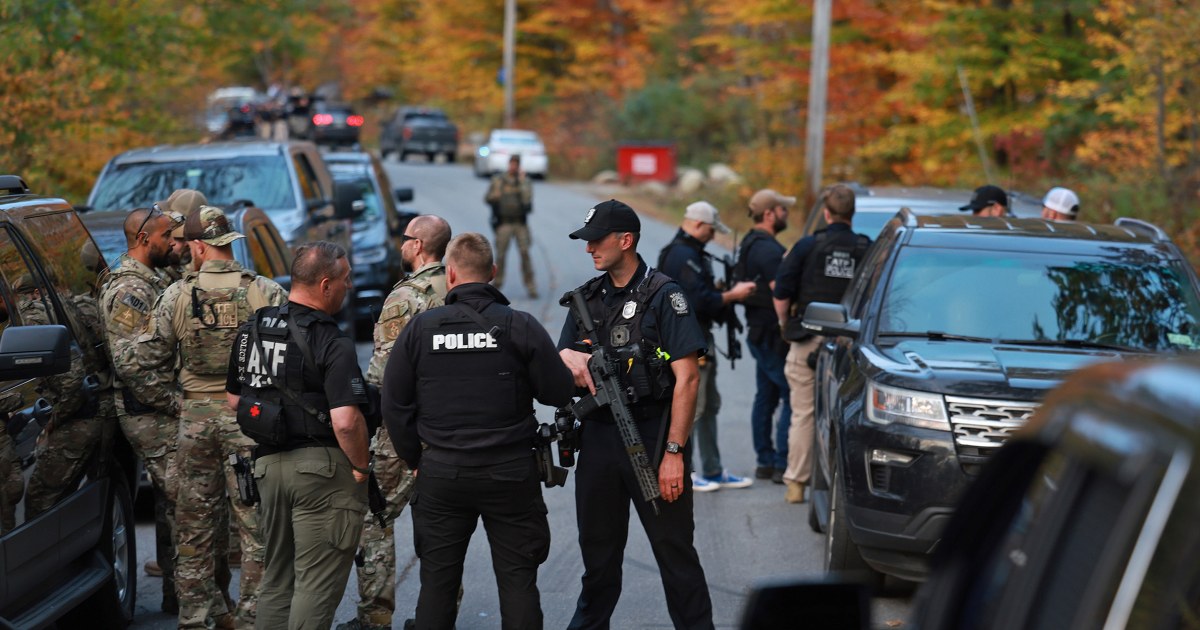
Army reservists testified before an independent commission investigating the Lewiston, Maine shooting that left 18 dead, deflecting blame and citing limitations in their authority to restrict gunman Robert Card's access to firearms due to local law enforcement responsibility and Maine's "yellow flag" law. Testimony revealed efforts taken to handle Card's mental health crisis, but also highlighted communication failures and the need for changes in the law. A post-mortem study of Card's brain found traumatic brain injuries that may have contributed to his behavioral changes, prompting his family to raise awareness of the issue. The commission will issue a formal public report at the conclusion of its investigation.

crime1 year ago

"Maine Gunman's Warning Signs: Prior Statements and Powerful Weapon Raise Questions"

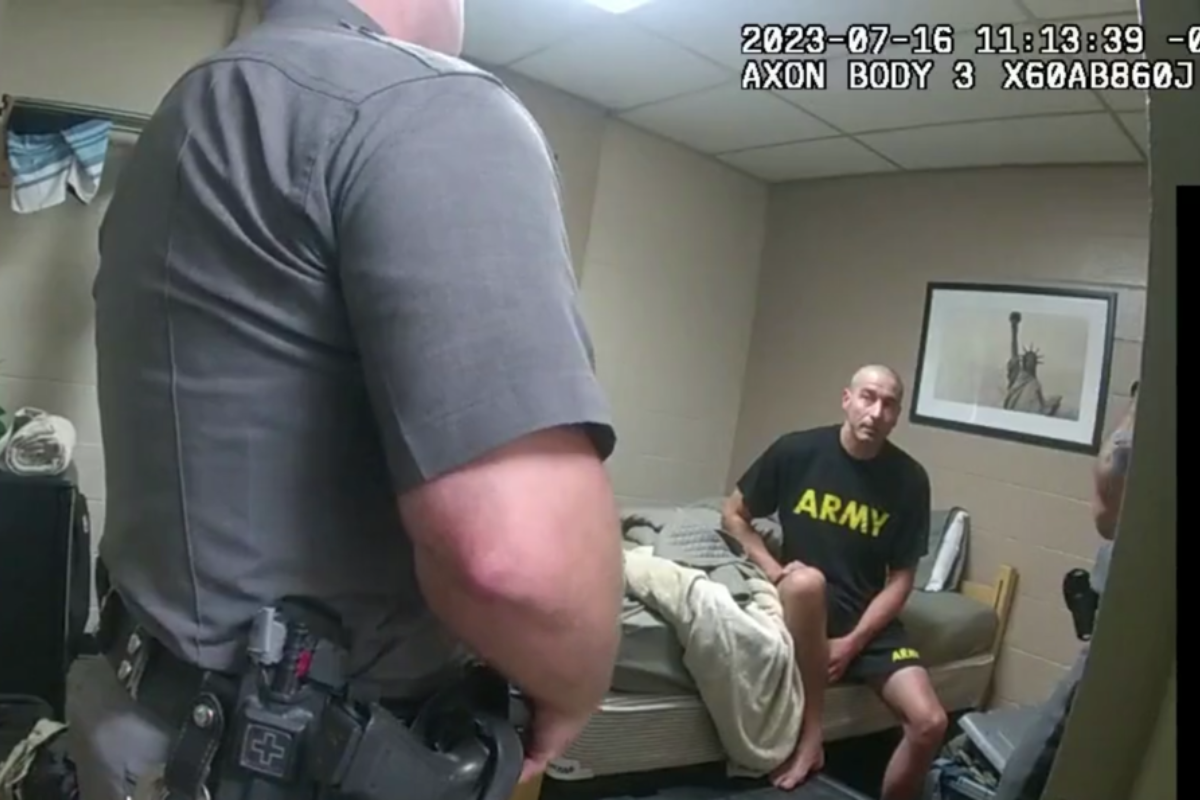
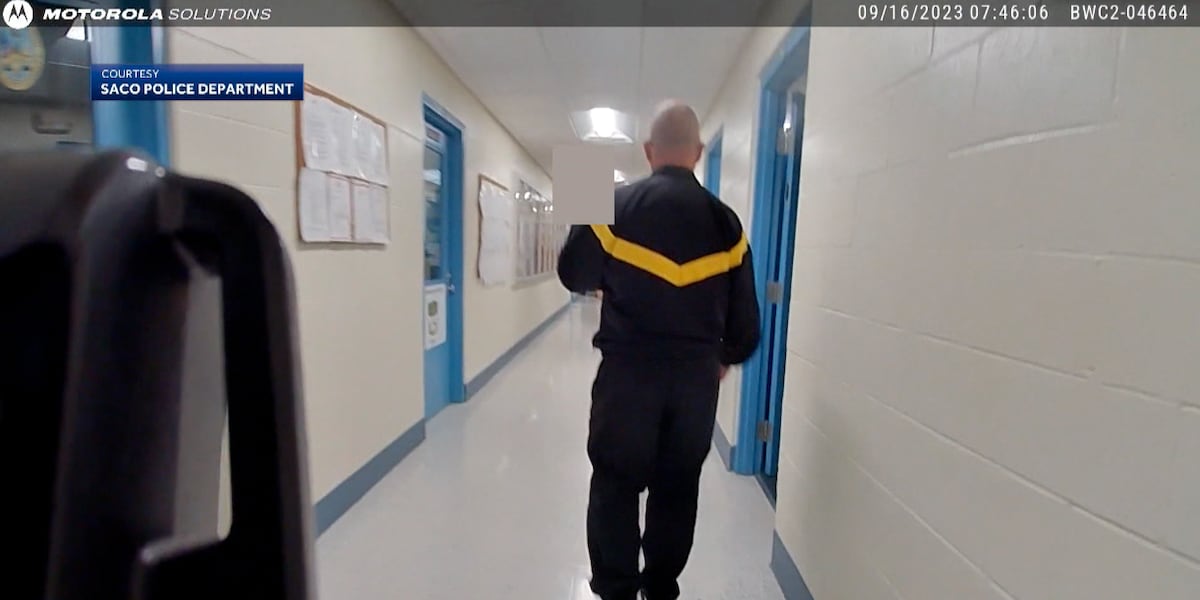
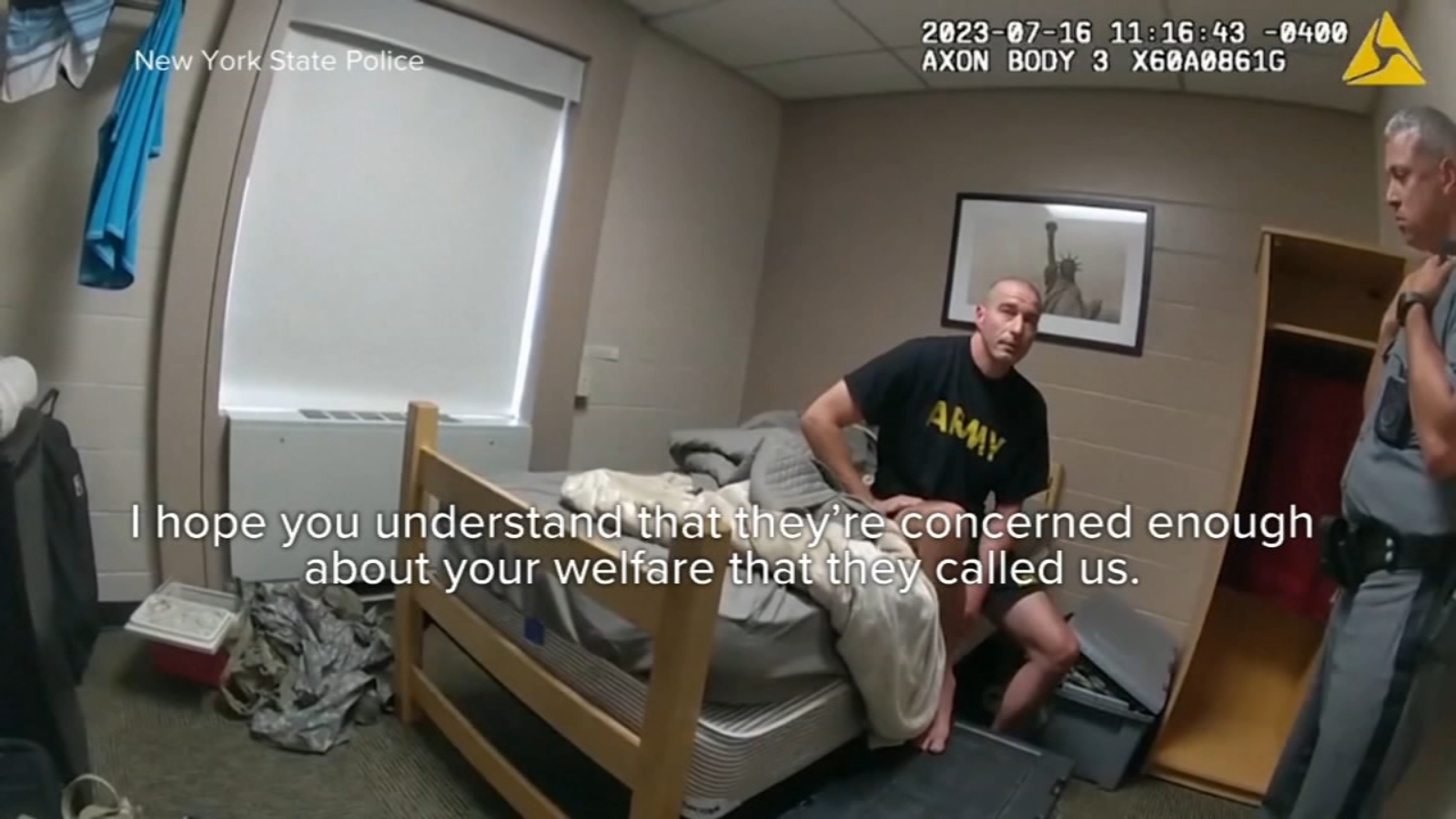
Three months before the Maine mass shooting, Robert Card, the alleged gunman, was taken for psychiatric evaluation after exhibiting concerning behavior and hearing voices. He had allegedly made disturbing comments and displayed aggressive behavior, prompting his Army Reserve unit to seek help for him. The newly released body camera footage shows the moments leading up to his evaluation. An independent commission is now investigating the events leading up to the shooting and has been granted subpoena power to compel documents and witness testimony from relevant individuals and entities, including the US military.

militarydefense1 year ago

"Georgia Mourns Fallen Soldiers Killed in Drone Attack"

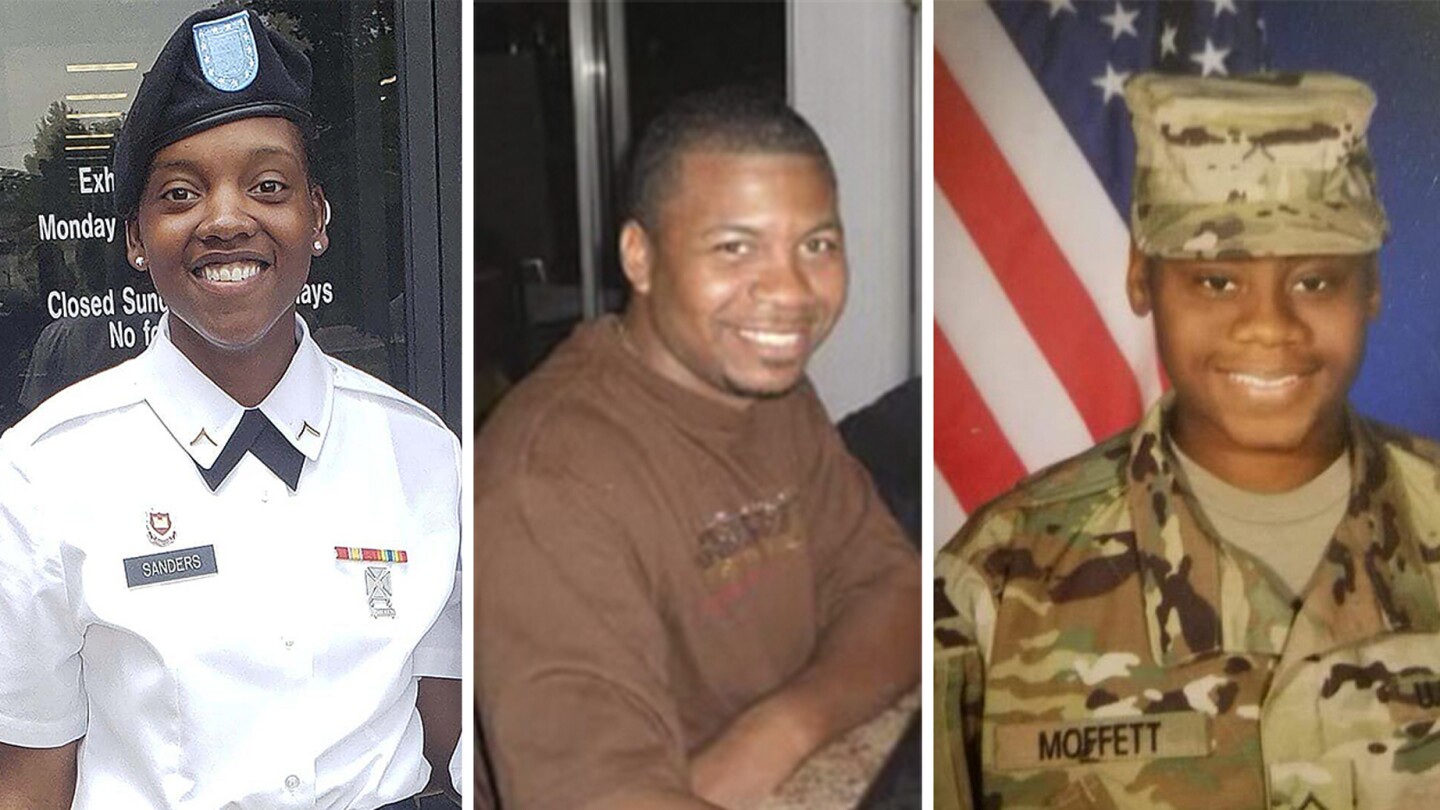
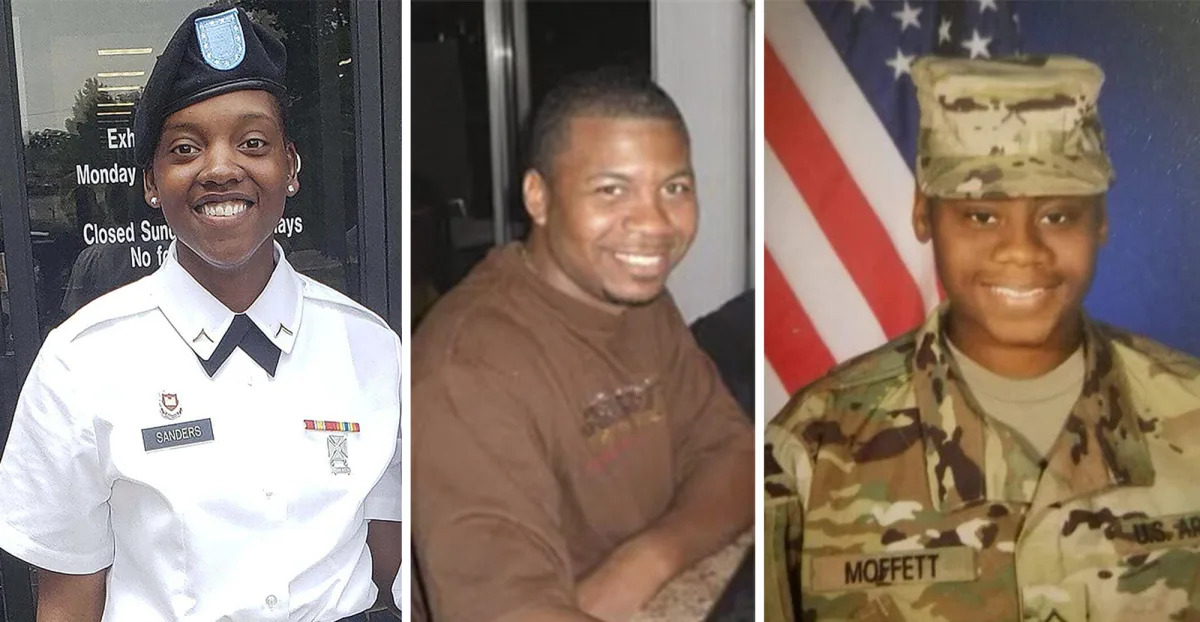
Two Army Reserve soldiers, Sgt. Kennedy Sanders and Sgt. Breonna Moffett, were mourned at separate funerals in Georgia after being killed in a drone attack while deployed to the Middle East. Both soldiers were remembered for their dedication and service, with Sanders being described as courageous and willing to take on challenging tasks, and Moffett being praised for her work with people with disabilities. The soldiers were part of the 926th Engineer Battalion and had become close friends before their deaths. The drone attack, which also killed Staff Sgt. William Jerome Rivers, was the first U.S. fatalities attributed to Iran-backed militia groups following increased attacks on American forces in the region.

crime1 year ago

Maine Gunman's Warning Signs: "Capable" and "Trained to Hurt People"

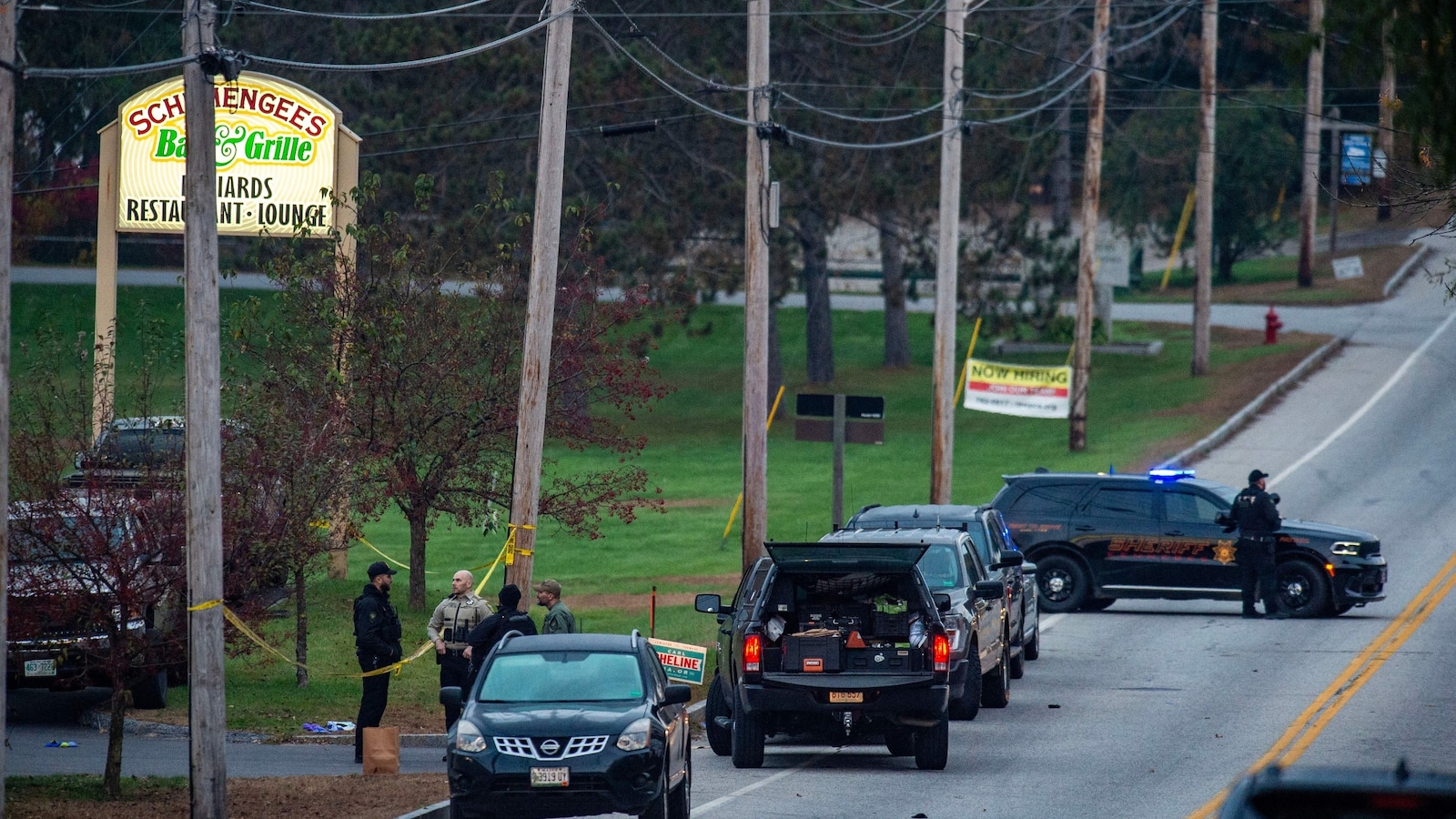
Three months before the alleged Maine mass shooter opened fire, Robert Card told New York State troopers he was "capable" of doing "something," prompting concerns about his mental state and behavior. Despite being taken for psychiatric evaluation and treatment, Card would later allegedly carry out back-to-back shootings at a bar and a bowling alley in Maine. Newly released police body camera footage shows Card's concerning behavior and statements, as an independent commission investigates the events leading up to the mass shooting and gains subpoena power for its probe.

crime-and-law1 year ago

Maine Mass Shooter's Disturbing Warning Signs Caught on Camera

Three months before committing a mass shooting, Robert Card II was encountered by New York State Police and fellow reservists at a hotel, where he expressed paranoia and made concerning statements. Despite fears of potential violence, law enforcement faced challenges in getting him help due to legal limitations. Although Card was eventually taken for a mental health evaluation, he later returned to Maine and attempted to purchase a firearm accessory, raising questions about the effectiveness of the system in preventing individuals with mental health issues from accessing firearms.

military1 year ago

"US Soldiers Killed in Middle East Drone Strike: Biden's Response and Congressional Ruptures"

Three Georgia-based US soldiers, Spc. Kennedy Sanders, Spc. Breonna Moffett, and Sgt. William Jerome Rivers, were killed in a drone strike near the Syrian border, leaving their families in shock and mourning. The soldiers, described as bubbly and dedicated, had different backgrounds but shared a commitment to service. President Joe Biden has promised a response, while the families hope for no escalation in violence. The soldiers' loved ones remember them as full of life and with unfulfilled dreams.

crime-and-justice2 years ago

"Friend's Warning Ignored: Maine Shooter's Risk Foretold Months in Advance"

Despite multiple warning signs and a direct text from his friend and fellow Army reservist Sean Hodgson, authorities downplayed the concerns about Robert Card's deteriorating mental state and access to guns, ultimately failing to prevent Maine's deadliest mass shooting. Hodgson's efforts to alert the Army about Card's potential for violence were dismissed, and despite a series of missed opportunities to intervene, Card fatally shot 18 people before taking his own life. Hodgson, who had warned authorities about Card's behavior, is pushing back against criticism and believes more could have been done to help his friend and prevent the tragedy.

crime2 years ago

Friend's Warning About Maine Shooter Weeks Before Massacre

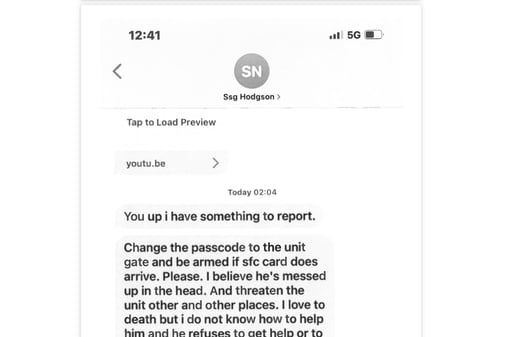
Robert Card's best friend, Sean Hodgson, had warned their boss about Card's potential for a mass shooting six weeks before the deadly attack, citing Card's increasing anger and paranoia. Despite Card's documented mental decline and warnings from relatives, authorities did not heed Hodgson's plea to change the gate passcode and arm themselves if Card showed up. Card killed 18 people at a bowling alley and bar in Lewiston before taking his own life, leaving Hodgson struggling to accept his friend's actions and resenting that Card will not face consequences for the massacre.

crime-and-justice2 years ago

Maine Shooter's Friend Warned Officials in 1st Interview

Sean Hodgson, a friend and former roommate of the Maine shooter, warned officials about his best friend's escalating anger and paranoia, expressing concern about his access to guns and refusal to seek help. Despite multiple warning signs and pleas for intervention, authorities declined to confront the shooter, leading to the deadliest shooting in Maine's history. Hodgson, who has faced criticism for being "over the top" and "alarmist," believes more could have been done to prevent the tragedy and is pushing for public policy changes. Hodgson's account, along with law enforcement documents and interviews, sheds light on potential missteps leading up to the attack, while an independent investigation is ongoing.

crime-mental-health2 years ago

Maine Shooter's Friend Warned Officials in 1st Interview

Sean Hodgson, a friend and former roommate of the Maine shooter, warned officials about his best friend's escalating anger and paranoia, expressing concern about a potential mass shooting. Despite multiple warning signs and interventions, including a psychiatric hospitalization and a ban on handling weapons, authorities did not confront the shooter, leading to the deadliest shooting in Maine's history. Hodgson believes more could have been done to help his friend and prevent the tragedy.

law-enforcement2 years ago

"Body camera footage reveals police and Army Reserve's concerns over Lewiston shooter"

Body camera video footage has been released, providing new insight into the response of law enforcement agencies to concerns about the mental health of Robert Card, who later became the Lewiston shooter. The video includes a conversation between officers and the Army Reserve unit commander, who mentions Card's mental health issues and the possibility of him being a danger to himself or others. The review of the agency's response concluded that there were insufficient grounds to take Card into custody and initiate the process to remove his weapons under Maine's yellow flag law.

crime2 years ago

Maine Mass Shooting: Police Response Reviewed, Questions Remain

In the month leading up to Robert Card's deadly rampage in Lewiston, Maine, local police received reports about his psychological decline and concerns that he might commit a mass shooting. A police dashcam recording reveals that Card's Army Reserve unit company commander advised taking the concerns "very seriously" but also "with a grain of salt." The commander mentioned that Card had been institutionalized for two weeks in July and had a history of anger and self-isolation. The Reserve captain stated that Card had not made specific threats but expressed anger towards certain individuals. Despite warnings from Card's family, fellow soldiers, and community members, law enforcement officers were unable to remove his weapons due to medical privacy rules and Card's residence in New Hampshire. On October 25, Card opened fire at a bar and a bowling alley, killing 18 people before taking his own life. The U.S. Army Inspector General will conduct an independent investigation into the events leading up to the mass shooting.

crime2 years ago

Investigation into Maine Shooter's Brain Raises Concerns over CTE and Army Blast Exposure

The brain of Robert Card, the gunman responsible for the mass shooting in Lewiston, Maine, is being sent to Boston's CTE Center to determine if he suffered any brain injury or trauma while serving in the Army Reserve. Card, who died of a self-inflicted gunshot wound, had exhibited erratic behavior and had been committed to a mental health facility prior to the shooting. The analysis of Card's brain is expected to shed light on the impact of repeated blasts experienced during his military training. Results from the examination may take six to eight months.

crime2 years ago

"Revealing Texts and Missed Warnings: Uncovering the Troubling Truth Behind the Maine Shooting"

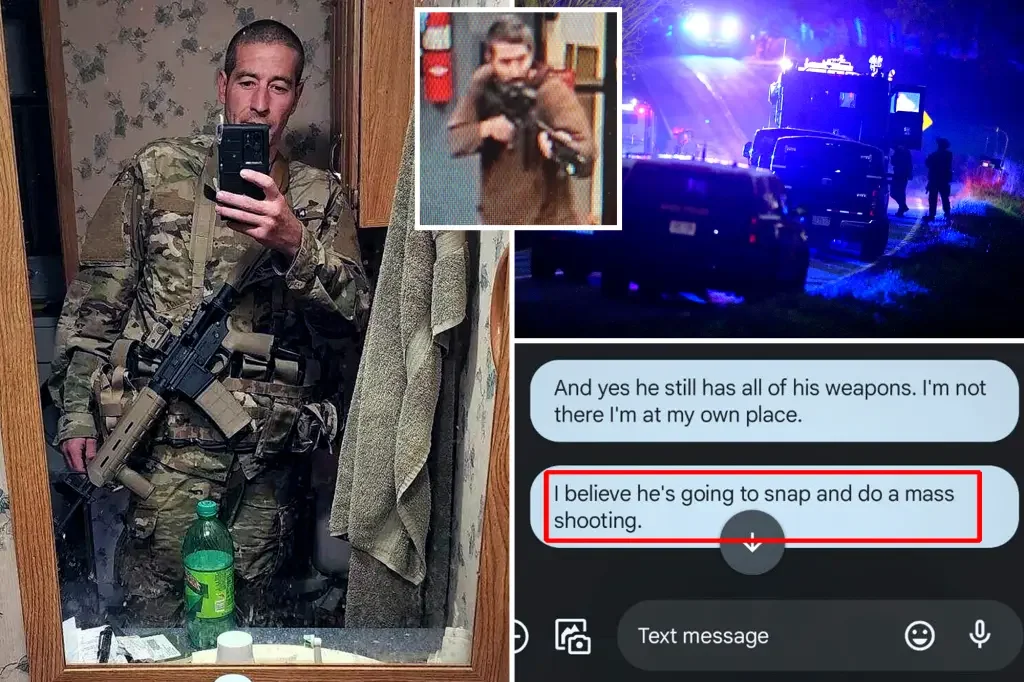
Text messages and a letter from a US Army Reserve training supervisor to a Maine sheriff reveal the concerns and fears expressed by Robert R. Card II's fellow reservists about his severe mental illness and potential for committing a mass shooting. The texts, sent in September, urged the supervisor to change the passcode to the unit gate where weapons were stored, as one reservist believed Card was going to "snap and do a mass shooting." Despite the pleas for help, Card went on to kill 18 people and wound several others in a shooting at a bowling alley and bar in Lewiston, Maine, before dying of an apparently self-inflicted gunshot.