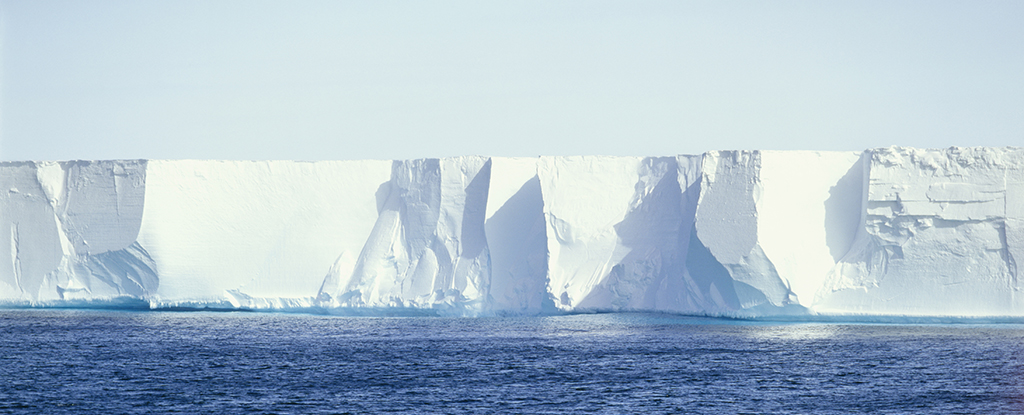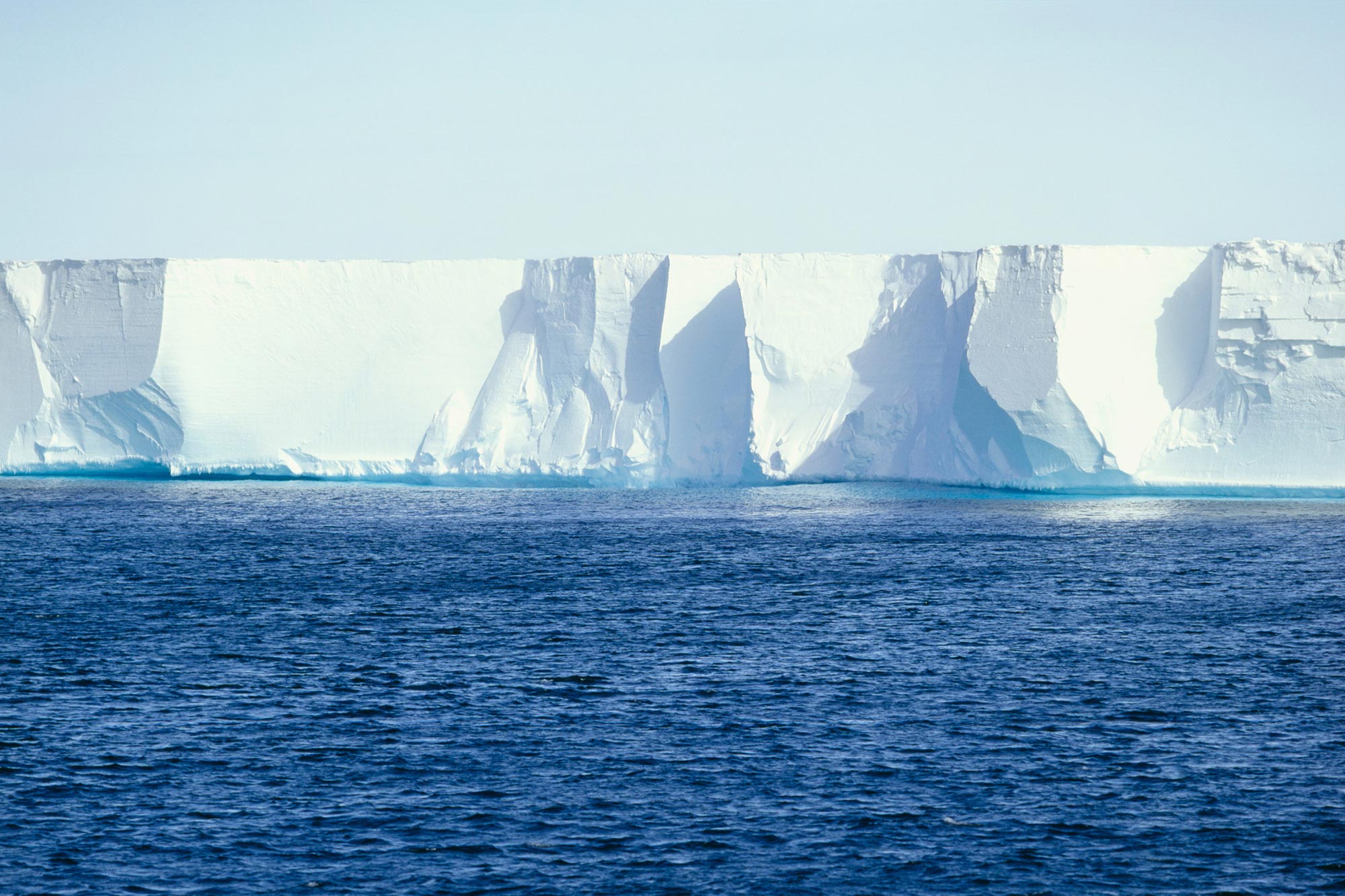
"Antarctica's Largest Ice Shelf Shows Unusual Activity"
Research from Washington University in St. Louis reveals that the Ross Ice Shelf in Antarctica, the largest ice shelf on the continent, is being displaced daily by the Whillans Ice Stream. This movement, which can be up to 8 centimeters, is caused by sudden slips in the ice stream and could influence icequakes and fractures, raising concerns about the stability of ice shelves in a warming world. The study highlights the potential impact on sea level rise if the ice shelf were to collapse.