Tag

Hyponatremia

All articles tagged with #hyponatremia

health2 months ago

Early Signs and Risks of Colon Cancer and Hyponatremia

Dr. Sudhir Kumar warns that common medications like thiazide diuretics, SSRIs, and certain anti-seizure drugs can cause hyponatremia, a potentially serious condition characterized by dangerously low blood sodium levels, especially in older adults or those with other health issues. Early detection, monitoring, and awareness of symptoms are crucial to prevent severe complications such as seizures or coma.

health5 months ago

Healthy Lifestyle Mistaken for Medical Emergency

Overhydration during exercise can lead to hyponatremia, a dangerous condition caused by low sodium levels, which can be mistaken for dehydration. The article shares a personal story of how a healthy lifestyle and excessive water intake resulted in a life-threatening electrolyte imbalance, emphasizing the importance of listening to one's thirst, maintaining electrolyte balance, and understanding the risks of overhydration, especially during physical activity.

health6 months ago

Rising temperatures may increase deadly electrolyte imbalances

Rising global temperatures due to climate change are increasing the incidence of hyponatremia, a dangerous condition caused by low blood sodium levels, which can lead to seizures, coma, and death, especially among vulnerable populations like the elderly and outdoor workers. Experts emphasize the need for better awareness, balanced hydration, and heat exposure precautions to prevent a surge in cases as extreme heat events become more frequent.

health1 year ago

The Hidden Dangers of Overhydration: A Doctor's Warning

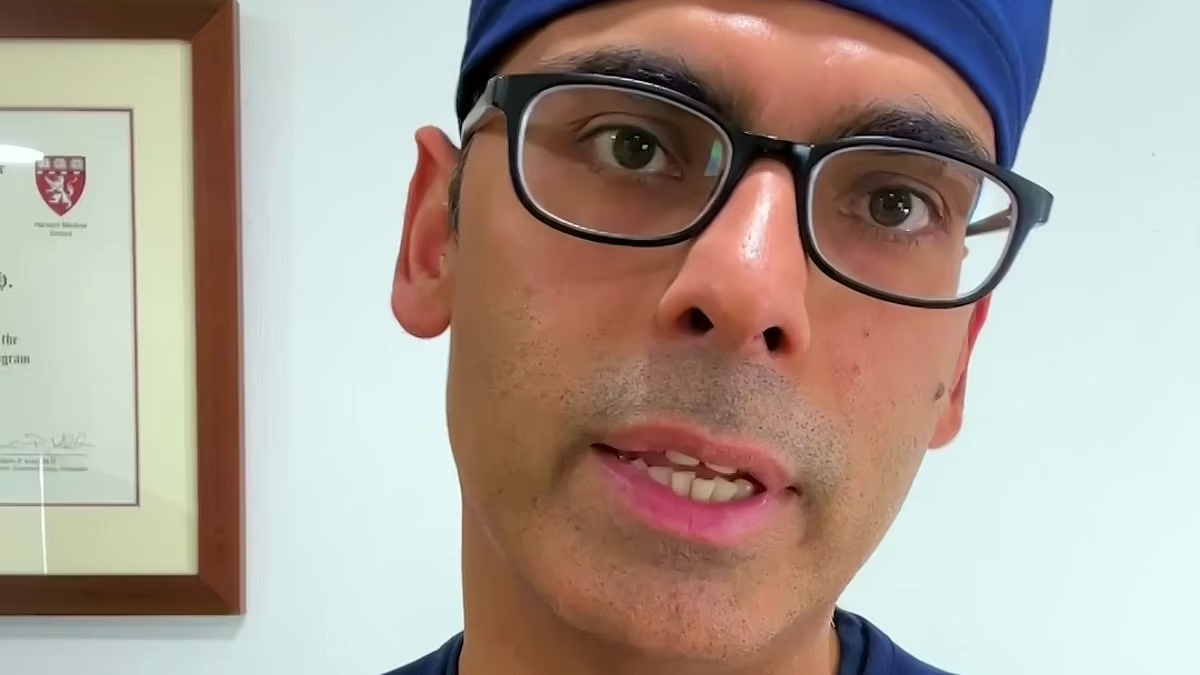
Harvard gastroenterologist Dr. Saurabh Sethi warns against the dangers of excessive water consumption, which can lead to water intoxication or hyponatremia, a condition where low sodium levels cause water to accumulate in the brain. He advises adding electrolytes or salt to water to maintain balance, especially during heavy exercise. Dr. Sethi, who has a large following on TikTok, also highlights the risks of diet sodas, linking them to increased heart attack, stroke, and kidney disease risks, particularly in women over 50.

health2 years ago

"Brooke Shields' Seizure Scare: The Dangers of Excessive Water Consumption"

Actress Brooke Shields revealed in an interview that she experienced a grand mal seizure due to drinking excessive amounts of water while preparing for a show. Doctors confirmed that Shields had consumed too much water, leading to dangerously low sodium levels. Drinking excessive water can cause hyponatremia, a condition where sodium levels drop, potentially resulting in seizures. The recommended daily water intake is about eight glasses, but it's important to consult a healthcare professional, especially for those with preexisting medical conditions, before making significant changes to their water intake.

health2 years ago

The Deadly Consequences of Overhydration: Understanding Water Toxicity

A 35-year-old Indiana mother, Ashley Miller Summers, tragically died from water toxicity after drinking four bottles of water in less than 30 minutes while feeling severely dehydrated. Water poisoning, or water intoxication, can occur when excessive water intake dilutes electrolytes in the body, leading to hyponatremia. It is important to drink an appropriate amount of water based on individual factors such as activity levels, health, and temperature. Symptoms of hyponatremia include nausea, vomiting, low blood pressure, headaches, confusion, fatigue, and muscle cramps. Summers' brother issued a warning to monitor water intake and consider replenishing electrolytes with drinks like Gatorade.

health2 years ago

The Expert's Guide to Daily Water Intake and Weight Loss

Experts recommend that the "8 cups a day" guideline for water intake is just a general rule of thumb, and the amount of water a person needs depends on factors such as body size, activity level, diet, and weather. The Institute of Medicine suggests a daily water intake range of 2.7 to 3.7 liters, including water from beverages and food. Drinking too much water can lead to hyponatremia, a condition where the body experiences an electrolyte imbalance. The Centers for Disease Control and Prevention advises against drinking more than 48 ounces per hour. Plain clean water is the best choice for hydration, but consumers should be aware of potential contaminants in tap water. Coconut water does not hydrate better than regular water, and flavored waters may contain additives and sugar. Sparkling water is a matter of preference but has higher acidity levels. Alkaline water is not proven to be better than plain water. Cold water is safe to consume as long as it's not burning hot.

health2 years ago

The Dangers of Overhydration: Understanding Water Toxicity

One woman has died and another was hospitalized due to water intoxication, highlighting the importance of understanding the risks of excessive water consumption. Drinking too much water can lead to hyponatremia, a condition where electrolytes in the blood become diluted. Symptoms include nausea, vomiting, altered mental status, and muscle weakness. While there are no uniform guidelines for excessive water intake, it is recommended to consume fluids in moderation and pay attention to the color of urine. Athletes, ICU patients, and the elderly are more susceptible to hyponatremia. Treatment depends on the severity of the condition and may involve limiting water intake, medication, or IV therapy.