
Idaho Fish and Game operated a check station on I-90 to monitor compliance with CWD transport laws, finding low adherence among hunters, highlighting the importance of understanding and following regulations to protect Idaho's big game herds from chronic wasting disease.
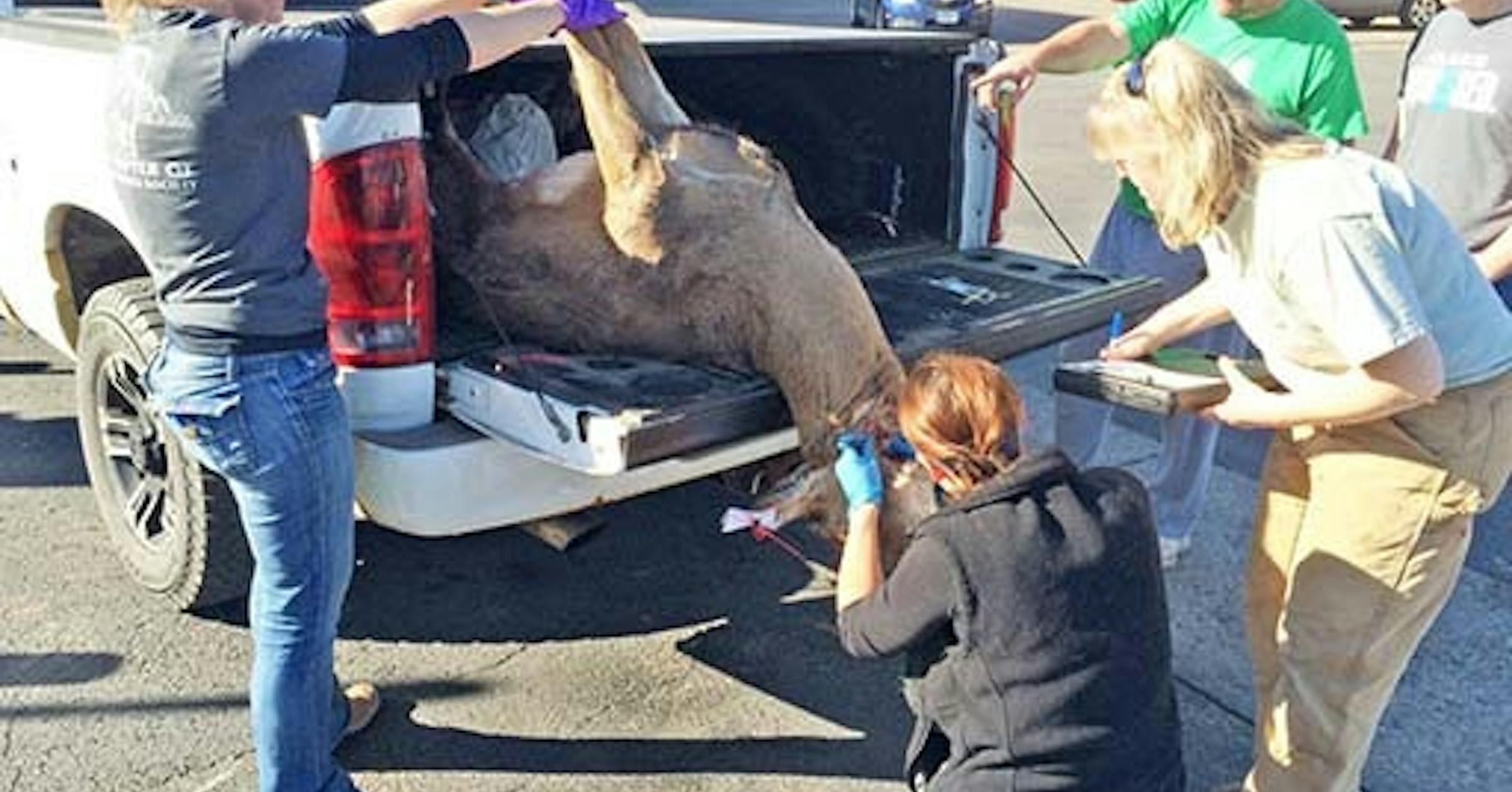
Chronic wasting disease (CWD) has been detected for the first time in a whitetail deer near Wheaton, western Minnesota, prompting the Department of Natural Resources (DNR) to implement new regulations for local hunters. These measures include testing hunter-harvested deer for three years, restricting carcass movement, banning deer feeding and attractants, and possibly increasing bag limits. The DNR will collaborate with South Dakota and North Dakota wildlife agencies to manage the disease, which is fatal to deer, elk, and moose, and has no known cure.
Pennsylvania has implemented new regulations for hunters to limit the spread of chronic wasting disease, also known as "zombie deer disease," which is a fatal prion disease that affects deer and elk. While the state is not requiring testing before processing venison, it advises against eating infected meat. The disease has been detected in various areas of the state, and the Pennsylvania Game Commission has established disease management areas with special restrictions for hunting. Hunters can voluntarily submit their animal's head for testing, and if an animal tests positive, the Game Commission can issue a replacement tag. Proper disposal of high-risk parts is crucial to prevent further spread of the disease, as prions can persist in the environment. The CDC cautions against consuming meat from animals with chronic wasting disease.
Pennsylvania has implemented new regulations for hunters to prevent the spread of chronic wasting disease, also known as "zombie deer disease," which is a fatal prion disease that affects deer and elk. Although the state does not require testing before processing venison, it advises against consuming infected meat. The disease has been detected in various areas of the state, prompting the establishment of disease management areas with special restrictions for hunting. Hunters can voluntarily submit animal heads for testing, and if an animal tests positive, the Game Commission can issue a replacement tag. Proper disposal of high-risk parts is crucial to prevent further spread of the disease, as prions can persist in the environment. The CDC advises against consuming meat from animals with chronic wasting disease.