The article celebrates 25 years of continuous habitation on the International Space Station, highlighting its role in scientific research, international cooperation, and the unique insights gained through space archaeology, which studies the social and cultural aspects of life in space using photographic and behavioral analysis. It emphasizes the station's significance as a human habitat and its potential to inform future space missions and societal issues on Earth.

The article explores the historical parallels between 19th-century telegraph communication and modern conversational AI, highlighting how both technologies create disembodied interactions that challenge our notions of authenticity and trust. It suggests that while AI chatbots like ChatGPT-4o and Meta AI promise to alleviate loneliness, they also risk fostering misinformation and unhealthy dependencies, necessitating a reevaluation of our standards for genuine connection.
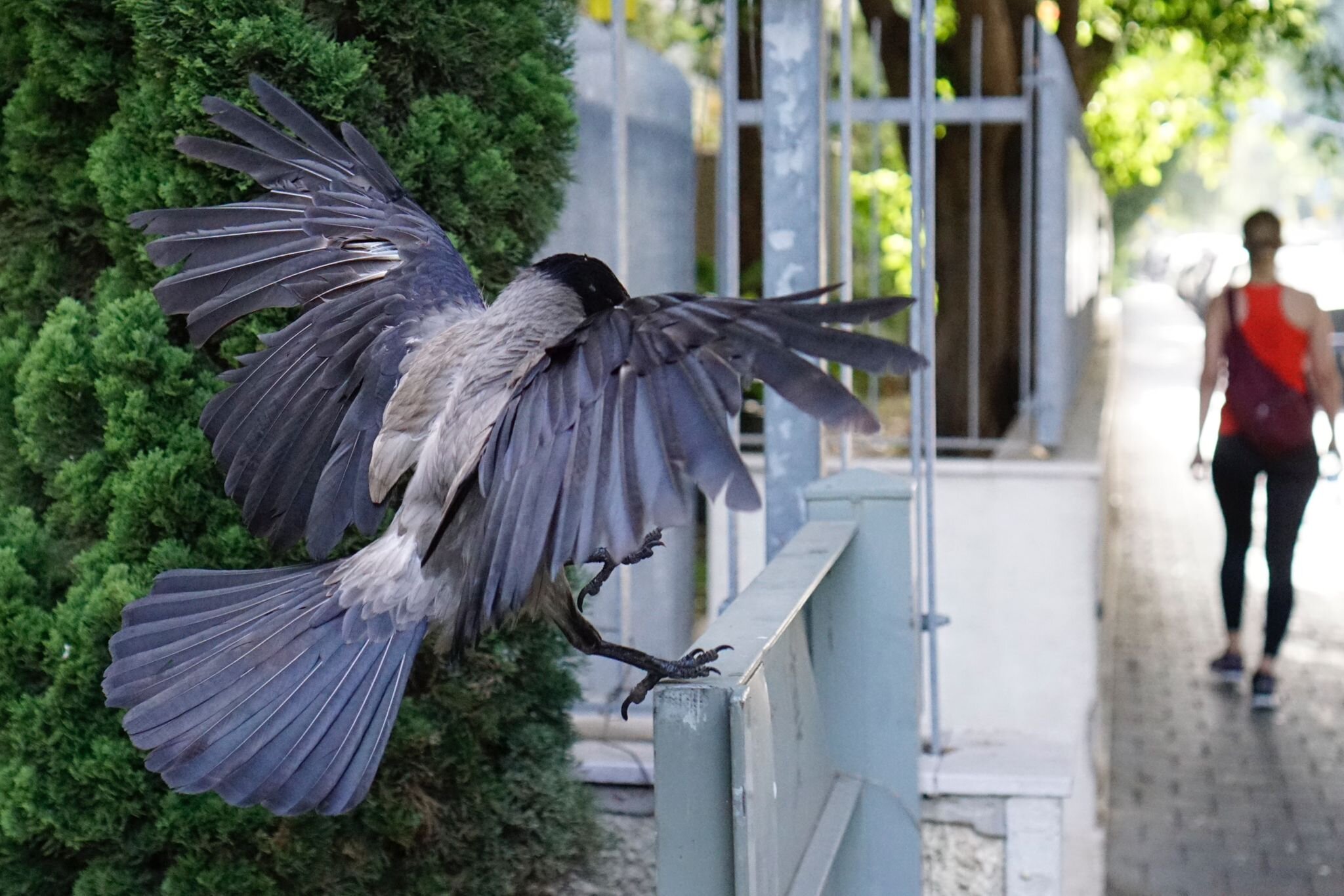
A study from Tel Aviv University has found that birds accustomed to living around humans, such as crows and ringneck parakeets, decreased their activity when humans were absent during the COVID-19 lockdown, while the shy graceful prinias actually increased their activity. The research used microphones to monitor bird activity in an urban area and found that certain bird species, like crows, rely on humans for food scraps, while others, like the graceful prinias, adapt to urban environments but do not depend on human presence. The study highlights the complexity and diversity of the urban ecosystem and the interrelationship between humans and wildlife.
A cross-cultural study involving over 3,100 participants from 22 countries revealed that lower voice pitch is universally preferred for long-term relationships and associated with increased formidability and prestige in males. The study's findings are consistent across different cultures, suggesting a universal aspect of human psychology related to voice pitch perceptions. Voice pitch's impact on social evaluations is influenced by societal factors such as relational mobility and violence rates, indicating its adaptability to social environments and highlighting its importance in human interaction and social mobility.
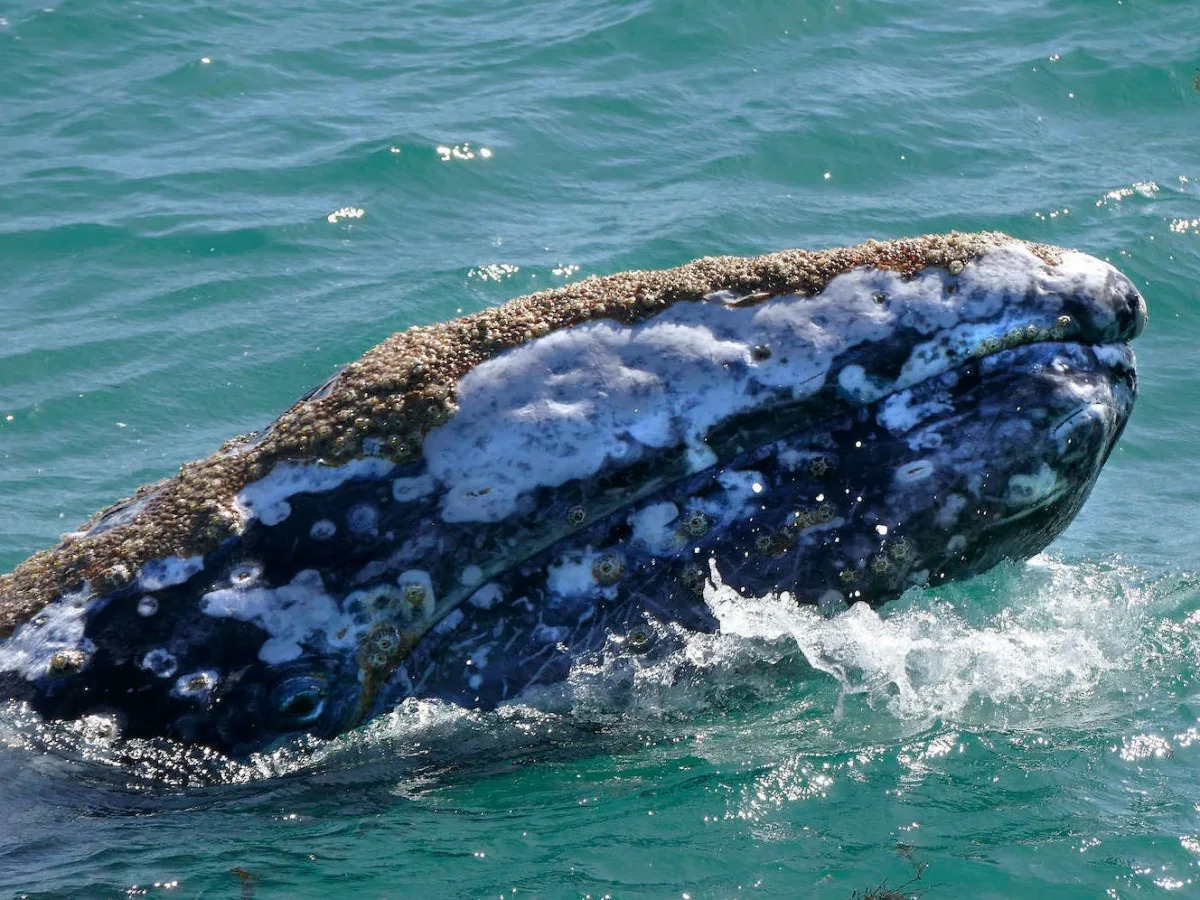
A video captured in Mexico shows a gray whale seeking help from a whale-watching captain to have parasites picked off its head. The captain, Paco Jimenez Franco, has been working in the industry for 20 years and has developed a bond with the whales. The footage shows the whale approaching the boat and spinning around as Franco removes whale lice from its head. Gray whales have a "love-hate relationship" with these parasites, which can be beneficial but also irritating due to their sharp claws. The incident highlights the unique interaction between humans and marine animals in the region.
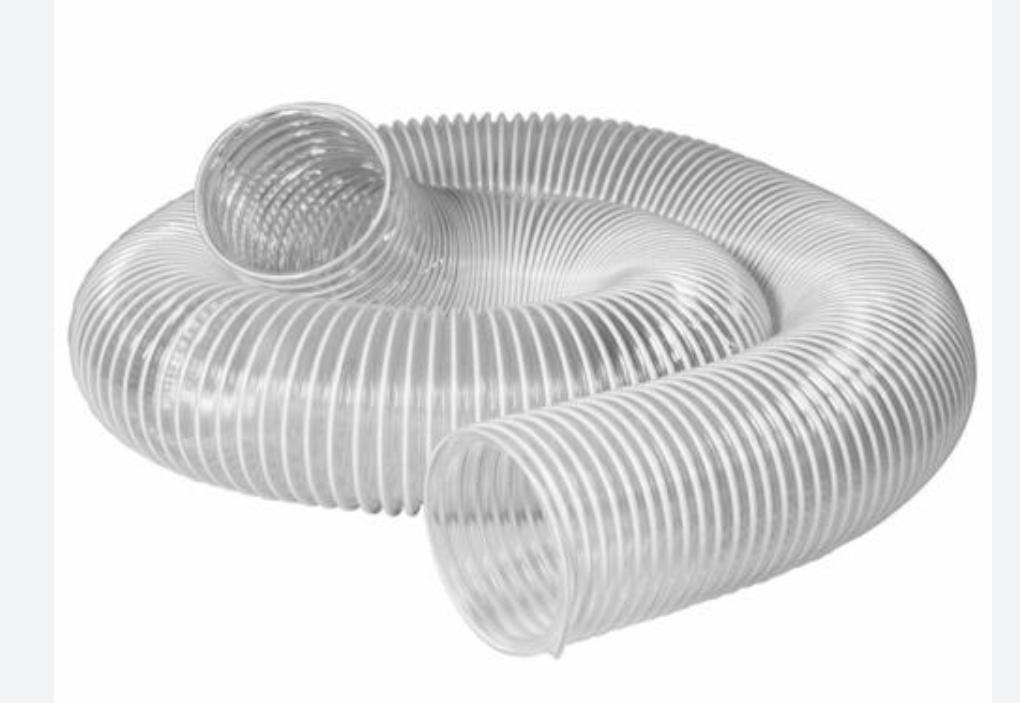
A video demonstrates a useful trick for shy people who want to avoid human interaction in public. By hiding inside a bendy pipe and leaning against a wall, people will think you're an inanimate object and walk right by.